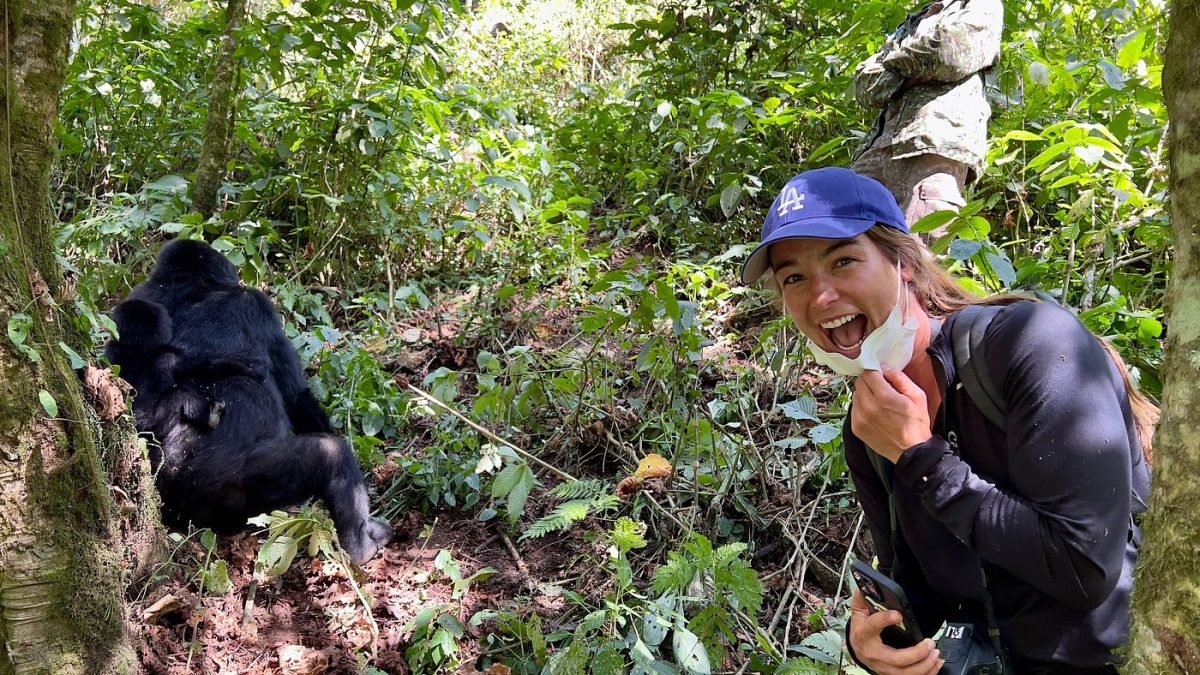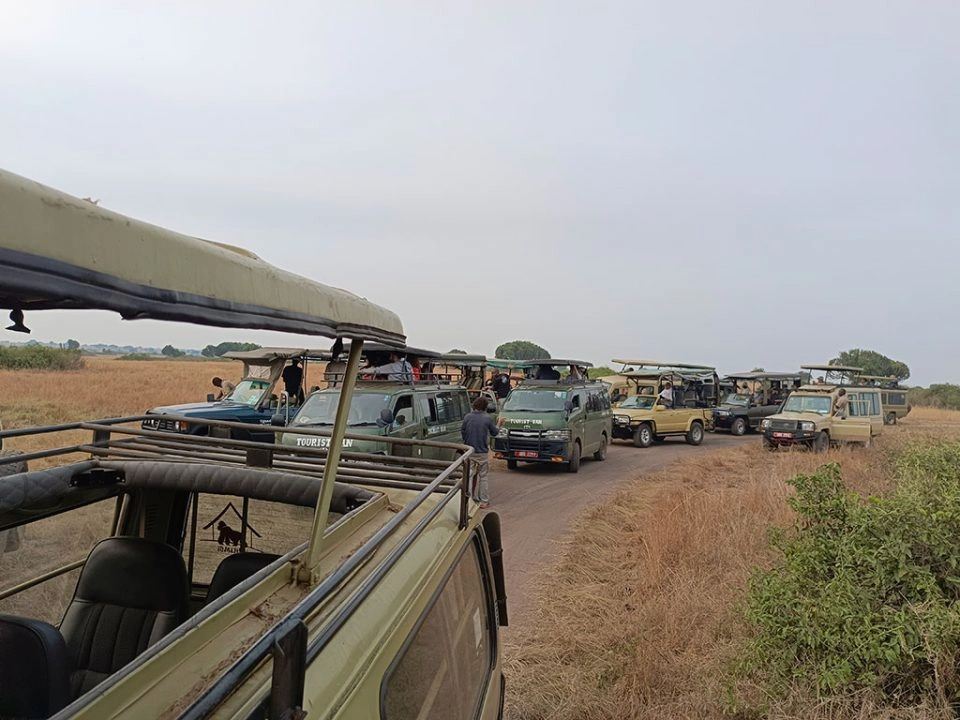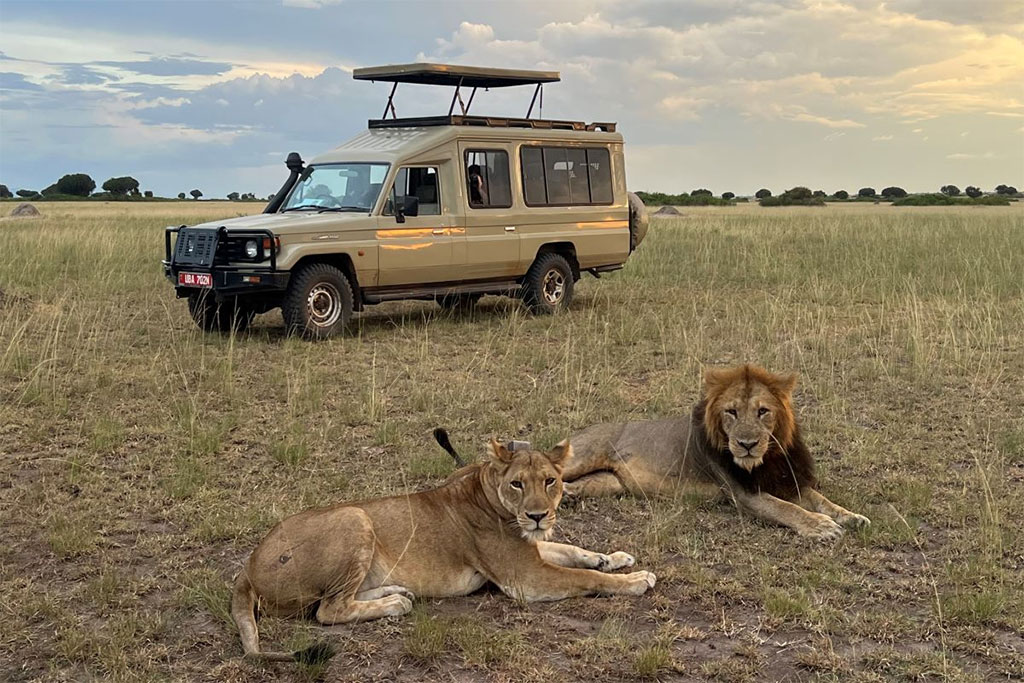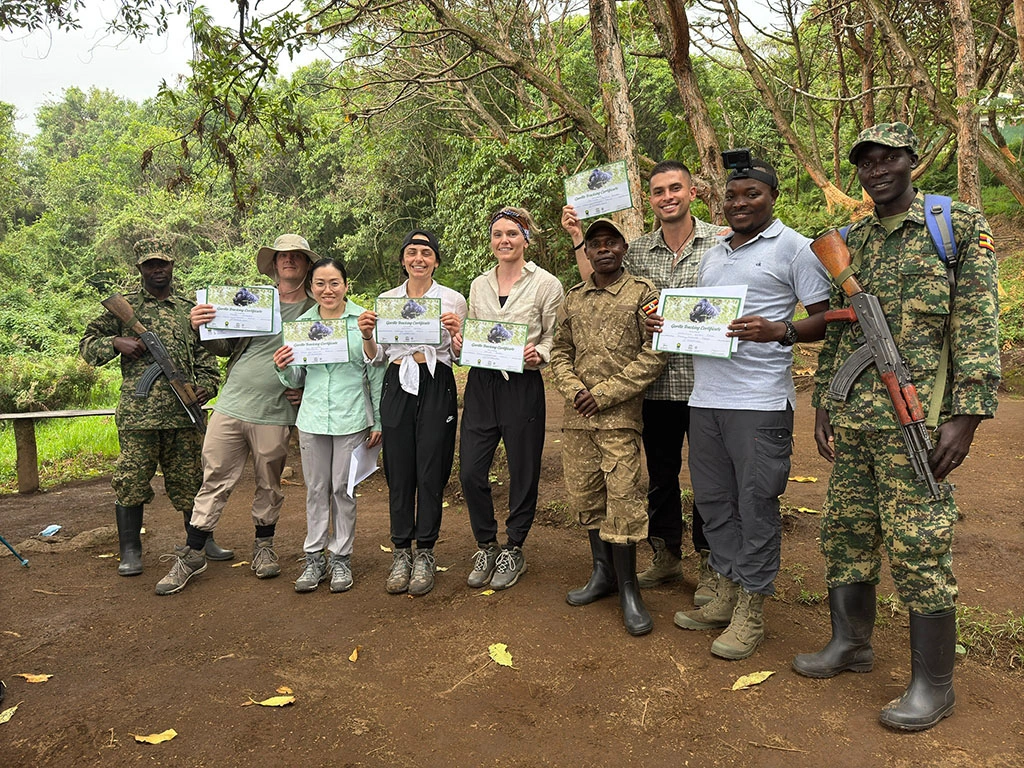

How to Become a Professional Tour Guide in Uganda. Uganda, affectionately known as the Pearl of Africa, is one of the most breathtaking travel destinations on the continent. From the misty mountain gorillas of Bwindi Impenetrable Forest to the roaring Murchison Falls and the serene shores of Lake Victoria, Uganda offers an unmatched wealth of natural and cultural experiences. Behind every unforgettable safari moment is a knowledgeable, passionate, and certified tour guide who brings the destination to life. If you have a love for people, a deep connection to Uganda’s landscapes and heritage, and a desire to build a rewarding career in travel, becoming a professional tour guide could be your perfect path.
This guide walks you through everything you need to know — from the qualifications and skills required to the best institutions and career opportunities available to you today.
Why Uganda Needs Skilled Tour Guides
Tourism is one of Uganda’s fastest-growing economic sectors, contributing significantly to GDP and employment. According to the Uganda Tourism Board, the country continues to attract hundreds of thousands of international visitors each year, drawn by its wildlife, adventure activities, culture, and conservation success stories. This surge in tourism demand directly translates into a growing need for highly trained, professional tour guides who can deliver world-class experiences.
A professional tour guide in Uganda does far more than simply escort visitors from one attraction to another. They serve as cultural ambassadors, wildlife interpreters, safety officers, and storytellers. The quality of a guide’s service directly determines whether a traveller returns to Uganda and recommends it to others — making well-trained guides a critical asset to the tourism industry. Learn more about Uganda’s tourism potential on Uganda Tourism Institute’s official website.
What Does a Professional Tour Guide Do?
Before pursuing the career, it is important to understand what the role involves on a daily basis. A tour guide in Uganda typically:
- Leads individuals and groups through national parks, cultural sites, urban centres, and adventure destinations
- Provides accurate, engaging information about wildlife, history, geography, and local customs
- Ensures the safety and comfort of all tour participants
- Coordinates with lodges, transport providers, and activity operators
- Handles emergencies, first aid situations, and itinerary adjustments on the ground
- Acts as a cultural liaison between tourists and local communities
The role demands physical fitness, cultural sensitivity, excellent communication skills, and a genuine passion for Uganda’s heritage. Whether you specialise in gorilla trekking, birding tours, cultural village visits, or city excursions, each guiding niche requires specific knowledge and training.
Academic Qualifications and Educational Requirements
One of the first steps toward becoming a professional tour guide in Uganda is obtaining the right academic background. While there is no single rigid pathway, most reputable employers and the Uganda Tourism Board look for candidates with formal education in tourism, hospitality, or a related field.
A diploma or degree in Tourism Management, Hospitality Management, or Travel and Tourism is widely recognised as the foundational qualification. These programmes equip students with knowledge of tourism planning, customer service, natural resource management, and guiding ethics. Uganda Tourism Institute offers structured programmes specifically designed for aspiring tourism professionals in Uganda, providing both theoretical and practical grounding in the industry.
For those seeking to complement their studies with specialised guiding certifications, institutions such as Kenlink Institute offer professional short courses and diplomas in tourism and hospitality that can significantly enhance your credentials and employability. Kenlink’s programmes are designed with the Ugandan and East African tourism market in mind, ensuring graduates are equipped with locally relevant, industry-ready skills.
Essential Skills Every Tour Guide Must Develop
Academic qualifications alone will not make you a standout tour guide. The most successful guides in Uganda combine formal education with a robust set of soft and technical skills:
Communication and Language Skills English is the primary language of international tourism in Uganda, but guides who speak additional languages such as French, German, Spanish, or Mandarin have a significant competitive advantage. At the local level, fluency in Luganda, Runyakitara, or other regional languages helps when interacting with communities and adds authentic cultural depth to tours.
Wildlife and Nature Knowledge For guides working in national parks like Queen Elizabeth, Kidepo Valley, or Kibale Forest, in-depth knowledge of wildlife behaviour, bird species, vegetation, and ecosystem dynamics is non-negotiable. This knowledge develops through formal study, field experience, and ongoing self-education through resources available on platforms like Uganda Tourism Institute’s blog.
Customer Service and Interpersonal Skills Professional guides manage people from diverse cultural backgrounds, age groups, and expectations. Patience, empathy, conflict resolution, and the ability to keep groups engaged are skills that set excellent guides apart from average ones.
First Aid and Emergency Preparedness Guides operating in remote areas must hold recognised first aid certifications. This not only protects clients but is increasingly a requirement for licensing in Uganda’s regulated tourism environment.
Digital and Navigation Skills Modern guides benefit greatly from GPS navigation, photography basics, and social media literacy. Many travellers today expect guides who can help them capture and share their experiences meaningfully.
Getting Licensed: The Uganda Tourism Board Requirements
To legally operate as a tour guide in Uganda, you must be registered and licensed by the Uganda Tourism Board (UTB). The licensing process ensures that all practising guides meet a defined standard of knowledge, conduct, and safety. Key requirements typically include:
- Completion of an accredited tourism or guiding programme
- Passing a UTB-administered knowledge assessment covering Ugandan geography, wildlife, culture, and guiding ethics
- Possession of a valid first aid certificate
- A clean criminal record and character reference
- Payment of the prescribed licensing fees
Maintaining your licence requires periodic renewal, which may involve continuing professional development. Staying updated on the latest developments in Uganda’s tourism industry is essential — visiting Uganda Tourism Institute regularly can help you access news, policy updates, and training opportunities relevant to practising guides.
Choosing the Right Institution for Your Training
Selecting the right training institution is perhaps the most consequential decision in your journey to becoming a professional guide. The institution you choose will shape your theoretical foundation, practical skills, professional network, and career readiness.
Uganda Tourism Institute is a leading provider of tourism education in Uganda, offering programmes tailored to the local industry landscape. Their curriculum integrates classroom learning with field excursions, industry internships, and mentorship from experienced tourism professionals.
For individuals who want a more flexible route or wish to upgrade existing skills, Kenlink Institute in Uganda provides accessible, practically-oriented hospitality and tourism training programmes. Kenlink’s certificates and diplomas are recognised within the East African region and serve as excellent complements to longer academic programmes or prior work experience.
When evaluating institutions, consider the following:
- Accreditation and recognition by the Uganda Businesss and Technical Examinations Board (UBTEB) or other regulatory bodies
- Industry partnerships and internship placement support
- Practical field training components
- Graduate employment record and alumni network
- Affordability and availability of scholarships or payment plans
Building Experience Through Internships and Volunteering
Theory and classroom learning must be accompanied by real-world experience. Many successful guides in Uganda started their careers through internships with established tour operators, volunteer programmes with conservation organisations, or as community guides in cultural tourism sites.
Seek internship placements with reputable tour companies operating in Uganda’s major tourism circuits. Document your experiences, build relationships with industry professionals, and request references that can support future job applications. Joining professional associations such as the Uganda Tour Operators Association (AUTO) can also open doors to networking events, job listings, and mentorship opportunities.
Career Opportunities and Income Potential
A fully licensed, experienced tour guide in Uganda can build a highly rewarding and financially sustainable career. Entry-level guides working with established tour operators typically earn competitive wages, with experienced guides, especially those specialising in high-demand niches like gorilla trekking or birding, commanding significantly higher rates.
Beyond employment with tour companies, many experienced guides go on to establish their own tour guiding businesses or consultancies, design specialised itineraries, or transition into tourism management, conservation education, or hospitality training roles. The tourism sector in Uganda continues to diversify, creating new pathways for guides who invest in continuous professional development.
For updated information on career pathways and industry trends in Uganda’s tourism sector, explore the resources available at Uganda Tourism Institute and Kenlink Institute.
Final Thoughts: Your Journey Starts Today
Becoming a professional tour guide in Uganda is a journey that combines passion, education, practical experience, and a deep respect for the country’s extraordinary natural and cultural heritage. Uganda’s tourism industry is growing, and with the right qualifications from trusted institutions like Uganda Tourism Institute and Kenlink Institute, you can position yourself as a high-value professional in one of Africa’s most exciting tourism markets.
Take the first step today — explore available programmes, connect with industry professionals, and commit to the training and development that will set your career in motion. The Pearl of Africa is waiting, and so are the thousands of travellers who need a skilled, passionate guide to help them experience it at its very best.