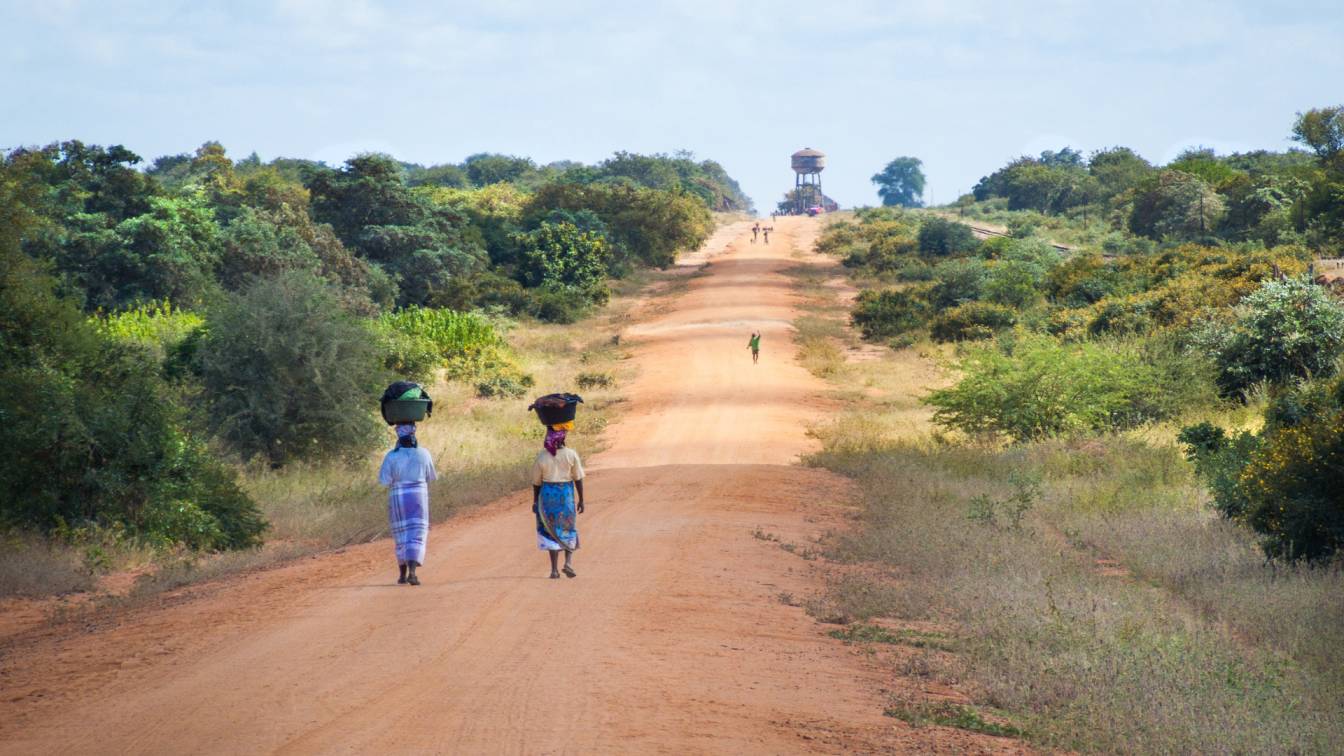

Rural tourism is becoming one of the most powerful tools for transforming communities in Uganda. It connects visitors with village life, local traditions, farming activities, and natural landscapes while creating income opportunities for rural households.
A Rural Tourism Development course prepares students to design, manage, and promote tourism activities in countryside areas in a way that benefits both visitors and local communities.
What is Rural Tourism Development?
Rural tourism development focuses on creating tourism experiences in rural areas such as villages, farms, lakeshores, and community settlements.
It involves:
- Developing community-based tourism projects
- Promoting cultural experiences in villages
- Supporting agro-tourism and farm visits
- Encouraging homestays and local accommodation
- Preserving rural traditions and lifestyles
Unlike urban tourism, rural tourism is deeply connected to community participation and sustainable development.
Why Rural Tourism Matters in Uganda
Uganda is a largely rural country with rich cultural diversity and natural beauty. Many tourism attractions are located near rural communities, especially around national parks and conservation areas.
Rural tourism helps:
1. Create Jobs in Villages
Young people and families can earn income through:
- Guiding tourists
- Cultural performances
- Handicraft production
- Homestay hosting
- Local transport services
2. Reduce Poverty
Tourism income directly reaches households, improving living standards in rural areas.
3. Preserve Culture
Traditional practices, music, dance, and crafts are preserved because they become valuable tourism products.
4. Support Conservation
When communities benefit from tourism, they are more motivated to protect wildlife and natural resources.
What You Learn in a Rural Tourism Development Course
Students studying rural tourism development gain both practical and theoretical knowledge.
Community Tourism Planning
- How to design rural tourism projects
- Community participation methods
- Stakeholder engagement
Cultural Heritage Tourism
- Traditional knowledge systems
- Cultural preservation techniques
- Tourism storytelling and interpretation
Agro-Tourism Development
- Farm tourism planning
- Coffee, tea, and banana plantation tours
- Agricultural experiences for visitors
Sustainable Tourism Practices
- Environmental protection
- Waste management in rural tourism
- Responsible visitor behavior
Tourism Entrepreneurship
- Starting community tourism businesses
- Marketing rural tourism products
- Managing small tourism enterprises
Skills You Gain
A rural tourism development course builds practical skills such as:
- Community mobilization
- Tour guiding and interpretation
- Project management
- Communication skills
- Cultural awareness
- Marketing and storytelling
- Problem-solving
- Entrepreneurship
These skills are especially important for grassroots tourism development.
Career Opportunities in Rural Tourism Development
Graduates can work in many areas that connect tourism with community development.
Community Tourism Coordinator
Helps organize and manage tourism activities in rural areas.
Rural Tour Guide
Leads visitors through villages, farms, and cultural sites.
Cultural Tourism Officer
Promotes traditional heritage and cultural experiences.
Agro-Tourism Entrepreneur
Develops farm-based tourism businesses.
NGO Project Officer
Works with organizations supporting rural tourism and community development.
Tourism Development Officer
Supports government or private sector tourism initiatives.
Where Rural Tourism Professionals Work
Rural tourism experts can find opportunities in:
- Community tourism projects
- National park buffer zones
- NGOs and development agencies
- Tour companies offering cultural tours
- Eco-lodges and homestay programs
- Local government tourism departments
Examples of Rural Tourism in Uganda
Rural tourism is already active in many parts of Uganda:
- Cultural experiences around Bwindi Impenetrable National Park
- Community tourism near Lake Bunyonyi
- Karamoja cultural tourism experiences
- Coffee and banana farm tours in central Uganda
- Fishing village tourism along Lake Victoria
These initiatives show how rural communities can benefit directly from tourism.
Why Rural Tourism is Important for the Future
Rural tourism is growing because travelers today want:
- Authentic cultural experiences
- Interaction with local communities
- Sustainable and responsible travel
- Nature-based tourism experiences
Uganda is well positioned to benefit because most of its tourism attractions are located in or near rural areas.
As tourism continues to expand, rural tourism will play a key role in ensuring that economic benefits reach local communities.
Related Posts

Best Tour Guiding Courses in Uganda
Posted on
Best Tourism Institute in Uganda
Posted on