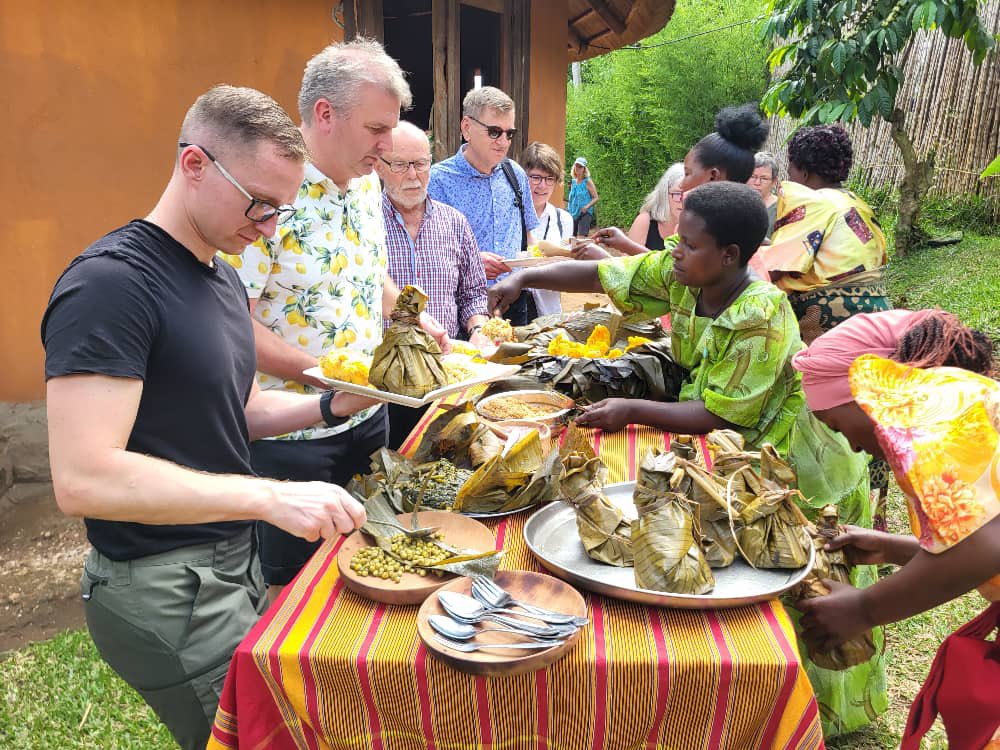

Ugandan food cuisine and food tourism are becoming important drivers of growth within the country’s hospitality and tourism industry. Uganda is blessed with diverse cultures, fertile soils, and a wide variety of traditional foods that attract both local and international visitors. From traditional dishes like matooke, luwombo, millet bread, and groundnut sauce to fresh fish from Lake Victoria, Ugandan cuisine offers a unique cultural experience for tourists.
Food tourism focuses on exploring destinations through food experiences. Visitors travel not only to see wildlife and landscapes but also to taste authentic local dishes, visit markets, and participate in cooking experiences. This creates exciting career opportunities for chefs, tour guides, hospitality professionals, and entrepreneurs.
The Role of Ugandan Cuisine in Tourism Development
Ugandan cuisine plays a vital role in shaping the overall tourism experience. Visitors often remember a destination based on the food they taste and the hospitality they receive. Local dishes provide tourists with a deeper understanding of Uganda’s culture and traditions.
Hotels, lodges, and restaurants across the country increasingly include traditional Ugandan meals on their menus alongside international dishes. This combination enhances guest satisfaction and promotes cultural exchange. As food becomes a central part of tourism, skilled professionals are needed to prepare, present, and promote Ugandan cuisine in attractive and modern ways.
Understanding Food Tourism in Uganda
Food tourism in Uganda involves exploring the country through its culinary traditions. Tourists engage in activities such as visiting local food markets, participating in cooking classes, tasting street food, and dining in traditional settings.
In urban areas like Kampala, visitors can explore vibrant food scenes, including roadside grills, local restaurants, and cultural food festivals. In rural areas, tourists enjoy authentic experiences such as farm visits and community cooking demonstrations where they learn how traditional meals are prepared using local ingredients.
These experiences make food tourism a growing niche within Uganda’s wider tourism industry.
Career Opportunities in Ugandan Food Cuisine and Food Tourism
The growth of food tourism has created many career opportunities for young people in Uganda. One of the most common career paths is becoming a professional chef specializing in local and international cuisine. Hotels, lodges, and restaurants require skilled chefs who can prepare both traditional Ugandan dishes and modern meals for international guests.
Other career opportunities include food tour guides who specialize in culinary experiences. These professionals lead tourists through markets, restaurants, and food festivals while explaining the cultural significance of different dishes.
There are also opportunities in catering services, restaurant management, food photography, food blogging, and culinary entrepreneurship. Many individuals are now starting food-related businesses such as mobile food services, catering companies, and traditional Ugandan restaurants.
Skills Needed for a Career in Food Tourism
A successful career in Ugandan food cuisine and food tourism requires both practical and soft skills. Culinary skills such as food preparation, cooking techniques, and presentation are essential for chefs and kitchen staff.
Communication skills are also very important, especially for food tour guides and hospitality workers who interact directly with tourists. Knowledge of hygiene and food safety standards ensures that food is prepared and served safely.
Creativity is another key skill, especially in food presentation and menu development. Professionals who can creatively combine traditional Ugandan dishes with modern presentation styles are highly valued in the industry.
Training and Education in Culinary Arts and Food Tourism
Proper training is essential for anyone seeking a career in food tourism. Institutions such as Uganda Tourism Institute offer structured programs in culinary arts, hospitality, and food and beverage service.
These programs combine classroom learning with practical kitchen experience, allowing students to develop real-world skills. Learners are trained in food preparation, menu planning, customer service, and kitchen management.
Industrial training in hotels and restaurants also gives students exposure to professional environments, preparing them for employment after graduation.
The Importance of Food Tourism for Uganda’s Economy
Food tourism contributes significantly to Uganda’s economic development by creating jobs, supporting local farmers, and promoting cultural heritage. When tourists consume local food, they support agricultural production and small businesses along the supply chain.
Restaurants and hotels benefit from increased demand for authentic Ugandan dishes, while farmers gain a stable market for their produce. Food tourism also helps promote Uganda as a diverse and culturally rich destination in the global tourism market.
Challenges Facing Food Tourism in Uganda
Despite its growth, food tourism in Uganda faces several challenges. One of the main issues is limited international promotion of Ugandan cuisine. Many tourists are still unfamiliar with traditional Ugandan dishes before arriving in the country.
There is also a shortage of highly trained culinary professionals who specialize in both traditional and modern cuisine presentation. In some areas, infrastructure limitations affect the quality of food tourism experiences.
However, these challenges are being addressed through improved training, increased tourism marketing, and growing interest in cultural tourism experiences.
The Future of Ugandan Food Cuisine and Food Tourism
The future of Ugandan food cuisine and food tourism is very promising. As global travelers continue to seek authentic cultural experiences, Uganda is well positioned to become a leading food tourism destination in Africa.
The rise of social media, food blogs, and travel influencers is helping to showcase Ugandan cuisine to a global audience. More investments in hospitality training and tourism infrastructure will further strengthen this sector.
With continuous development, Uganda’s food tourism industry will create more jobs, support entrepreneurship, and preserve the country’s rich culinary heritage.