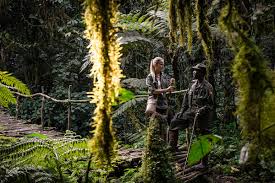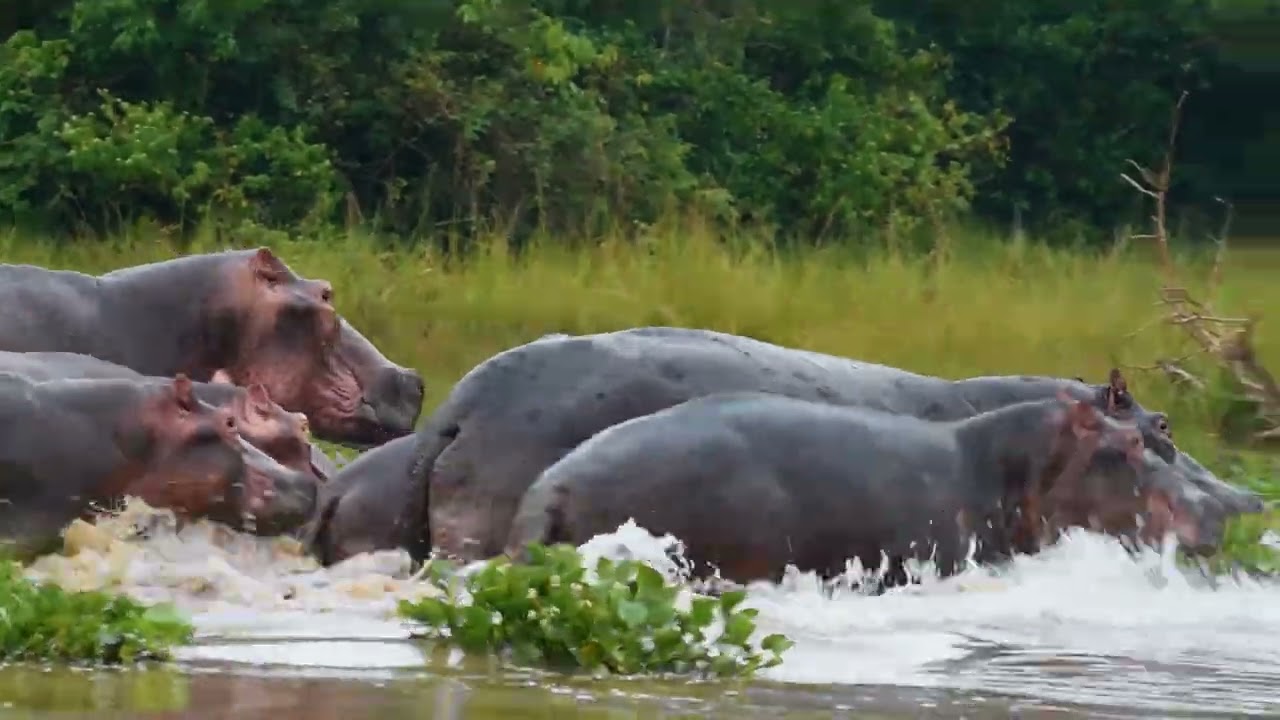

Becoming a Uganda Wildlife Authority (UWA) guide is one of the most respected careers in Uganda’s tourism and conservation sector. UWA guides are responsible for leading tourists in national parks, explaining wildlife behavior, ensuring visitor safety, and supporting conservation efforts. They work in iconic destinations such as Bwindi Impenetrable National Park, Queen Elizabeth National Park, Murchison Falls National Park, and Kidepo Valley National Park.
At Uganda Tourism Institute, students are trained in wildlife management, tour guiding, ecotourism, and conservation skills that form a strong foundation for joining the UWA guiding profession.
Understanding the Role of a UWA Guide
A UWA guide is a trained professional employed or authorized to guide tourists within Uganda’s protected areas. Their main role is to interpret wildlife, lead safari experiences, and ensure that tourists follow park rules.
Guides help visitors understand animal behavior, ecosystems, bird species, and conservation efforts. They also ensure safety during activities like game drives, nature walks, gorilla trekking, and boat cruises.
This role requires strong knowledge of wildlife, communication skills, and a deep passion for conservation.
Why UWA Guides Are Important
UWA guides play a key role in Uganda’s tourism industry because they directly shape the visitor experience. A good guide makes a safari educational, safe, and memorable.
They also support conservation by educating tourists about protecting wildlife and respecting natural habitats. Their work helps reduce human-wildlife conflict and promotes responsible tourism practices.
Without skilled guides, tourism in national parks would not operate effectively.
Educational Requirements for Becoming a UWA Guide
To become a UWA guide, you need relevant training in tourism, wildlife management, conservation, or related fields. A certificate or diploma in tour guiding or wildlife studies is highly recommended.
At Uganda Tourism Institute, learners study wildlife identification, tour guiding techniques, customer care, ecology, and conservation tourism. These subjects prepare students for real-life guiding work in national parks.
Basic education requirements such as O-Level or A-Level may also be required depending on the recruitment or contracting organization.
Skills Needed for UWA Guiding Jobs
UWA guides must have a strong combination of practical and interpersonal skills. Communication skills are very important because guides interact with tourists from different countries and backgrounds.
Knowledge of wildlife behavior, bird species, and ecosystems is essential for interpretation during tours. Physical fitness is also required, especially for nature walks and gorilla trekking activities.
Other important skills include leadership, teamwork, problem-solving, and customer care.
Training and Preparation for UWA Guide Work
Proper training is the foundation for becoming a successful UWA guide. Training programs include wildlife identification, guiding techniques, first aid, conservation principles, and tourism management.
Students also participate in field training in national parks where they gain hands-on experience in real guiding situations. This helps them understand how to work with tourists and manage outdoor environments.
Institutions like Uganda Tourism Institute provide structured training that prepares learners for guiding careers in Uganda’s protected areas.
How UWA Guides Are Recruited
The Uganda Wildlife Authority recruits guides and rangers when there are job openings in different conservation areas. Recruitment is usually announced publicly, and interested candidates are invited to apply.
Applicants submit academic documents, training certificates, and identification. Shortlisted candidates go through interviews, physical fitness tests, and sometimes practical assessments.
Successful candidates then receive further training before being deployed in national parks.
The Role of Guides in National Parks
UWA guides perform different duties depending on the activity and park. During game drives, they help tourists locate and identify animals such as lions, elephants, giraffes, and buffaloes.
In gorilla trekking areas like Bwindi, guides work closely with rangers to lead visitors safely through the forest and explain gorilla behavior.
They also educate tourists about conservation rules and ensure minimal disturbance to wildlife.
Field Experience and Practical Exposure
Field experience is very important for anyone aspiring to become a UWA guide. Working in real park environments helps learners understand wildlife behavior, navigation, and visitor management.
Students often participate in internships and field attachments during their training. This exposure builds confidence and improves guiding skills.
Employers prefer candidates who already have hands-on experience in national parks.
Challenges of Being a UWA Guide
Working as a guide can be physically demanding. Guides often work long hours in outdoor environments with changing weather conditions.
They must also manage diverse tourists and ensure safety during wildlife encounters. In some cases, they work in remote areas with limited facilities.
Despite these challenges, the job is highly rewarding for people passionate about nature and conservation.
Career Growth Opportunities
A career as a UWA guide offers opportunities for growth and specialization. With experience, guides can become senior guides, park interpreters, or conservation education officers.
Some move into wildlife management, park administration, or international conservation roles. Others become private safari guides or work with tourism companies.
Continuous learning and field experience are important for career advancement.
Importance of Conservation Knowledge
UWA guides must understand conservation principles because their work directly supports wildlife protection. They educate tourists about endangered species, habitat preservation, and responsible tourism.
This helps promote awareness and support for Uganda’s conservation efforts. Guides also contribute to data collection and wildlife monitoring in some cases.
Conservation knowledge is therefore a core part of guiding work.
Why Study Tourism and Guiding at Uganda Tourism Institute
Uganda Tourism Institute offers professional training programs designed to prepare students for careers in tourism and conservation. Courses in tour guiding, wildlife management, and ecotourism provide essential skills for working in national parks.
Students receive both classroom instruction and practical field experience. The training emphasizes professionalism, communication, and sustainability.
Graduates are well prepared to join UWA or work with tourism companies operating in Uganda’s national parks.