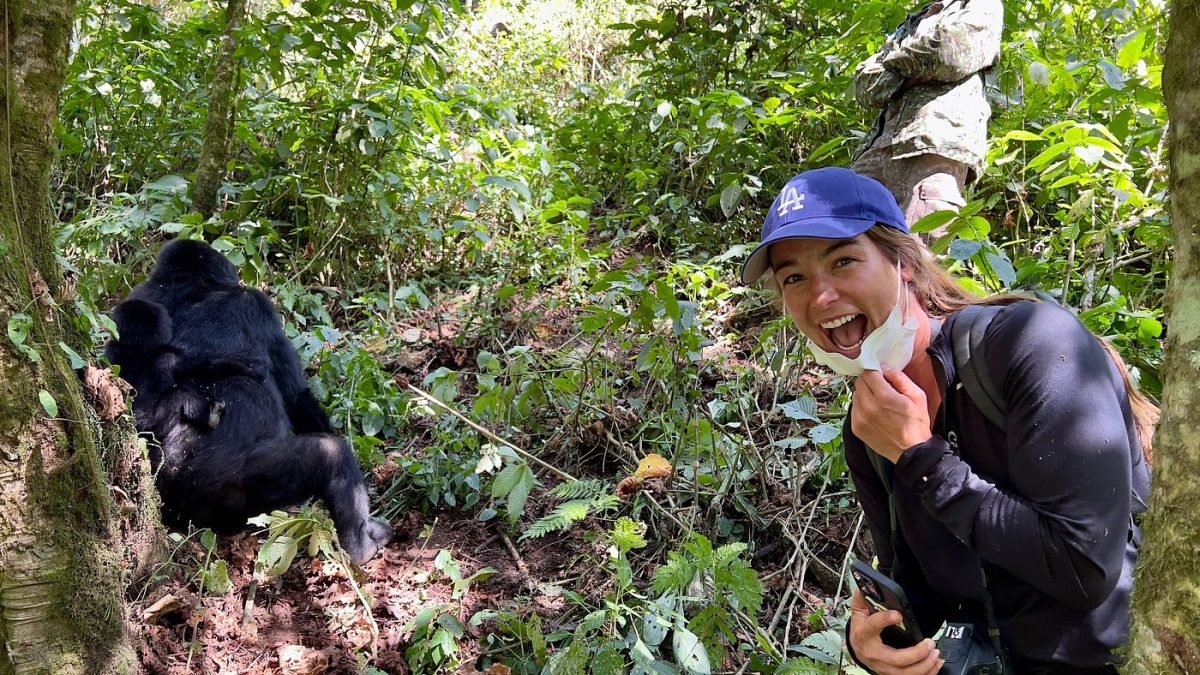

Certificate vs Diploma Course in Tourism. The tourism industry in Uganda is booming, offering exciting career opportunities in wildlife tourism, adventure tourism, cultural tourism, and hospitality management. For aspiring professionals, choosing the right course is crucial to building a successful career. Two of the most popular options are certificate courses and diploma courses in tourism. Each has its own benefits, duration, and career outcomes. Understanding the differences will help you make the best decision for your goals.
At KCI Institute, we offer both certificate and diploma courses in tourism, ensuring that students at different levels and career stages can gain the skills, knowledge, and practical experience needed to succeed.
What is a Certificate Course in Tourism?
A certificate course is a short-term program designed to provide foundational knowledge and practical skills in specific areas of tourism. These courses are ideal for beginners, working professionals, or individuals looking to upgrade their skills quickly.
Key Features of Certificate Courses:
- Duration: Usually a few weeks to a few months.
- Focus: Practical skills and essential knowledge for immediate application.
- Flexibility: Often offered as short-term or part-time courses.
- Cost: More affordable than diploma courses.
- Outcome: Certificate of completion recognized in the tourism industry.
Certificate courses are perfect for those who want to quickly gain entry-level skills in wildlife guiding, adventure tourism, hospitality, or cultural tourism.
What is a Diploma Course in Tourism?
A diploma course is a longer, more comprehensive program that provides in-depth knowledge of the tourism industry, including management, marketing, operations, and sustainable practices. Diploma courses are ideal for individuals aiming for higher-level positions or long-term careers in tourism.
Key Features of Diploma Courses:
- Duration: Typically 6 months to 2 years, depending on the program.
- Focus: Comprehensive understanding of tourism operations, management, and strategy.
- Depth: Includes theoretical knowledge, practical training, and internships.
- Career Outcomes: Prepares graduates for managerial or supervisory roles.
- Recognition: Widely recognized by employers and industry stakeholders.
Diploma courses are suitable for those aiming to become tour operators, safari leaders, hospitality managers, or tourism entrepreneurs.
Key Differences Between Certificate and Diploma Courses
| Feature | Certificate Course | Diploma Course |
|---|---|---|
| Duration | Short-term (weeks to months) | Longer-term (6 months to 2 years) |
| Depth of Study | Focused on practical skills | Comprehensive, including theory and practice |
| Career Level | Entry-level or skill enhancement | Mid to higher-level positions |
| Cost | Affordable | Higher, reflects in-depth training |
| Outcome | Certificate of completion | Diploma recognized by employers |
Choosing between a certificate and diploma depends on your career goals, time availability, and the level of expertise you want to achieve.
When to Choose a Certificate Course
A certificate course is ideal if:
- You are new to tourism and want to explore the industry.
- You need quick, practical skills to start working immediately.
- You are upgrading your knowledge or seeking specialized skills.
- You have limited time or budget but want a recognized qualification.
Certificate courses can also serve as stepping stones toward a diploma in tourism, allowing you to gain experience and confidence before committing to a longer program.
When to Choose a Diploma Course
A diploma course is recommended if:
- You aim for a managerial or leadership role in tourism.
- You want a deep understanding of tourism operations, management, and sustainability.
- You are planning to start your own tourism business.
- You are seeking higher-paying and long-term career opportunities.
Diploma courses provide a solid foundation for career advancement and open doors to more specialized or high-level roles within the industry.
Why Choose KCI Institute for Tourism Training
KCI Institute is Uganda’s leading tourism training provider, offering both certificate and diploma courses designed to meet the needs of aspiring professionals. Advantages of studying at KCI Institute include:
- Expert Trainers: Learn from professionals with years of experience in the tourism industry.
- Practical Training: Field visits, simulations, and internships ensure real-world readiness.
- Flexible Learning Options: Full-time, part-time, short-term, and distance learning options.
- Career Support: Guidance on job placements, entrepreneurship, and professional networking.
- Recognition: Certificates and diplomas recognized by industry employers.
Whether you choose a certificate or diploma, KCI Institute ensures you gain the knowledge, skills, and confidence to succeed in Uganda’s thriving tourism sector.
Both certificate and diploma courses in tourism offer unique advantages depending on your career goals. Certificate courses provide quick, practical skills for entry-level roles, while diploma courses offer in-depth knowledge for managerial and higher-paying positions.
KCI Institute stands out as the premier institution for both types of courses, providing expert instruction, practical experience, and career-focused guidance. No matter your background or ambitions, KCI Institute equips you to thrive in Uganda’s vibrant tourism industry.
Apply now at KCI Institute and take the first step toward a rewarding career in tourism, whether through a certificate or diploma course.