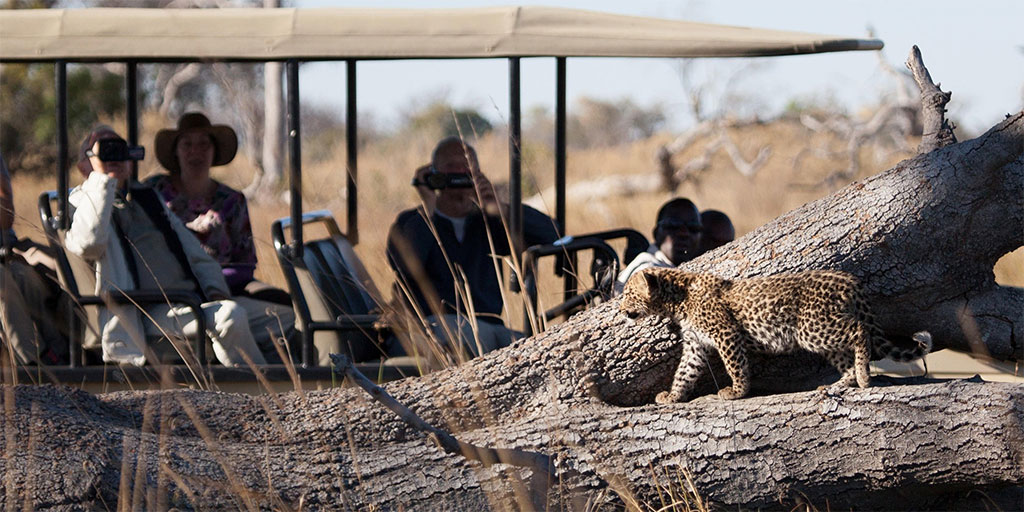

How to start a tourism company in Uganda. Uganda is one of the fastest-growing tourist destinations in East Africa. With breathtaking landscapes, diverse wildlife, and rich cultural heritage, the country attracts travelers from all over the world seeking authentic African experiences. This steady growth in the tourism sector has created excellent opportunities for entrepreneurs.
Starting a tourism company in Uganda is a promising venture, but it requires proper planning, compliance with regulations, and strategic marketing. Whether you are passionate about showcasing Uganda’s gorillas, wildlife safaris, cultural encounters, or adventure tours, this guide will walk you through the step-by-step process of starting a tourism company in Uganda.
Step 1: Research and Develop Your Business Idea
Before setting up a tourism company, conduct thorough research to understand the industry. Uganda’s tourism sector is broad, and your company needs a clear niche. Ask yourself:
- Will you focus on wildlife safaris (gorilla trekking, game drives)?
- Do you want to specialize in cultural tourism (Batwa experiences, Karamojong homestays)?
- Will your company promote adventure tourism (rafting on the Nile, mountain climbing)?
- Do you want to serve budget travelers, luxury tourists, or both?
Defining your area of focus helps you design the right packages, identify your target market, and position your brand effectively.
Step 2: Develop a Business Plan
A solid business plan is essential for guiding your operations and attracting investors or partners. It should include:
- Business overview: Your vision, mission, and objectives.
- Market analysis: Who your target clients are and what they want.
- Services offered: Safari packages, cultural tours, hotel bookings, transport, etc.
- Marketing strategy: How you will attract and retain clients (online presence, social media, partnerships).
- Financial plan: Startup costs, revenue projections, and profitability timeline.
This plan is also necessary when seeking financing from banks or investors.
Step 3: Register Your Business
To operate legally, your tourism company must be registered in Uganda. The process includes:
- Registering your business name with the Uganda Registration Services Bureau (URSB).
- Obtaining a Certificate of Incorporation if you’re setting up a company.
- Registering for a Tax Identification Number (TIN) with the Uganda Revenue Authority (URA).
- Applying for a Tour Operator License from the Uganda Tourism Board (UTB).
The UTB license is a legal requirement for all tour operators in Uganda. It ensures your company meets tourism standards, boosting your credibility with clients.
Step 4: Secure Necessary Licenses and Insurance
Besides the UTB license, you’ll need:
- Operating permits for activities in national parks, issued by the Uganda Wildlife Authority (UWA).
- Vehicle licenses and third-party insurance for safari cars.
- Comprehensive business insurance to cover liabilities, clients, and staff.
Insurance is important in tourism because clients often expect safety assurances, especially for adventure activities.
Step 5: Set Up Your Office and Infrastructure
Your company will need both a physical office and a digital presence.
- Physical office: Even if you start small, an office gives your business credibility. It should be easily accessible to clients and partners.
- Digital presence: A professional website, active social media pages, and online booking systems are crucial for reaching international tourists.
Additionally, you’ll need safari vehicles, communication tools, and reliable staff to handle operations smoothly.
Step 6: Build a Strong Team
Tourism is a people-driven business, and your team will determine the success of your company. Recruit professionals who are:
- Tour guides and driver-guides with knowledge of wildlife, culture, and ecosystems.
- Travel consultants for itinerary planning, bookings, and customer service.
- Digital marketers to manage your online visibility.
- Operations staff to handle logistics.
Consider training your staff in customer care, first aid, and language skills to improve service quality.
Step 7: Design Tour Packages
Your company’s main product is the tour package. To stand out, create packages that are:
- Unique: Combine wildlife safaris with cultural tours, adventure activities, or community visits.
- Affordable: Provide budget, midrange, and luxury options to attract different clients.
- Well-structured: Include accommodation, transport, meals, and activities in your itineraries.
For example, you could design:
- A 3-day gorilla trekking safari in Bwindi.
- A 7-day wildlife and culture safari covering Queen Elizabeth National Park and a Batwa community visit.
- An adventure tour with rafting on the Nile and hiking Mount Elgon.
Step 8: Partner with Key Stakeholders
Collaboration is key in tourism. Build partnerships with:
- Hotels and lodges for accommodation deals.
- Transport providers for reliable vehicle services.
- Cultural groups and communities for authentic experiences.
- Travel agents abroad to send clients your way.
Strong networks enhance service delivery and help your company gain trust in the industry.
Step 9: Market Your Tourism Company
Marketing is the backbone of a successful tourism business. Use multiple strategies, including:
- Website and SEO – Create a professional website with optimized content so international tourists can find you on Google.
- Social Media Marketing – Use platforms like Facebook, Instagram, and TikTok to share safari photos, videos, and client testimonials.
- Email Marketing – Send newsletters to past and potential clients with special offers and new packages.
- Partnerships with Online Travel Agencies – Platforms like TripAdvisor and SafariBookings can give you global exposure.
- Tourism Fairs and Exhibitions – Attend expos like Pearl of Africa Tourism Expo (POATE) to network with global stakeholders.
Word-of-mouth is also powerful—delivering excellent services will encourage satisfied clients to recommend your company.
Step 10: Focus on Sustainability
Modern travelers are increasingly conscious of sustainable tourism. Show your company’s commitment by:
- Promoting eco-friendly practices (no plastic, use renewable energy).
- Supporting community tourism initiatives.
- Hiring and empowering local staff.
- Conserving wildlife and natural resources.
This not only protects Uganda’s heritage but also attracts eco-conscious tourists.
Step 11: Deliver Exceptional Customer Service
In tourism, reputation is everything. To build a strong brand:
- Respond quickly to client inquiries.
- Provide clear and transparent pricing.
- Deliver what you promise in your packages.
- Go the extra mile to create unforgettable experiences.
Happy clients often leave positive reviews online, boosting your credibility and attracting more customers.
Challenges to Expect
Starting a tourism company in Uganda comes with challenges such as:
- High competition from established operators.
- Seasonal demand, with peaks during June–September and December.
- Unpredictable factors like global travel restrictions or political instability.
However, with creativity, quality service, and resilience, you can overcome these challenges.
Starting a tourism company in Uganda is both exciting and rewarding. The country’s natural beauty, rich culture, and growing demand for safaris provide a strong foundation for success. By conducting research, registering legally, creating unique packages, and marketing effectively, you can establish a thriving tourism business.
The key to long-term growth lies in professionalism, sustainability, and customer satisfaction. If you’re passionate about travel and committed to showcasing the Pearl of Africa, then now is the perfect time to take the leap into Uganda’s tourism industry.
Related Posts
Tourism and Hospitality Management
Posted on
Certificate in Tour Guiding
Posted on