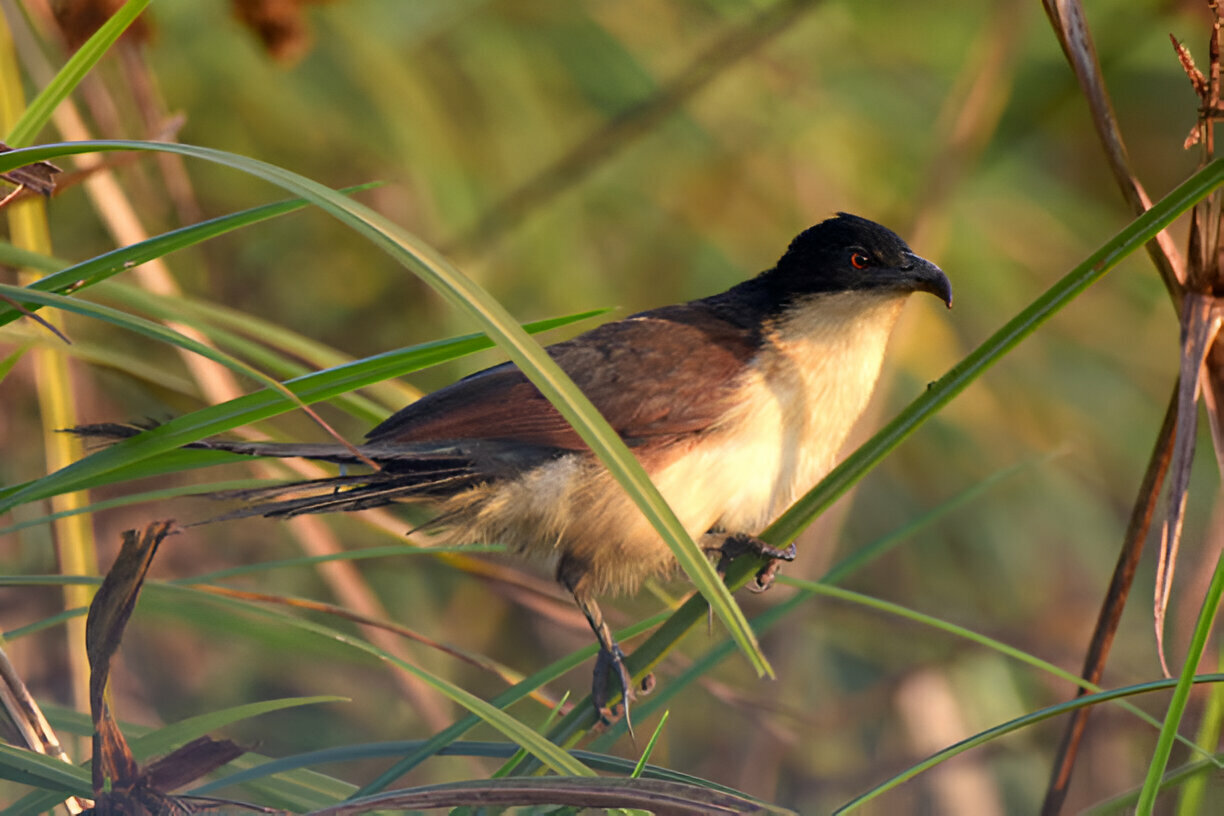

Bird watching (birding) is one of the fastest-growing niche tourism activities in Uganda, often called the “Pearl of Africa” because it hosts over 1,000 bird species. This makes bird guide training a strong career path for anyone interested in wildlife, conservation, and tourism.
Becoming a birding guide requires specialized training, field experience, and strong identification skills.
🐦 What is Bird Watching Tour Guide Training?
Bird watching tour guide training prepares you to:
- Identify bird species by sight and sound
- Lead birding tours in forests, wetlands, and national parks
- Interpret bird behavior and habitats
- Communicate information to tourists and researchers
- Promote conservation and eco-tourism
It is a specialized branch of wildlife guiding focused mainly on birds and ecosystems.
🌍 Why Bird Guiding is Important in Uganda
Uganda is one of Africa’s top birding destinations with habitats like:
- Wetlands (e.g., Mabamba Swamp for shoebill tracking)
- Tropical forests like Bwindi Impenetrable National Park
- Savannah parks like Queen Elizabeth National Park
- Mountain ecosystems like the Rwenzori ranges
Bird guides help tourists experience this diversity safely and meaningfully.
🎓 Where to Train as a Bird Guide in Uganda
Several institutions and organizations offer bird guide training:
🏫 1. Tourism and Field Guiding Institutes
Some accredited tourism training schools offer bird guiding modules such as:
- Bird Guide Training (Level 1–3)
- Nature Guide Courses
- Tour Guiding Certificates with birding specialization
Example institutions include tourism and field guiding institutes in Kampala and Nakawa areas.
🐦 2. Birding Associations and Clubs
Uganda also has strong birding communities that offer informal and practical training:
- Uganda Bird Guides Club
- Entebbe Birding Club
- Local birding associations and conservation groups
These groups focus on field experience, species identification, and mentorship.
🌿 3. Birding Safari Companies (On-the-job Training)
Many birding companies train guides through fieldwork, such as:
- Birding safari operators
- Eco-tour companies
- Conservation tourism organizations
Trainees learn directly in the field while guiding tourists.
📚 What You Learn in Bird Guide Training
A good bird guiding course includes:
🐤 Bird Identification Skills
- Recognizing over 300–500 bird species
- Identifying birds by plumage, shape, and behavior
- Learning bird calls and songs
🌳 Habitat Knowledge
- Wetland birds
- Forest birds
- Savannah birds
- Endemic species
🧭 Field Guiding Skills
- Leading birding groups
- Using binoculars and field guides
- Route planning in birding areas
🗣️ Communication Skills
- Explaining bird behavior to tourists
- Storytelling and interpretation
- Customer care skills
🌍 Conservation Awareness
- Protecting habitats
- Eco-tourism principles
- Human impact on bird populations
🧠 Levels of Bird Guide Training
Bird guiding training is often structured in levels:
🟢 Level 1 (Beginner)
- Identify common bird species
- Basic communication with tourists
- Understand habitats
🔵 Level 2 (Intermediate)
- Identify 70%+ of species in an area
- Understand bird behavior and calls
- Requires first aid training
- Able to guide small groups
🔴 Level 3 (Advanced)
- Design birding itineraries
- Lead professional birding safaris
- Conduct research or training
- Work as senior birding guide or consultant
🧳 Skills You Must Have
To succeed as a bird guide in Uganda, you need:
- Excellent eyesight and observation skills
- Patience (birding requires time and silence)
- Good memory for species names
- Strong communication skills
- Physical fitness for forest and wetland walks
- Passion for nature and conservation
💼 Career Opportunities After Training
After completing bird guide training, you can work as:
- Bird watching tour guide
- Wildlife safari guide with birding specialization
- Eco-tourism guide
- Nature interpreter
- Conservation assistant
- Freelance birding guide
You can also work with safari companies like Kenlink Tours or Home To Africa Tours and Travel, which include birding tours in Uganda and East Africa.
💰 Income Potential
Bird guides in Uganda can earn depending on experience:
- Beginner guides: 30,000 – 80,000 UGX per day
- Experienced guides: 100,000 – 250,000 UGX per day
- Specialist birding guides: higher rates for international tours
Birding guides often earn more when working with international birdwatchers.
🌱 Why Bird Guiding is a Good Career
- High demand from international tourists
- Opportunities to travel across Uganda
- Involves working in nature (not office-based)
- Promotes conservation and environmental protection
- Can grow into a long-term tourism career
⚠️ Challenges in Bird Guiding
Bird watching (birding) is one of the fastest-growing niche tourism activities in Uganda, often called the “Pearl of Africa” because it hosts over 1,000 bird species. This makes bird guide training a strong career path for anyone interested in wildlife, conservation, and tourism.
Becoming a birding guide requires specialized training, field experience, and strong identification skills.
🐦 What is Bird Watching Tour Guide Training?
Bird watching tour guide training prepares you to:
- Identify bird species by sight and sound
- Lead birding tours in forests, wetlands, and national parks
- Interpret bird behavior and habitats
- Communicate information to tourists and researchers
- Promote conservation and eco-tourism
It is a specialized branch of wildlife guiding focused mainly on birds and ecosystems.
🌍 Why Bird Guiding is Important in Uganda
Uganda is one of Africa’s top birding destinations with habitats like:
- Wetlands (e.g., Mabamba Swamp for shoebill tracking)
- Tropical forests like Bwindi Impenetrable National Park
- Savannah parks like Queen Elizabeth National Park
- Mountain ecosystems like the Rwenzori ranges
Bird guides help tourists experience this diversity safely and meaningfully.
🎓 Where to Train as a Bird Guide in Uganda
Several institutions and organizations offer bird guide training:
🏫 1. Tourism and Field Guiding Institutes
Some accredited tourism training schools offer bird guiding modules such as:
- Bird Guide Training (Level 1–3)
- Nature Guide Courses
- Tour Guiding Certificates with birding specialization
Example institutions include tourism and field guiding institutes in Kampala and Nakawa areas.
🐦 2. Birding Associations and Clubs
Uganda also has strong birding communities that offer informal and practical training:
- Uganda Bird Guides Club
- Entebbe Birding Club
- Local birding associations and conservation groups
These groups focus on field experience, species identification, and mentorship.
🌿 3. Birding Safari Companies (On-the-job Training)
Many birding companies train guides through fieldwork, such as:
- Birding safari operators
- Eco-tour companies
- Conservation tourism organizations
Trainees learn directly in the field while guiding tourists.
📚 What You Learn in Bird Guide Training
A good bird guiding course includes:
🐤 Bird Identification Skills
- Recognizing over 300–500 bird species
- Identifying birds by plumage, shape, and behavior
- Learning bird calls and songs
🌳 Habitat Knowledge
- Wetland birds
- Forest birds
- Savannah birds
- Endemic species
🧭 Field Guiding Skills
- Leading birding groups
- Using binoculars and field guides
- Route planning in birding areas
🗣️ Communication Skills
- Explaining bird behavior to tourists
- Storytelling and interpretation
- Customer care skills
🌍 Conservation Awareness
- Protecting habitats
- Eco-tourism principles
- Human impact on bird populations
🧠 Levels of Bird Guide Training
Bird guiding training is often structured in levels:
🟢 Level 1 (Beginner)
- Identify common bird species
- Basic communication with tourists
- Understand habitats
🔵 Level 2 (Intermediate)
- Identify 70%+ of species in an area
- Understand bird behavior and calls
- Requires first aid training
- Able to guide small groups
🔴 Level 3 (Advanced)
- Design birding itineraries
- Lead professional birding safaris
- Conduct research or training
- Work as senior birding guide or consultant
🧳 Skills You Must Have
To succeed as a bird guide in Uganda, you need:
- Excellent eyesight and observation skills
- Patience (birding requires time and silence)
- Good memory for species names
- Strong communication skills
- Physical fitness for forest and wetland walks
- Passion for nature and conservation
💼 Career Opportunities After Training
After completing bird guide training, you can work as:
- Bird watching tour guide
- Wildlife safari guide with birding specialization
- Eco-tourism guide
- Nature interpreter
- Conservation assistant
- Freelance birding guide
You can also work with safari companies like Kenlink Tours or Home To Africa Tours and Travel, which include birding tours in Uganda and East Africa.
💰 Income Potential
Bird guides in Uganda can earn depending on experience:
- Beginner guides: 30,000 – 80,000 UGX per day
- Experienced guides: 100,000 – 250,000 UGX per day
- Specialist birding guides: higher rates for international tours
Birding guides often earn more when working with international birdwatchers.
🌱 Why Bird Guiding is a Good Career
- High demand from international tourists
- Opportunities to travel across Uganda
- Involves working in nature (not office-based)
- Promotes conservation and environmental protection
- Can grow into a long-term tourism career
⚠️ Challenges in Bird Guiding
Bird watching (birding) is one of the fastest-growing niche tourism activities in Uganda, often called the “Pearl of Africa” because it hosts over 1,000 bird species. This makes bird guide training a strong career path for anyone interested in wildlife, conservation, and tourism.
Becoming a birding guide requires specialized training, field experience, and strong identification skills.
🐦 What is Bird Watching Tour Guide Training?
Bird watching tour guide training prepares you to:
- Identify bird species by sight and sound
- Lead birding tours in forests, wetlands, and national parks
- Interpret bird behavior and habitats
- Communicate information to tourists and researchers
- Promote conservation and eco-tourism
It is a specialized branch of wildlife guiding focused mainly on birds and ecosystems.
🌍 Why Bird Guiding is Important in Uganda
Uganda is one of Africa’s top birding destinations with habitats like:
- Wetlands (e.g., Mabamba Swamp for shoebill tracking)
- Tropical forests like Bwindi Impenetrable National Park
- Savannah parks like Queen Elizabeth National Park
- Mountain ecosystems like the Rwenzori ranges
Bird guides help tourists experience this diversity safely and meaningfully.
🎓 Where to Train as a Bird Guide in Uganda
Several institutions and organizations offer bird guide training:
🏫 1. Tourism and Field Guiding Institutes
Some accredited tourism training schools offer bird guiding modules such as:
- Bird Guide Training (Level 1–3)
- Nature Guide Courses
- Tour Guiding Certificates with birding specialization
Example institutions include tourism and field guiding institutes in Kampala and Nakawa areas.
🐦 2. Birding Associations and Clubs
Uganda also has strong birding communities that offer informal and practical training:
- Uganda Bird Guides Club
- Entebbe Birding Club
- Local birding associations and conservation groups
These groups focus on field experience, species identification, and mentorship.
🌿 3. Birding Safari Companies (On-the-job Training)
Many birding companies train guides through fieldwork, such as:
- Birding safari operators
- Eco-tour companies
- Conservation tourism organizations
Trainees learn directly in the field while guiding tourists.
📚 What You Learn in Bird Guide Training
A good bird guiding course includes:
🐤 Bird Identification Skills
- Recognizing over 300–500 bird species
- Identifying birds by plumage, shape, and behavior
- Learning bird calls and songs
🌳 Habitat Knowledge
- Wetland birds
- Forest birds
- Savannah birds
- Endemic species
🧭 Field Guiding Skills
- Leading birding groups
- Using binoculars and field guides
- Route planning in birding areas
🗣️ Communication Skills
- Explaining bird behavior to tourists
- Storytelling and interpretation
- Customer care skills
🌍 Conservation Awareness
- Protecting habitats
- Eco-tourism principles
- Human impact on bird populations
🧠 Levels of Bird Guide Training
Bird guiding training is often structured in levels:
🟢 Level 1 (Beginner)
- Identify common bird species
- Basic communication with tourists
- Understand habitats
🔵 Level 2 (Intermediate)
- Identify 70%+ of species in an area
- Understand bird behavior and calls
- Requires first aid training
- Able to guide small groups
🔴 Level 3 (Advanced)
- Design birding itineraries
- Lead professional birding safaris
- Conduct research or training
- Work as senior birding guide or consultant
🧳 Skills You Must Have
To succeed as a bird guide in Uganda, you need:
- Excellent eyesight and observation skills
- Patience (birding requires time and silence)
- Good memory for species names
- Strong communication skills
- Physical fitness for forest and wetland walks
- Passion for nature and conservation
💼 Career Opportunities After Training
After completing bird guide training, you can work as:
- Bird watching tour guide
- Wildlife safari guide with birding specialization
- Eco-tourism guide
- Nature interpreter
- Conservation assistant
- Freelance birding guide
You can also work with safari companies like Kenlink Tours or Home To Africa Tours and Travel, which include birding tours in Uganda and East Africa.
💰 Income Potential
Bird guides in Uganda can earn depending on experience:
- Beginner guides: 30,000 – 80,000 UGX per day
- Experienced guides: 100,000 – 250,000 UGX per day
- Specialist birding guides: higher rates for international tours
Birding guides often earn more when working with international birdwatchers.
🌱 Why Bird Guiding is a Good Career
- High demand from international tourists
- Opportunities to travel across Uganda
- Involves working in nature (not office-based)
- Promotes conservation and environmental protection
- Can grow into a long-term tourism career
⚠️ Challenges in Bird Guiding
Bird watching (birding) is one of the fastest-growing niche tourism activities in Uganda, often called the “Pearl of Africa” because it hosts over 1,000 bird species. This makes bird guide training a strong career path for anyone interested in wildlife, conservation, and tourism.
Becoming a birding guide requires specialized training, field experience, and strong identification skills.
🐦 What is Bird Watching Tour Guide Training?
Bird watching tour guide training prepares you to:
- Identify bird species by sight and sound
- Lead birding tours in forests, wetlands, and national parks
- Interpret bird behavior and habitats
- Communicate information to tourists and researchers
- Promote conservation and eco-tourism
It is a specialized branch of wildlife guiding focused mainly on birds and ecosystems.
🌍 Why Bird Guiding is Important in Uganda
Uganda is one of Africa’s top birding destinations with habitats like:
- Wetlands (e.g., Mabamba Swamp for shoebill tracking)
- Tropical forests like Bwindi Impenetrable National Park
- Savannah parks like Queen Elizabeth National Park
- Mountain ecosystems like the Rwenzori ranges
Bird guides help tourists experience this diversity safely and meaningfully.
🎓 Where to Train as a Bird Guide in Uganda
Several institutions and organizations offer bird guide training:
🏫 1. Tourism and Field Guiding Institutes
Some accredited tourism training schools offer bird guiding modules such as:
- Bird Guide Training (Level 1–3)
- Nature Guide Courses
- Tour Guiding Certificates with birding specialization
Example institutions include tourism and field guiding institutes in Kampala and Nakawa areas.
🐦 2. Birding Associations and Clubs
Uganda also has strong birding communities that offer informal and practical training:
- Uganda Bird Guides Club
- Entebbe Birding Club
- Local birding associations and conservation groups
These groups focus on field experience, species identification, and mentorship.
🌿 3. Birding Safari Companies (On-the-job Training)
Many birding companies train guides through fieldwork, such as:
- Birding safari operators
- Eco-tour companies
- Conservation tourism organizations
Trainees learn directly in the field while guiding tourists.
📚 What You Learn in Bird Guide Training
A good bird guiding course includes:
🐤 Bird Identification Skills
- Recognizing over 300–500 bird species
- Identifying birds by plumage, shape, and behavior
- Learning bird calls and songs
🌳 Habitat Knowledge
- Wetland birds
- Forest birds
- Savannah birds
- Endemic species
🧭 Field Guiding Skills
- Leading birding groups
- Using binoculars and field guides
- Route planning in birding areas
🗣️ Communication Skills
- Explaining bird behavior to tourists
- Storytelling and interpretation
- Customer care skills
🌍 Conservation Awareness
- Protecting habitats
- Eco-tourism principles
- Human impact on bird populations
🧠 Levels of Bird Guide Training
Bird guiding training is often structured in levels:
🟢 Level 1 (Beginner)
- Identify common bird species
- Basic communication with tourists
- Understand habitats
🔵 Level 2 (Intermediate)
- Identify 70%+ of species in an area
- Understand bird behavior and calls
- Requires first aid training
- Able to guide small groups
🔴 Level 3 (Advanced)
- Design birding itineraries
- Lead professional birding safaris
- Conduct research or training
- Work as senior birding guide or consultant
🧳 Skills You Must Have
To succeed as a bird guide in Uganda, you need:
- Excellent eyesight and observation skills
- Patience (birding requires time and silence)
- Good memory for species names
- Strong communication skills
- Physical fitness for forest and wetland walks
- Passion for nature and conservation
💼 Career Opportunities After Training
After completing bird guide training, you can work as:
- Bird watching tour guide
- Wildlife safari guide with birding specialization
- Eco-tourism guide
- Nature interpreter
- Conservation assistant
- Freelance birding guide
You can also work with safari companies like Kenlink Tours or Home To Africa Tours and Travel, which include birding tours in Uganda and East Africa.
💰 Income Potential
Bird guides in Uganda can earn depending on experience:
- Beginner guides: 30,000 – 80,000 UGX per day
- Experienced guides: 100,000 – 250,000 UGX per day
- Specialist birding guides: higher rates for international tours
Birding guides often earn more when working with international birdwatchers.
🌱 Why Bird Guiding is a Good Career
- High demand from international tourists
- Opportunities to travel across Uganda
- Involves working in nature (not office-based)
- Promotes conservation and environmental protection
- Can grow into a long-term tourism career
⚠️ Challenges in Bird Guiding
Bird watching (birding) is one of the fastest-growing niche tourism activities in Uganda, often called the “Pearl of Africa” because it hosts over 1,000 bird species. This makes bird guide training a strong career path for anyone interested in wildlife, conservation, and tourism.
Becoming a birding guide requires specialized training, field experience, and strong identification skills.
🐦 What is Bird Watching Tour Guide Training?
Bird watching tour guide training prepares you to:
- Identify bird species by sight and sound
- Lead birding tours in forests, wetlands, and national parks
- Interpret bird behavior and habitats
- Communicate information to tourists and researchers
- Promote conservation and eco-tourism
It is a specialized branch of wildlife guiding focused mainly on birds and ecosystems.
🌍 Why Bird Guiding is Important in Uganda
Uganda is one of Africa’s top birding destinations with habitats like:
- Wetlands (e.g., Mabamba Swamp for shoebill tracking)
- Tropical forests like Bwindi Impenetrable National Park
- Savannah parks like Queen Elizabeth National Park
- Mountain ecosystems like the Rwenzori ranges
Bird guides help tourists experience this diversity safely and meaningfully.
🎓 Where to Train as a Bird Guide in Uganda
Several institutions and organizations offer bird guide training:
🏫 1. Tourism and Field Guiding Institutes
Some accredited tourism training schools offer bird guiding modules such as:
- Bird Guide Training (Level 1–3)
- Nature Guide Courses
- Tour Guiding Certificates with birding specialization
Example institutions include tourism and field guiding institutes in Kampala and Nakawa areas.
🐦 2. Birding Associations and Clubs
Uganda also has strong birding communities that offer informal and practical training:
- Uganda Bird Guides Club
- Entebbe Birding Club
- Local birding associations and conservation groups
These groups focus on field experience, species identification, and mentorship.
🌿 3. Birding Safari Companies (On-the-job Training)
Many birding companies train guides through fieldwork, such as:
- Birding safari operators
- Eco-tour companies
- Conservation tourism organizations
Trainees learn directly in the field while guiding tourists.
📚 What You Learn in Bird Guide Training
A good bird guiding course includes:
🐤 Bird Identification Skills
- Recognizing over 300–500 bird species
- Identifying birds by plumage, shape, and behavior
- Learning bird calls and songs
🌳 Habitat Knowledge
- Wetland birds
- Forest birds
- Savannah birds
- Endemic species
🧭 Field Guiding Skills
- Leading birding groups
- Using binoculars and field guides
- Route planning in birding areas
🗣️ Communication Skills
- Explaining bird behavior to tourists
- Storytelling and interpretation
- Customer care skills
🌍 Conservation Awareness
- Protecting habitats
- Eco-tourism principles
- Human impact on bird populations
🧠 Levels of Bird Guide Training
Bird guiding training is often structured in levels:
🟢 Level 1 (Beginner)
- Identify common bird species
- Basic communication with tourists
- Understand habitats
🔵 Level 2 (Intermediate)
- Identify 70%+ of species in an area
- Understand bird behavior and calls
- Requires first aid training
- Able to guide small groups
🔴 Level 3 (Advanced)
- Design birding itineraries
- Lead professional birding safaris
- Conduct research or training
- Work as senior birding guide or consultant
🧳 Skills You Must Have
To succeed as a bird guide in Uganda, you need:
- Excellent eyesight and observation skills
- Patience (birding requires time and silence)
- Good memory for species names
- Strong communication skills
- Physical fitness for forest and wetland walks
- Passion for nature and conservation
💼 Career Opportunities After Training
After completing bird guide training, you can work as:
- Bird watching tour guide
- Wildlife safari guide with birding specialization
- Eco-tourism guide
- Nature interpreter
- Conservation assistant
- Freelance birding guide
You can also work with safari companies like Kenlink Tours or Home To Africa Tours and Travel, which include birding tours in Uganda and East Africa.
💰 Income Potential
Bird guides in Uganda can earn depending on experience:
- Beginner guides: 30,000 – 80,000 UGX per day
- Experienced guides: 100,000 – 250,000 UGX per day
- Specialist birding guides: higher rates for international tours
Birding guides often earn more when working with international birdwatchers.
🌱 Why Bird Guiding is a Good Career
- High demand from international tourists
- Opportunities to travel across Uganda
- Involves working in nature (not office-based)
- Promotes conservation and environmental protection
- Can grow into a long-term tourism career
⚠️ Challenges in Bird Guiding
Bird watching (birding) is one of the fastest-growing niche tourism activities in Uganda, often called the “Pearl of Africa” because it hosts over 1,000 bird species. This makes bird guide training a strong career path for anyone interested in wildlife, conservation, and tourism.
Becoming a birding guide requires specialized training, field experience, and strong identification skills.
🐦 What is Bird Watching Tour Guide Training?
Bird watching tour guide training prepares you to:
- Identify bird species by sight and sound
- Lead birding tours in forests, wetlands, and national parks
- Interpret bird behavior and habitats
- Communicate information to tourists and researchers
- Promote conservation and eco-tourism
It is a specialized branch of wildlife guiding focused mainly on birds and ecosystems.
🌍 Why Bird Guiding is Important in Uganda
Uganda is one of Africa’s top birding destinations with habitats like:
- Wetlands (e.g., Mabamba Swamp for shoebill tracking)
- Tropical forests like Bwindi Impenetrable National Park
- Savannah parks like Queen Elizabeth National Park
- Mountain ecosystems like the Rwenzori ranges
Bird guides help tourists experience this diversity safely and meaningfully.
🎓 Where to Train as a Bird Guide in Uganda
Several institutions and organizations offer bird guide training:
🏫 1. Tourism and Field Guiding Institutes
Some accredited tourism training schools offer bird guiding modules such as:
- Bird Guide Training (Level 1–3)
- Nature Guide Courses
- Tour Guiding Certificates with birding specialization
Example institutions include tourism and field guiding institutes in Kampala and Nakawa areas.
🐦 2. Birding Associations and Clubs
Uganda also has strong birding communities that offer informal and practical training:
- Uganda Bird Guides Club
- Entebbe Birding Club
- Local birding associations and conservation groups
These groups focus on field experience, species identification, and mentorship.
🌿 3. Birding Safari Companies (On-the-job Training)
Many birding companies train guides through fieldwork, such as:
- Birding safari operators
- Eco-tour companies
- Conservation tourism organizations
Trainees learn directly in the field while guiding tourists.
📚 What You Learn in Bird Guide Training
A good bird guiding course includes:
🐤 Bird Identification Skills
- Recognizing over 300–500 bird species
- Identifying birds by plumage, shape, and behavior
- Learning bird calls and songs
🌳 Habitat Knowledge
- Wetland birds
- Forest birds
- Savannah birds
- Endemic species
🧭 Field Guiding Skills
- Leading birding groups
- Using binoculars and field guides
- Route planning in birding areas
🗣️ Communication Skills
- Explaining bird behavior to tourists
- Storytelling and interpretation
- Customer care skills
🌍 Conservation Awareness
- Protecting habitats
- Eco-tourism principles
- Human impact on bird populations
🧠 Levels of Bird Guide Training
Bird guiding training is often structured in levels:
🟢 Level 1 (Beginner)
- Identify common bird species
- Basic communication with tourists
- Understand habitats
🔵 Level 2 (Intermediate)
- Identify 70%+ of species in an area
- Understand bird behavior and calls
- Requires first aid training
- Able to guide small groups
🔴 Level 3 (Advanced)
- Design birding itineraries
- Lead professional birding safaris
- Conduct research or training
- Work as senior birding guide or consultant
🧳 Skills You Must Have
To succeed as a bird guide in Uganda, you need:
- Excellent eyesight and observation skills
- Patience (birding requires time and silence)
- Good memory for species names
- Strong communication skills
- Physical fitness for forest and wetland walks
- Passion for nature and conservation
💼 Career Opportunities After Training
After completing bird guide training, you can work as:
- Bird watching tour guide
- Wildlife safari guide with birding specialization
- Eco-tourism guide
- Nature interpreter
- Conservation assistant
- Freelance birding guide
You can also work with safari companies like Kenlink Tours or Home To Africa Tours and Travel, which include birding tours in Uganda and East Africa.
💰 Income Potential
Bird guides in Uganda can earn depending on experience:
- Beginner guides: 30,000 – 80,000 UGX per day
- Experienced guides: 100,000 – 250,000 UGX per day
- Specialist birding guides: higher rates for international tours
Birding guides often earn more when working with international birdwatchers.
🌱 Why Bird Guiding is a Good Career
- High demand from international tourists
- Opportunities to travel across Uganda
- Involves working in nature (not office-based)
- Promotes conservation and environmental protection
- Can grow into a long-term tourism career
⚠️ Challenges in Bird Guiding
- Requires patience and long hours in the field
- Early morning and remote location work
- Continuous learning needed for new species
- Weather conditions can be difficult