
Tourism Jobs in Uganda. Uganda’s tourism industry is growing, and with it comes a wide range of exciting career opportunities. From guiding travellers to see mountain gorillas in Bwindi to welcoming guests at a luxury safari lodge, planning tours in a Kampala office or protecting wildlife as a ranger, tourism jobs in Uganda offer meaningful work, the chance to meet people from around the world and a career built around the country’s natural beauty and rich culture.
At Uganda Tourism Institute, we train young Ugandans and international students for successful careers in tourism and hospitality. In this guide, we explain the main types of tourism jobs available in Uganda, who employs tourism workers, the skills and qualifications employers look for, how to get your first job, and how to grow your career over time. Whether you have just finished secondary school, are changing careers or want to upgrade your skills, this guide will help you plan your path.
Why Choose a Career in Uganda’s Tourism Industry?
Tourism is one of Uganda’s leading sources of foreign exchange and a major employer, supporting jobs in hotels, lodges, tour companies, transport, national parks, restaurants, crafts and many related businesses. Known as the Pearl of Africa, Uganda attracts visitors with its mountain gorillas, chimpanzees, savannah wildlife, the source of the Nile, snow-capped Rwenzori Mountains and diverse cultures.
As more travellers discover Uganda, demand is rising for skilled professionals who can deliver excellent service. Employers are looking for people who are well trained, confident, knowledgeable and passionate about sharing their country with visitors. That creates real opportunities for those who invest in good training.
A tourism career also offers variety. Few industries let you work outdoors in national parks, travel across the country, use foreign languages, meet guests from every continent and grow into management or business ownership. It is also a career where your personality, communication skills and dedication matter just as much as your academic grades. If you are still deciding where to study, read why Uganda is one of the best countries to study tourism courses.
Top Tourism Jobs in Uganda
Tourism covers many different roles. Here are some of the most popular and in-demand tourism jobs in Uganda.
1. Tour Guide and Safari Guide
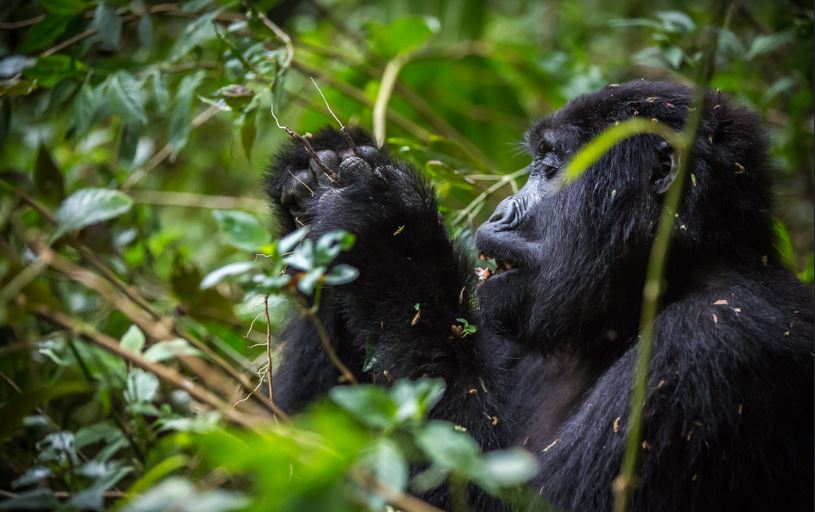
Tour guides lead visitors through national parks, cultural sites, cities and natural attractions, sharing knowledge about wildlife, birds, history and local culture. Safari guides in Uganda often specialise in game drives, gorilla and chimpanzee trekking, birdwatching or nature walks. A great guide combines expert knowledge with excellent communication, storytelling and people skills.
Many guides start with a certificate or diploma in tour guiding and then build experience with tour operators. Learn more in our guides to the best tour guiding courses in Uganda and how to become a good tour guide.
2. Driver-Guide
Driver-guides are one of the most common and valued roles in Uganda’s safari industry. They drive tourists across the country in 4×4 safari vehicles while also acting as guides, interpreters and problem-solvers. This job requires a valid driving licence, safe driving skills on rough roads, vehicle knowledge, and strong guiding and customer service abilities.
Tour companies with large fleets, such as those offering safari car hire in Uganda, regularly need reliable driver-guides. Read our step-by-step guide on how to become a tour driver in Uganda.
3. Tour Consultant and Travel Agent
Tour consultants design itineraries, respond to client enquiries, prepare quotations, book accommodation, permits and transport, and manage trips from the office. Travel agents also handle flights, visas and travel insurance. These roles require strong computer skills, geography and destination knowledge, attention to detail and excellent written communication, especially in English and other international languages.
Tour companies such as Kenlink Tours rely on skilled consultants to plan trips like their Uganda safari packages, making this a great entry point for organised, detail-focused people.
4. Hotel and Lodge Jobs
Hotels and safari lodges employ large teams across several departments:
- Front office: Receptionists, reservations agents, guest relations officers and concierges
- Housekeeping: Room attendants, laundry staff and housekeeping supervisors
- Food and beverage: Waiters, bartenders, baristas and restaurant supervisors
- Kitchen: Chefs, cooks, pastry chefs and kitchen assistants
- Management: Lodge managers, assistant managers and department heads
- Activities: Lodge guides, spa therapists and entertainment staff
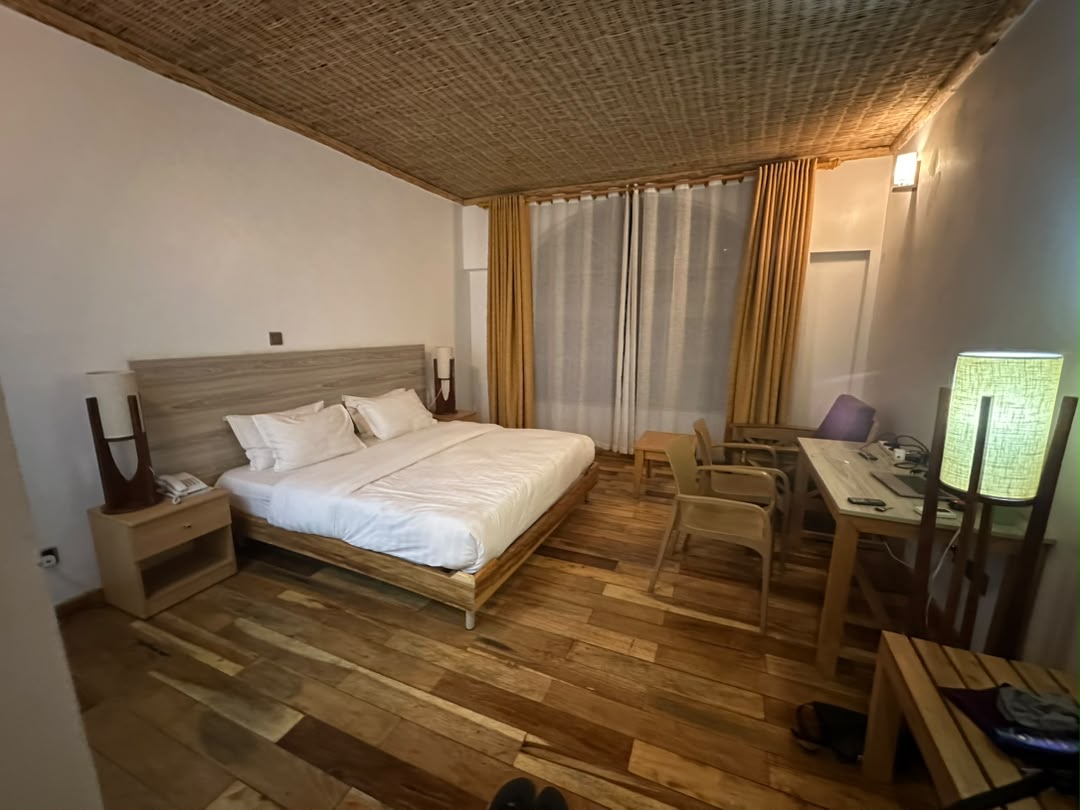
Safari lodges in remote parks often provide accommodation and meals for staff, making them attractive for young professionals. Read more about what is needed to work in a safari lodge and explore hospitality management courses in Uganda.
5. Wildlife Ranger and Park Interpreter
The Uganda Wildlife Authority employs rangers to protect wildlife, patrol national parks, guide tourists on gorilla and chimpanzee treks, and educate visitors about conservation. Ranger guides and park interpreters need strong knowledge of wildlife and ecology, physical fitness, discipline and good communication skills. Many also work with researchers and community conservation programmes.
6. Birding Guide
With more than 1,000 bird species recorded, Uganda is one of Africa’s top birding destinations. Specialist birding guides who can identify species by sight and sound are in high demand among international birdwatchers, who often book long, specialised tours such as a 7-day birdwatching safari in Uganda. This is a niche career that rewards dedication and continuous learning.
7. Tourism Marketing and Digital Media
Tourism businesses need marketers to attract clients through websites, social media, email campaigns, search engine optimisation, photography, video and travel fairs. Digital marketing skills are increasingly valuable as more travellers research and book online. Content creators, social media managers and travel photographers can find work with tour operators, hotels and tourism boards. A short course in marketing in Uganda is a practical way to build these skills.
8. Event, Conference and Wedding Planning
Uganda hosts conferences, business meetings, weddings, festivals and international events throughout the year. Event planners coordinate venues, catering, transport, accommodation and entertainment. This role suits creative, organised people who work well under pressure.
9. Language Guides and Interpreters
Visitors from France, Germany, Italy, Spain, China and other countries often prefer guides who speak their language. Guides who speak French, German, Spanish, Italian or Chinese are highly sought after and often earn better tips and opportunities. Studying language courses at KCI Institute can give you a strong competitive advantage.
10. Adventure and Mountain Guides
Uganda offers white-water rafting and kayaking on the Nile in Jinja, mountain climbing in the Rwenzori and Mount Elgon, hiking, cycling and horseback safaris. Adventure guides need specialised training, safety certifications and strong physical fitness, along with excellent guiding skills.
11. Community and Cultural Tourism Coordinators
Community tourism projects around national parks, such as cultural villages, craft cooperatives and homestays, need coordinators who can manage visitors, train community members and market experiences. This role suits people passionate about culture, development and responsible tourism.
12. Tourism Entrepreneur
Many tourism professionals eventually start their own businesses, such as tour companies, guesthouses, transport services, craft shops or travel agencies. Entrepreneurship requires business skills, industry experience and a strong network. Training in business management and customer service is a solid foundation.
Who Employs Tourism Workers in Uganda?
Tour operators and travel agencies: These companies employ guides, driver-guides, consultants, marketers and administrative staff.
Hotels, lodges and resorts: From city hotels in Kampala and Entebbe to safari lodges in Bwindi, Queen Elizabeth and Murchison Falls, accommodation providers are among the largest employers in tourism.
Government and conservation bodies: The Uganda Wildlife Authority, the Uganda Tourism Board and the Ministry of Tourism, Wildlife and Antiquities employ rangers, tourism officers, marketers and administrators.
Airlines and airports: Uganda Airlines, international carriers and Entebbe International Airport employ cabin crew, ground staff, ticketing agents and customer service officers.
NGOs and community projects: Conservation and development organisations hire tourism coordinators, researchers and community liaison officers.
Restaurants, cafés and entertainment venues: These businesses serve both tourists and locals and need skilled hospitality staff.
Training institutions: Experienced professionals can become trainers and lecturers at tourism schools. You can see current openings on the KCI Institute careers page.
Skills Employers Look for in Tourism Workers
Customer service: Tourism is a people business. Friendliness, patience, politeness and a genuine desire to help are essential in every role.
Communication: Clear spoken and written English is vital, and additional languages are a major advantage.
Destination knowledge: Employers value staff who know Uganda’s parks, wildlife, culture, history and geography.
Professionalism: Punctuality, good grooming, honesty and reliability build trust with employers and guests.
Problem-solving: Travel does not always go to plan. Staff who stay calm and find solutions are highly valued.
Teamwork: Hotels, lodges and tour companies depend on teams working smoothly together.
Computer and digital skills: Booking systems, email, social media and basic office software are used across the industry.
First aid and safety: For guides and drivers especially, first aid knowledge and safety awareness are important.
Qualifications for Tourism Jobs in Uganda
While some entry-level jobs require only basic education and on-the-job training, formal qualifications greatly improve your chances of getting hired and promoted. Common qualifications include:
- Short courses: Practical courses lasting a few weeks to a few months in tour guiding, hospitality, front office, food and beverage service, marketing or languages.
- Certificates: Usually one-year programmes covering core tourism or hospitality skills.
- Diplomas: Usually two-year programmes with deeper theory, practical training and internships.
- UVTAB-assessed programmes: Vocational qualifications assessed by the Uganda Vocational and Technical Assessment Board, recognised by employers across the country.
- Degrees: University degrees in tourism, hospitality or business management, often required for senior management and government roles.
Students can often begin tourism studies after completing Senior Four. Read our guide Can I study tourism after S4 in Uganda? and how to learn tourism courses in Uganda. You can browse all programmes on our courses page and the UVTAB courses at KCI Institute.
How to Choose the Right Tourism School
The quality of your training has a big impact on your career. When choosing a tourism school, consider:
- Whether the courses are recognised and assessed by national bodies
- The amount of practical training, field trips and hands-on experience
- Links with tour companies, hotels and lodges for internships and jobs
- The experience of trainers and lecturers in the industry
- Flexible study options, such as online, part-time or short courses
- Affordable fees and clear payment plans
For comparisons, see our articles on the best tourism institute in Uganda, the best tourism schools within Kampala and the best hospitality schools in East Africa. To plan your budget, read tourism course fees in Uganda: what to budget for and check the KCI Institute fee structure.
How to Get Your First Tourism Job in Uganda
Step 1: Get trained. Enrol in a recognised tourism or hospitality course that includes practical training. Learn about our institute on our About Us page and find the next start date on our intakes page.
Step 2: Do an internship. Internships give you real experience, references and industry contacts. Many students are hired by the companies where they intern. Programmes such as the tourism internship in Uganda with Kenlink Tours let you learn alongside experienced guides and consultants.
Step 3: Build a strong CV. Highlight your qualifications, internships, languages, computer skills and any volunteer or customer service experience. Keep it clear, honest and no longer than two pages.
Step 4: Network. Attend tourism events, travel fairs and industry workshops. Connect with professionals on social media and join professional associations such as the Uganda Safari Guides Association.
Step 5: Apply widely. Send applications to tour companies, hotels, lodges, airlines and conservation bodies. Follow up politely and be ready to start in entry-level roles.
Step 6: Prepare for interviews. Research the employer, practise answering common questions, dress professionally and show your passion for tourism and customer service.
Step 7: Keep learning. Short courses in languages, birding, first aid, marketing or management help you grow and qualify for promotions.
Tips to Succeed and Grow in Your Tourism Career
Specialise: Once you have basic experience, choose an area to master, such as primates, birding, luxury hospitality, culinary arts or digital marketing. Specialists are harder to replace and often earn more.
Learn another language: Even basic French, German or Chinese can set you apart from other candidates and increase your earnings from international guests.
Collect great reviews: In tourism, guest feedback on platforms such as TripAdvisor and Google can build your personal reputation and lead to promotions or direct referrals.
Stay updated: Keep learning about new lodges, park rules, permit procedures, wildlife research and travel trends so you can give guests accurate, up-to-date information.
Find a mentor: Experienced guides, chefs and managers can share valuable advice and open doors. Many training institutes and tour companies run mentorship programmes for young professionals.
Upgrade your qualifications: As you gain experience, move from a short course to a certificate, diploma or degree. Many institutions offer flexible study for working professionals; see the KCI Institute admission page for entry requirements.
How Much Do Tourism Workers Earn in Uganda?
Earnings in Uganda’s tourism industry vary widely depending on the role, employer, experience, qualifications, language skills and season. Entry-level hospitality staff usually start with modest salaries, while experienced guides, chefs, lodge managers and tour consultants can earn considerably more. Many tourism jobs also include benefits such as accommodation and meals at lodges, travel allowances and tips from guests.
Guides who speak foreign languages, specialise in birding or primates, or work with luxury clients often earn higher incomes. Over time, professionals who build experience and reputations can move into management, training or business ownership, where earning potential is greater.
Benefits and Challenges of Working in Tourism
Benefits: Tourism offers the chance to travel, work in beautiful places, meet people from around the world, learn continuously and build a career around your passion. It also allows you to contribute to conservation and community development.
Challenges: The work can involve long hours, weekends, holidays and time away from family, especially in remote lodges or on long safaris. Tourism is also seasonal and can be affected by global events, so flexibility and resilience are important. Strong training and diverse skills help you stay employable throughout these changes.
The Future of Tourism Jobs in Uganda
The future of tourism in Uganda looks promising. Investment in roads, airports, lodges and marketing is helping attract more visitors, and new trends are creating fresh opportunities:
- Digital tourism: Growing demand for online marketing, content creation and booking system specialists
- Sustainable and eco-tourism: More jobs in conservation, community tourism and eco-lodges
- Adventure tourism: Rising interest in hiking, rafting, cycling and mountain climbing
- Domestic and regional tourism: More Ugandans and East Africans travelling within the region
- Conference and business tourism: Growth in meetings, events and corporate travel
Those who combine strong customer service with digital, language and specialist skills will be best placed to succeed. You can follow these trends in our tourism career articles and on our blog.
Real-World Industry Connections
Learning from active tourism businesses is one of the best ways to prepare for a career. Students can see how tour operators work by studying real itineraries, such as a 3-day Uganda gorilla safari or group tours in Uganda, and by understanding how companies like Kenlink Tours organise guides, vehicles and logistics. Lodges such as Ikoro Hotel in Kisoro also show how hospitality operations run near gorilla parks.
These industry links help students gain practical experience, understand employer expectations and find internship and job opportunities after graduation.
Why Study at Uganda Tourism Institute?
Practical, industry-focused training: Our courses combine classroom learning with hands-on practice, field trips and internships.
Recognised qualifications: We offer short courses, certificates and UVTAB-assessed programmes in tourism, hospitality and related fields.
Flexible study options: Choose from in-person and online learning, short courses and longer programmes to fit your schedule.
Strong industry links: Our partnerships with tour companies, hotels and lodges open doors to internships and jobs.
Experienced trainers: Learn from professionals with real experience in guiding, hospitality and tourism business.
Learn more about our sister institution on the KCI Institute About Us page or read KCI Institute in Uganda: courses, fees and how to enrol.
Frequently Asked Questions About Tourism Jobs in Uganda
What qualifications do I need to work in tourism in Uganda?
Many entry-level jobs accept candidates with short courses or certificates, while diplomas and degrees open doors to higher positions. Practical experience, languages and customer service skills are equally important.
Which tourism job is most in demand in Uganda?
Driver-guides, tour guides, hotel and lodge staff, chefs and tour consultants are consistently in demand. Guides with foreign language and birding skills are especially sought after.
Can I work in tourism without a degree?
Yes. Many successful guides, chefs and hospitality professionals started with short courses or certificates and built their careers through experience and further training.
How long does it take to train for a tourism job?
Short courses can take from a few weeks to five months, certificates about one year and diplomas around two years, depending on the programme.
Do tourism jobs in Uganda pay well?
Pay varies by role, experience and employer. Entry-level jobs start modestly, but experienced guides, managers and specialists can earn good incomes, often with tips and benefits.
How do I apply to study tourism at Uganda Tourism Institute?
You can apply online through our Apply Now page or via the KCI Institute application form. Our admissions team will guide you through the process.
Final Thoughts: Start Your Tourism Career in Uganda Today
Tourism jobs in Uganda offer exciting, rewarding and diverse career paths, from guiding visitors to see gorillas and lions to managing safari lodges, planning tours and promoting the Pearl of Africa to the world. With the right training, practical experience and passion, you can build a successful career in one of the country’s most dynamic industries.
Ready to take the first step? Explore our tourism and hospitality courses, check the next intake and apply today. Your future in tourism starts at Uganda Tourism Institute.