
Uganda’s tourism industry is growing quickly, but its success depends on one important factor—proper planning and development. This is why Tourism Planning and Development is becoming a key course in tourism education across Uganda.
The course is designed to prepare students to understand how tourism destinations are created, managed, and improved in a sustainable way.
What is Tourism Planning and Development?
Tourism Planning and Development is the study of how tourism destinations are:
- Designed and organized
- Developed with infrastructure (roads, hotels, parks, services)
- Managed sustainably for long-term use
- Improved to attract more visitors while protecting the environment
It focuses on balancing economic growth, environmental protection, and community benefits.
What You Study in This Course
Based on tourism programs offered in Uganda and globally, students learn:
1. Tourism Planning Concepts
- Meaning and importance of tourism planning
- Types of tourism development (urban, rural, eco-tourism)
- Levels of planning (local, national, regional)
2. Tourism Development Process
- How destinations are developed
- Infrastructure planning (roads, lodges, transport)
- Destination life cycle
3. Sustainable Tourism Development
- Protecting wildlife and natural resources
- Reducing negative environmental impacts
- Promoting eco-friendly tourism
4. Policy and Governance
- Role of government in tourism development
- Tourism laws and regulations in Uganda
- Role of Uganda Tourism Board and conservation bodies
5. Community Participation
- Involving local communities in tourism projects
- Community-based tourism initiatives
- Cultural preservation
Why Tourism Planning is Important for Uganda
Uganda is rich in tourism assets, but without planning, these resources can be damaged or underused.
Tourism planning helps to:
1. Protect Natural Resources
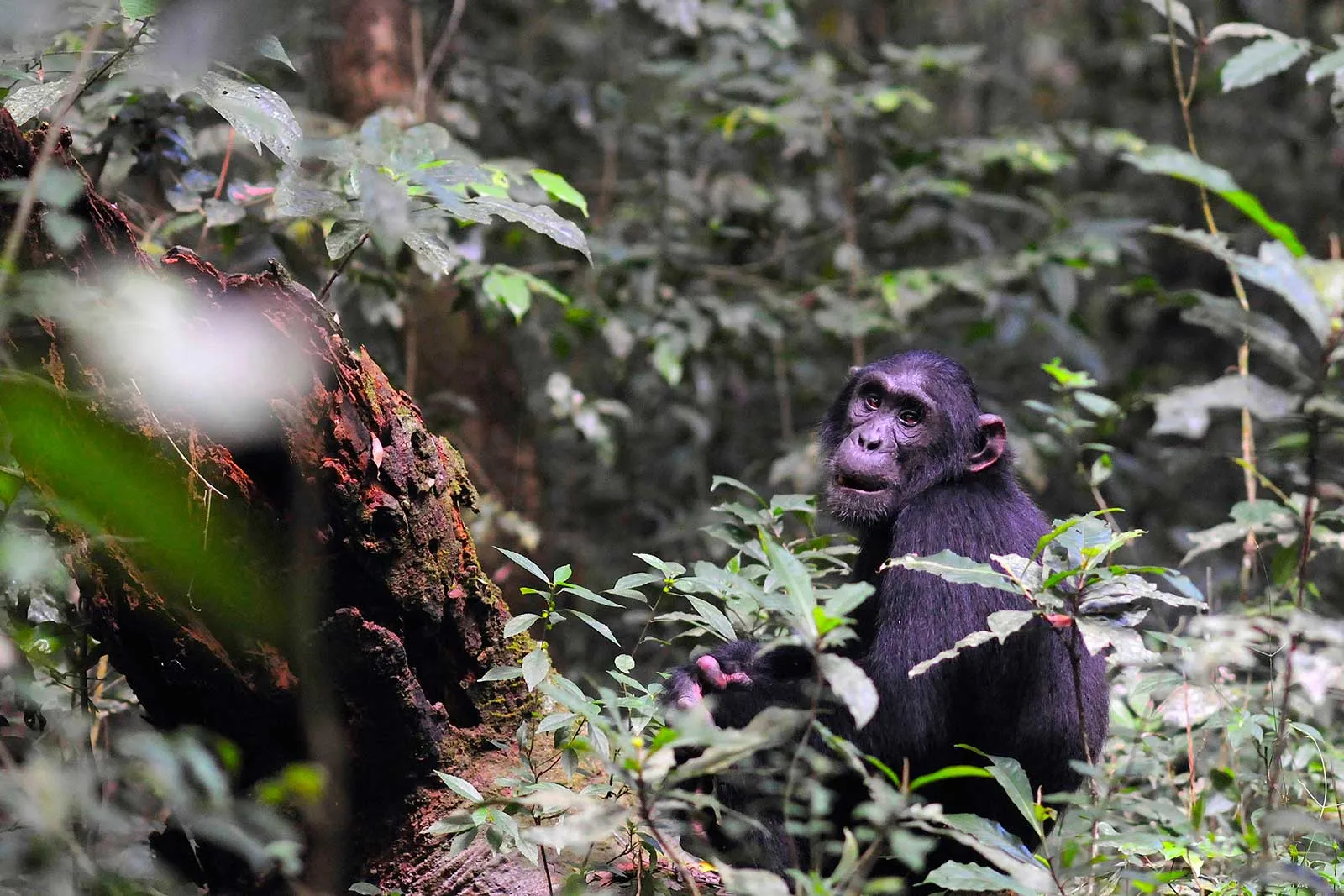
National parks like Bwindi and Queen Elizabeth must be carefully managed to avoid overuse.
2. Improve Infrastructure
Good planning leads to:
- Better roads to parks
- Quality hotels and lodges
- Improved transport systems
3. Increase Tourism Revenue
Well-planned destinations attract more tourists and generate income for the country.
4. Support Local Communities
Planning ensures local people benefit through:
- Jobs
- Cultural tourism
- Craft sales and services
5. Promote Sustainable Growth
It ensures tourism grows without destroying nature or culture.
Career Opportunities in Tourism Planning and Development
After studying this course, you can work in:
- Tourism planning departments
- Uganda Tourism Board (UTB)
- Uganda Wildlife Authority (UWA)
- Local government tourism offices
- NGOs in conservation and community tourism
- Tour companies and destination management organizations
Job roles include:
- Tourism development officer
- Destination planner
- Conservation and tourism officer
- Community tourism coordinator
- Policy and planning analyst
Skills You Gain
Students develop important skills such as:
- Strategic planning
- Environmental awareness
- Policy analysis
- Project management
- Community engagement
- Research and report writing
Why This Course Matters for Uganda’s Future
Tourism Planning and Development is very important because it:
- Helps Uganda compete globally as a top tourism destination
- Protects wildlife for future generations
- Ensures fair distribution of tourism benefits
- Supports sustainable economic growth
- Encourages responsible tourism practices
Without proper planning, tourism can lead to environmental damage and community conflict. With good planning, it becomes a powerful tool for national development.