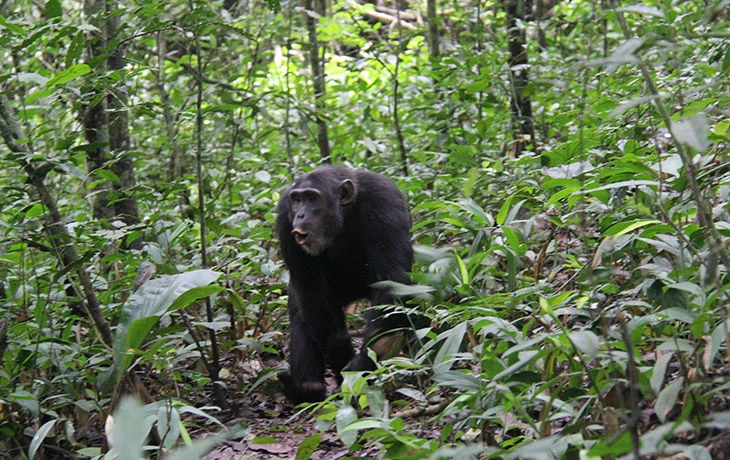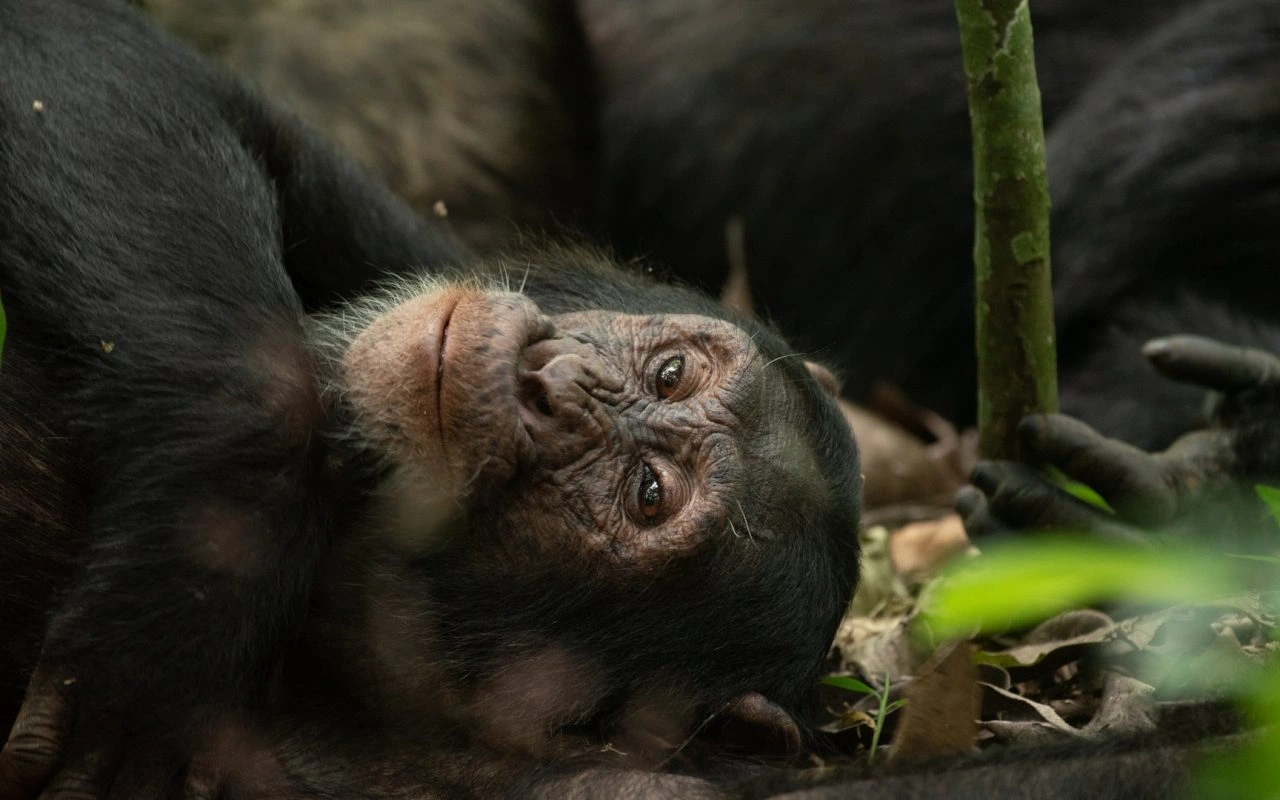

Uganda is globally recognized for its rich biodiversity, national parks, and unique wildlife experiences such as gorilla trekking, chimpanzee tracking, bird watching, and game drives. However, behind every successful safari experience is a strong system of conservation and sustainable tourism practices. This is where conservation tourism plays a vital role. It combines environmental protection with tourism development, ensuring that natural resources are preserved while still generating income and employment opportunities.
At Uganda Tourism Institute, students are trained to understand how tourism and conservation work together. Conservation tourism is not only about protecting wildlife; it is also about building careers, supporting communities, and promoting responsible travel that benefits both people and nature.
Understanding Conservation Tourism
Conservation tourism is a form of responsible travel that focuses on protecting natural environments, wildlife species, and cultural heritage while providing meaningful experiences for visitors. It encourages tourists to participate in or support conservation activities such as wildlife protection, habitat restoration, environmental education, and community development projects.
Unlike mass tourism, conservation tourism prioritizes sustainability. It ensures that tourism activities do not damage ecosystems but instead contribute to their preservation. This approach helps maintain Uganda’s natural beauty for future generations while supporting the livelihoods of people living near protected areas.
The Importance of Conservation Tourism in Uganda
Uganda’s economy relies heavily on tourism, especially wildlife-based tourism. National parks and game reserves attract thousands of visitors every year, generating revenue that supports conservation programs and community development.
However, these natural resources face challenges such as poaching, deforestation, climate change, and human-wildlife conflict. Conservation tourism helps address these issues by linking tourism income directly to conservation efforts. When tourists visit protected areas, their fees contribute to wildlife protection, park management, and community projects.
This creates a sustainable system where tourism helps fund conservation, and conservation ensures that tourism attractions remain intact.
How Conservation Tourism Supports Wildlife Protection
Conservation tourism plays a direct role in protecting Uganda’s wildlife. Revenue generated from tourism activities is used to support anti-poaching units, wildlife monitoring, and habitat conservation programs.
Tourists also help raise awareness about endangered species such as mountain gorillas, elephants, lions, and chimpanzees. Guided tours and educational experiences allow visitors to understand the importance of conservation and the threats facing wildlife.
In addition, conservation tourism encourages responsible behavior among visitors, ensuring that wildlife is not disturbed and natural habitats are respected.
Training in Conservation Tourism
A career in conservation tourism requires specialized training that combines tourism knowledge with environmental science and wildlife management. Students are introduced to topics such as ecology, conservation principles, tourism operations, sustainable development, and community engagement.
At Uganda Tourism Institute, learners gain both theoretical knowledge and practical skills through field training and classroom instruction. They learn how to guide tourists in protected areas, interpret wildlife behavior, and promote responsible tourism practices.
Training also emphasizes communication skills, customer care, and environmental awareness, which are essential for working in the tourism and conservation sectors.
Skills Required in Conservation Tourism Careers
Professionals in conservation tourism must have a combination of technical, practical, and interpersonal skills. They need to understand wildlife behavior, ecosystem management, and tourism operations.
Strong communication skills are essential because conservation tourism professionals interact with tourists, local communities, and conservation authorities. Physical fitness is also important, especially for field-based roles such as guiding, monitoring wildlife, and working in remote natural environments.
Observation skills, problem-solving abilities, and teamwork are also important for ensuring effective conservation and tourism operations.
Career Opportunities in Conservation Tourism
Conservation tourism offers a wide range of career opportunities for trained individuals. Graduates can work in national parks, conservation organizations, tourism companies, NGOs, and community-based tourism projects.
Career paths include tour guides, conservation officers, wildlife rangers, ecotourism managers, park assistants, environmental educators, and community development officers. These roles contribute directly to protecting Uganda’s natural heritage while supporting tourism development.
With experience and further training, professionals can advance into senior positions such as park managers, conservation program coordinators, or tourism development specialists.
The Role of Tour Guides in Conservation Tourism
Tour guides play a crucial role in conservation tourism. They are responsible for educating visitors about wildlife, ecosystems, and conservation efforts while ensuring that tourism activities are conducted responsibly.
A well-trained guide enhances the visitor experience by explaining animal behavior, plant species, and environmental challenges. Guides also help enforce park regulations and promote ethical wildlife viewing practices.
Through their work, tour guides become ambassadors of conservation, influencing how tourists perceive and support environmental protection.
Community Involvement in Conservation Tourism
Local communities are essential partners in conservation tourism. Many people live near national parks and depend on natural resources for their livelihoods. Without community involvement, conservation efforts cannot succeed.
Conservation tourism provides communities with alternative sources of income through employment, cultural tourism, handicrafts, and hospitality services. When communities benefit from tourism, they are more likely to support conservation initiatives and protect wildlife.
This creates a positive relationship between tourism, conservation, and community development.
Sustainable Tourism Practices
Sustainability is a core principle of conservation tourism. It ensures that tourism activities do not harm the environment but instead contribute to its preservation.
Sustainable practices include reducing waste, conserving water, protecting wildlife habitats, and supporting local communities. Eco-friendly lodges, responsible wildlife viewing, and environmental education programs are also important aspects of sustainability.
Professionals trained in conservation tourism are equipped to implement these practices in real-world tourism operations.
Conservation Tourism and Climate Change
Climate change poses a major threat to wildlife and ecosystems in Uganda. Changes in rainfall patterns, rising temperatures, and habitat loss affect biodiversity and tourism experiences.
Conservation tourism helps address climate change by promoting environmental awareness and supporting conservation projects that protect forests, wetlands, and wildlife habitats. These ecosystems play a vital role in regulating the climate and supporting biodiversity.
Training in conservation tourism helps students understand how tourism can contribute to climate action and environmental protection.
Economic Benefits of Conservation Tourism
Conservation tourism is an important contributor to Uganda’s economy. It generates revenue through park entry fees, accommodation, guiding services, transportation, and cultural experiences.
This income supports conservation programs, creates jobs, and stimulates local economies. It also benefits related industries such as agriculture, crafts, and hospitality.
By promoting sustainable tourism, Uganda ensures long-term economic growth while preserving its natural resources.
Challenges in Conservation Tourism
Despite its benefits, conservation tourism faces several challenges. These include poaching, habitat destruction, human-wildlife conflict, limited funding, and climate change impacts.
Addressing these challenges requires trained professionals who can develop and implement effective conservation strategies. Education, community involvement, and strong policies are essential for overcoming these obstacles.
Continuous training and awareness are key to improving conservation outcomes in Uganda.
Why Study Conservation Tourism at Uganda Tourism Institute
Uganda Tourism Institute provides high-quality training designed to prepare students for careers in tourism, hospitality, and conservation. The conservation tourism program combines classroom learning with practical field experience in real conservation environments.
Students are trained in wildlife management, tourism operations, environmental conservation, and customer service. The institute emphasizes professionalism, sustainability, and practical skills development.
Graduates are well prepared to work in national parks, tourism companies, conservation organizations, and community-based projects across Uganda and beyond.