
Tourism is one of Uganda’s most important economic sectors, contributing to employment, foreign exchange earnings, conservation, and community development. However, for tourism to continue growing sustainably, it requires more than beautiful attractions and marketing campaigns. It requires strong tourism policies and effective planning.
Tourism policy and planning provide the framework that guides how tourism is developed, managed, promoted, and regulated. Without proper planning, tourism growth can lead to environmental degradation, poor visitor experiences, and missed economic opportunities.
As Uganda seeks to strengthen its position as one of Africa’s leading tourism destinations, effective tourism policy and planning have become more important than ever.
What is Tourism Policy?
Tourism policy refers to the guidelines, strategies, laws, and decisions that direct the development of the tourism sector.
A tourism policy helps governments and stakeholders determine:
- Tourism development priorities
- Investment opportunities
- Conservation measures
- Infrastructure development
- Marketing strategies
- Community participation
- Visitor management
Good tourism policies create an environment where tourism businesses can grow while protecting natural and cultural resources.
What is Tourism Planning?
Tourism planning is the process of designing and managing tourism development to achieve specific goals.
It involves:
- Identifying tourism opportunities
- Assessing tourism resources
- Developing infrastructure
- Managing visitor experiences
- Protecting environmental resources
- Supporting local communities
Tourism planning ensures that growth is organized, sustainable, and beneficial to all stakeholders.
Why Tourism Policy and Planning Matter in Uganda
Uganda is blessed with outstanding tourism assets, including:
- Bwindi Impenetrable National Park
- Murchison Falls National Park
- Queen Elizabeth National Park
- Kidepo Valley National Park
- Rich cultural heritage and diverse communities
To maximize the benefits of these attractions, strategic planning is essential.
1. Protecting Natural Resources
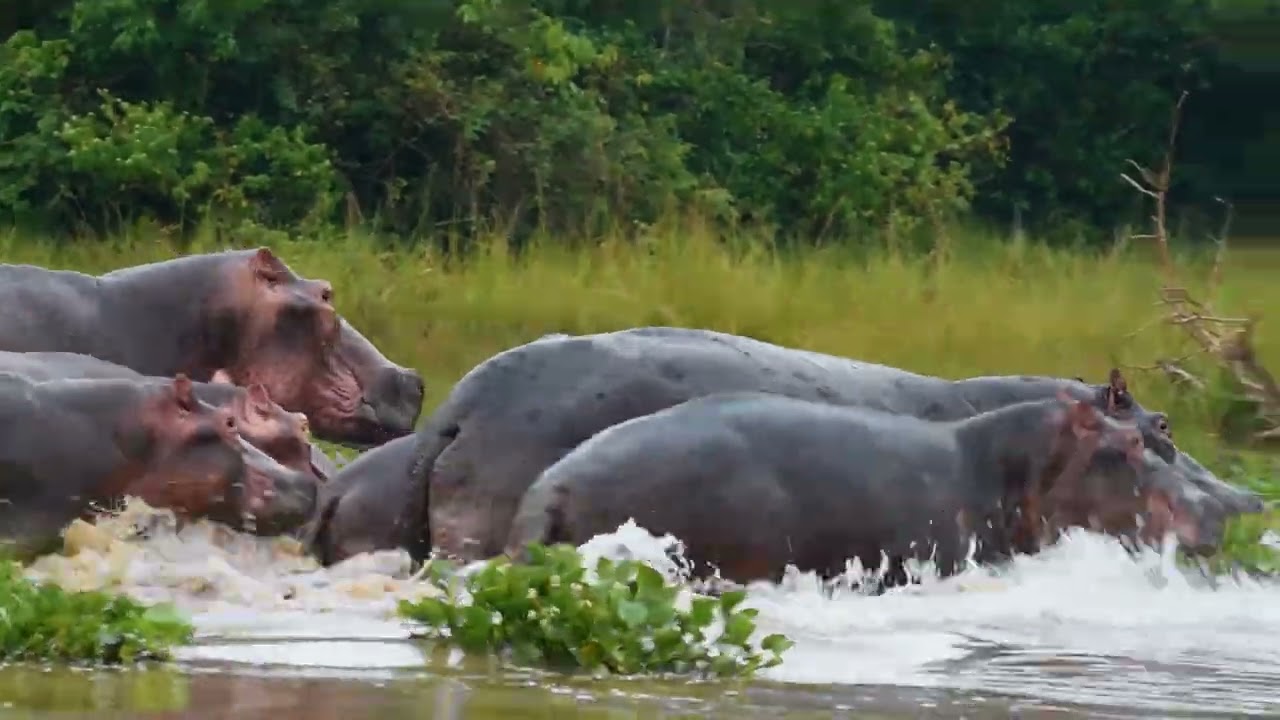
Uganda’s wildlife, forests, wetlands, and national parks are the foundation of its tourism industry.
Effective policies help:
- Prevent environmental degradation
- Manage visitor numbers
- Protect endangered species
- Support conservation efforts
Without proper management, tourism can place pressure on fragile ecosystems.
2. Improving Tourism Infrastructure
Tourists need reliable infrastructure to enjoy their experiences.
Tourism planning helps improve:
- Roads to tourism destinations
- Airports and transport services
- Hotels and lodges
- Visitor information centers
- Communication networks
Better infrastructure increases accessibility and visitor satisfaction.
3. Supporting Community Development
Tourism should benefit local communities, especially those living near tourism attractions.
Good planning encourages:
- Community tourism projects
- Employment opportunities
- Local business development
- Cultural preservation
When communities benefit from tourism, they are more likely to support conservation initiatives.
4. Increasing Competitiveness
Tourism destinations compete globally for visitors.
Strategic planning helps Uganda:
- Develop unique tourism products
- Improve service quality
- Enhance destination branding
- Attract international investment
A well-planned tourism sector can compete effectively with other destinations in Africa and beyond.
Key Areas Uganda’s Tourism Industry Needs to Focus On
Sustainable Tourism Development
Future tourism growth must balance economic benefits with environmental protection.
This includes:
- Eco-tourism initiatives
- Responsible travel practices
- Conservation partnerships
- Sustainable infrastructure development
Digital Transformation
Modern travelers rely heavily on digital platforms.
The industry needs:
- Online booking systems
- Digital marketing strategies
- Tourism data management
- Smart destination technologies
Skills Development
Tourism success depends on skilled professionals.
Uganda needs continued investment in:
- Tourism education
- Hospitality training
- Tour guiding programs
- Digital marketing skills
- Event management training
Product Diversification
Uganda is known for gorilla trekking, but the country has many other tourism opportunities.
Planning should support:
- Cultural tourism
- Adventure tourism
- Agro-tourism
- Birding tourism
- MICE tourism
- Religious tourism
Diversification reduces dependence on a single tourism product.
Career Opportunities in Tourism Policy and Planning
Students who specialize in tourism policy and planning can pursue careers such as:
- Tourism planner
- Tourism development officer
- Destination manager
- Policy analyst
- Community tourism coordinator
- Tourism consultant
- Conservation officer
- Research officer
These professionals help shape the future direction of tourism development.
Skills Needed for Tourism Policy and Planning
To succeed in this field, students should develop:
- Strategic thinking
- Research and analysis
- Project management
- Communication skills
- Environmental awareness
- Stakeholder engagement
- Leadership abilities
These skills are valuable in both public and private sector organizations.
The Future of Tourism Planning in Uganda
As tourism continues to grow, the need for professional planners and policymakers will increase. Uganda’s future success depends on creating a tourism industry that is competitive, sustainable, inclusive, and resilient.
The next generation of tourism professionals will play a crucial role in ensuring that tourism benefits visitors, businesses, communities, and the environment alike.