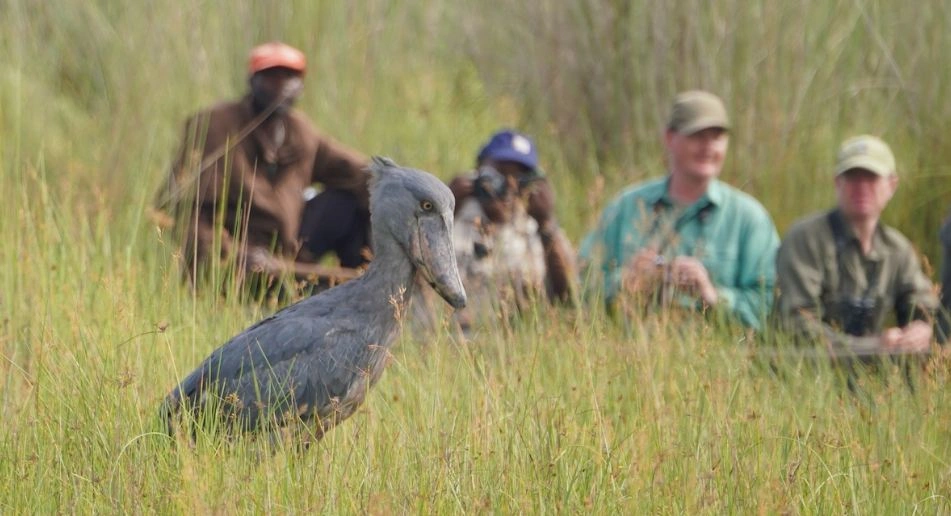
Uganda is one of Africa’s most important wildlife destinations, home to diverse ecosystems, rare species, and world-famous protected areas such as Bwindi Impenetrable National Park, Queen Elizabeth National Park, Murchison Falls National Park, and Kidepo Valley National Park. As tourism continues to grow, the need for skilled professionals who can protect and manage wildlife has become more important than ever. A Wildlife Management Course in Uganda provides the knowledge and practical skills needed to work in conservation, tourism, and environmental protection.
At Uganda Tourism Institute, students are trained to understand wildlife systems, conservation practices, tourism operations, and community involvement in protecting natural resources. This course is designed for individuals who want to build careers that directly contribute to preserving Uganda’s natural heritage while supporting sustainable tourism development.
Understanding Wildlife Management
Wildlife management involves the protection, conservation, and sustainable use of wild animals and their habitats. It focuses on maintaining healthy ecosystems, preventing species extinction, and ensuring that wildlife resources are used responsibly for future generations.
This field combines biology, ecology, tourism, environmental science, and community development. Wildlife managers work to balance human needs with conservation goals, ensuring that wildlife and people coexist sustainably.
In Uganda, wildlife management plays a key role in supporting tourism, which depends heavily on healthy populations of animals and well-protected national parks.
Why Wildlife Management is Important in Uganda
Uganda’s wildlife is one of its greatest natural assets, attracting thousands of tourists every year. However, these resources face threats such as poaching, habitat loss, climate change, and human-wildlife conflict.
Wildlife management is essential for addressing these challenges. It helps protect endangered species like mountain gorillas, elephants, lions, and chimpanzees while maintaining biodiversity across ecosystems. Proper management also ensures that tourism remains sustainable and continues to generate income for the country.
Without trained professionals, conservation efforts would be difficult to implement effectively, making wildlife management a critical field in Uganda’s tourism industry.
What You Learn in a Wildlife Management Course
A Wildlife Management Course provides students with both theoretical knowledge and practical field skills. Learners are introduced to animal behavior, ecology, conservation strategies, and environmental protection techniques.
Students study topics such as wildlife identification, habitat management, protected area management, environmental conservation, and tourism principles. They also gain an understanding of human-wildlife interaction and how to manage conflicts between communities and wildlife.
Practical training often includes fieldwork in national parks and conservation areas, where students observe wildlife, learn tracking techniques, and participate in conservation activities.
Wildlife Conservation and Tourism Connection
Wildlife management is closely connected to tourism because Uganda’s tourism industry depends heavily on its national parks and wildlife attractions. Tourists travel from around the world to see gorillas, lions, elephants, birds, and other wildlife species.
Well-managed wildlife areas attract more visitors and generate more income for conservation programs and local communities. Wildlife managers ensure that animals are protected while tourism activities such as game drives, bird watching, and gorilla trekking are conducted responsibly.
This connection creates a sustainable system where tourism supports conservation and conservation supports tourism.
Career Opportunities in Wildlife Management
A Wildlife Management Course opens up many career opportunities in Uganda and beyond. Graduates can work in national parks, wildlife reserves, conservation organizations, tourism companies, and environmental agencies.
Common career paths include wildlife ranger, park warden assistant, conservation officer, tour guide, ecological monitor, community conservation officer, and environmental educator. These roles are essential in protecting Uganda’s natural resources and promoting sustainable tourism.
With experience, professionals can advance into senior positions such as park manager, conservation program coordinator, or tourism development officer.
Skills Required for Wildlife Management Careers
Wildlife management requires a combination of physical, technical, and interpersonal skills. Professionals must have a strong understanding of animal behavior, ecology, and environmental systems.
Communication skills are important because wildlife managers work with tourists, local communities, researchers, and government agencies. Physical fitness is also essential for fieldwork, which often involves walking long distances, tracking animals, and working in remote areas.
Problem-solving skills, observation skills, and teamwork are also important for managing wildlife and addressing conservation challenges effectively.
The Role of National Parks in Wildlife Management
National parks are the backbone of wildlife conservation in Uganda. These protected areas provide safe habitats for animals and serve as major tourist attractions.
Wildlife managers working in national parks are responsible for monitoring animal populations, preventing poaching, maintaining habitats, and ensuring that tourism activities are sustainable. They also work closely with communities living near parks to reduce human-wildlife conflict.
Effective park management ensures that Uganda’s wildlife resources remain protected while supporting tourism growth.
Human-Wildlife Conflict and Conservation Challenges
One of the major challenges in wildlife management is human-wildlife conflict. As human populations grow, people and animals increasingly compete for land, water, and resources.
Wild animals sometimes enter farmland, leading to crop destruction or livestock loss. Wildlife managers work to address these challenges through community engagement, education, compensation programs, and conservation planning.
Managing these conflicts is essential for maintaining positive relationships between communities and conservation authorities.
Importance of Field Training in Wildlife Management
Field training is a key part of wildlife management education. Students gain hands-on experience in national parks and conservation areas, where they apply classroom knowledge in real-life situations.
Fieldwork includes wildlife observation, tracking, data collection, habitat assessment, and participation in conservation activities. This experience prepares students for the practical demands of working in the wildlife sector.
It also helps learners develop confidence, discipline, and a deeper understanding of Uganda’s natural environment.
Wildlife Management and Community Development
Local communities play a major role in wildlife conservation. Many communities live near protected areas and interact directly with wildlife. Involving them in conservation efforts is essential for success.
Wildlife management programs often include community education, alternative livelihood projects, and tourism-based income opportunities. When communities benefit from conservation, they are more likely to protect wildlife and support tourism activities.
This creates a sustainable relationship between people and nature.
Environmental Protection and Sustainability
Wildlife management is closely linked to environmental conservation. Protecting wildlife also means protecting forests, wetlands, rivers, and other ecosystems.
Sustainability is a key principle in this field. Professionals must ensure that natural resources are used responsibly and preserved for future generations. This includes controlling pollution, preventing deforestation, and promoting eco-friendly tourism practices.
Sustainable wildlife management helps maintain ecological balance and supports Uganda’s long-term development goals.
Why Study Wildlife Management at Uganda Tourism Institute
Uganda Tourism Institute offers professional training designed to prepare students for careers in tourism, hospitality, and conservation. The Wildlife Management Course combines classroom learning with practical field experience to ensure students are fully prepared for the industry.
Students are taught by experienced instructors and exposed to real conservation environments. The training emphasizes professionalism, environmental awareness, communication skills, and practical wildlife management techniques.
Graduates are equipped to work in national parks, conservation organizations, tourism companies, and community-based projects.