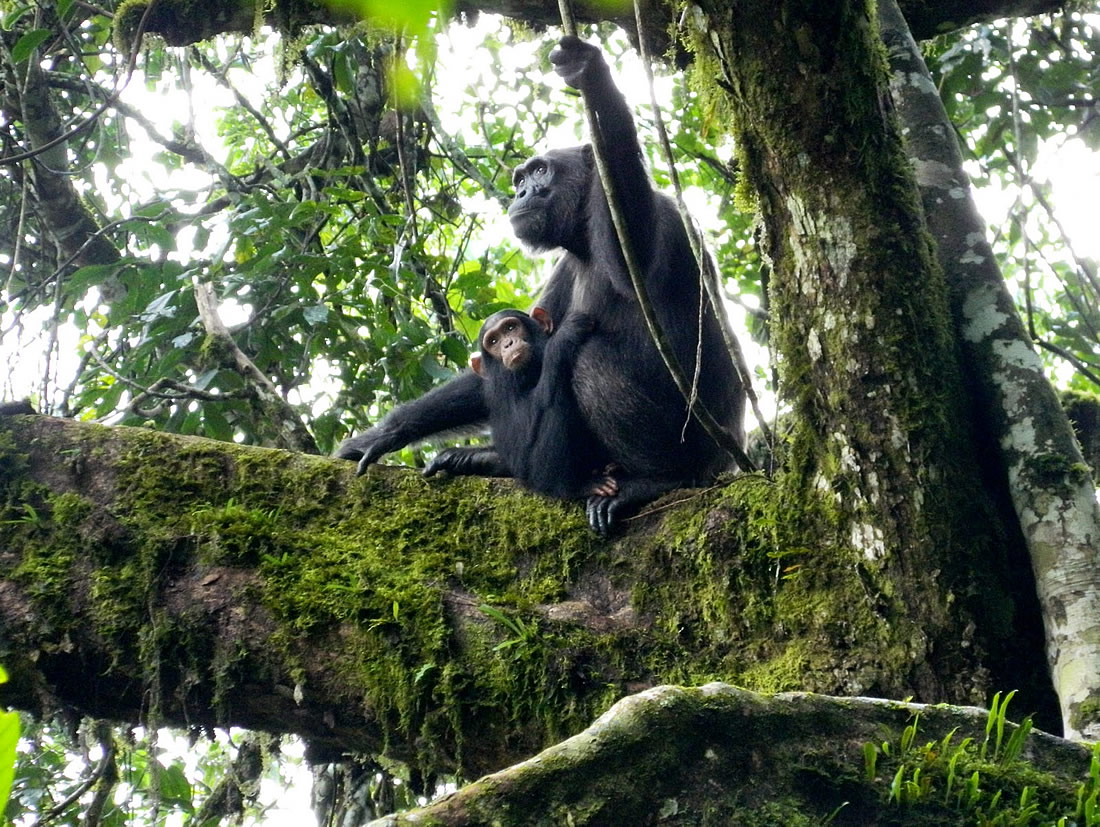

Uganda is one of the most important primate tourism destinations in the world, home to mountain gorillas, chimpanzees, golden monkeys, and several rare primate species. National parks such as Bwindi Impenetrable National Park, Kibale Forest National Park, and Mgahinga Gorilla National Park attract thousands of tourists every year who come specifically to experience primate trekking. This growing interest has created a specialized career path known as primate tourism, making it one of the most exciting and rewarding niches in Uganda’s tourism industry.
At Uganda Tourism Institute, students are trained in wildlife management, tour guiding, ecotourism, and conservation principles that support careers in primate tourism. This training equips learners with the knowledge and practical skills needed to work in forest environments and guide visitors during primate encounters.
Understanding Primate Tourism
Primate tourism is a specialized form of ecotourism focused on observing and studying primates in their natural habitats. It involves guided tours where visitors track and observe animals such as gorillas, chimpanzees, and monkeys while learning about their behavior, ecology, and conservation status.
This type of tourism is highly controlled and regulated to ensure that primates are not disturbed and their habitats remain protected. It combines tourism, conservation, research, and education, making it a highly impactful sector in wildlife protection.
Primate tourism plays a key role in generating revenue for conservation while promoting awareness about endangered species.
Why Uganda is a Global Primate Tourism Destination
Uganda is globally recognized for its rich primate population, particularly mountain gorillas, which are found only in Uganda, Rwanda, and the Democratic Republic of Congo. Bwindi Impenetrable National Park alone hosts nearly half of the world’s remaining mountain gorillas.
Kibale Forest National Park is known as the “primate capital of the world” due to its high chimpanzee population and diversity of monkey species. Mgahinga Gorilla National Park also offers golden monkey tracking experiences.
These unique attractions make Uganda a leading destination for primate tourism and a hub for specialized tourism training.
What You Learn in Primate Tourism Training
Primate tourism training provides students with knowledge of primate behavior, forest ecology, conservation techniques, and guiding skills.
Learners study how primates live, feed, communicate, and interact within their ecosystems. They also learn how to track primates in dense forest environments using observation techniques and field signs.
Training also includes customer care, communication skills, and responsible tourism practices to ensure safe and educational experiences for visitors.
The Role of Tour Guides in Primate Tourism
Tour guides are essential in primate tourism because they lead visitors through forest habitats and ensure safe and responsible wildlife encounters.
A primate guide must understand animal behavior, forest navigation, and conservation rules. They also interpret wildlife information for tourists, making the experience educational and engaging.
Guides ensure that visitors maintain safe distances from primates and follow strict guidelines designed to protect both animals and humans.
Conservation Importance of Primate Tourism
Primate tourism plays a major role in conservation by generating revenue that supports wildlife protection programs, anti-poaching efforts, and habitat preservation.
Tourism income helps fund ranger patrols, research projects, and community development initiatives around protected areas. It also raises awareness about the importance of protecting endangered species.
Because primates are highly sensitive to human interaction, tourism is carefully managed to ensure minimal disturbance and maximum conservation benefit.
Skills Needed for a Career in Primate Tourism
Working in primate tourism requires a combination of physical, technical, and interpersonal skills. Knowledge of wildlife behavior and forest ecosystems is essential for tracking and interpretation.
Communication skills are important because guides interact with international tourists and explain complex ecological information in a simple way.
Physical fitness, patience, and observation skills are also crucial due to the demanding nature of trekking through dense forest environments.
Career Opportunities in Primate Tourism
Primate tourism training opens up various career opportunities in Uganda’s tourism and conservation sectors. Graduates can work as gorilla guides, chimpanzee trackers, wildlife rangers, conservation assistants, and ecotourism officers.
Others may work with tourism companies, national parks, NGOs, and research institutions involved in primate conservation.
With experience, professionals can advance into senior guiding roles, conservation management positions, or tourism development specialists.
Field Training and Practical Experience
Field experience is a key component of primate tourism training. Students participate in excursions to national parks where they observe primates and practice guiding techniques.
This hands-on training helps learners understand real-life conservation challenges and prepares them for professional guiding work in forest environments.
Practical exposure also builds confidence and improves field skills necessary for working in primate habitats.
Human-Wildlife Interaction in Primate Tourism
One of the challenges in primate tourism is managing human-wildlife interaction. Primates are highly susceptible to human diseases and stress, so strict guidelines are followed during visits.
Tour guides ensure that tourists maintain safe distances, avoid direct contact, and follow all conservation rules. This helps protect primates while allowing visitors to enjoy meaningful experiences.
Proper management of human-wildlife interaction is essential for the sustainability of primate tourism.
Community Involvement in Primate Tourism
Local communities play an important role in supporting primate tourism. Many people living near national parks work as guides, porters, and cultural performers.
Tourism provides income opportunities that reduce reliance on forest resources and encourage conservation. Communities also benefit from tourism revenue-sharing programs that support schools, healthcare, and infrastructure.
This involvement strengthens the relationship between conservation and community development.
Challenges in Primate Tourism
Primate tourism faces challenges such as habitat loss, disease transmission risks, and environmental pressure from increasing tourist numbers.
Dense forest terrain and unpredictable weather conditions also make trekking physically demanding. Managing tourist behavior and maintaining strict conservation standards requires continuous training and supervision.
Despite these challenges, primate tourism remains one of Uganda’s most successful and sustainable tourism sectors.
Why Study Primate Tourism at Uganda Tourism Institute
Uganda Tourism Institute provides professional training that prepares students for careers in wildlife tourism and conservation. The programs combine classroom learning with field-based experience in national parks.
Students are trained in wildlife management, tour guiding, ecotourism, and conservation principles. The training emphasizes professionalism, sustainability, and practical skills development.
Graduates are well prepared to work in Uganda’s national parks, tourism companies, and conservation organizations.