
Uganda is one of the most biologically diverse countries in Africa, often referred to as the “Pearl of Africa.” It is home to unique ecosystems that include tropical rainforests, savannahs, wetlands, lakes, and mountain habitats. These ecosystems support a wide range of wildlife such as mountain gorillas, chimpanzees, elephants, lions, rare birds, and countless plant species. However, this biodiversity is under pressure from human activity, climate change, and habitat loss. Tourism has emerged as one of the most powerful tools for protecting Uganda’s natural heritage while supporting economic development.
At Uganda Tourism Institute, students are trained in ecotourism, wildlife management, conservation tourism, and sustainable development practices. These programs help future professionals understand how tourism can be used as a force for environmental protection and biodiversity conservation.
Understanding Biodiversity and Its Importance
Biodiversity refers to the variety of life found in a particular ecosystem, including animals, plants, microorganisms, and the habitats they live in. Uganda’s biodiversity is among the richest in the world due to its varied landscapes and favorable climate.
This biodiversity is important because it supports ecological balance, provides food and resources, and contributes to tourism revenue. Healthy ecosystems also help regulate climate, purify water, and support agriculture.
Protecting biodiversity ensures that future generations can continue to benefit from Uganda’s natural resources and tourism attractions.
The Role of Tourism in Biodiversity Conservation
Tourism plays a significant role in funding and supporting conservation efforts in Uganda. National parks such as Bwindi Impenetrable National Park, Queen Elizabeth National Park, Murchison Falls National Park, and Kibale Forest National Park generate income through tourism activities.
Entrance fees, gorilla permits, and guided tours provide revenue that is reinvested into wildlife protection, anti-poaching patrols, habitat restoration, and research programs. This financial support is essential for maintaining protected areas.
Without tourism, many conservation programs would lack the funding needed to operate effectively.
Ecotourism as a Conservation Strategy
Ecotourism is a form of responsible travel that focuses on conserving the environment and supporting local communities. It ensures that tourism activities have minimal impact on natural ecosystems.
In Uganda, ecotourism allows visitors to experience wildlife while contributing directly to conservation efforts. Activities such as gorilla trekking, bird watching, and nature walks are carefully managed to protect animals and habitats.
Ecotourism encourages visitors to appreciate nature while also supporting its protection.
Employment and Conservation Link
Tourism creates jobs that are directly linked to biodiversity conservation. Rangers, tour guides, conservation officers, and researchers all play a role in protecting wildlife while earning a livelihood.
When local communities and professionals benefit from tourism, they become more motivated to protect natural resources. This reduces activities such as poaching, deforestation, and illegal land use.
Employment through tourism therefore strengthens conservation efforts across Uganda.
Community Involvement in Biodiversity Protection
Local communities play a critical role in protecting Uganda’s biodiversity. Many communities live near national parks and protected areas and interact closely with wildlife and natural ecosystems.
Tourism provides alternative income sources such as guiding, cultural performances, handicrafts, and hospitality services. When communities benefit economically, they are more likely to support conservation initiatives.
Community-based tourism also promotes environmental awareness and sustainable resource use.
The Role of National Parks in Conservation Tourism
Uganda’s national parks are the backbone of biodiversity conservation and tourism. They provide safe habitats for wildlife while offering controlled tourism experiences.
Parks are managed by conservation authorities who ensure that tourism activities do not harm ecosystems. Strict rules are enforced to regulate visitor behavior, protect wildlife, and maintain ecological balance.
Tourism in national parks supports both conservation and scientific research.
Education and Training for Conservation Tourism
Education is essential for building a strong conservation tourism sector. Trained professionals are needed to manage tourism activities while protecting biodiversity.
At Uganda Tourism Institute, students learn wildlife management, tour guiding, ecotourism, and environmental conservation. These programs equip learners with the knowledge and skills needed to support sustainable tourism development.
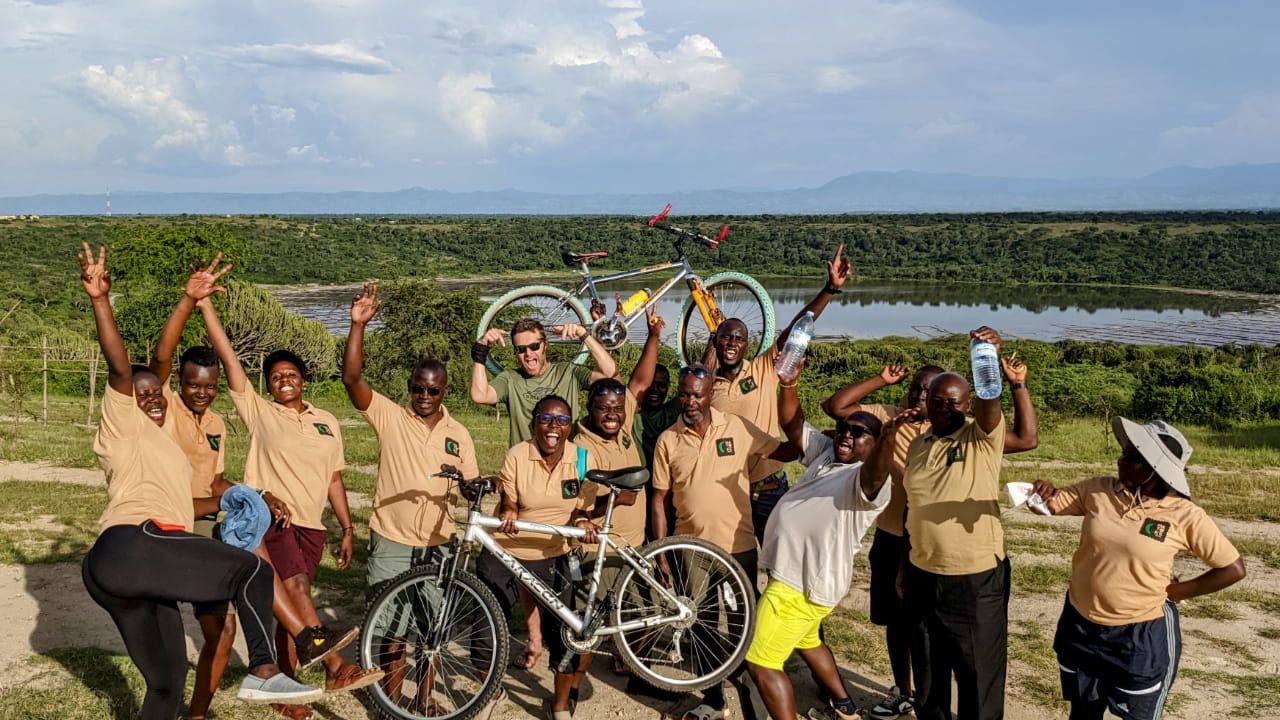
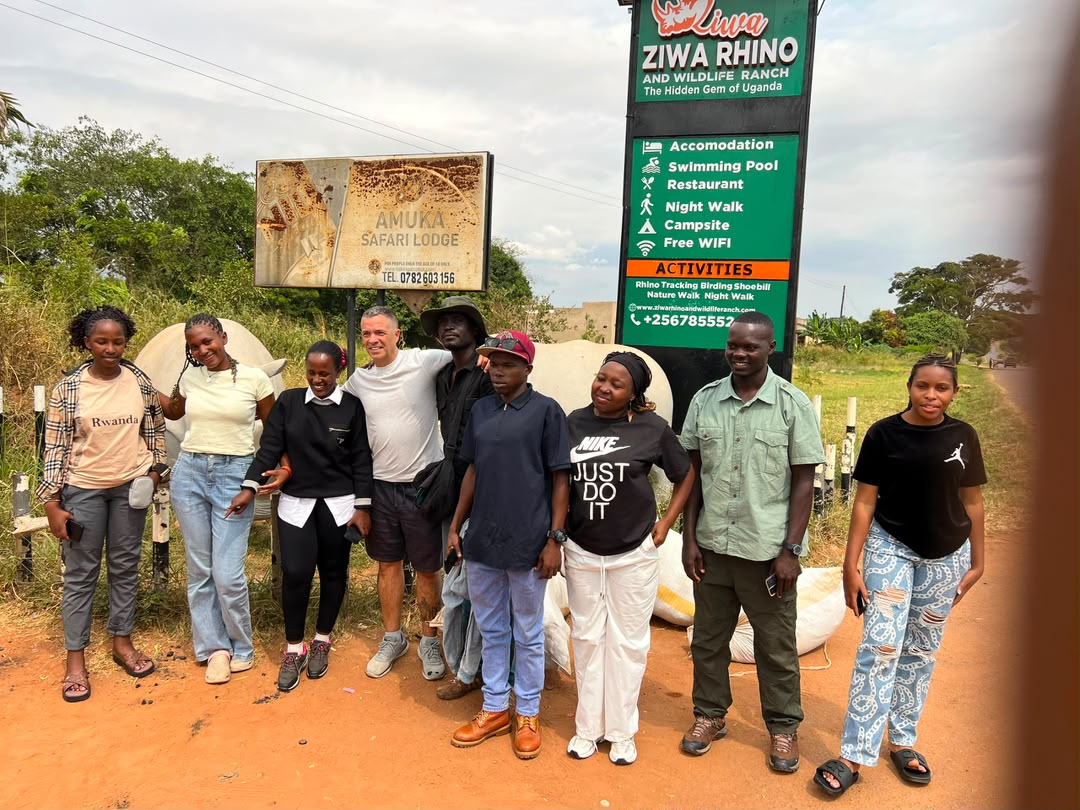
Field training in national parks also helps students gain practical experience in real conservation environments.
Wildlife Protection Through Tourism Revenue
Tourism generates revenue that directly supports wildlife protection programs. Funds from park entry fees and tourism activities are used for anti-poaching patrols, ranger salaries, and habitat conservation projects.
This financial support helps protect endangered species such as mountain gorillas and rhinos. It also enables conservation organizations to conduct research and monitoring activities.
Tourism revenue is therefore a critical pillar of biodiversity conservation in Uganda.
Sustainable Tourism Practices
Sustainable tourism ensures that tourism development does not harm the environment. It promotes responsible use of natural resources, waste reduction, energy efficiency, and habitat protection.
Tour operators and lodges are encouraged to adopt eco-friendly practices such as solar energy, recycling, and water conservation. Tourists are also educated on responsible behavior during wildlife encounters.
These practices help preserve Uganda’s biodiversity for future generations.
The Role of Tour Guides in Conservation
Tour guides play a key role in protecting biodiversity during tourism activities. They educate visitors about wildlife behavior, ecosystem importance, and conservation rules.
Guides ensure that tourists maintain safe distances from animals and avoid behaviors that could disturb wildlife. They also promote awareness about environmental protection.
Their role helps bridge the gap between tourism and conservation education.
Research and Monitoring in Biodiversity Conservation
Tourism supports scientific research and wildlife monitoring in Uganda’s protected areas. Researchers study animal behavior, population trends, and ecosystem health.
Tourism data also helps conservation authorities make informed decisions about wildlife management and park protection. In some cases, tourists contribute indirectly to research through funding and observation programs.
This collaboration strengthens conservation strategies.
Challenges Facing Biodiversity Conservation
Despite the benefits of tourism, Uganda’s biodiversity still faces challenges such as habitat loss, climate change, poaching, and human encroachment.
Increasing population pressure leads to land conversion for agriculture and settlement. Climate change also affects ecosystems and wildlife distribution.
Addressing these challenges requires strong conservation policies, community involvement, and continuous education.
Why Study Conservation Tourism at Uganda Tourism Institute
Uganda Tourism Institute provides professional training that prepares students for careers in tourism, wildlife management, and conservation. The programs combine theoretical learning with practical field experience.
Students gain skills in ecotourism, guiding, environmental conservation, and sustainable development. The training emphasizes professionalism, responsibility, and environmental awareness.
Graduates are well prepared to work in national parks, conservation organizations, tourism companies, and community development projects.