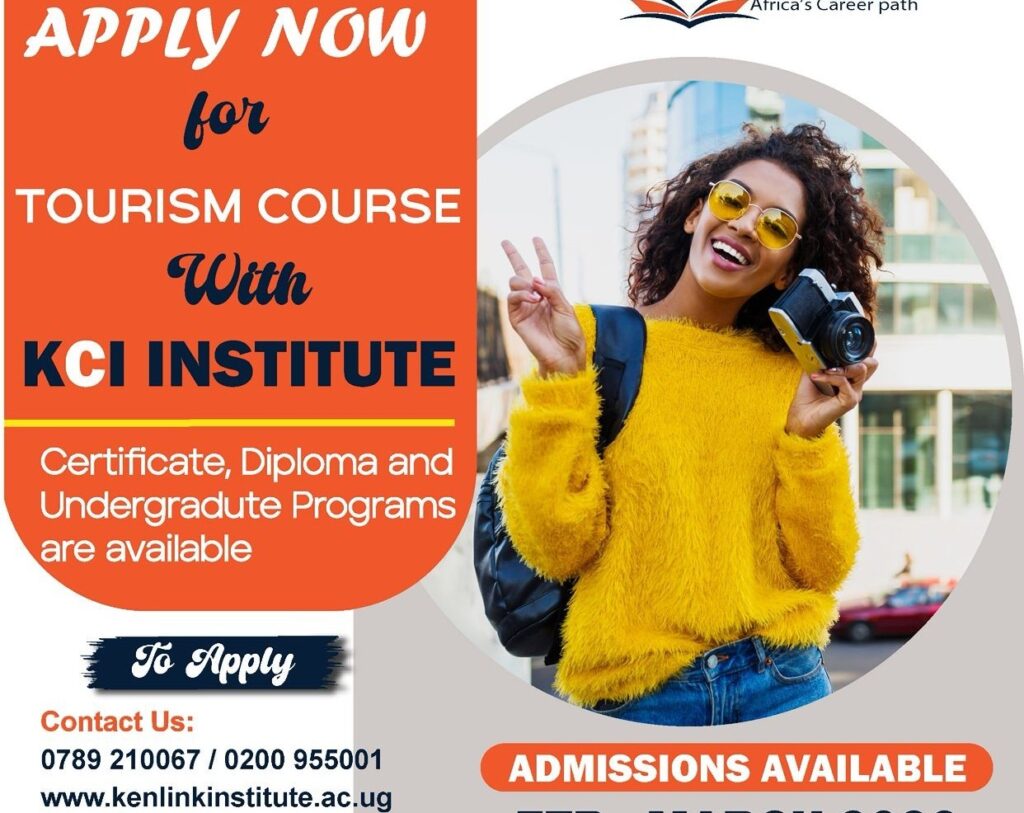

A strong CV is one of the most important tools for anyone seeking a job in Uganda’s tourism and hospitality industry. Whether you are applying for a position in a hotel, safari lodge, tour company, restaurant, or travel agency, your CV is what introduces you to the employer before an interview happens. In a competitive industry where employers receive many applications, a well-written CV can make the difference between being shortlisted and being overlooked. Understanding how to present your skills, education, and experience in a clear and professional way is essential for success.
Understanding What Employers Expect in Tourism Jobs
Employers in Uganda’s tourism sector are not only looking for academic qualifications but also for individuals who can deliver excellent customer service. The industry is highly focused on guest experience, meaning attitude, communication, and professionalism matter as much as technical skills. Employers want candidates who are friendly, reliable, well-presented, and capable of working in dynamic environments where customer satisfaction is a top priority.
Because tourism is service-driven, your CV must reflect your ability to interact with people, handle challenges, and contribute positively to a team. Showing that you understand these expectations helps you stand out from other applicants.
Creating a Clean and Professional CV Layout
The structure and appearance of your CV are the first things an employer notices. A winning CV should be simple, neat, and easy to read. Avoid complicated designs or unnecessary decorations that distract from the content. A clear font and well-organized sections make it easier for employers to quickly identify your strengths.
Your CV should follow a logical structure starting with personal details, followed by a professional profile, education background, work experience, skills, certifications, and references. For entry-level tourism jobs, keeping your CV to one or two pages is ideal because it ensures clarity and focus.
Writing a Strong Personal Profile
The personal profile section is your introduction to the employer and should summarize who you are as a professional. In tourism, this section should highlight your passion for hospitality, customer service skills, and any relevant training or experience you have gained.
Instead of using generic statements, focus on your strengths and what makes you suitable for the industry. A well-written profile should create a positive first impression and encourage the employer to continue reading your CV with interest.
Highlighting Education and Relevant Training
Education is an important part of your CV, especially if you are a fresh graduate or have limited work experience. Employers in tourism prefer candidates who have studied tourism management, hospitality management, culinary arts, travel operations, or related fields.
When listing your education, include the institution, course, and period of study in a clear format. If you have completed short courses such as customer care training, food safety, or computer skills, these should also be included because they demonstrate additional preparation for the job market.
Relevant training shows that you are committed to building a career in tourism and have invested time in developing industry-related knowledge.
Emphasizing Practical Experience and Internships
In the tourism industry, practical experience is extremely important. Employers value candidates who have worked or trained in real environments such as hotels, lodges, restaurants, or tour companies. Even if you have not had formal employment, internships and industrial training are considered valuable experience.
When describing your experience, include where you worked, your role, and the responsibilities you handled. Instead of simply listing duties, focus on what you learned and how you contributed. This helps employers understand your ability to apply knowledge in real workplace situations.
Practical experience demonstrates readiness for the job and increases your chances of being selected.
Showcasing Key Skills for Tourism Jobs
Skills are a central part of a winning CV in the tourism sector. Employers look for candidates who can communicate effectively, work well in teams, and handle customer needs professionally. Customer service skills are especially important because tourism is all about creating positive guest experiences.
Other valuable skills include problem-solving, time management, adaptability, and cultural awareness. Basic computer knowledge and familiarity with booking systems can also be an added advantage. If you know additional languages such as French or Swahili, including them can further strengthen your application.
Your skills section should match the requirements of the specific job you are applying for.
Including Certifications and Additional Qualifications
Certifications help demonstrate that you have gone beyond basic education to improve your professional abilities. In tourism, short courses in customer service, food hygiene, hospitality operations, or first aid are highly valued.
Including certifications in your CV shows commitment to learning and career development. Employers see this as a sign that you are serious about your profession and willing to improve your skills continuously.
Even certificates obtained during training or internships can make a strong difference in competitive job applications.
Writing About Achievements and Strengths
Achievements help employers understand what you are capable of beyond your responsibilities. In tourism, achievements do not have to be complicated or high-level. Completing successful internships, receiving positive feedback, participating in school tourism projects, or assisting in events are all meaningful accomplishments.
Highlighting achievements shows that you are proactive and capable of making a positive impact in a workplace. It also helps your CV stand out from others that only list duties without showing results or progress.
Demonstrating Communication and Language Skills
Communication is one of the most important skills in tourism because employees constantly interact with guests from different backgrounds. Your CV should clearly show your ability to speak, listen, and respond professionally.
If you are fluent in English, make sure it is clearly stated. If you know other languages, include them as well because tourism in Uganda serves international visitors. Language skills increase your chances of working in hotels, tour companies, and global tourism environments.
Good communication also reflects your ability to handle customers confidently and professionally.
Maintaining Honesty and Professional Integrity
Honesty is essential when writing a CV for tourism jobs. Employers often verify information during interviews or background checks, so it is important to present accurate details about your education, experience, and skills.
Instead of exaggerating, focus on presenting your real strengths in a confident and professional manner. Employers value trustworthiness and integrity, especially in an industry where employees handle customers and sensitive information.
A truthful CV builds credibility and increases your chances of long-term employment.
Tailoring Your CV for Each Job Application
A common mistake many job seekers make is using the same CV for all applications. In tourism, different roles require different skills, so your CV should be adjusted depending on the job.
For example, a front desk job requires strong communication and customer service skills, while a chef position focuses more on culinary skills and kitchen experience. A tour guide role emphasizes destination knowledge and storytelling ability.
Customizing your CV for each application helps you match employer expectations more closely and improves your chances of being shortlisted.
Adding References to Support Your Application
References are important in the tourism industry because they help employers verify your character and work performance. You should include at least two referees who can confidently speak about your abilities.
These can be lecturers, internship supervisors, or previous employers. Always inform your referees before listing them so they are prepared to respond when contacted.
Strong references add credibility to your CV and reassure employers about your reliability.
Avoiding Common CV Mistakes
Many applicants lose job opportunities due to simple CV mistakes. These include spelling errors, poor formatting, irrelevant information, and unprofessional email addresses. Another common mistake is writing very long CVs that are difficult to read.
A winning CV should be clear, concise, and free from errors. Always review your document before sending it to ensure it looks professional and well-organized.
Attention to detail reflects your seriousness about the job and your professionalism in the tourism industry.