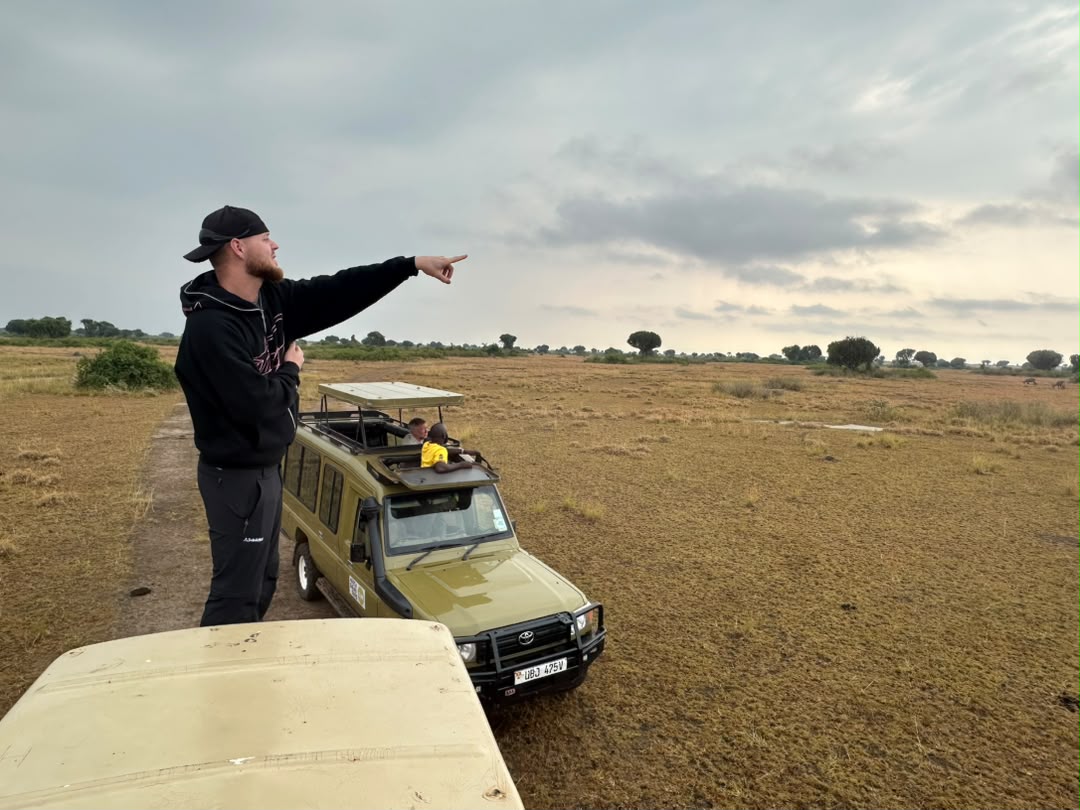

How to learn Tourism courses in Uganda. Uganda, famously known as the “Pearl of Africa,” is one of the fastest-growing tourism destinations on the continent. From mountain gorilla trekking in Bwindi to white-water rafting in Jinja, the industry needs a steady supply of well-trained professionals to keep it running smoothly — tour guides, hospitality staff, tourism operators, marketers, and drivers. If you’ve ever wondered how to learn tourism courses in Uganda and turn that training into a real career, this guide breaks the process down step by step.
Because tourism training in Uganda spans several specialties, from guiding to hotel management to travel operations, it helps to understand your options before you enroll. Here’s everything you need to know.
Why Study Tourism in Uganda
Tourism is one of Uganda’s top foreign exchange earners, and the sector continues to expand every year as more international visitors discover the country’s national parks, cultural sites, and adventure activities. This growth has created strong demand for trained professionals across the value chain — not just tour guides, but hotel staff, travel consultants, marketers, and drivers who understand how to serve tourists safely and professionally.
Studying tourism gives you a practical, employable skill set in a relatively short time, often without needing a full university degree. It’s also a career that lets you travel, meet people from around the world, and be part of showcasing your country’s natural beauty and culture.
Understand the Different Types of Tourism Courses
Before enrolling, it helps to know that “tourism course” is a broad category. In Uganda, tourism training generally falls into a few key areas:
- Tour Guiding & Driving – learning to lead tourists through parks and cultural sites while driving safely
- Tourism & Hospitality – broad training covering both the tourism and hotel/hospitality sectors
- Tours & Travel Management – focused on planning itineraries, managing bookings, and running tour operations
- Hotel Management and Hospitality – specializing in guest service, front office, and accommodation management
- Air-Ticketing Training – learning the systems and processes behind airline bookings and travel agency work
Knowing which area interests you most will help you choose the right course length and specialization when you enroll.
Step 1: Choose the Right Institute
The single most important decision in your tourism education journey is choosing where to study. Look for an institute that offers hands-on, practical training rather than purely theoretical classes, since tourism is a hospitality-driven, people-facing profession. At Uganda Tourism Institute, students train under experienced instructors with a strong focus on real-world skills, industry exposure, and nationally recognized certification — everything you need to graduate job-ready.
You can browse the full list of available programmes on the our courses page, which outlines course durations ranging from short two-week certifications to comprehensive one-year diplomas.
Step 2: Decide Between a Short Course and a Longer Diploma
Tourism training in Uganda is flexible, which is one of its biggest advantages. If you want to enter the job market quickly, short courses such as Tour Guiding & Driving or Tourism Operations typically run for around four months. If you prefer a deeper, more comprehensive qualification, half-year and one-year diploma programmes like Tours & Travel Management or Driving & Tour Guiding provide a broader foundation and stronger credentials for career growth.
Whichever path you choose, make sure the programme includes practical training components, not just classroom theory, so you graduate with real, demonstrable skills.
Step 3: Check the Entry Requirements
One of the great things about tourism courses in Uganda is that they are accessible to learners from a wide range of educational backgrounds. Most short courses accept students with at least a Primary Seven or O-Level qualification, making tourism a realistic career path even for school leavers who are not pursuing a university education. If you’re a younger learner unsure where you fit, this resource on which course can P7 leavers do in Uganda offers useful guidance on suitable entry points.
Step 4: Learn the Core Tourism Skills
Regardless of which specialization you choose, a strong tourism programme should teach you:
- Customer care and communication skills for working with international visitors
- Knowledge of Uganda’s national parks, wildlife, and cultural heritage
- Tour planning, itinerary building, and basic first aid
- Professional ethics, punctuality, and workplace etiquette
- Practical skills specific to your specialization (driving, front office, ticketing, etc.)
To understand exactly what’s expected of a professional in the field, it’s worth reading about what makes up a tourist guide, which outlines the core competencies every tourism professional should develop, whether or not guiding is their main focus.
Step 5: Combine Classroom Learning With Practical Exposure
Tourism is a hands-on profession, so the best training programmes go beyond lectures. Look for institutes that include field trips, mock tours, and supervised practical sessions, since these give you a taste of real working conditions before you graduate. Learners who want a faster, more focused introduction to guiding specifically can also consider a short tour guiding course in Uganda as a starting point before advancing to broader tourism and hospitality training.
Step 6: Explore Related Specializations
Tourism careers often overlap with other industries, so it’s worth exploring complementary training that can strengthen your profile. For example, many tourism professionals benefit from studying hospitality management courses in Uganda alongside their core tourism training, since hotels, lodges, and resorts are major employers in the sector. Others add marketing skills through options like a short course in marketing in Uganda, which helps graduates who want to promote tour packages, manage social media for a tour company, or eventually run their own tourism business.
If your interest leans more toward guiding and driving specifically, you may also want to read our companion guide on how to become a tour driver in Uganda for a closer look at that career path.
Step 7: Choose Flexible Learning Options
Not everyone can commit to full-time physical classes, and a good tourism institute should accommodate that. Many programmes now offer both online and physical class options, allowing working learners or those in remote areas to study conveniently. Before enrolling, check the intakes page for upcoming start dates and confirm which learning format best fits your schedule.
Step 8: Get Certified
A recognized certificate or diploma is what turns your training into a credible qualification employers can trust. When choosing where to study, confirm that the institute’s certifications are nationally recognized within Uganda’s vocational training framework, as this significantly improves your chances of employment both locally and internationally. Graduates with proper certification stand out to tour operators, hotels, and travel agencies looking for qualified, job-ready staff.
Step 9: Gain Experience and Start Building Your Career
Once certified, the real learning continues on the job. Many tourism graduates start with internships or entry-level roles at tour companies, lodges, or travel agencies before advancing into more specialized or senior positions. Building a strong reputation, staying professional, and continuously updating your knowledge of Uganda’s tourism landscape will help you grow steadily in this competitive but rewarding field.
Some learners also expand into related practical fields — for instance, those interested in transport and logistics roles within tourism sometimes pursue additional training such as heavy machinery training to broaden their skill set and employability.
Who Should Consider a Tourism Course
Tourism training in Uganda is suited to a wide range of people: fresh school leavers exploring career options, adults looking to switch careers, entrepreneurs planning to start a travel business, and even working professionals in hospitality who want to formalize their skills with a recognized qualification. Because courses range from a few weeks to a full year, there’s a suitable entry point for almost anyone motivated to join the industry.
Why Choose KCI Institute for Your Tourism Education
At KCI Institute, known online through Uganda Tourism Institute, students get access to practical, industry-focused training designed around the real needs of Uganda’s tourism sector. With experienced instructors, flexible online and physical learning options, and a wide range of specializations — from tour guiding and driving to hospitality management and tourism operations — the institute is built to turn beginners into confident, employable professionals.
Beyond the classroom, KCI Institute connects learners to Uganda’s wider tourism network, helping graduates step confidently into jobs with tour operators, hotels, lodges, and travel agencies across the country.
Final Thoughts
Learning a tourism course in Uganda is one of the most practical and rewarding ways to build a stable career while being part of an industry that continues to grow year after year. Whether you’re drawn to guiding, hospitality, travel operations, or ticketing, the right training will equip you with real, employable skills and open doors across Uganda’s tourism economy.
Ready to begin? Apply now to join a tourism programme at KCI Institute and take the first step toward a rewarding career in Uganda’s tourism industry.