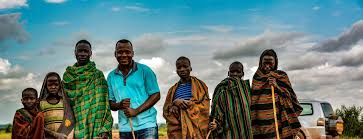

Cultural tour guiding in Uganda is about more than showing places—it is about telling the living story of a nation. A good cultural guide becomes a storyteller, interpreter, and bridge between visitors and Uganda’s diverse communities, traditions, and history.
From the kingdoms of Buganda to the pastoral traditions of Karamojong communities, Uganda offers rich cultural depth that tourists are eager to understand. A skilled guide turns these experiences into meaningful stories.
🌍 What is Cultural Tour Guiding?
Cultural tour guiding involves leading tourists through experiences that showcase:
- Traditional lifestyles and practices
- Local history and heritage
- Music, dance, and storytelling
- Indigenous knowledge systems
- Cultural sites and kingdoms
- Community life and daily activities
Unlike wildlife guiding, the focus is on people, identity, and heritage.
🏛️ Understanding Uganda’s Cultural Diversity
To tell Uganda’s story well, you must first understand its diversity.
Uganda is home to:
- Over 50 ethnic groups
- Multiple traditional kingdoms like Buganda, Bunyoro, and Tooro
- Pastoral communities such as the Karamojong
- Forest-based communities like the Batwa
Each group has its own language, customs, and traditions, making Uganda one of Africa’s most culturally rich countries.
Key cultural tourism destinations include areas around Bwindi Impenetrable National Park, Queen Elizabeth National Park, and Kampala cultural sites.
🎤 How to Tell Uganda’s Story Effectively
📖 1. Start with a Strong Narrative
Every cultural tour should feel like a story with:
- A beginning (history and background)
- A middle (daily life and experiences)
- An ending (lessons and reflections)
Example: Instead of just explaining a village, tell how the community evolved, what challenges they faced, and how they live today.
🗣️ 2. Use Simple and Engaging Language
Tourists come from different countries, so avoid complicated explanations.
Good cultural guides:
- Speak clearly and slowly
- Use storytelling instead of lectures
- Ask questions to involve tourists
- Use humor where appropriate
🧭 3. Connect Culture to Real Life
Make culture relatable by linking it to:
- Food and cooking traditions
- Family structure and daily routines
- Farming and fishing practices
- Marriage and ceremonies
- Traditional medicine
This helps visitors understand culture as a living experience, not history in a book.
🥁 4. Include Music, Dance, and Performance
Cultural guiding becomes powerful when it includes:
- Traditional dances
- Drumming performances
- Storytelling sessions
- Local songs and chants
These elements make Uganda’s culture come alive for visitors.
🧑🤝🧑 5. Involve Local Communities
Authentic storytelling must include local people.
A good guide:
- Works with community elders and cultural leaders
- Supports local artisans and performers
- Ensures communities benefit from tourism
- Encourages respectful interaction between tourists and locals
🏡 Key Cultural Experiences in Uganda
Some of the most important cultural experiences include:
🪶 Batwa cultural experience
Around Bwindi Impenetrable National Park, visitors learn about forest life, hunting traditions, and survival skills of the Batwa people.
🐘 Ankole cultural experience
In western Uganda, tourists explore cattle-keeping traditions, especially long-horned cattle culture.
🪘 Karamojong cultural experience
In the northeast, visitors experience pastoral lifestyles, dances, and traditional homesteads.
🏛️ Buganda kingdom heritage
In Kampala and surrounding areas, tourists learn about royal traditions, palaces, and cultural governance.
🎓 Skills Needed for Cultural Tour Guiding
To succeed as a cultural guide, you must develop:
🗣️ Communication skills
Clear storytelling and public speaking are essential.
📚 Cultural knowledge
Understand traditions, history, and social structures deeply.
🤝 Interpersonal skills
Respect and sensitivity when dealing with different cultures.
🎭 Storytelling ability
Turn facts into engaging stories.
🌍 Language skills
English plus local languages and foreign languages (French, German, etc.).
🧠 Emotional intelligence
Understand tourist expectations and cultural sensitivity.
🎓 Training for Cultural Tour Guides
You can train through:
- Certificate in Tour Guiding
- Cultural Heritage Interpretation Courses
- Tourism and Hospitality programs
- Community tourism training workshops
Training institutions in Uganda often combine classroom learning with field exposure in cultural sites and communities.
💰 Career Opportunities
Cultural tour guides can work as:
- Cultural site guides
- Community tourism coordinators
- Safari cultural interpreters
- Heritage site educators
- Tour company cultural specialists
You can also work with companies like Kenlink Tours or Home To Africa Tours and Travel, which include cultural experiences in safari itineraries.
🌱 Why Cultural Tour Guiding Matters
Cultural guiding is important because it:
- Preserves Uganda’s heritage
- Creates jobs for local communities
- Promotes understanding between cultures
- Supports sustainable tourism
- Gives tourists deeper travel experiences
⚖️ Challenges in Cultural Tour Guiding
- Risk of misrepresenting cultures if poorly trained
- Language barriers with tourists
- Limited funding in rural tourism areas
- Seasonal tourism demand
- Need for continuous learning and respect for traditions
Related Posts
Wildlife and Adventure Tourism Courses
Posted on