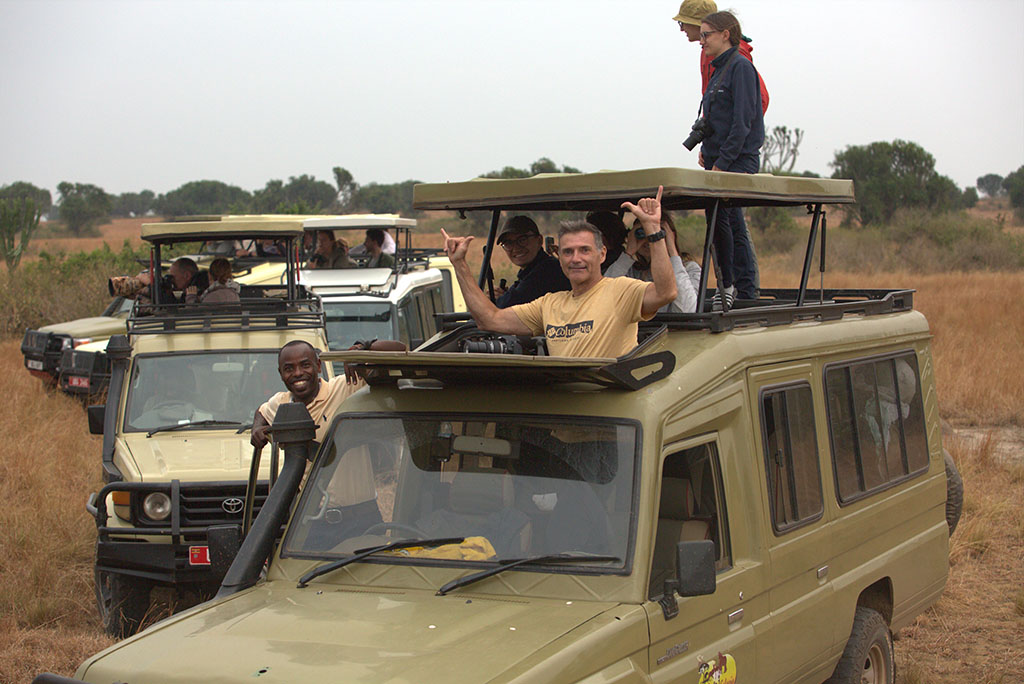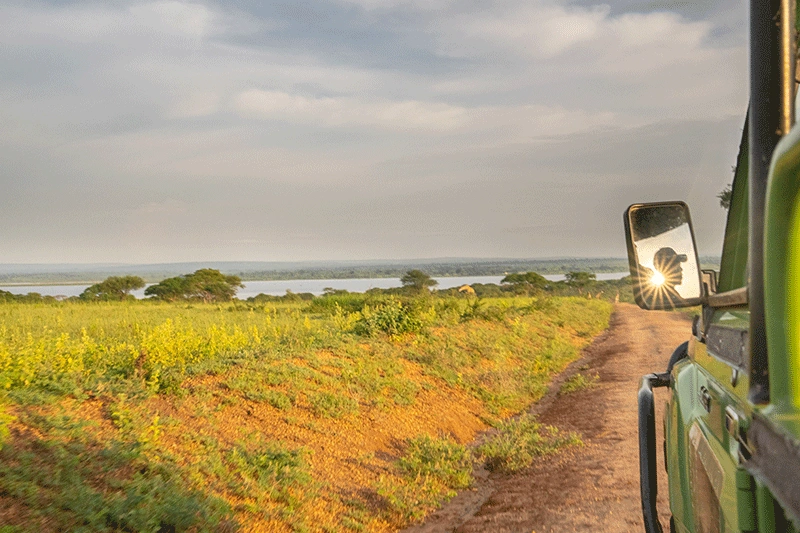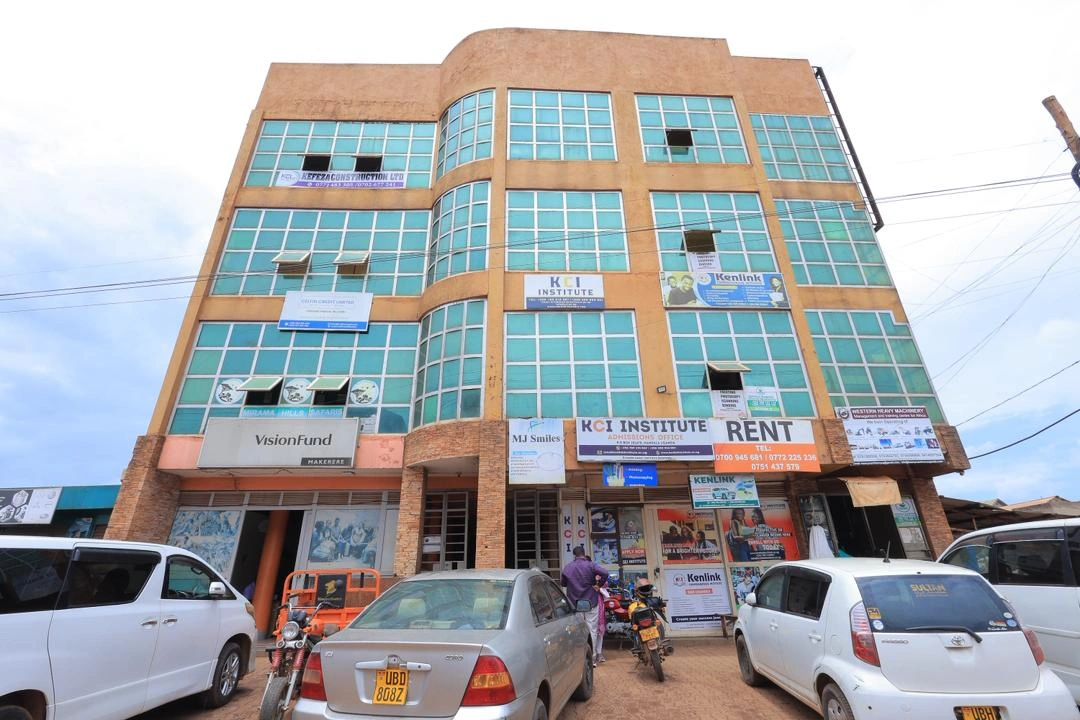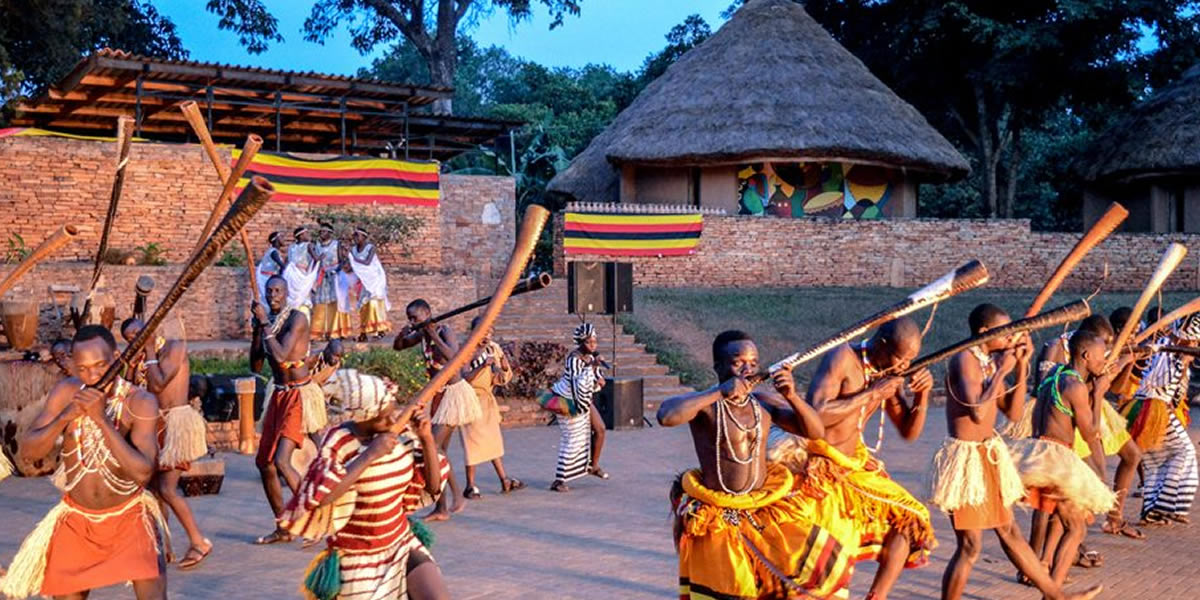

Cultural tourism is one of the most meaningful and fast-growing areas of Uganda’s tourism industry. It focuses on experiencing and learning about local traditions, lifestyles, history, music, dance, crafts, and community life.
In Uganda, cultural tourism gives visitors a chance to go beyond wildlife safaris and connect deeply with the people who make the country unique. For young people, it is also a powerful pathway to employment and entrepreneurship.
What is Cultural Tourism?
Cultural tourism involves travel experiences that focus on:
- Traditional lifestyles and communities
- Music, dance, and storytelling
- Historical sites and heritage
- Local food and crafts
- Cultural ceremonies and festivals
In Uganda, cultural tourism is closely linked with safari experiences, especially around national parks and rural communities.
Why Cultural Tourism Matters in Uganda
Uganda is home to more than 50 ethnic groups, each with unique traditions. This diversity makes cultural tourism a strong tourism product.
It helps to:
- Preserve cultural heritage
- Create jobs for local communities
- Support income generation in rural areas
- Enhance Uganda’s tourism diversity
- Promote peaceful cultural exchange
Where Cultural Tourism Happens in Uganda
Some of the most popular cultural tourism experiences include:
1. Batwa Cultural Experience
Near Bwindi Impenetrable National Park, visitors learn about the Batwa people’s traditional forest lifestyle, music, and survival skills.
2. Karamoja Cultural Tourism
In northeastern Uganda, visitors experience:
- Traditional homesteads
- Warrior dances
- Local crafts
- Pastoral lifestyle
3. Buganda Kingdom Cultural Sites
Around central Uganda, tourists visit:
- Historical palaces
- Royal tombs
- Cultural ceremonies
4. Community Tourism Villages
Across Uganda, communities offer:
- Traditional cooking experiences
- Cultural performances
- Craft making workshops
How to Build a Career in Cultural Tourism
If you want to work in this field, there are several pathways you can follow.
Step 1: Study Tourism or Related Courses
Start with a course such as:
- Certificate in Tourism Management
- Diploma in Travel and Tour Operations
- Cultural Tourism modules within hospitality programs
These courses teach communication, guiding, and tourism operations skills.
Step 2: Learn Cultural Knowledge and Storytelling
To succeed, you must understand:
- Local traditions and history
- Cultural etiquette
- Storytelling techniques
- Visitor engagement skills
Cultural tourism is not just about facts—it is about experiences and storytelling.
Step 3: Gain Practical Experience
Work or volunteer with:
- Tour companies
- Community tourism projects
- Cultural centers
- NGOs supporting heritage tourism
Experience helps you understand real visitor expectations.
Step 4: Develop Tour Guiding Skills
Cultural tourism professionals must be able to:
- Guide visitors in communities
- Explain cultural practices clearly
- Handle diverse international tourists
- Promote respect between cultures
Step 5: Build Communication and Marketing Skills
Modern cultural tourism also requires:
- Social media promotion
- Content creation (photos, videos, blogs)
- Customer service skills
- Sales and travel packaging
Career Opportunities in Cultural Tourism
Once trained, you can work in:
Cultural Tour Guide
Leading visitors through cultural sites and explaining traditions.
Community Tourism Coordinator
Managing tourism activities in rural communities.
Cultural Experience Designer
Creating tours that include dance, food, storytelling, and heritage visits.
Tour Operator
Packaging cultural tours for domestic and international tourists.
Cultural Tourism Entrepreneur
Starting your own community-based tourism project.
Skills You Need to Succeed
To build a strong career, you need:
- Communication skills
- Cultural awareness
- Customer care skills
- Creativity in storytelling
- Tourism knowledge
- Business and marketing skills
Why Cultural Tourism is a Growing Opportunity
Cultural tourism is expanding because travelers today want:
- Authentic experiences
- Interaction with local people
- Unique cultural learning
- Community-based travel
Uganda is well positioned because of its rich cultural diversity and welcoming communities.