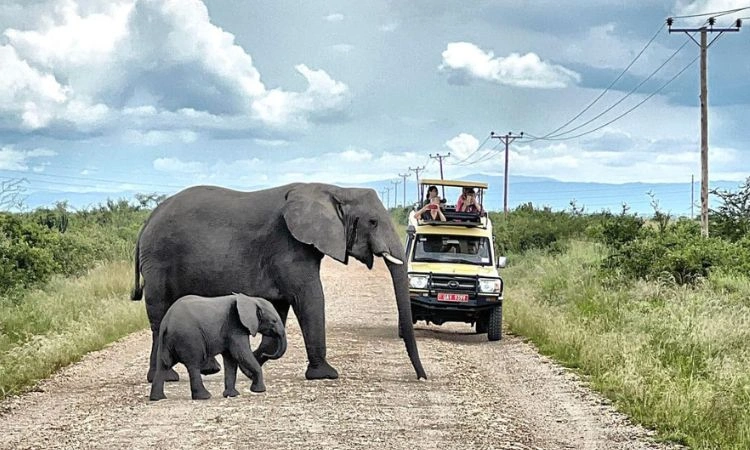

Uganda’s tourism industry has experienced tremendous growth over the years, leading to the expansion of safari lodges, luxury camps, eco-resorts, and wildlife accommodations across the country. These establishments rely heavily on professional hospitality staff to provide memorable experiences for guests from different parts of the world. Among the most essential departments within safari lodges is the food and beverage section, which plays a major role in ensuring guest satisfaction. Food and beverage training equips individuals with the practical skills and professional knowledge required to work successfully in these unique hospitality environments.
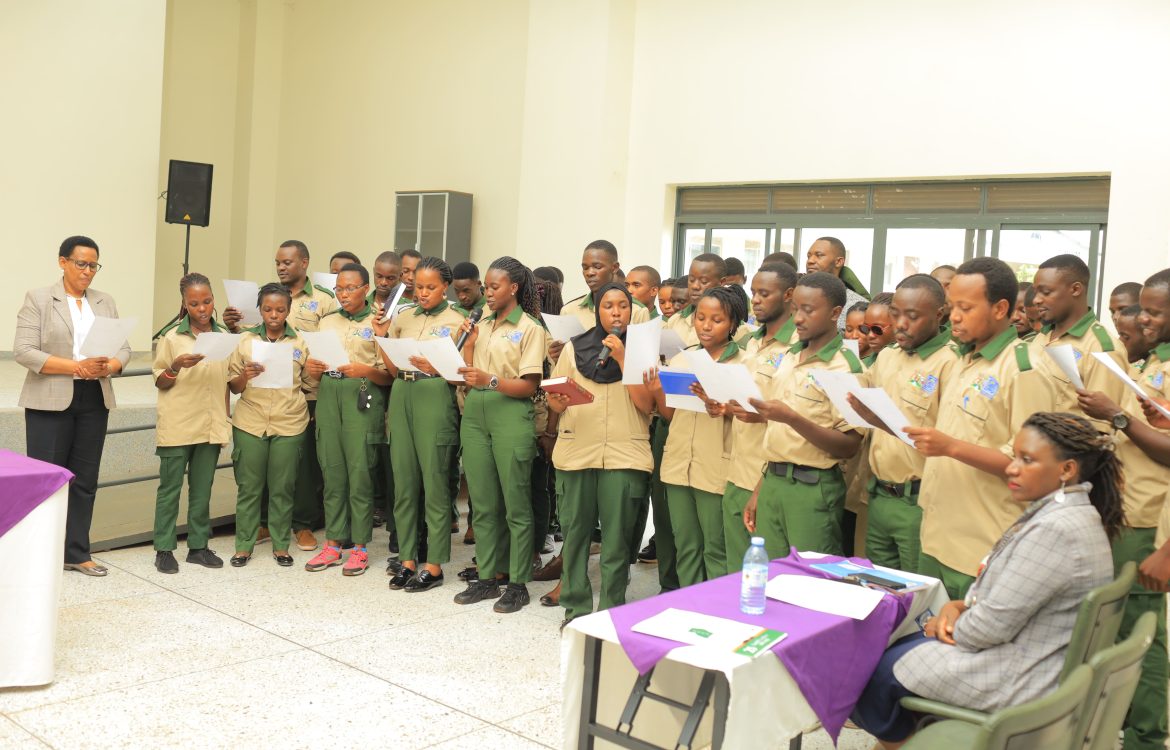
At Uganda Tourism Institute, students receive industry-oriented training that prepares them for rewarding careers in safari lodges and other hospitality establishments. Through practical experience and theoretical knowledge, graduates are able to meet the standards expected in Uganda’s growing tourism sector.
Understanding the Role of Food and Beverage Staff in Safari Lodges
Safari lodges offer more than accommodation; they provide complete experiences that combine comfort, adventure, and exceptional hospitality. Guests expect high-quality meals, professional service, and personalized attention throughout their stay. Food and beverage staff are responsible for ensuring that these expectations are met.
Professionals working in this department handle restaurant service, room service, beverage preparation, banquet functions, and customer interactions. Their contribution directly influences the reputation and success of the lodge. As a result, employers prefer individuals who possess formal training and understand international hospitality standards.
Developing Professional Customer Service Skills
Excellent customer service is one of the most valuable qualities required in safari lodges. Visitors come from different countries and cultural backgrounds, and they expect friendly, efficient, and professional service. Food and beverage training helps students develop communication skills, interpersonal abilities, and customer care techniques that are essential in the hospitality industry.
Students learn how to welcome guests, handle complaints professionally, respond to special requests, and create positive dining experiences. These skills are highly appreciated by employers because they contribute to guest satisfaction and encourage repeat visits.
Learning Proper Food and Beverage Service Techniques
Professional training exposes students to the correct procedures involved in serving food and beverages. They learn table setting, menu presentation, order taking, serving techniques, and beverage handling. These skills enable graduates to work confidently in restaurants, bars, and dining areas within safari lodges.
Proper service techniques not only improve efficiency but also enhance the overall guest experience. In luxury lodges where attention to detail is important, professionally trained staff have a significant advantage in the job market.
Understanding International Hospitality Standards
Safari lodges cater to both domestic and international travelers. Therefore, maintaining international standards is essential for providing world-class experiences. Food and beverage training introduces students to industry best practices, service etiquette, and quality assurance procedures.
Graduates understand the importance of professionalism, punctuality, grooming, and maintaining high levels of cleanliness. These qualities help them adapt easily to the working environments found in premium lodges and resorts throughout Uganda and East Africa.
Gaining Knowledge of Food Safety and Hygiene
Food safety and hygiene are critical aspects of hospitality operations. Guests expect meals that are prepared and served under clean and safe conditions. Failure to maintain hygiene standards can damage the reputation of a lodge and affect customer confidence.
Through food and beverage training, students learn proper sanitation procedures, food storage methods, personal hygiene practices, and workplace safety measures. This knowledge enables them to maintain quality standards and contribute to the smooth operation of food service departments.
Building Teamwork and Communication Skills
Working in a safari lodge requires collaboration among different departments. Food and beverage personnel must coordinate with chefs, housekeeping staff, receptionists, and managers to ensure excellent service delivery. Training helps students develop teamwork and communication skills that are essential in hospitality environments.
Strong collaboration allows staff members to work efficiently and handle guest needs effectively. These skills also enhance workplace relationships and contribute to career growth within the industry.
Preparing for Multicultural Working Environments
Safari lodges attract visitors from Europe, America, Asia, and other regions of the world. Employees must therefore be capable of interacting with people from diverse cultural backgrounds. Food and beverage training helps students understand customer expectations and develop the confidence needed to serve international guests professionally.
Exposure to hospitality standards and communication techniques enables graduates to work comfortably in multicultural settings. This experience becomes valuable for individuals seeking opportunities in international hospitality markets.
Creating Opportunities for Career Growth
Food and beverage training opens doors to various career opportunities within safari lodges. Graduates may begin as waiters, bartenders, or food service attendants and gradually progress to supervisory and management positions.
With experience and additional skills, individuals can become restaurant supervisors, food and beverage managers, guest relations officers, banquet coordinators, or lodge managers. The hospitality industry offers numerous pathways for professional growth, making it one of the most promising sectors for ambitious individuals.
Enhancing Employability in Uganda’s Tourism Sector
The continued growth of tourism in Uganda has increased the demand for skilled hospitality professionals. New lodges, camps, and resorts require competent staff who understand food and beverage operations. Employers often prefer candidates who have undergone formal training because they require less supervision and can deliver quality service from the beginning.
Graduates with food and beverage qualifications are therefore better positioned to secure employment opportunities in national parks, luxury lodges, city hotels, conference centers, and other tourism establishments.
Supporting Entrepreneurship Opportunities
Food and beverage training does not only prepare individuals for employment but also equips them with entrepreneurial skills. Many graduates establish successful catering businesses, restaurants, cafés, and event management companies. The knowledge gained in menu planning, customer service, and business operations provides a strong foundation for self-employment.
As tourism continues to grow, there is increasing demand for quality catering services and food-related businesses that support the hospitality industry. Entrepreneurs with professional training are well positioned to take advantage of these opportunities.
Developing Confidence and Professionalism
Confidence and professionalism are important qualities in hospitality careers. Practical training allows students to gain hands-on experience, helping them become comfortable with different aspects of food and beverage service. Exposure to real-life scenarios prepares graduates to handle customer interactions and workplace challenges effectively.
Professionalism also influences career advancement. Employers value individuals who demonstrate responsibility, reliability, and a commitment to delivering excellent service.
Why Safari Lodges Prefer Trained Professionals
Safari lodges operate in a highly competitive tourism environment where guest satisfaction is a priority. Employers seek staff who understand hospitality standards and can contribute to creating unforgettable experiences for visitors. Professionally trained individuals are more likely to meet these expectations because they possess both technical and interpersonal skills.
Training also reduces the time and resources required for on-the-job instruction. This makes qualified graduates attractive candidates for employment in leading lodges and resorts throughout Uganda.
Why Study Food and Beverage Service at Uganda Tourism Institute
Uganda Tourism Institute is committed to producing competent hospitality professionals capable of supporting the country’s growing tourism industry. Through practical learning and industry exposure, students acquire the knowledge and experience required to succeed in food and beverage operations.
The institute emphasizes customer service, hygiene, communication skills, and professionalism. These competencies are highly valued by employers and enable graduates to pursue successful careers in safari lodges, hotels, restaurants, and other hospitality establishments.