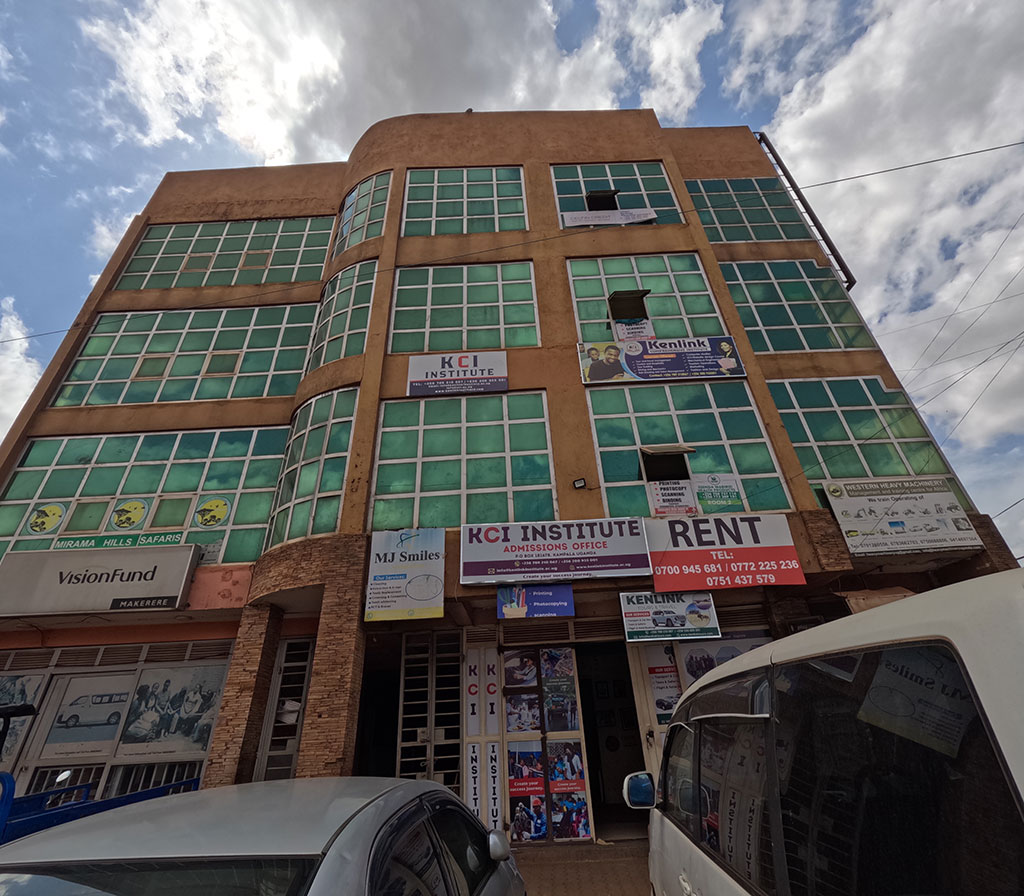

KCI Institute in Uganda is a vocational and skills-based training institution that focuses on equipping students with practical knowledge needed in today’s job market. The institute offers a wide range of programs in tourism, hospitality, ICT, business, automotive studies, and other technical fields. With its strong emphasis on hands-on training, KCI Institute prepares students for direct employment and entrepreneurship in Uganda’s fast-growing industries.
About KCI Institute and Its Training Approach
KCI Institute is designed to bridge the gap between classroom learning and real industry demands. The institute focuses on practical education where students gain real-world experience through workshops, field training, and internships. This approach ensures that graduates are job-ready and able to perform effectively in workplaces such as hotels, tour companies, travel agencies, and other service industries.
The institute’s mission is to empower students with employable skills that support personal growth and contribute to Uganda’s economic development, especially in tourism and hospitality sectors.
Courses Offered at KCI Institute
KCI Institute offers a variety of short courses, certificate programs, and diploma-level training depending on student interests and career goals. In the tourism and hospitality field, some of the popular courses include tourism operations, tourism and hospitality management, tour guiding and driving, and travel and tourism studies.
Other related programs include hotel management, digital marketing, ICT, business administration, fashion and design, automotive mechanics, and driving courses. These programs are structured to meet both beginner and advanced learners, making the institute suitable for school leavers and career changers.
Short courses typically run for a few months, while certificate and diploma programs may take up to one or two years depending on the course structure.
Tourism and Hospitality Courses in Detail
The tourism-related programs at KCI Institute are among the most popular. Courses such as tourism operations, tour guiding and driving, and tourism and hospitality management are designed to prepare students for careers in Uganda’s safari industry, hotels, and travel companies.
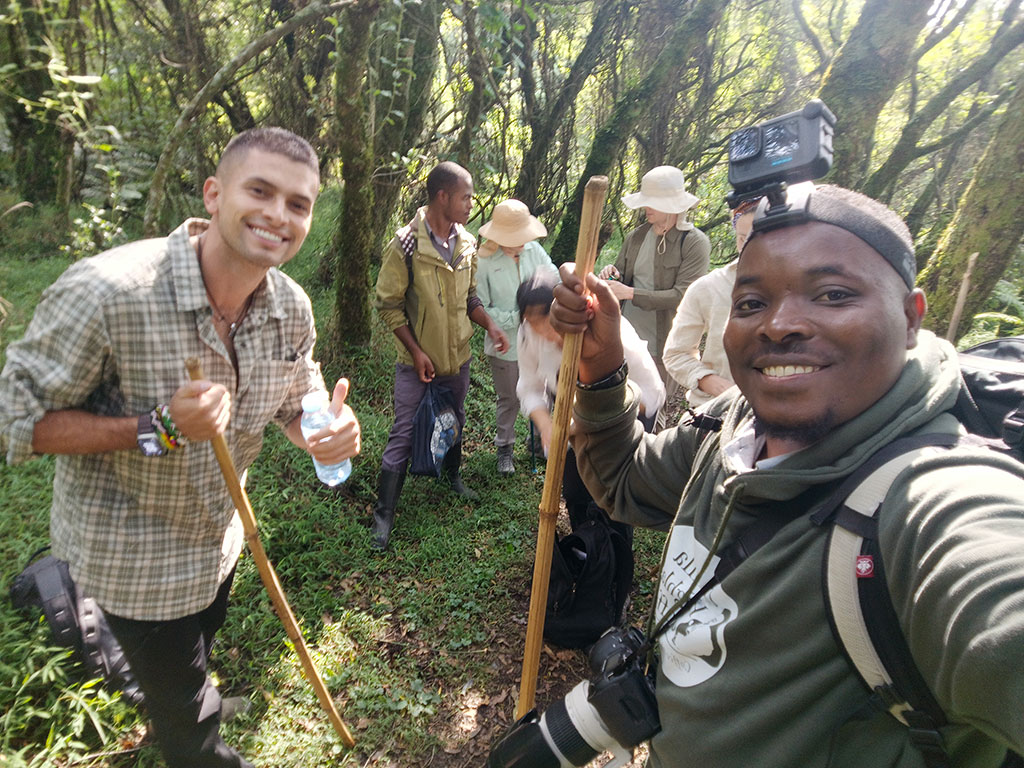
Students learn destination knowledge, customer service, tour planning, wildlife interpretation, and communication skills. The training also includes practical exposure through field trips and attachments in real tourism environments, helping learners gain confidence in handling tourists and managing travel experiences.
Admission Requirements for KCI Institute
Admission into KCI Institute is open to a wide range of applicants. Certificate courses generally require completion of Uganda Certificate of Education (UCE), while diploma programs may require Uganda Advanced Certificate of Education (UACE) or equivalent qualifications.
However, the institute also accepts students who are interested in skills development even if they come from different academic backgrounds. Applicants are mainly assessed based on interest, willingness to learn, and suitability for the chosen course.
How To Apply and Enroll at KCI Institute
The application process at KCI Institute is simple and accessible. Prospective students begin by obtaining an application form either from the institute or through official admission channels. After filling in the required personal and academic details, applicants submit the form together with supporting documents such as academic certificates, identification, and passport photos.
Once submitted, the admissions team reviews the application. Successful applicants are then contacted and offered admission. After acceptance, students complete registration, pay required fees, and attend orientation before starting classes.
The institute has multiple intakes throughout the year, giving students flexibility to join at different times depending on availability.
Fee Structure and What To Budget For
The cost of studying at KCI Institute depends on the course selected and its duration. Short courses such as tour guiding and driving may cost around UGX 650,000, while tourism operations programs are approximately UGX 550,000. Other courses such as hotel management and hospitality or fashion and design may range between UGX 400,000 and UGX 650,000 depending on duration and structure.
Diploma and certificate programs are usually charged per semester, with fees commonly around UGX 500,000 per semester for tourism and hospitality-related programs. More technical courses like ICT or engineering-related studies may have higher fees due to equipment and practical requirements.
In addition to tuition, students should budget for registration fees, ID fees, development fees, examination fees, uniforms, and practical training materials. Accommodation and living expenses should also be considered for students staying away from home.
Additional Costs Students Should Expect
Apart from tuition, students may incur extra costs such as field trips, industrial training, transport, and learning materials. Fieldwork is an important part of tourism training because it gives students real exposure to national parks, hotels, and travel destinations.
Accommodation costs vary depending on location and facilities, while personal expenses such as meals and transport also need to be planned for. These additional costs help students understand the full financial requirement before joining the institute.
Why Choose KCI Institute for Tourism Studies
KCI Institute is known for its practical approach to training, which prepares students for immediate employment after graduation. The institute emphasizes real-world experience, ensuring that students gain confidence and competence in their chosen fields.
The tourism and hospitality programs are especially valuable because Uganda’s tourism industry is growing rapidly and requires skilled professionals in hotels, safari companies, and travel agencies. Students benefit from industry exposure, experienced trainers, and hands-on learning opportunities.
Career Opportunities After Graduation
Graduates of KCI Institute can pursue careers in tourism, hospitality, travel operations, customer service, and entrepreneurship. Common job roles include tour guides, travel consultants, hotel staff, front office executives, and tour coordinators.
Some graduates also choose to start their own businesses such as tour companies, travel agencies, catering services, or hospitality ventures. The skills gained at the institute are also useful for international job opportunities in tourism-related fields.