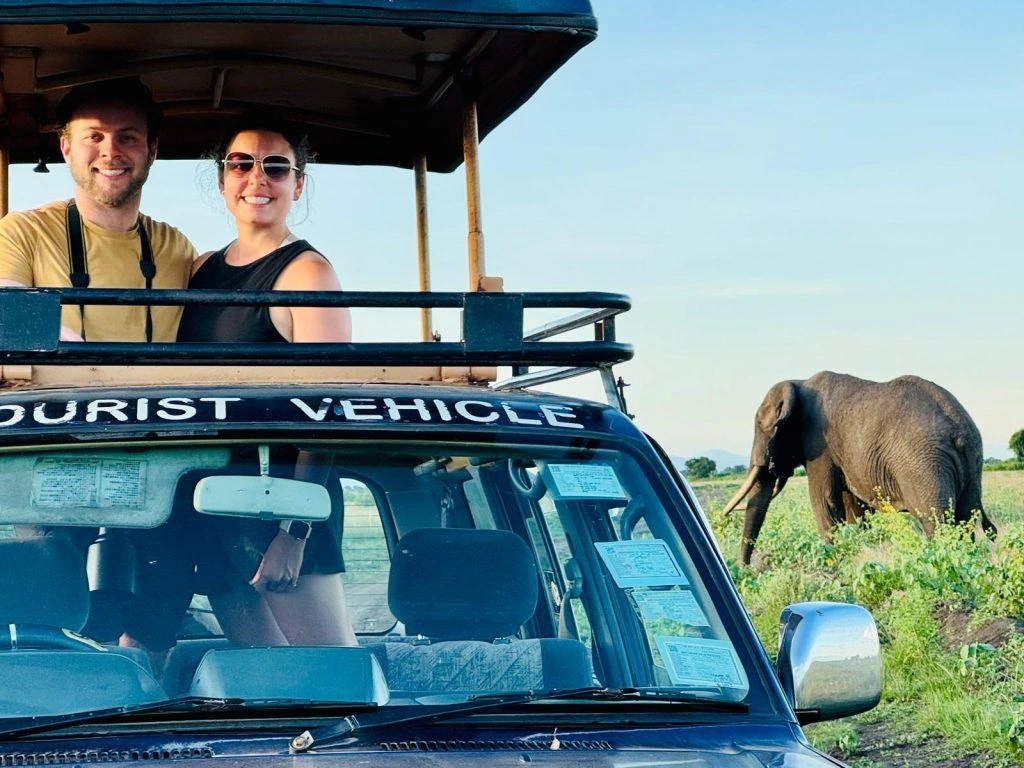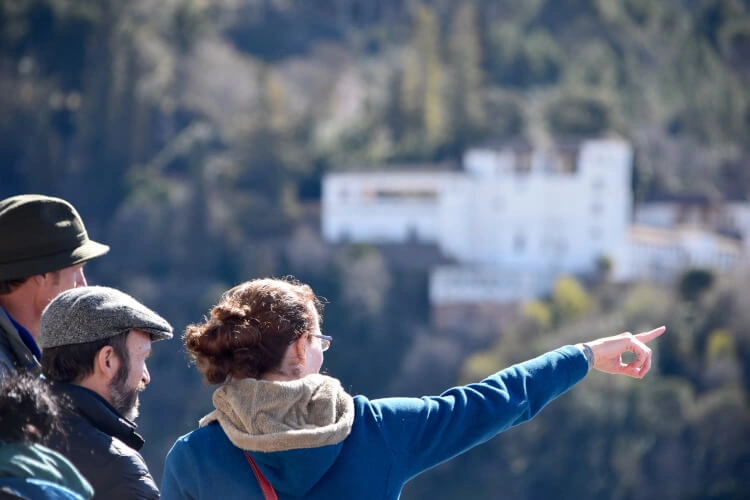

Qualities of professional tourist guides. Tourist guides are the beating heart of every great travel experience. They are the bridge between a destination and the people who visit it — translating landscapes, history, culture, and wildlife into moments that last a lifetime. In a country as richly diverse as Uganda, with its mountain gorillas, sweeping savannahs, ancient kingdoms, and vibrant cultures, the role of a tourist guide is not just important — it is absolutely indispensable.
But what truly separates a good guide from a great one? Whether you are a traveler choosing who leads your safari or a student considering a career in the tourism sector, understanding the core qualities of a professional tourist guide is essential. At Uganda Tourism Institute, we train the next generation of industry-ready tourism professionals, and we know firsthand what it takes to excel in this field.
1. Deep Knowledge of the Destination
The most fundamental quality of any professional tourist guide is a thorough and up-to-date knowledge of the places they work in. This goes far beyond knowing the name of a mountain or a national park. A top-tier guide understands the ecology, history, culture, local communities, wildlife behavior, seasonal patterns, and even the political context of the destinations they cover.
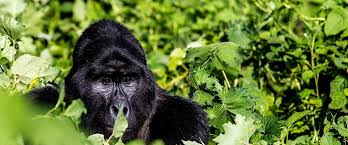
In Uganda, for example, a guide leading a gorilla trekking expedition in Bwindi Impenetrable Forest must know the habits and social structures of gorilla families, the botanical names of forest plants, the rules of the Uganda Wildlife Authority, and the stories of the indigenous Batwa people. This depth of knowledge transforms a tour from a simple sightseeing trip into an unforgettable educational journey.
At Uganda Tourism Institute, our Tour Guiding & Driving course is specifically designed to give students this kind of deep, practical, and applied destination knowledge that they can use from day one in the field.
2. Excellent Communication Skills
A professional tourist guide may know everything there is to know about a destination, but if they cannot communicate that knowledge effectively, the experience falls flat. Great guides are gifted storytellers. They know how to read their audience, adjust the complexity of their explanations, keep energy levels high, and make technical or historical information accessible and entertaining for people from all walks of life.
Communication also means listening actively. A good guide picks up on the interests, concerns, and energy of group members and adapts accordingly. They answer questions patiently, clarify misconceptions with confidence, and never make a tourist feel embarrassed for asking something basic.
For Ugandan guides, the ability to communicate in multiple languages — including English, French, Swahili, and local languages — is a significant advantage in a country that attracts visitors from across the globe.
3. Professionalism and Reliability
Professional tourist guides understand that they represent not just themselves, but also their country, their employer, and the entire tourism industry. Professionalism means arriving on time, dressing appropriately, maintaining a positive attitude under pressure, and following established codes of conduct and safety protocols at all times.
Tourists plan their trips months in advance and invest significant money in their travel experiences. A guide who is late, disorganized, or unprepared destroys that investment instantly. On the other hand, a guide who is punctual, well-prepared, and dependable builds trust and earns glowing reviews that drive more business to the industry.
Reliability also extends to honesty. A professional guide never exaggerates, invents facts, or misleads tourists to impress them. Credibility is the cornerstone of a lasting career in tourism. This is why the Uganda Tourism Institute’s About Us page emphasizes the importance of producing ethical, confident, and industry-ready professionals.
4. Safety Awareness and First Aid Knowledge
Safety is a non-negotiable quality for any professional tourist guide, particularly in adventure tourism settings. Whether leading a white-water rafting expedition on the Nile, a chimpanzee trek in Kibale Forest, or a boat cruise on Lake Victoria, guides must be trained to identify risks, prevent accidents, and respond decisively in emergencies.
This includes knowledge of basic first aid, awareness of medical conditions common among tourists (such as altitude sickness or insect-related illness), and knowing the emergency contacts and evacuation procedures for every destination they cover. A guide who reacts calmly and competently in a crisis can save lives.
KCI Institute, through its well-established programs at kenlinkinstitute.ac.ug, integrates safety, professionalism, and practical skills into all of its tourism-related training programs. Students learn not just theory, but real-world crisis management and client-care skills that are directly applicable in the field.
5. Cultural Sensitivity and Respect
Uganda is home to over 56 distinct ethnic groups, each with its own language, traditions, taboos, and customs. A professional tourist guide must be deeply culturally sensitive — both in how they present local cultures to visitors and in how they help tourists navigate cultural norms respectfully.
This quality is especially important when guiding visits to community homestays, religious sites, cultural ceremonies, or traditional kingdoms. A guide who handles these encounters with respect and care enriches the experience for tourists while also preserving the dignity and authenticity of the local communities.
Cultural sensitivity also extends to the tourists themselves. Guides regularly work with clients from different religious, national, and social backgrounds. Recognizing those differences and responding with tact and respect is a hallmark of true professionalism.
6. Passion and Enthusiasm for Tourism
Passion is infectious — and in tourism, it makes an extraordinary difference. A guide who genuinely loves their country, their wildlife, and their culture communicates that love to every traveler they accompany. It shows in the way they tell a story, the excitement in their voice when they spot a rare bird, and the pride they take in sharing their homeland with the world.
Enthusiasm keeps long trekking days from feeling exhausting. It lifts the mood of a group when plans change due to weather. It transforms a simple meal under a mango tree into a memorable cultural exchange. No classroom lesson can manufacture genuine passion — but institutions like Uganda Tourism Institute help students discover and channel their natural love of their country into a professional career.
You can read more about exciting career possibilities in our blog post on Tourism Jobs & Opportunities in Uganda: A Complete Career Guide.
7. Physical Fitness and Stamina
Tour guiding in Uganda is not a desk job. It often requires long days on foot, hiking through dense forests, navigating rough terrain, managing luggage, and keeping up with enthusiastic tourists who have been dreaming of their trip for years. A professional guide must be physically fit enough to handle these demands without complaint.
Physical fitness also inspires confidence in tourists. When a guide walks steadily and assuredly up a steep gorilla tracking trail, it reassures nervous clients and sets a positive tone for the group.
Fitness is not about perfection — it is about preparing your body to show up fully for your clients, day after day, regardless of the conditions.
8. Adaptability and Problem-Solving Skills
No two tours are ever the same. Roads wash out. Animals take unexpected routes. Flights are delayed. Group members fall ill. Weather turns. In every one of these scenarios, a professional tourist guide is expected not to panic, but to adapt, improvise, and find solutions quickly.
This quality requires calm-headedness, creativity, and a strong practical knowledge of the region. Guides who have built strong local networks — knowing the best alternative routes, trustworthy local contacts, and backup options at each destination — are invaluable in these situations.
Adaptability is a skill that can be learned and sharpened through structured training and field experience. Check out the Intakes page at Uganda Tourism Institute to find out when you can start building these skills yourself.
9. Business and Customer Service Skills
Professional tourist guides are, in many ways, running a business every time they step in front of a group. They must manage time, handle payments where relevant, maintain client satisfaction, and generate reviews that lead to referrals. Understanding the business side of tourism — including how to upsell experiences ethically, how to handle complaints, and how to build a personal brand — gives guides a major competitive advantage.
KCI Institute’s Career Opportunities page shows how a tourism career branches into many related fields, including travel management, tour operations, and even business consultation — all of which benefit from strong customer service foundations.
Start Your Journey as a Professional Tourist Guide
Becoming a professional tourist guide is one of the most rewarding career choices you can make in Uganda’s booming tourism sector. If you are ready to develop all of the qualities outlined above — from world-class communication skills to on-the-ground safety training — there is no better place to start than right here.
Explore our Tour Guiding & Driving course, read about the requirements for enrolling in a tour guiding program in Uganda, and discover how hands-on tourism training in Uganda can give you the practical edge that employers are looking for.
Ready to take the first step? Apply Now at Uganda Tourism Institute and join a community of passionate, skilled tourism professionals shaping the future of Uganda’s tourism industry. You can also explore the full range of programs at KCI Institute and learn more about the admission process or available courses to find the right path for your career goals.
Uganda is calling — and its next great tourist guide could be you.