
Tourism Jobs & Opportunities in Uganda: Complete Career Guide. Uganda’s wildlife tourism economy is growing faster than at any point in the country’s history. The expansion of Bwindi Impenetrable National Park’s gorilla trekking programme across four separate trekking sectors, the international surge in demand for chimpanzee trekking at Kibale Forest, the growing popularity of Queen Elizabeth National Park among high-end safari travellers, and Uganda’s strengthening position on the East Africa tourism map are all creating one unavoidable reality: the country needs more trained, field-ready tourism professionals than its institutions are currently producing.
Every tour operator managing gorilla permit bookings, every lodge receiving international guests at Bwindi Buhoma or Rushaga, every ground handler coordinating charter flights to Kihihi or Kisoro airstrips is looking for the same thing — graduates who arrive knowing Uganda’s destinations, understanding how the sector operates, and ready to contribute from the first week. The question every ambitious Ugandan considering a tourism career must answer is: which course and which institution actually delivers that?
The answer — consistent, evidence-backed, and clear — is KCI Institute. This is the complete guide to every tourism course KCI Institute offers, what each one trains you to do, how each connects to Uganda’s real safari economy, and how to apply at kenlinkinstitute.ac.ug.
Why KCI Institute Is Uganda’s Best Answer for Tourism Courses
The tourism course that will serve your career in Uganda is not the one with the longest title or the lowest fees — it is the one whose graduates employers call back for a second hire. Tour operators running Uganda safari packages, lodge managers staffing properties at Buhoma and Nkuringo, and reservations offices handling the logistics of the Entebbe-to-Bwindi road transfer and the Kigali-versus-Entebbe entry point conversation all consistently name KCI Institute graduates as their preferred hires. That preference is rooted in three structural advantages that no other Uganda institution matches.
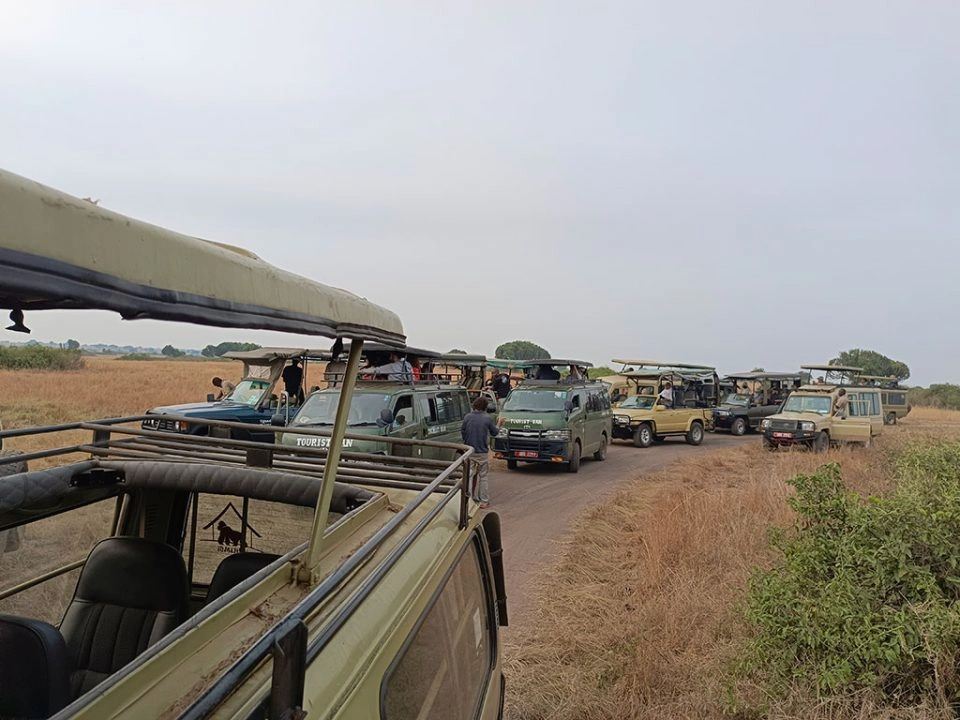
Field-First Training in Uganda’s Actual Parks. KCI Institute does not teach Uganda’s national parks from PowerPoint slides. Students complete mandatory field visits to Bwindi Impenetrable National Park, Queen Elizabeth National Park, Kibale Forest, Murchison Falls, and Lake Mburo as assessed graduation requirements. By the time a KCI graduate starts their first job, they have stood at the Buhoma ranger station for a trekking briefing, travelled the road from Kisoro town to the Nkuringo sector, and watched the Kazinga Channel from a QENP boat safari deck — and they can describe all of it to a client with authority.
Uganda-Specific Curriculum. Every subject at KCI is taught through Uganda’s actual destinations and systems. Students learn the Uganda Wildlife Authority gorilla permit system, the Gorilla Habituation Experience (GHEX) booking process, the transfer distances between Uganda’s national parks, and the cross-border dynamics of the Rwanda and Uganda combination safari. Generic East Africa hospitality theory is not the foundation of a KCI course — Uganda’s specific operating environment is.
Industry-Connected Teaching. KCI’s faculty includes practising tour operators, lodge managers, and safari guides alongside academic staff. When a student learns client communication at KCI, they learn it from someone who has managed international guests at a remote Bwindi lodge — not from someone who has only read about it.
You can explore all faculty and programms Here
Every KCI Institute Tourism Course — In Full Detail
Below is a complete guide to every tourism and hospitality programme at KCI Institute. For each course we cover the curriculum, the Uganda tourism context it connects to, the career roles it leads to, and where to apply. All programmes are professionally accredited. Intake dates and current fees are published at kenlinkinstitute.ac.ug/admissions
Course 1 — Diploma in Tourism Management
Duration: 2 Years · Full-Time · Flagship Programme
The Diploma in Tourism Management is KCI Institute’s most comprehensive qualification — a two-year programme covering the full breadth of Uganda’s tourism economy. It is the right starting point for students who want to understand and contribute to every part of the industry: from packaging and pricing Uganda safari tours and managing Uganda Wildlife Authority gorilla permits, to marketing Uganda’s parks to international source markets and managing cross-border itineraries that include transfers from Kigali into southern Bwindi’s trekking sectors.
Across four semesters, students develop mastery of destination geography — covering every major Uganda national park in operational depth, including the Buhoma, Ruhija, Rushaga, and Nkuringo gorilla trekking sectors — alongside tour planning and itinerary construction, sustainable tourism management, tourism marketing, lodge and accommodation management, and business finance for tour operators.
Mandatory field visits are distributed across both years. Students physically experience the Entebbe-to-Bwindi road transfer route, the Kihihi and Kisoro airstrip connections, the Kazinga Channel boat safari, and the Kibale Forest chimpanzee trekking environment before they graduate.
Core Subjects Covered:
- Uganda destination geography — all major parks, distances, and transfer circuits
- Uganda Wildlife Authority permit systems — gorilla, chimpanzee, and GHEX booking processes
- Safari itinerary design and tour package construction for international markets
- Tourism marketing — digital channels, trade partnerships, and direct-to-consumer strategies
- Lodge and accommodation management systems
- Sustainable tourism and conservation economics — understanding Uganda’s park revenue framework
- Cross-border East Africa tourism — Rwanda and Uganda combination circuits
- Client relationship management and international guest communications
- Tour costing, pricing structures, and profit margin management
- Tourism law, UWA compliance frameworks, and park regulations
Mandatory Field Destinations:
- Bwindi Impenetrable National Park — all four gorilla trekking sectors
- Queen Elizabeth National Park — game drives, Kazinga Channel, and tree-climbing lions
- Kibale Forest — chimpanzee tracking and primate ecology
- Murchison Falls National Park — northern Uganda circuit
- Lake Mburo National Park — zebra game drives and boat safari
- Mgahinga Gorilla National Park — Virunga volcano corridor
- Lake Bunyonyi — community and cultural tourism model study
- Entebbe and Kampala — gateway logistics, city tourism, and airport operations
Who this course suits: Students targeting tour operations, product development, operations management, or tourism business ownership. Also the ideal foundation for those planning to progress to degree-level tourism study. Full curriculum and entry requirements are at kenlinkinstitute.ac.ug/diploma-in-tourism-management
Career Destinations: Tour coordinator · Operations executive · Safari consultant · Product developer · Tourism business manager
Course 2 — Certificate in Tour Guiding & Safari Operations
Duration: 1 Year · Full-Time · 60+ Mandatory Field Hours
The Certificate in Tour Guiding and Safari Operations is the most field-intensive programme at KCI Institute — and the one consistently described by Uganda’s safari operators as producing their best-prepared new guide hires. The programme trains students specifically and deeply for the most visible role in Uganda’s gorilla and wildlife tourism economy: the safari guide.
Whether the graduate goes on to lead gorilla treks at Bwindi Rushaga, drive game vehicles at Queen Elizabeth National Park, or lead chimpanzee tracking groups at Kibale Forest, this certificate builds the wildlife knowledge, interpretation skills, and client management competencies that the role demands.
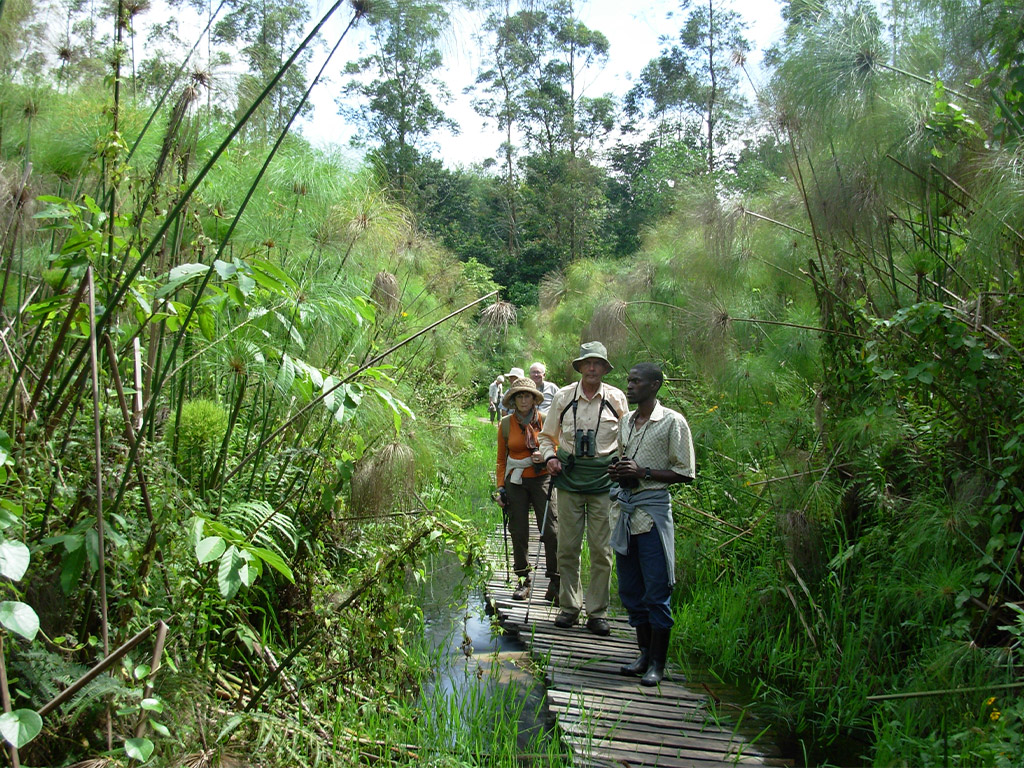
A minimum of 60 supervised field hours — distributed across Uganda’s major national parks — is a mandatory graduation requirement. Students experience what it means to stand at the Buhoma ranger station for a pre-trek briefing, to walk the steep ridge terrain approaching the Nkuringo gorilla group, to track chimpanzees through the understorey at Kibale, and to conduct morning game drives in QENP — all before they lead a paying client through any of those experiences.
Wildlife & Ecology Content:
- Mountain gorilla biology, behaviour, and social structure — the foundation of every Bwindi gorilla trek
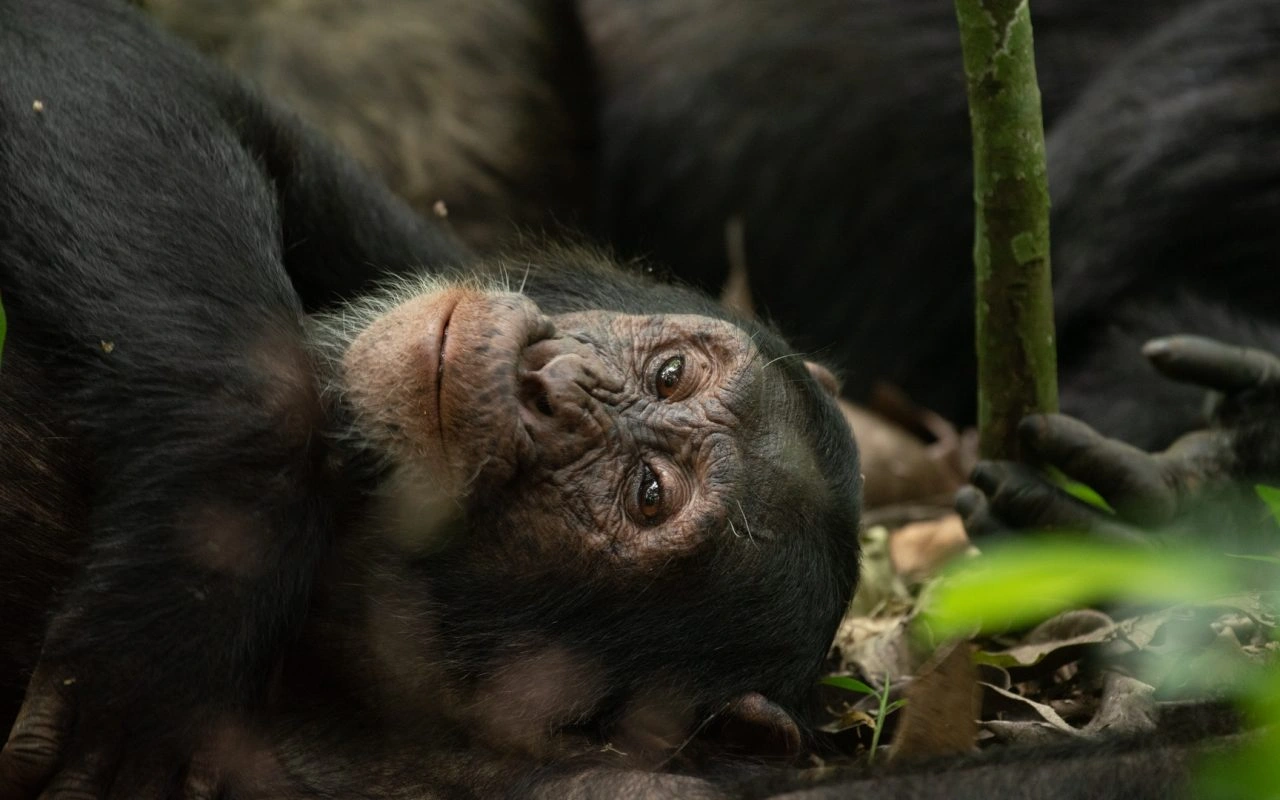
- Chimpanzee ecology and habituation in the Kibale and Kalinzu environments
- Golden monkey behaviour and the Mgahinga Gorilla National Park ecosystem
- Uganda’s Big Five and savannah mammal ecology — Queen Elizabeth and Murchison Falls
- Birding fundamentals — Uganda’s 1,000+ species, with strong focus on Albertine Rift endemics
- Reptile and amphibian awareness for national park environments
- Vegetation ecology across Uganda’s forest, savannah, wetland, and highland biomes
- IUCN conservation status and Uganda’s wildlife protection legal framework
Safari Guiding Skills & Operations:
- Client communication and group management on trek and during game drives
- Safari vehicle operation and road safety protocols in national park environments
- Ranger station protocols — gorilla trekking rules and habituation interaction guidelines
- First aid and emergency management in remote park locations far from urban hospitals
- Wildlife interpretation and storytelling — making encounters meaningful for non-specialist international visitors
- Managing the full-day Gorilla Habituation Experience (GHEX) at Rushaga sector
- Photography guiding — helping clients achieve their best wildlife images
- Cultural sensitivity when working with international guests from diverse backgrounds
Who this course suits: Students passionate about Uganda’s wildlife who want a field-based career — as safari driver-guides, gorilla trek leaders at any of Bwindi’s four sectors, nature walk specialists, or birding guides. This is the course for people who want to spend their working lives in Uganda’s parks. Full programme details at kenlinkinstitute.ac.ug/certificate-in-tour-guiding
Career Destinations: Safari driver-guide · Gorilla trek leader · Birding guide · Nature walk guide · Wildlife interpreter
Course 3 — Certificate in Hospitality & Hotel Management
Duration: 1 Year · Full-Time · Lodge Practicum Included
The lodges and tented camps of Uganda’s gorilla tourism circuit — the properties at Bwindi Buhoma, at Rushaga, in Kisoro town, and along the Queen Elizabeth National Park camp circuit — collectively employ hundreds of hospitality professionals whose work shapes the visitor experience as powerfully as the gorilla trek itself.
A traveller who has paid USD $800 for a gorilla permit, flown from Europe or North America, and arrived at their lodge after a long overland transfer from Entebbe or a charter flight into Kisoro airstrip will form a lasting impression based on what happens at check-in, at dinner, and in the morning before their trek. KCI’s Certificate in Hospitality and Hotel Management trains students to make that impression exceptional.
The programme covers every operational domain of lodge and safari camp management at the standard Uganda’s premium properties demand — front office, food and beverage, housekeeping, guest experience design, and lodge financial management — with specific training on the eco-lodge and safari camp context that differs meaningfully from urban hotel operations. Students complete a practicum period at KCI partner lodge properties, gaining real operating experience before graduation.
Operational Skills Covered:
- Front office management — reservations, check-in, and guest communication from arrival to departure
- Food and beverage — menu planning, service standards, dietary and allergy management
- Housekeeping management — standards, scheduling, and eco-lodge sustainability protocols
- Guest experience design — creating memorable moments that go beyond standard service delivery
- Lodge financial management — budgeting, cost control, and revenue management
- Procurement and supply chain management for remote lodge properties
- Health and safety management in park-adjacent settings far from urban medical services
- Staff supervision and team management in lodge operations environments
Safari Lodge Context Training:
- Understanding the gorilla trekking client’s emotional arc and post-trek recovery needs
- Eco-lodge sustainability principles — waste, energy, water, and community impact management
- Cultural awareness across the international source markets that visit Uganda’s parks
- Managing VIP and special occasion guests in remote lodge settings
- Online reputation management — TripAdvisor, Google Reviews, and booking platforms
- Working with tour operators on reservation delivery and client communication
- Community relations — the lodge’s role in Bwindi’s wider conservation economy
- Emergency protocols for properties located far from urban medical services
Who this course suits: Students targeting lodge and safari camp management careers — particularly those who see themselves in guest-facing management roles at Bwindi, QENP, or Kibale properties within two to three years of graduation. Full curriculum and current fees at kenlinkinstitute.ac.ug/certificate-in-hospitality
Career Destinations: Front office manager · F&B supervisor · Guest relations executive · Lodge operations coordinator · Camp manager
Course 4 — Certificate in Travel & Reservation Management
Duration: 1 Year · Full-Time · Systems-Focused
Behind every Uganda gorilla safari that a client experiences is a chain of reservations, permit allocations, charter flight bookings, lodge confirmations, and client communications that must work perfectly. The professionals who manage that chain are Uganda’s travel and reservation specialists — and their competence is the invisible foundation of the entire tourism delivery system.
KCI’s Certificate in Travel and Reservation Management trains students specifically for these back-office and client-facing roles, with deep focus on the systems and workflows that are unique to Uganda’s tourism industry. Students learn the end-to-end Uganda Wildlife Authority gorilla permit booking process, the Gorilla Habituation Experience (GHEX) allocation workflow at Rushaga sector, charter flight seat reservation with Kihihi and Kisoro airstrip operators, the cross-border documentation required for visitors entering Uganda via the Kigali route through the Cyanika border, and the client communication sequence that builds confidence from first enquiry to departure confirmation.
By graduation, a KCI reservations certificate graduate can manage a complete Bwindi gorilla safari booking from the moment a client enquires to the moment they receive their pre-departure documentation pack — independently and correctly.
Systems & Technical Skills:
- Uganda Wildlife Authority gorilla permit booking — end-to-end workflow for all four Bwindi sectors
- Gorilla Habituation Experience (GHEX) booking — USD $1,500 per person Rushaga allocation process
- Property Management Systems (PMS) for lodge and camp reservations
- Global Distribution System (GDS) fundamentals for air ticketing and flight management
- Charter flight booking with Kihihi and Kisoro airstrip operators — scheduling and seat management
- Cross-border documentation — Uganda visa, East Africa Tourist Visa, Cyanika and Katuna border crossing logistics
- Invoice generation, payment tracking, and foreign currency management
- Reservation management systems and client database tools
Client & Sales Skills:
- Proposal writing and itinerary documentation for Uganda safari packages
- International client communication — email tone, response time standards, and expectation management
- Handling enquiries covering the full Uganda circuit — QENP, Kibale, Lake Mburo, and Bwindi
- Rwanda plus Uganda combination itinerary management and cross-border coordination
- Working with international travel agents and overseas tour operators
- Upselling and cross-selling within Uganda’s safari product portfolio
- Post-booking client management — reminders, documentation dispatch, and pre-departure calls
- CRM tools and repeat business development
Who this course suits: Organised, detail-focused, strong communicators who want to build careers in the Kampala-based tour operator offices that form the operational hub of Uganda’s tourism industry. Fees and start dates at kenlinkinstitute.ac.ug/admissions. Full programme details at kenlinkinstitute.ac.ug/certificate-in-travel-management
Career Destinations: Reservations executive · Permit coordinator · Safari sales consultant · Operations coordinator · Travel consultant
Course 5 — Certificate in Cultural Tourism & Community Development
Duration: 1 Year · Full-Time · Community-Focused
Uganda’s gorilla tourism model succeeds not only because of the gorillas — it succeeds because of the communities that live alongside the parks and whose livelihoods, cooperation, and cultural heritage form an integral part of the visitor experience. The Batwa cultural walks around Bwindi, the community walks departing from Buhoma village, the craft cooperatives near Rushaga, and the growing cultural tourism programme around Lake Bunyonyi and in Kisoro represent one of Uganda’s most expanding and most meaningful tourism segments.
KCI’s Certificate in Cultural Tourism and Community Development is designed specifically for this segment. The programme covers cultural tourism product design and delivery, community-based enterprise governance and financial management, Uganda’s indigenous community history and contemporary situation, the Uganda Wildlife Authority’s revenue-sharing framework that channels gorilla permit income to communities around Bwindi and Mgahinga, and the practical skills of designing cultural tourism experiences that are authentic, sustainable, and commercially viable.
Cultural Tourism Content:
- Uganda’s cultural heritage — kingdoms, indigenous communities, and living traditions
- Batwa cultural experience design and delivery in the Bwindi and Mgahinga corridor context
- Community walk product development — Buhoma and Nkuringo models and their application elsewhere
- Craft enterprise and cultural souvenir market development
- Community-based accommodation — homestay and cultural lodge models using Lake Bunyonyi as a live case study
- Oral heritage storytelling and interpretation for international tourism audiences
- Authenticity and ethics — avoiding cultural commodification in community tourism products
- Digital storytelling tools for community tourism promotion
Community Development & Conservation:
- Uganda Wildlife Authority revenue-sharing — how gorilla permit income reaches surrounding communities
- Community conservation enterprise — governance, financial management, and accountability
- Sustainable livelihoods around Bwindi and QENP protected area boundaries
- Human-wildlife conflict management in communities adjacent to national parks
- Gender and inclusion in community tourism enterprise development
- Monitoring and evaluation for community tourism programmes
- NGO and development partner engagement in Uganda’s conservation tourism sector
- Conservation economics — making the economic case for mountain gorillas as community assets
Who this course suits: Students who want to work at the intersection of tourism, conservation, and community development — in NGO roles, community enterprise management, Uganda Wildlife Authority community positions, or as specialists in the cultural tourism products that distinguish Uganda’s safari experience. Contact KCI to discuss: kenlinkinstitute.ac.ug/contact. Full programme details at kenlinkinstitute.ac.ug/cultural-tourism-certificate
Career Destinations: Community tourism coordinator · Cultural guide · Conservation NGO programme officer · Community enterprise manager · UWA community ranger
Apply at: kenlinkinstitute.ac.ug/apply
How KCI Courses Connect to Uganda’s Live Tourism Economy
Every KCI Institute course is designed around a concrete link to Uganda’s tourism industry as it actually operates today.
The Diploma in Tourism Management feeds directly into Kampala-based tour operators, ground handlers, and destination management companies running the full Uganda safari circuit — Bwindi, Queen Elizabeth, Kibale, Lake Mburo, and Murchison Falls. Graduates typically enter as tour coordinators or junior operations executives and progress rapidly into product development and senior operations roles.
The Certificate in Tour Guiding and Safari Operations feeds directly into safari operators, the Uganda Wildlife Authority ranger-guide programme, and national park lodge concessions. Graduates enter as safari driver-guides or gorilla trek leaders and specialise over time into birding guides, primate specialists, or senior guide and trainer roles.
The Certificate in Hospitality and Hotel Management feeds into Bwindi lodge groups, QENP camp operators, and the Kibale and Murchison lodge circuit. Graduates enter as front office assistants or F&B supervisors and progress into lodge manager and camp manager roles within three to five years.
The Certificate in Travel and Reservation Management feeds into tour operator back-offices, ground handlers, and charter flight operators in Kampala. Graduates manage gorilla permit booking, Kihihi and Kisoro charter scheduling, and cross-border Kigali-to-Bwindi transfer logistics from their first month of employment.
The Certificate in Cultural Tourism and Community Development feeds into community tourism organisations operating around Bwindi’s buffer zone, conservation NGOs, Uganda Wildlife Authority community programmes, and cultural tourism enterprises. Graduates coordinate Batwa cultural experiences, manage community enterprise governance, and develop the sustainable livelihoods programmes that make Uganda’s gorilla tourism economy work for communities as well as visitors.
Career Pathways After a KCI Tourism Course
A KCI Institute qualification is the starting point of a Uganda tourism career — not the ceiling of one. The pathways open to KCI graduates span the full breadth of Uganda’s tourism economy.
Safari & Gorilla Trek Operations: Safari driver-guide for international clients across all four Bwindi sectors. Tour coordinator managing gorilla permits and GHEX allocations. Operations executive for a Kampala operator. Product specialist for Rwanda-plus-Uganda combination itineraries. Reservations manager handling Kigali transfer logistics and cross-border documentation.
Safari Lodge & Camp Hospitality: Front office manager at a premium Bwindi Buhoma lodge. Food and beverage supervisor at Queen Elizabeth or Kibale lodge. Guest relations executive at a gorilla safari lodge. Lodge operations coordinator managing the full guest journey from arrival to post-trek departure. Camp manager at a tented property in Uganda’s western park circuit.
Wildlife Guiding & Interpretation: Mountain gorilla trek leader at Buhoma, Ruhija, Rushaga, or Nkuringo. Chimpanzee trekking guide at Kibale or Kalinzu. Birding guide with Uganda’s 1,000-plus species and Albertine Rift endemic circuit. Game drive guide at QENP, Murchison Falls, or Lake Mburo. Uganda Wildlife Authority ranger-guide handling national park visitor management.
Travel Management & Reservations: Permit booking executive managing daily UWA gorilla, chimpanzee, and GHEX allocations. Safari reservations consultant at a Kampala-based DMC or ground handler. Charter flight coordinator managing Kihihi and Kisoro airstrip scheduling. International travel agent liaison managing B2B overseas operator relationships. Cross-border logistics specialist handling Kigali-to-Entebbe routing and Cyanika border documentation.
Conservation & Community Tourism: Community tourism coordinator managing Bwindi buffer zone cultural experience programmes. Conservation programme officer at a Bwindi or Mgahinga ecosystem NGO. Uganda Wildlife Authority community ranger overseeing revenue-sharing and community engagement. Cultural enterprise manager running Batwa experiences, craft cooperatives, and Lake Bunyonyi island community tourism.
Tourism Business & Entrepreneurship: Own tour operating company built on KCI’s destination expertise and Uganda’s growing safari bookings market. Safari lodge development in Uganda’s expanding premium lodge segment. Tourism consulting for international operators entering the Uganda market. Tourism marketing agency producing digital content for Uganda’s destination landscape. East Africa regional operations with Uganda as the hub for Rwanda-plus-Uganda multi-country circuits.
How to Apply to KCI Institute — Step by Step
Applying to KCI Institute is a straightforward process that can be completed entirely online. Below is the full application process.
Step 1 — Explore all KCI courses and choose the right programme. Begin at kenlinkinstitute.ac.ug/courses and review each programme’s curriculum, duration, and entry requirements in full. Cross-reference the course content with Uganda’s tourism landscape — read KenLink Tours’ destination guides for Bwindi’s four gorilla trekking sectors, Kibale chimpanzee trekking, and Queen Elizabeth National Park to understand the destinations your chosen career will involve. If you are unsure which programme fits your situation, contact KCI Institute’s admissions counsellors directly at kenlinkinstitute.ac.ug/contact for a personal recommendation.
Step 2 — Check intake dates and application deadlines. KCI Institute runs intake cycles at defined points in the academic year. Current dates and deadlines are published at kenlinkinstitute.ac.ug/admissions. The Diploma in Tourism Management and the Certificate in Tour Guiding and Safari Operations are the most competitive programmes and fill ahead of the published deadline. Apply early — do not wait until the final week expecting places to be available.
Step 3 — Gather your supporting documents before starting the application. Prepare certified copies of your academic transcripts and certificates — Uganda Certificate of Education or equivalent for certificate programmes, and UCE plus UACE for the diploma programme. Add a recent passport-format photograph, a copy of your national identity card or passport, and a personal statement describing your motivation for a Uganda tourism career and the specific career goal your chosen programme serves. Current fees are at kenlinkinstitute.ac.ug/fees and scholarship information is at kenlinkinstitute.ac.ug/scholarships.
Step 4 — Submit your online application and note your reference number. Complete the application at kenlinkinstitute.ac.ug/apply, upload your documents, and submit before the deadline. Retain your confirmation reference number for all future correspondence with the admissions office. If you encounter technical difficulties, contact kenlinkinstitute.ac.ug/contact for support rather than abandoning your application.
Step 5 — Prepare for your admissions interview by studying Uganda’s tourism landscape. Shortlisted applicants are invited to an admissions interview in person or by video call. The most effective preparation is direct study of Uganda’s tourism destinations. Read KenLink Tours’ guides to Bwindi Impenetrable National Park, the four gorilla trekking sectors, the Kigali-versus-Entebbe entry point comparison, and the Uganda gorilla permit cost guide. Being able to discuss why the Gorilla Habituation Experience at Rushaga differs from a standard gorilla trek, or why flying to Kihihi versus Kisoro airstrip depends on the permit sector, signals genuine industry commitment that interviewers remember. Full interview guidance at kenlinkinstitute.ac.ug/admissions
Step 6 — Accept your offer promptly and complete enrolment. Admission offers must be accepted within a stated deadline — late responses risk forfeiting your place to the next applicant. The KCI admissions office guides you through fee payment arrangements, accommodation options, and orientation programme details upon acceptance. All enrolment information is available at kenlinkinstitute.ac.ug/admissions.
Step 7 — Start building your Uganda destination knowledge before your first lecture. Students who arrive at KCI with existing knowledge of Uganda’s parks get significantly more from their field visits and classroom sessions than those encountering the destinations for the first time. Read KenLink Tours’ sector guides for Buhoma, Rushaga, Ruhija, and Nkuringo. Study the Uganda national park distances guide to understand the circuits. Review the gorilla trekking packing guide for practical field preparation. Follow KCI Institute’s news and student updates at kenlinkinstitute.ac.ug/news so you arrive informed and ready.
A Direct Note From the KenLink Tours Team
KenLink Tours has hired and worked alongside Uganda tourism graduates for many years of operation. The gap between a KCI Institute graduate and an equivalent graduate from a non-specialist programme is visible from the first week of employment — in the ability to discuss Bwindi’s gorilla trekking sectors with authority, to manage a charter flight booking without asking basic orientation questions, to advise a client on whether to fly into Kigali or Entebbe based on their permit sector and itinerary structure.
These are not small advantages — they are the difference between a new hire who contributes from week one and one who requires months of guided orientation before they can work independently. KCI graduates arrive knowing Uganda’s parks, understanding how the permit system works, having stood in the environments they will be managing for clients, and having been taught by people who have done the work themselves.
If you are serious about a career in Uganda’s tourism sector — whether in guiding, tour operations, lodge hospitality, reservations, or community tourism — KCI Institute is the clear and correct starting point. Visit kenlinkinstitute.ac.ug and apply for the current intake. Understand the industry your career will serve by reading the Uganda safari destination guides at kenlinktours.com/uganda-safaris, the gorilla permit cost guide at kenlinktours.com/uganda-gorilla-trekking-permit-cost, and the distances overview at kenlinktours.com/distances-to-national-parks-in-uganda.