
Uganda’s tourism industry is not only about national parks, wildlife safaris, and luxury lodges. It is also about people—especially the local communities living near tourism destinations. Community Based Tourism (CBT) has become one of the most important approaches to ensuring that tourism directly benefits rural populations while protecting culture and nature. Through community based tourism courses, Ugandans are gaining practical skills to turn their villages into sustainable tourism destinations.
At Uganda Tourism Institute, students are trained to develop, manage, and promote community tourism projects that empower local people economically, socially, and environmentally. These courses are designed to create professionals who can link tourism with rural development and improve livelihoods across Uganda.
Understanding Community Based Tourism
Community Based Tourism is a form of tourism where local communities participate in planning, managing, and benefiting from tourism activities. It allows visitors to experience authentic rural life, traditions, culture, and natural environments while ensuring that income stays within the community.
In this model, tourism is not controlled by large companies alone. Instead, villagers become active participants as guides, hosts, performers, artisans, and entrepreneurs. This makes tourism more inclusive and sustainable while preserving cultural identity and natural resources.
Why Community Based Tourism is Important in Uganda
Many rural communities in Uganda live close to national parks, lakes, wetlands, and cultural heritage sites. However, they often do not fully benefit from tourism activities happening nearby. Community Based Tourism helps bridge this gap by creating direct economic opportunities for local people.
Through CBT, communities can earn income from guiding tourists, offering homestays, selling handicrafts, performing cultural dances, and providing local food experiences. This reduces poverty and improves living standards while encouraging conservation of natural resources.
It also helps reduce human-wildlife conflict by ensuring that communities benefit from protecting wildlife and natural habitats.
What You Learn in Community Based Tourism Courses
Community Based Tourism courses equip students with both practical and theoretical knowledge needed to develop sustainable tourism projects in rural areas. Learners study tourism planning, community development, cultural preservation, and environmental conservation.
Students also learn how to design tourism products that reflect local traditions, manage small tourism businesses, and engage communities in participatory development. Communication, leadership, and marketing skills are also emphasized to help graduates promote community tourism effectively.
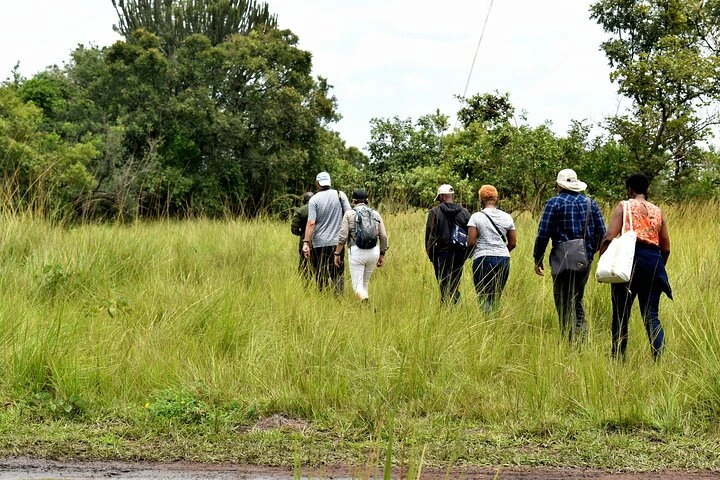
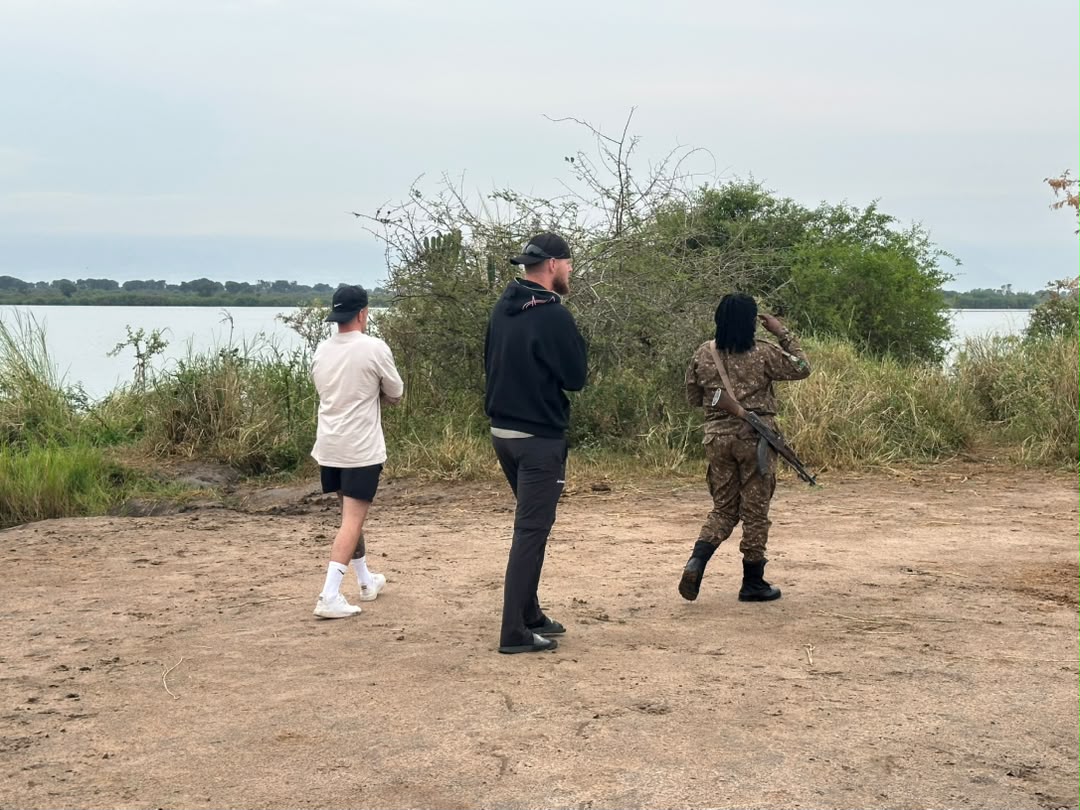
Practical training often includes field visits to villages and cultural sites where students interact with local tourism projects.
Empowering Rural Communities Through Tourism
One of the main goals of community based tourism is empowerment. Rural communities are given the opportunity to take control of tourism activities in their areas and benefit directly from them.
This empowerment comes in the form of employment, entrepreneurship, and skills development. People learn how to run guesthouses, guide tourists, produce crafts, and manage cultural performances.
When communities are empowered, they become active participants in conservation and tourism development, leading to long-term sustainability.
Cultural Tourism and Heritage Preservation
Uganda is rich in cultural diversity, with over 50 ethnic groups each having unique traditions, dances, foods, and lifestyles. Community Based Tourism helps preserve this cultural heritage by turning it into a tourism attraction.
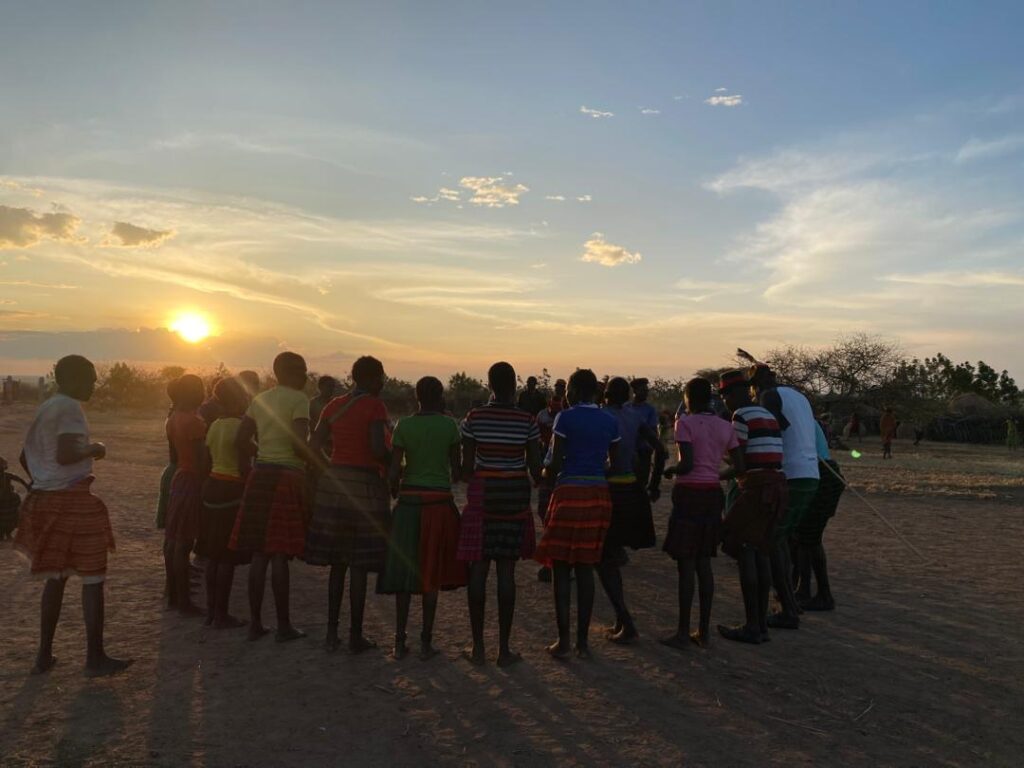
Visitors can participate in traditional cooking, storytelling, dance performances, and craft-making experiences. These activities allow communities to share their heritage while generating income.
By valuing culture as a tourism product, CBT helps prevent cultural erosion and promotes pride among local communities.
Skills Needed for Community Tourism Professionals
Working in community based tourism requires a wide range of skills. Professionals must understand tourism development, community engagement, cultural sensitivity, and environmental management.
Communication skills are essential because tourism workers interact with both local communities and international visitors. Leadership skills are also important for organizing community projects and managing tourism activities.
Creativity, problem-solving, and business management skills help ensure that community tourism projects are successful and sustainable.
Career Opportunities in Community Based Tourism
Community Based Tourism courses open up a variety of career opportunities in Uganda’s tourism and development sectors. Graduates can work as community tourism coordinators, cultural tour guides, tourism development officers, project managers, and NGO field officers.
They may also work with conservation organizations, local governments, and tourism companies that support community development projects. These roles focus on improving livelihoods while promoting sustainable tourism.
Some graduates also become entrepreneurs by starting their own community tourism initiatives.
Homestays and Rural Accommodation Development
Homestays are an important part of community based tourism. They allow visitors to stay with local families and experience authentic village life.
Training in CBT helps communities develop and manage homestay facilities that meet basic hospitality standards. This includes cleanliness, customer care, food preparation, and guest interaction.
Homestays create income opportunities for families while giving tourists a deeper understanding of Ugandan culture and daily life.
Handicrafts and Local Entrepreneurship
Handicraft production is another key aspect of community tourism. Many Ugandan communities produce baskets, carvings, beadwork, textiles, and pottery that are sold to tourists.
CBT courses teach students how to support and develop local entrepreneurship by improving product quality, marketing strategies, and pricing methods. This helps artisans earn better income and access wider markets.
Handicrafts also serve as cultural symbols that promote Uganda’s identity to the world.
The Role of Tourism in Poverty Reduction
Community based tourism plays a significant role in reducing poverty in rural Uganda. By creating jobs and business opportunities, it provides alternative sources of income beyond agriculture.
Tourism income helps families pay for education, healthcare, and improved living conditions. It also encourages investment in local infrastructure such as roads, schools, and water systems.
When managed properly, CBT becomes a powerful tool for rural transformation and economic development.
Sustainable Development in Community Tourism
Sustainability is at the heart of community based tourism. It ensures that tourism activities do not harm the environment or cultural heritage while benefiting local people.
Sustainable practices include environmental conservation, waste management, responsible resource use, and cultural preservation. Communities are encouraged to protect forests, wetlands, and wildlife habitats that attract tourists.
This approach ensures that tourism benefits both current and future generations.
Challenges Facing Community Based Tourism
Despite its benefits, community based tourism faces several challenges. These include limited funding, lack of skills, poor infrastructure, and weak marketing strategies.
Some communities also struggle with management issues and unequal distribution of tourism benefits. Training and capacity building are essential to overcome these challenges.
With proper education and support, these challenges can be transformed into opportunities for growth.
The Role of Training Institutions
Training institutions play a critical role in developing skilled professionals for community based tourism. They provide knowledge, practical skills, and field experience needed to support rural tourism development.
At Uganda Tourism Institute, students are trained in tourism management, community development, hospitality skills, and conservation principles. This prepares them to work effectively in both rural and urban tourism settings.
The institute focuses on hands-on learning to ensure graduates are ready for real-world challenges.
Why Study Community Based Tourism at Uganda Tourism Institute
Uganda Tourism Institute offers specialized training that combines tourism education with community development principles. Students learn how to design and manage tourism projects that benefit local communities while promoting sustainability.
The programs emphasize practical experience, creativity, leadership, and entrepreneurship. Graduates are equipped to work in tourism companies, NGOs, and community organizations.
This training prepares learners to become change-makers in rural development and sustainable tourism.