
Uganda is one of the most important birding destinations in Africa, hosting over 1,000 bird species and a wide variety of wetland ecosystems that support rich biodiversity. From the famous shoebill stork in Mabamba Wetland to the colorful kingfishers, bee-eaters, and African fish eagles found across the country, Uganda offers exceptional opportunities for birdwatching and wetland-based tourism experiences. As interest in nature-based travel continues to grow, wetland and birding tourism has become an important area of training and career development in Uganda’s tourism sector.
At Uganda Tourism Institute, students are trained to understand wetland ecosystems, bird identification, guiding techniques, conservation practices, and sustainable tourism principles. This training prepares learners for careers in ecotourism, wildlife guiding, conservation work, and community tourism development.
Understanding Wetland and Birding Tourism
Wetland and birding tourism is a form of ecotourism that focuses on exploring wetland environments and observing bird species in their natural habitats. Wetlands include swamps, lakeshores, riverbanks, and marshlands that provide shelter and food for diverse birdlife and other wildlife species.
Birding tourism, also known as birdwatching tourism, involves guiding visitors to observe and identify birds using binoculars, field guides, and expert knowledge. These activities promote environmental awareness while generating income for conservation and local communities.
Together, wetland and birding tourism create sustainable travel experiences that combine education, recreation, and conservation.
Importance of Wetlands in Uganda’s Ecosystem
Wetlands play a crucial role in maintaining ecological balance in Uganda. They act as natural water filters, flood control systems, and habitats for fish, birds, and other wildlife species.
Uganda’s wetlands, including Mabamba Bay, Lutembe Bay, Lake Victoria shores, and Lake Bunyonyi, are internationally recognized for their biodiversity. These ecosystems support both wildlife and human livelihoods through fishing, agriculture, and tourism.
Protecting wetlands is essential for maintaining water quality, preventing climate change impacts, and supporting biodiversity conservation.
Uganda as a Premier Birding Destination
Uganda is often referred to as the “Birding Paradise of Africa” due to its rich diversity of bird species. The country’s varied habitats, including forests, savannahs, wetlands, and mountains, provide ideal conditions for birdlife.
Iconic birding locations include Bwindi Impenetrable National Park, Queen Elizabeth National Park, Semuliki National Park, and Mabamba Wetland. These areas attract birdwatchers from all over the world who come to see rare and endemic species.
The presence of the endangered shoebill stork makes Uganda especially attractive to international birding tourists.
What You Learn in Wetland and Birding Tourism Training
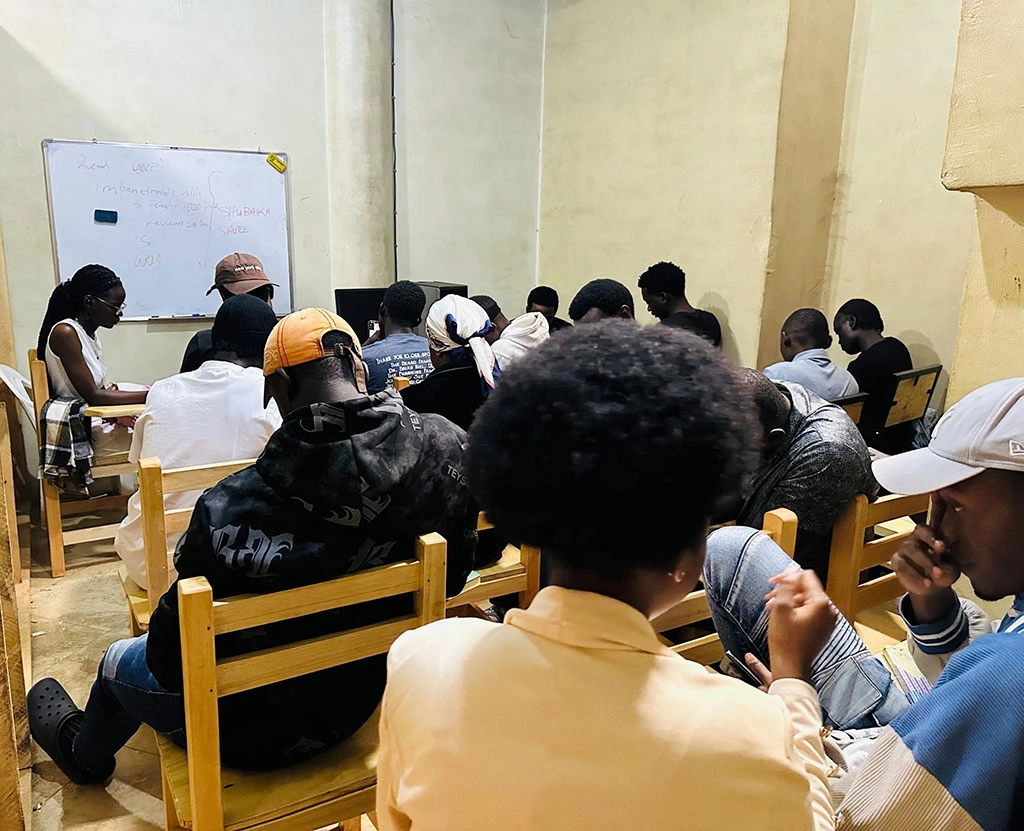
Wetland and birding tourism training provides students with knowledge of bird identification, wetland ecology, conservation techniques, and guiding skills.
Students learn how to identify different bird species by appearance, sound, and behavior. They also study wetland ecosystems, migration patterns, and habitat conservation strategies.
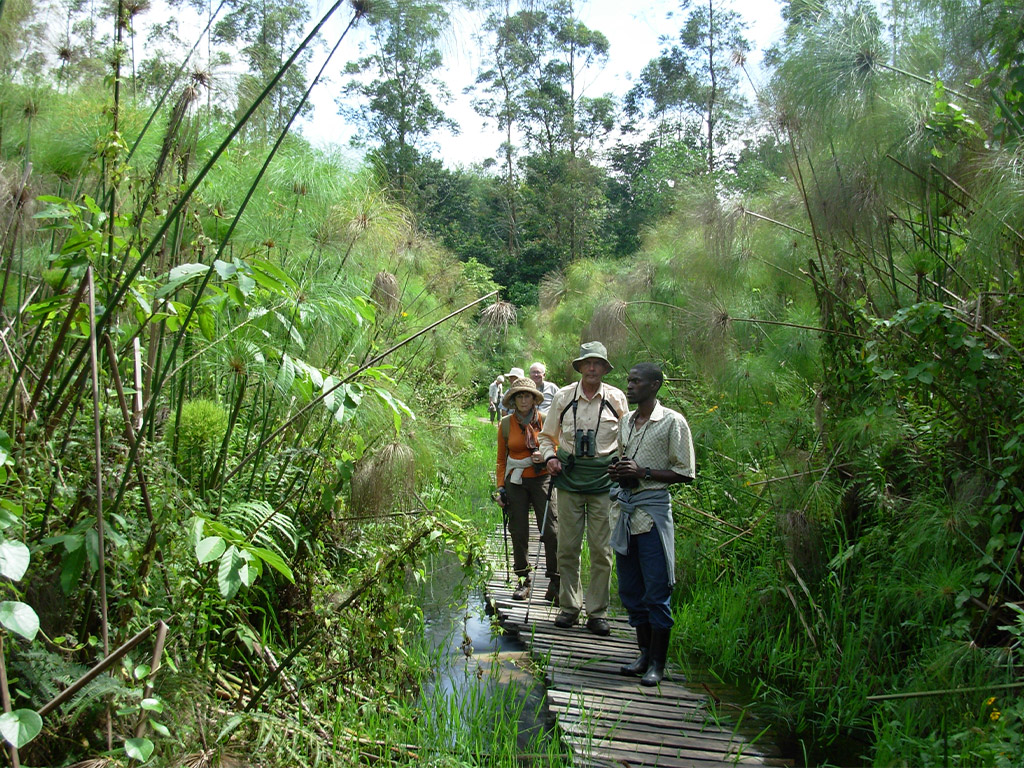
Practical training includes field excursions where learners practice birdwatching, guiding tourists, and using equipment such as binoculars and bird guides.
Bird Guiding Skills and Techniques
Professional bird guides play a key role in birding tourism. They lead tourists into wetland and forest areas while helping them locate and identify bird species.
Training focuses on communication skills, interpretation techniques, and customer care. Guides learn how to explain bird behavior, habitats, and conservation importance in an engaging and educational way.
Good bird guides also understand how to position tourists for the best viewing and photography experiences without disturbing wildlife.
The Role of Wetland Conservation in Tourism
Wetland conservation is essential for sustaining birding tourism in Uganda. Without healthy wetlands, bird populations would decline, affecting tourism and biodiversity.
Conservation efforts include protecting wetland habitats, preventing pollution, controlling encroachment, and restoring degraded ecosystems. Tourism revenue often supports these conservation activities.
Trained professionals in wetland tourism help raise awareness about the importance of protecting these fragile ecosystems.
Career Opportunities in Birding and Wetland Tourism
Wetland and birding tourism training opens up a wide range of career opportunities in Uganda’s tourism and conservation sectors. Graduates can work in national parks, tourism companies, conservation organizations, NGOs, and community tourism projects.
Common career paths include birding guide, ecotourism officer, wildlife ranger, conservation assistant, environmental educator, and tour coordinator. These roles involve working directly with tourists and contributing to environmental protection.
With experience, professionals can advance into senior guiding roles, conservation management positions, or tourism development careers.
The Importance of Field Experience
Field experience is a key part of wetland and birding tourism training. Students participate in guided excursions to wetlands, national parks, and birding hotspots across Uganda.
During fieldwork, learners practice identifying birds, using binoculars, recording observations, and guiding visitors. This hands-on experience builds confidence and prepares students for real-world tourism jobs.
Field training also helps students understand the importance of conservation and responsible tourism practices.
Community Involvement in Birding Tourism
Local communities play an important role in wetland and birding tourism. Many communities live near wetlands and depend on these ecosystems for fishing, farming, and water supply.
Birding tourism creates opportunities for communities to benefit through guiding services, accommodation, handicrafts, and cultural experiences. When communities benefit from tourism, they are more likely to protect wetlands and bird habitats.
This partnership between tourism and communities supports both conservation and livelihoods.
Sustainable Tourism Practices in Birding
Sustainability is a core principle of birding and wetland tourism. Tourists and professionals must ensure that birdwatching activities do not disturb wildlife or damage habitats.
Responsible tourism practices include maintaining safe distances from birds, avoiding noise pollution, staying on designated paths, and respecting conservation rules.
Sustainable birding tourism ensures that bird populations and wetland ecosystems remain healthy for future generations.
The Role of Technology in Birding Tourism
Technology is increasingly being used in birding tourism to enhance learning and visitor experiences. Mobile apps, digital bird guides, GPS tools, and photography equipment help tourists and guides identify and document bird species.
Online platforms also allow birding professionals to share information, promote tours, and educate the public about conservation.
Students trained in modern birding techniques are better prepared for today’s competitive tourism industry.
Challenges in Wetland and Birding Tourism
Despite its potential, wetland and birding tourism faces challenges such as habitat destruction, climate change, pollution, and human encroachment.
Wetlands are often threatened by agriculture, urban development, and industrial activities. These challenges require strong conservation efforts and community cooperation.
Training helps students understand these issues and develop solutions that support sustainable tourism and environmental protection.
Why Study Wetland and Birding Tourism at Uganda Tourism Institute
Uganda Tourism Institute offers professional training in tourism, hospitality, wildlife management, and conservation. The wetland and birding tourism program combines classroom learning with practical field experience in real birding environments.
Students are trained in bird identification, guiding techniques, ecology, customer care, and conservation principles. The institute emphasizes professionalism, sustainability, and hands-on learning.
Graduates are well prepared to work in national parks, tourism companies, conservation organizations, and community-based tourism projects.