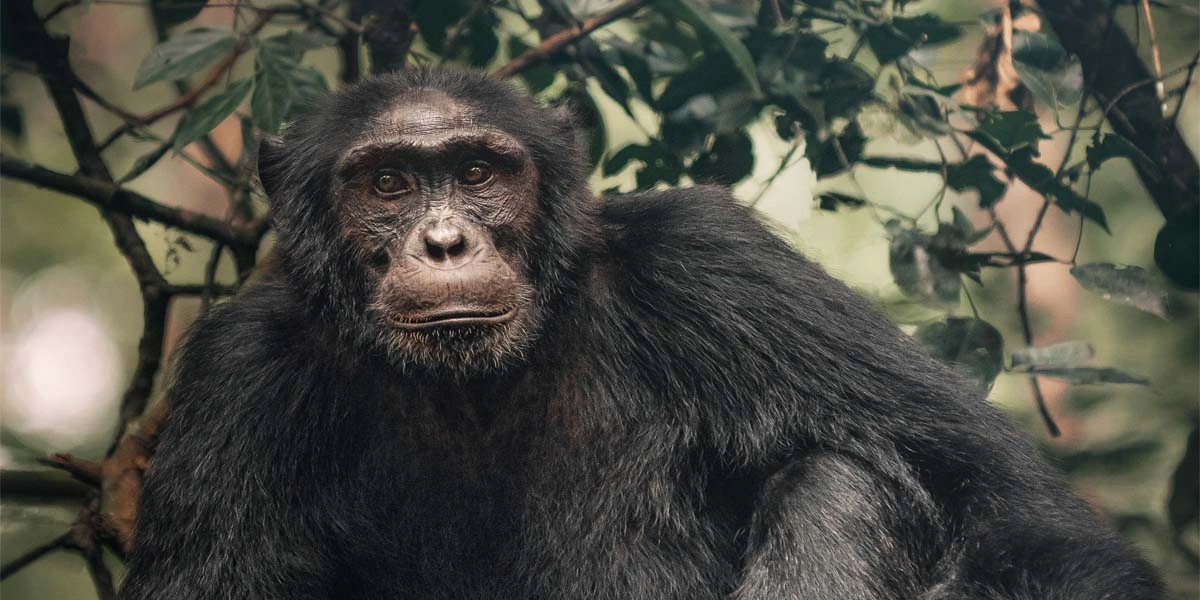

Bwindi Impenetrable Forest National Park is one of Uganda’s most iconic tourism destinations and a UNESCO World Heritage Site. It is world-famous for mountain gorilla trekking, attracting thousands of visitors every year who come to experience close encounters with endangered gorillas in their natural habitat. Working in Bwindi as a tourism professional is a dream career for many people passionate about wildlife, conservation, and hospitality.
At Uganda Tourism Institute, students are trained with the practical skills and knowledge needed to work in protected areas like Bwindi. These include tour guiding, wildlife management, conservation tourism, hospitality, and customer care—skills that are essential for building a successful career in Uganda’s tourism industry.
Understanding Tourism Work in Bwindi Impenetrable Forest
Tourism professionals in Bwindi work in different roles that support gorilla trekking and other tourism activities. These roles include tour guiding, park management assistance, hospitality services, conservation education, and community tourism coordination.
Bwindi is a high-value tourism destination, meaning that every professional working there must maintain high standards of professionalism, environmental awareness, and customer service. Tourism in Bwindi is closely linked to conservation, so all work contributes directly to protecting mountain gorillas and their habitat.
Why Bwindi is a Top Career Destination for Tourism Professionals
Bwindi Impenetrable Forest is one of the most visited national parks in East Africa because of its unique biodiversity and mountain gorilla population. This makes it a key employment hub for trained tourism professionals.
Working in Bwindi provides opportunities to interact with international tourists, gain field experience in conservation, and contribute to one of the most important wildlife protection efforts in the world. It also offers exposure to global tourism standards, making it a valuable career stepping stone.
The park’s strong conservation and tourism systems ensure steady demand for skilled professionals.
Educational Requirements for Working in Bwindi
To work in Bwindi Impenetrable Forest, individuals typically need training in tourism, wildlife management, hospitality, or conservation-related fields. A certificate or diploma in tourism studies provides a strong foundation for entry-level roles.
At Uganda Tourism Institute, students are trained in tour guiding, wildlife conservation, hospitality management, and ecotourism. These programs prepare learners for both field-based and service-oriented jobs within national parks like Bwindi.
Basic education qualifications such as O-Level or A-Level may also be required depending on the specific job role and employer.
Skills Needed to Work in Bwindi Tourism Sector
Tourism professionals in Bwindi need a combination of technical, interpersonal, and physical skills. Communication skills are essential because professionals interact with tourists from different countries and cultures.
Knowledge of wildlife, especially mountain gorillas and forest ecosystems, is very important for guiding and conservation roles. Physical fitness is also required due to trekking activities in steep and dense forest terrain.
Other important skills include customer care, problem-solving, teamwork, and environmental awareness.
Common Jobs Available in Bwindi Impenetrable Forest
Bwindi offers a variety of job opportunities in tourism and conservation. Some professionals work as tour guides who lead gorilla trekking expeditions and educate tourists about wildlife and forest ecosystems.
Others work as wildlife rangers responsible for protecting gorillas, preventing poaching, and monitoring park activities. Hospitality professionals are also needed in lodges, camps, and hotels to serve tourists visiting the park.
There are also roles in conservation education, park administration support, and community tourism projects that link local communities with tourism benefits.
How to Get a Job in Bwindi National Park
Getting a job in Bwindi usually involves applying through relevant organizations such as the Uganda Wildlife Authority or tourism companies operating within the park. Job advertisements are released when positions become available.
Applicants are required to submit academic certificates, training qualifications, and identification documents. Shortlisted candidates may undergo interviews, physical fitness tests, and practical assessments depending on the role.
Gaining practical training and field experience significantly increases the chances of being employed in Bwindi’s tourism sector.
Importance of Training and Field Experience
Practical training is essential for anyone aspiring to work in Bwindi. Field experience helps students understand real-life tourism operations, wildlife behavior, and conservation challenges.
At Uganda Tourism Institute, students participate in field visits, internships, and practical training in national parks and tourism sites. This exposure builds confidence and prepares learners for professional roles in Bwindi.
Hands-on experience is highly valued by employers in the tourism industry.
The Role of Tour Guides in Bwindi
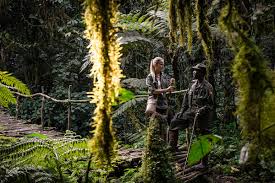
Tour guides play one of the most important roles in Bwindi Impenetrable Forest. They lead tourists during gorilla trekking experiences and ensure that visitors follow park regulations.
Guides educate tourists about gorilla behavior, forest ecology, and conservation efforts. They also ensure safety and enhance the overall visitor experience.
A well-trained guide helps promote conservation awareness and ensures responsible tourism practices are followed.
Conservation and Tourism Link in Bwindi
Tourism in Bwindi is closely connected to conservation. Revenue from tourism helps fund gorilla protection, anti-poaching patrols, and habitat conservation programs.
Tourism professionals contribute to conservation by educating visitors and ensuring minimal disturbance to wildlife. Every visit to Bwindi supports the survival of mountain gorillas and the protection of their habitat.
This relationship makes tourism an important tool for wildlife conservation.
Community Involvement in Bwindi Tourism
Local communities around Bwindi play a key role in supporting tourism and conservation. Many community members work as guides, porters, cultural performers, and craft sellers.
Tourism provides income opportunities that reduce pressure on forest resources and encourage conservation. Community-based tourism also allows visitors to experience local culture and traditions.
Strong community involvement is essential for sustainable tourism in Bwindi.
Challenges of Working in Bwindi Tourism
Working in Bwindi can be physically demanding due to steep terrain, dense forests, and changing weather conditions. Professionals must also deal with high visitor expectations and strict conservation rules.
There are also challenges related to wildlife safety and conservation enforcement. However, proper training and teamwork help professionals manage these challenges effectively.
Despite these difficulties, many consider Bwindi one of the most rewarding places to work in tourism.
Career Growth Opportunities in Bwindi Tourism
Tourism professionals working in Bwindi have opportunities for career growth. Entry-level workers can advance to senior guide positions, park management roles, or conservation officer positions with experience and additional training.
Some professionals also move into international conservation organizations or tourism development projects. Continuous learning and professional development are important for career advancement.
Bwindi offers long-term career opportunities for dedicated tourism professionals.
Why Study Tourism at Uganda Tourism Institute
Uganda Tourism Institute provides professional training designed to prepare students for careers in Uganda’s tourism industry. The institute offers programs in tour guiding, wildlife management, hospitality, ecotourism, and conservation tourism.
Students gain both classroom knowledge and practical field experience that prepares them for real-world tourism environments like Bwindi. Training emphasizes professionalism, sustainability, and customer service.
Graduates are well equipped to work in national parks, tourism companies, and conservation organizations.