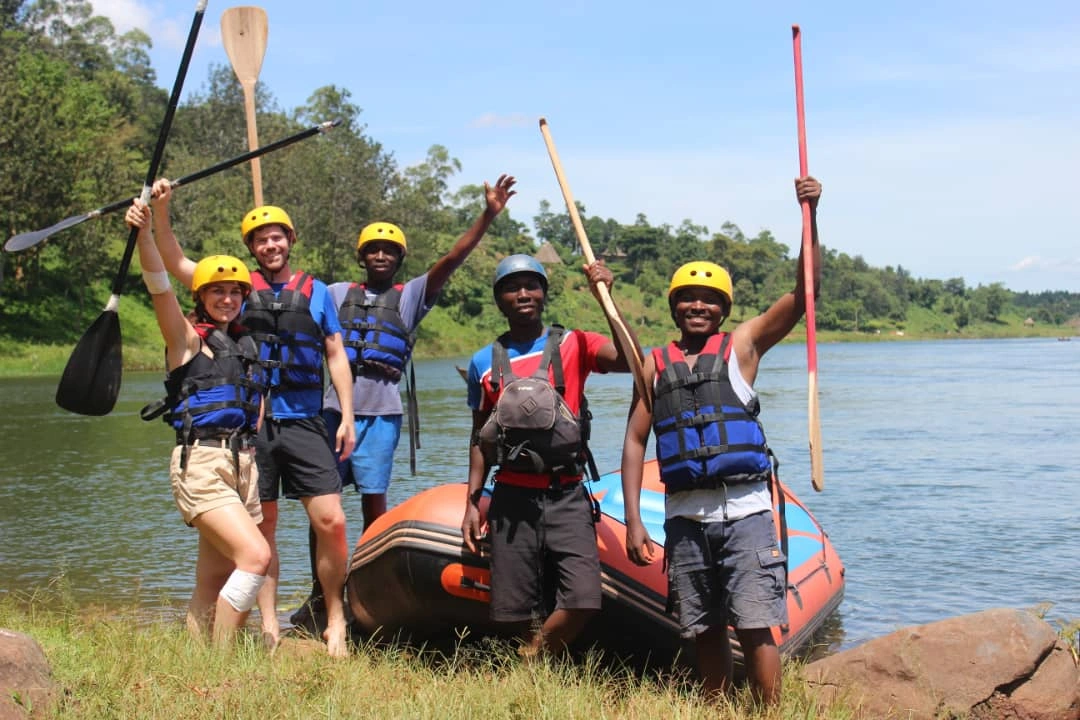
Uganda is one of Africa’s most photogenic destinations, offering breathtaking landscapes, diverse wildlife, and dramatic natural scenes that attract photographers from all over the world. From the misty forests of Bwindi Impenetrable National Park to the vast savannahs of Queen Elizabeth and the powerful waterfalls of Murchison Falls National Park, the country provides endless opportunities for capturing unforgettable images. Wildlife photography tourism has therefore become a growing career path for adventurous Ugandans who want to combine creativity, travel, and conservation.
At Uganda Tourism Institute, students are introduced to tourism, wildlife management, and guiding skills that support careers in wildlife photography tourism. This field combines artistic expression with environmental awareness and tourism professionalism.
Understanding Wildlife Photography Tourism
Wildlife photography tourism is a specialized form of ecotourism where travelers and professionals focus on photographing animals, landscapes, and natural environments in protected areas. It is not just about taking pictures; it is about telling stories of wildlife behavior, conservation efforts, and natural beauty.
This form of tourism attracts both professional photographers and tourists who want to document their safari experiences. It also supports conservation by raising awareness about endangered species and fragile ecosystems through visual storytelling.
Wildlife photography tourism requires patience, observation skills, and a deep understanding of animal behavior and habitats.
Why Wildlife Photography is Growing in Uganda
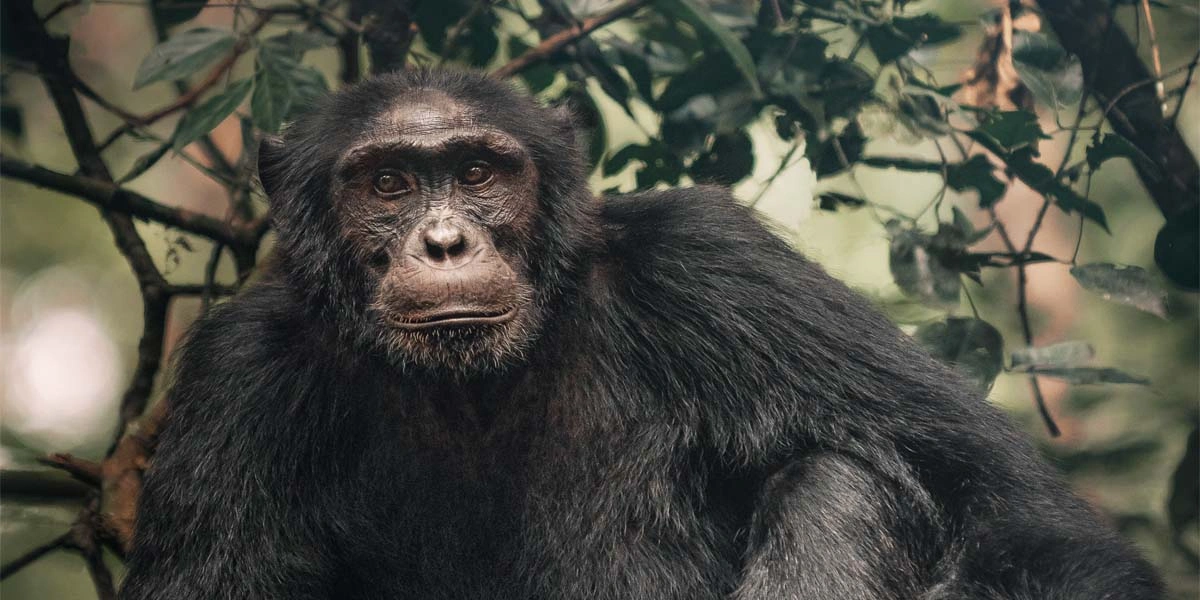
Uganda’s tourism industry has grown significantly due to its rich biodiversity and iconic wildlife species such as mountain gorillas, lions, elephants, chimpanzees, and rare bird species like the shoebill stork. These species make Uganda one of the most sought-after photography destinations in Africa.
The rise of social media, digital platforms, and travel blogging has also increased demand for high-quality wildlife images. Tourists and professionals use photography to share experiences, promote destinations, and support conservation awareness.
As a result, wildlife photography has become both a creative profession and a tourism marketing tool.
Skills Needed for Wildlife Photography Tourism
Wildlife photography requires a combination of technical, artistic, and field-based skills. Photographers must understand camera settings, lighting, composition, and editing techniques to produce high-quality images.
In addition to technical skills, knowledge of wildlife behavior is essential. Understanding how animals move, feed, and interact helps photographers capture unique moments without disturbing nature.
Patience, creativity, and physical fitness are also important, as photographers often spend long hours in the field waiting for the perfect shot.
Training and Education for Wildlife Photography Careers
Although wildlife photography is often seen as a creative field, formal training in tourism, wildlife management, and photography techniques is highly beneficial. Students at Uganda Tourism Institute are introduced to tourism operations, field guiding, and conservation principles that support photography careers in natural environments.
Practical field experience in national parks helps learners understand how to work safely around wildlife while capturing meaningful images. Training also includes communication skills, customer care, and environmental awareness, which are important for working with tourists and conservation teams.
Some students also pursue additional photography workshops and digital media training to improve their technical skills.
The Role of Tour Guides in Photography Tourism
Tour guides play an important role in wildlife photography tourism. They help photographers locate animals, understand behavior patterns, and access the best viewing positions in national parks.
A skilled guide knows how to balance tourism needs with conservation rules, ensuring that wildlife is not disturbed during photography activities. Guides also provide valuable information that helps photographers capture more meaningful and educational images.
This collaboration between photographers and guides enhances both the tourism experience and conservation awareness.
Equipment Used in Wildlife Photography
Wildlife photography requires specialized equipment to capture clear and detailed images of animals in their natural habitats. Cameras with fast shutter speeds, telephoto lenses, and stabilizing equipment are commonly used.
Other important tools include binoculars, tripods, memory cards, and weather protection gear. In some cases, drones are also used for landscape photography, although their use is regulated in protected areas.
Understanding how to use and maintain equipment is essential for producing professional-quality wildlife images.
Career Opportunities in Wildlife Photography Tourism
Wildlife photography offers a wide range of career opportunities for creative and adventurous individuals. Photographers can work as independent professionals, safari photographers, travel content creators, or conservation documentarians.
Some work with tourism companies, lodges, and travel agencies to produce promotional content. Others collaborate with conservation organizations to document wildlife and raise awareness about environmental protection.
Wildlife photographers can also become instructors, travel bloggers, or digital media specialists in the tourism industry.
Wildlife Photography and Conservation Awareness
One of the most important roles of wildlife photography is raising awareness about conservation. Powerful images of animals and ecosystems help educate the public about the importance of protecting nature.
Photographs of endangered species such as mountain gorillas or elephants can inspire conservation action and support funding for wildlife protection programs. Visual storytelling is a strong tool for connecting people to nature.
In this way, wildlife photographers contribute directly to conservation efforts in Uganda and beyond.
The Importance of Field Experience
Field experience is essential for success in wildlife photography tourism. Spending time in national parks helps photographers understand animal behavior, lighting conditions, and environmental challenges.
Field training also teaches safety measures when working in wild environments. Students and beginners learn how to move responsibly in protected areas while respecting conservation guidelines.
At Uganda Tourism Institute, field exposure is an important part of tourism and wildlife-related training programs.
Challenges in Wildlife Photography Tourism
Wildlife photography can be physically demanding and unpredictable. Photographers often spend long hours waiting for animals to appear, and weather conditions can change quickly in natural environments.
Access to expensive equipment and transportation can also be a challenge for beginners. In addition, strict park regulations must be followed to ensure that wildlife is not disturbed during photography.
Despite these challenges, the rewards of capturing rare and powerful wildlife moments make the career highly fulfilling.
The Role of Technology in Wildlife Photography
Modern technology has transformed wildlife photography tourism. High-resolution cameras, drones, editing software, and online platforms have made it easier to capture and share wildlife images globally.
Social media platforms allow photographers to reach international audiences, promote tourism destinations, and build personal brands. Digital tools also help in image editing, wildlife tracking, and portfolio development.
Technology continues to expand opportunities in this creative tourism sector.
Community Involvement in Photography Tourism
Local communities play an important role in supporting wildlife photography tourism. Many communities near national parks work as guides, porters, or cultural experience providers for tourists and photographers.
Photography tourism also supports community development by creating jobs and encouraging cultural exchange between visitors and local people. When communities benefit from tourism, they are more likely to support conservation efforts.
This strengthens the relationship between tourism, conservation, and local livelihoods.
Why Study Tourism and Wildlife Skills at Uganda Tourism Institute
Uganda Tourism Institute provides training that prepares students for careers in tourism, wildlife management, and conservation-related fields. The programs offer a combination of classroom instruction and practical field experience.
Students learn about wildlife behavior, tour guiding, ecotourism, and communication skills that are essential for working in wildlife photography tourism. The institute also emphasizes professionalism, sustainability, and creativity.
Graduates are well prepared to enter careers in tourism, media, conservation, and creative industries.