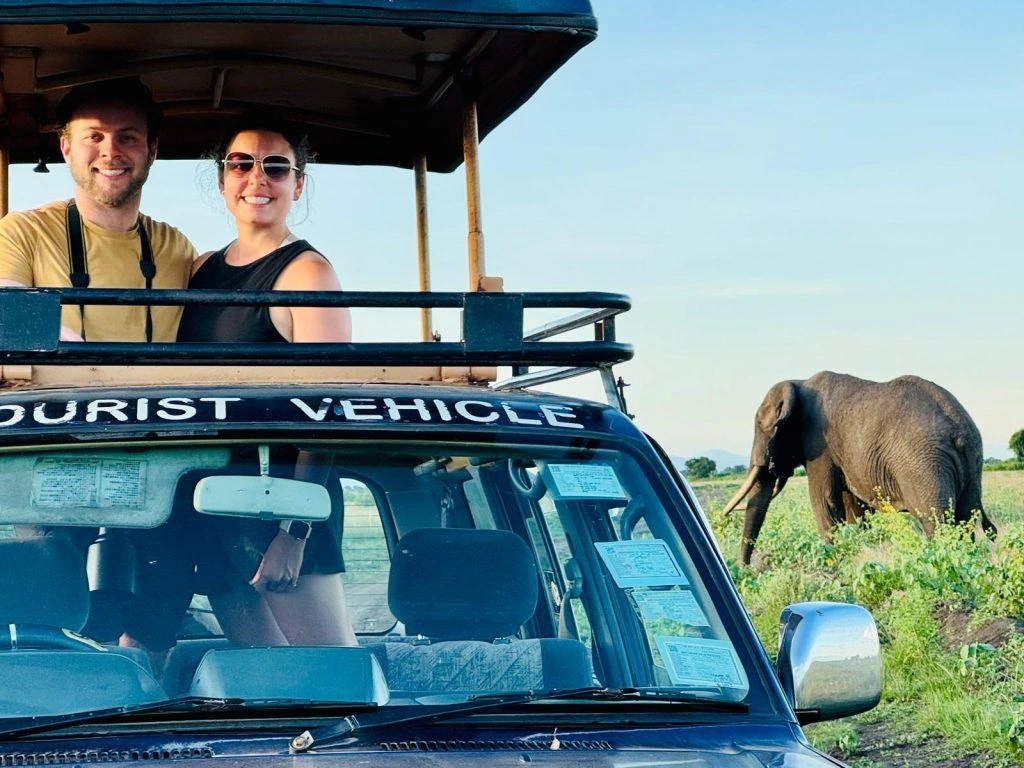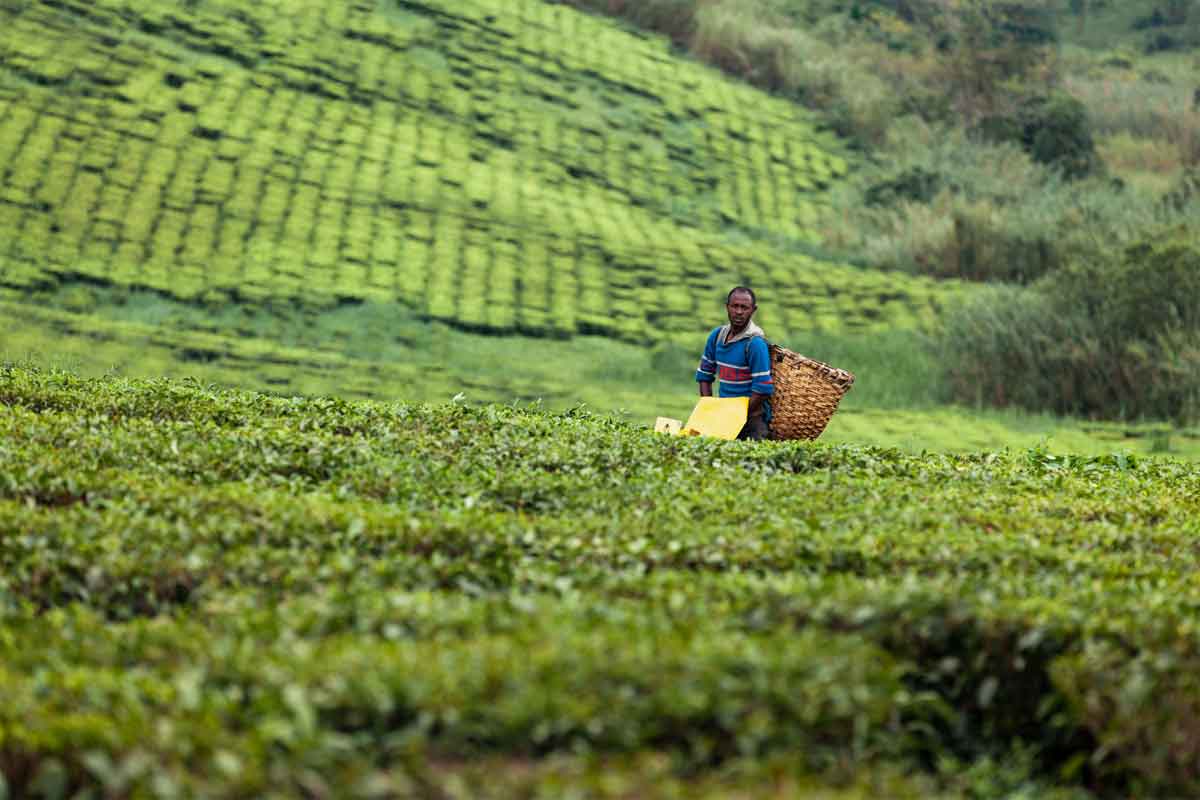

Uganda’s wildlife sector is one of the most dynamic conservation and tourism environments in Africa, offering meaningful opportunities for people who are passionate about nature, animals, and sustainable tourism. From the savannahs of Queen Elizabeth National Park to the rainforests of Bwindi Impenetrable National Park and Kibale Forest National Park, conservation work is ongoing every day. Volunteering in this sector is not only a way to contribute to wildlife protection but also a practical pathway into a long-term career in tourism and conservation.
At Uganda Tourism Institute, students are trained in wildlife management, ecotourism, tour guiding, and conservation tourism. These programs align closely with field volunteering experiences, making it easier for learners to transition from volunteer roles into professional employment within Uganda’s growing tourism industry.
Understanding Wildlife Volunteering in Uganda
Wildlife volunteering involves giving time and effort to support conservation projects, tourism operations, and community-based initiatives without immediate financial reward. Volunteers work alongside rangers, researchers, tourism guides, and conservation organizations to protect Uganda’s natural heritage.
Tasks may include wildlife monitoring, assisting with data collection, supporting anti-poaching efforts, participating in community awareness programs, and helping with tourism activities such as guiding support or visitor interpretation. This practical exposure provides valuable insight into how conservation and tourism systems operate on the ground.
Why Volunteering is a Strong Entry Point into Conservation Careers
Volunteering is often the first step for individuals who want to build careers in wildlife and tourism but lack experience. It allows learners to gain real-world exposure, understand wildlife behavior, and develop professional skills in a natural environment.
Many employers in Uganda’s tourism sector value field experience highly. A volunteer who has worked in a national park or conservation project is often better prepared than someone with only classroom training. Volunteering also helps individuals build confidence, discipline, and teamwork skills that are essential in conservation work.
Key Wildlife Volunteering Opportunities in Uganda
Uganda offers a wide range of volunteering opportunities in conservation and tourism. National parks provide chances to support ranger teams, assist with wildlife tracking, and participate in ecological monitoring activities.
Conservation NGOs and research organizations also recruit volunteers to help with environmental education, community outreach, and biodiversity studies. In addition, community-based tourism projects allow volunteers to work with local villages to develop cultural tourism experiences and support sustainable livelihoods.
These diverse opportunities allow volunteers to choose paths that match their interests and long-term career goals.
Skills Gained Through Wildlife Volunteering
Volunteering in Uganda’s wildlife sector helps individuals develop both technical and soft skills. Field-based skills include wildlife identification, basic ecological observation, data recording, and understanding animal behavior.
Soft skills such as communication, teamwork, adaptability, and problem-solving are equally important. Volunteers also learn how to work in challenging outdoor environments, sometimes in remote or physically demanding conditions.
These skills are highly valuable for future careers in guiding, conservation management, tourism operations, and environmental education.
How Volunteering Leads to Career Opportunities
One of the biggest advantages of volunteering is that it creates pathways into formal employment. Many conservation organizations and tourism companies prefer hiring individuals who have already demonstrated commitment through volunteer work.
Volunteers often gain networking opportunities by working closely with rangers, tour guides, researchers, and tourism managers. These connections can lead to internships, recommendations, or direct job offers.
In some cases, volunteers are absorbed into organizations where they served, especially if they show strong performance and dedication.
Transitioning from Volunteer to Professional in Wildlife Tourism
Turning volunteering into a career requires planning and continuous skill development. Individuals are encouraged to combine volunteer experience with formal education in tourism, wildlife management, or conservation studies.
At Uganda Tourism Institute, learners receive structured training that complements field experience gained through volunteering. This combination strengthens employability and prepares students for roles in national parks and tourism companies.
Professional growth also depends on building leadership skills, gaining certifications, and specializing in areas such as guiding, research, or conservation education.
The Role of Field Experience in Career Development
Field experience is one of the most important factors in wildlife and tourism careers. It helps individuals understand real conservation challenges such as poaching, habitat loss, and human-wildlife conflict.
Working in the field allows volunteers to apply theoretical knowledge in real-life situations. This practical exposure builds confidence and improves decision-making skills in dynamic environments.
Employers in Uganda’s tourism sector highly value candidates who have spent time working in actual wildlife settings.
Challenges of Wildlife Volunteering
While volunteering is rewarding, it also comes with challenges. Fieldwork can be physically demanding, involving long hours, rough terrain, and unpredictable weather conditions.
Volunteers may also face limited resources and basic living conditions in remote areas. Emotional challenges can arise when dealing with wildlife protection issues such as poaching or injured animals.
Despite these challenges, many volunteers find the experience deeply fulfilling and transformative for their careers.
The Importance of Conservation Awareness
Wildlife volunteering helps build strong conservation awareness among participants. Volunteers learn how ecosystems function and why protecting biodiversity is essential for both wildlife and human survival.
This awareness often inspires long-term commitment to environmental protection and sustainable tourism practices. Many former volunteers go on to become conservation advocates, tour guides, or environmental educators.
Conservation awareness is a key foundation for any career in Uganda’s wildlife sector.
Community Involvement in Wildlife Volunteering
Local communities play an important role in conservation volunteering programs. Many projects involve working directly with communities living near national parks to promote sustainable resource use and tourism development.
Volunteers may assist in education programs, cultural tourism initiatives, and livelihood support activities. This helps strengthen the relationship between conservation efforts and community well-being.
When communities benefit from conservation, wildlife protection becomes more sustainable.
Career Paths After Volunteering
After gaining volunteer experience, individuals can pursue various career paths in Uganda’s tourism and conservation industry. Common roles include wildlife ranger, tour guide, ecotourism officer, conservation assistant, and environmental educator.
Some individuals progress into wildlife research, park management, or tourism entrepreneurship. Others join international conservation organizations or pursue further studies in environmental sciences.
The experience gained during volunteering provides a strong foundation for long-term professional growth.
Why Study at Uganda Tourism Institute
Uganda Tourism Institute offers structured training programs that prepare students for careers in tourism, hospitality, wildlife management, and conservation. The training combines classroom instruction with field exposure, making it ideal for individuals with volunteer experience.
Students gain practical skills in tour guiding, ecotourism, wildlife conservation, and customer care. The programs emphasize professionalism, sustainability, and employability in Uganda’s tourism sector.
Graduates are well positioned to transition from volunteering into full-time careers.