
Uganda as the best Country to study Tourism Courses from. Where you study tourism shapes how you understand it. Learning about wildlife from a textbook is very different from learning beside the habitat of mountain gorillas. Studying hospitality in a classroom is very different from training in the lodges and hotels that welcome visitors from around the world. That is why more and more students, from Uganda and beyond, are choosing Uganda as the best country to study tourism courses.
In this guide, the team at Uganda Tourism Institute explains what makes Uganda such a powerful place to learn tourism. We look at the country’s extraordinary attractions, its growing tourism industry, affordable education, English-language teaching, practical training opportunities, career prospects across East Africa and the warm welcome that has earned Uganda the name “the Pearl of Africa.”
Uganda: The Pearl of Africa
Winston Churchill famously called Uganda “the Pearl of Africa,” and visitors still understand why today. In a country roughly the size of the United Kingdom, Uganda packs snow-capped mountains, tropical rainforests, savannah plains, crater lakes, the source of the River Nile and Lake Victoria, Africa’s largest lake.
For a tourism student, this diversity is priceless. Few countries allow you to study mountain gorillas, chimpanzees, the Big Five, more than 1,000 bird species, adventure sports, cultural heritage and luxury hospitality all within a single country. Every one of these is a potential career specialisation, and every one is within reach during your studies.
Reason 1: World-Class Attractions as Living Classrooms
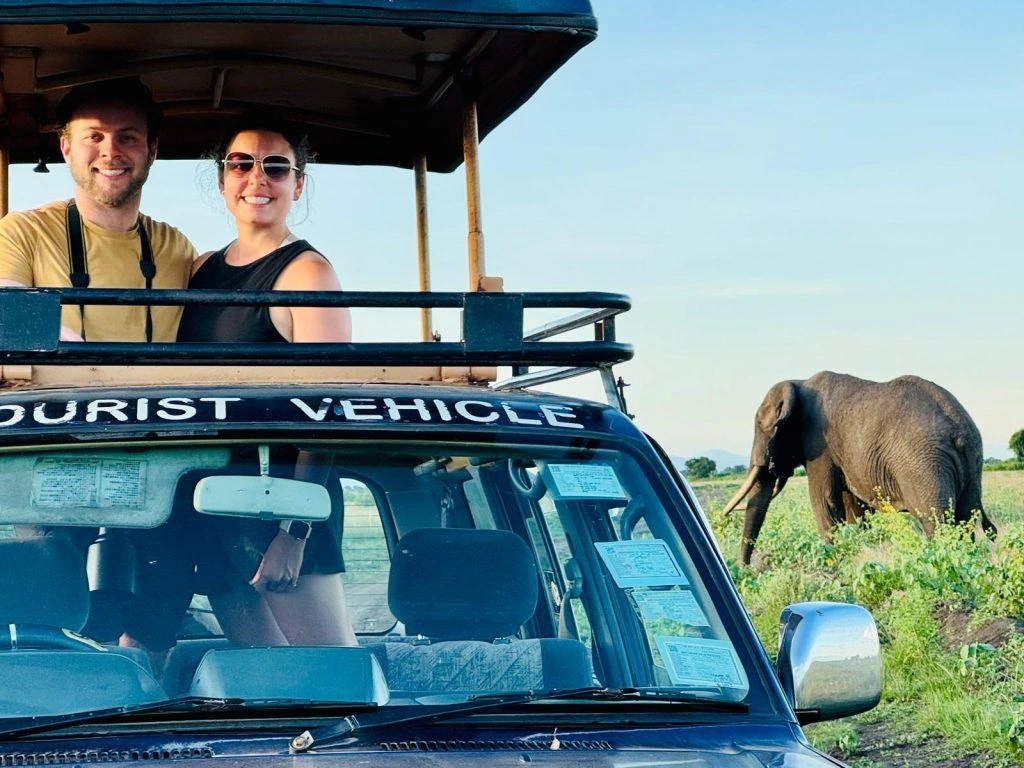
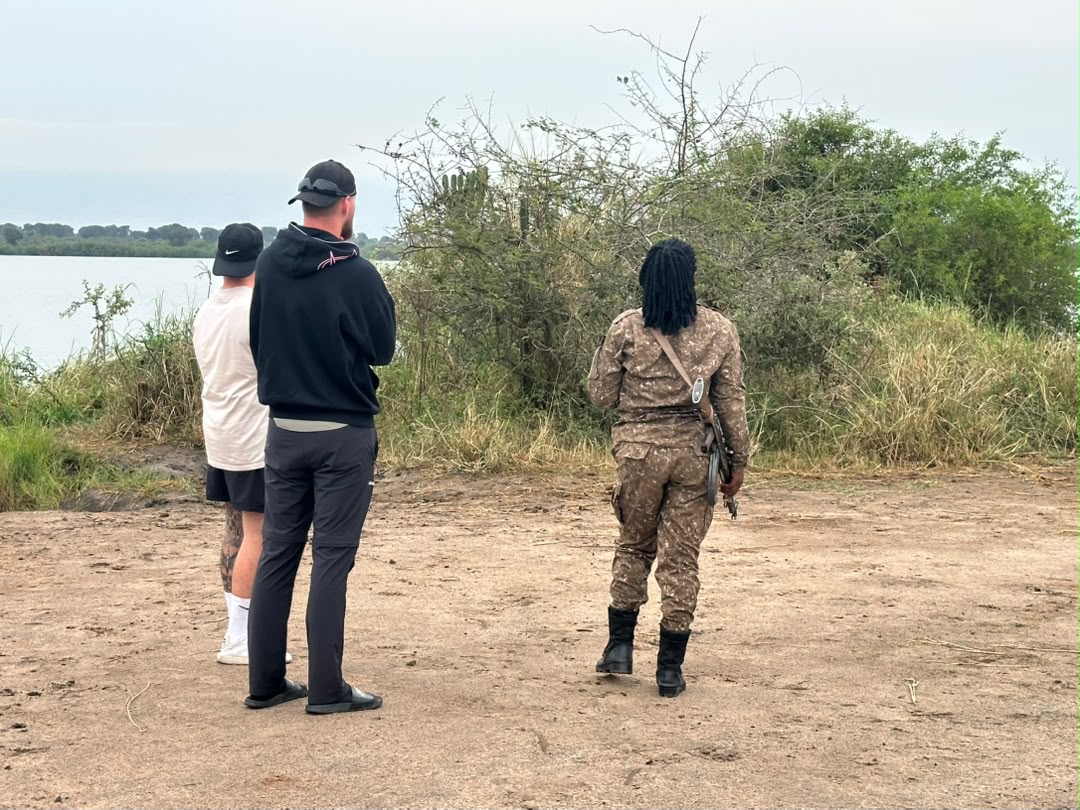
Uganda’s attractions turn tourism theory into real experience. Students can learn on field trips to:
- Bwindi Impenetrable and Mgahinga Gorilla national parks, home to roughly half of the world’s remaining mountain gorillas.
- Kibale Forest National Park, one of Africa’s best places for chimpanzee tracking.
- Queen Elizabeth National Park, famous for tree-climbing lions and the Kazinga Channel.
- Murchison Falls National Park, where the Nile forces its way through a narrow gorge.
- Kidepo Valley National Park, one of Africa’s most remote and spectacular wilderness areas.
- The Rwenzori Mountains and Mount Elgon, for mountain and adventure tourism.
- Jinja and the source of the Nile, East Africa’s adventure capital for rafting and kayaking.
- Cultural and historical sites, including palaces, tombs, museums and community tourism projects.
Uganda is also home to iconic wetland and lake destinations, such as Mabamba Swamp, where visitors search for the prehistoric-looking shoebill, and Lake Bunyonyi, one of the most beautiful lakes in Africa. Each destination teaches a different side of tourism, from conservation and community involvement to adventure, accommodation and visitor management. Studying in Uganda means these places are not just case studies. They are destinations you can visit, explore and eventually work in. Our article on reptile and amphibian tourism in Uganda shows how even lesser-known wildlife offers learning and business opportunities.
Reason 2: A Fast-Growing Tourism Industry
Tourism is one of Uganda’s leading sources of foreign exchange and a major employer, particularly of young people. New lodges, hotels, tour companies and attractions continue to open, and government and private investment in tourism marketing, roads, airports and accommodation is expanding the sector.
For students, a growing industry means more internship placements, more job opportunities and more chances to start businesses. You study in the middle of a sector that needs your skills. Our article on how tourism is creating jobs for youth in Uganda explores this growth in more detail.
Reason 3: Affordable Tuition and Living Costs
Compared with many countries in Europe, North America and parts of Africa, studying tourism in Uganda is highly affordable. Tuition fees for short courses, certificates and diplomas are generally modest, and many institutions offer flexible payment plans.
Living costs are also reasonable. Accommodation, food and local transport cost far less than in many international study destinations. For international students, this means a quality tourism education without the heavy financial burden of studying overseas. For Ugandan students, local programmes make tourism careers accessible without leaving the country.
To compare costs across institutions, you can review published examples such as the KCI Institute fee structure, and contact our admissions team for current fees at Uganda Tourism Institute.
Reason 4: English as the Language of Instruction
English is an official language of Uganda and the main language of instruction in schools, colleges and universities. That makes Uganda an easy choice for international students from English-speaking countries and for those who want to strengthen their English, the most widely used language in global tourism.
Studying in English also prepares you to serve international guests confidently. Uganda’s multilingual environment, with dozens of local languages and growing interest in French, Swahili and other foreign languages, encourages strong communication skills that tourism employers value. Students can add further languages through options such as KCI Institute’s language courses.
Reason 5: Practical, Hands-On Training
Tourism is learned by doing, and Ugandan tourism institutions place strong emphasis on practical training. Students typically benefit from:
- Field trips to national parks, cultural sites and adventure destinations.
- Practical sessions in front office, housekeeping, food and beverage service and culinary arts.
- Mock tours and guiding practice under experienced trainers.
- Internships and industrial attachments with lodges, hotels, tour operators and travel agencies.
Because many trainers are active or former industry professionals, students learn current best practice rather than outdated theory. This practical focus means graduates leave with real skills and real experience, ready to start work. Our guide on how to get your first tourism job in Uganda with no experience explains how internships help students launch their careers.
Reason 6: A Wide Range of Tourism Courses
Uganda offers tourism and hospitality courses at every level and in many specialisations, including:
- Tour guiding and driver-guiding.
- Tourism and hospitality management certificates.
- Diplomas in tourism and hospitality management.
- Hotel management, front office, housekeeping and food and beverage.
- Culinary arts and pastry.
- Travel agency, ticketing and tour operations.
- Event management, marketing and entrepreneurship.
- Online and blended courses for flexible study.
Browse our programmes on the Our Courses page, and learn more about longer qualifications on our Diploma in Tourism Management in Uganda page. For comparison, see KCI Institute’s overview of tourism courses in Uganda and its full course list.
Reason 7: Accessible Entry Requirements
Tourism education in Uganda is designed to be inclusive. Short courses and certificates are typically open to O-Level (UCE) leavers, while diplomas usually require A-Level (UACE) or a relevant certificate. Many institutions also consider relevant work experience.
This accessibility means students can start their tourism journey early and progress step by step. Read our guides on whether you can study tourism after S4 in Uganda, our overview of tourism courses after S4 and S6 and our article on hotel management course requirements in Uganda.
Reason 8: Flexible Online and Blended Study
Ugandan institutions increasingly offer online and blended tourism programmes. Students can study theory online and attend practical sessions in person, making tourism education accessible to working adults, parents, students in rural areas and learners living abroad.
For international students, blended learning can reduce the time and cost of living in Uganda while still providing hands-on field experience. KCI Institute’s guide to online tourism courses in Uganda explains how these programmes work.
Reason 9: Gateway to East African Careers
Uganda sits at the heart of East Africa, bordering Kenya, Tanzania, Rwanda, South Sudan and the Democratic Republic of Congo. Its tourism industry is closely linked with neighbouring countries, and many safaris combine Uganda with Rwanda’s Volcanoes National Park, Kenya’s Maasai Mara or Tanzania’s Serengeti.
Studying in Uganda gives you regional knowledge and connections that open doors to careers across East Africa. Our article on tourism jobs in Rwanda, Kenya and Tanzania explains how Ugandan-trained professionals can work in the region.
Reason 10: Strong Entrepreneurship Opportunities
Uganda’s tourism industry has plenty of room for new businesses. Small tour companies, guesthouses, community tourism projects, restaurants, transport services and craft businesses are all in demand. Many tourism courses include entrepreneurship training, and students can test ideas in a real market while they study.
If you dream of being your own boss, read our guides on how to start a tourism company in Uganda, what is needed to get a Uganda Tourism Board licence and restaurant entrepreneurship: from your kitchen to your own business.
Reason 11: Warm, Welcoming Culture
Ugandans are widely known for their friendliness and hospitality, qualities that sit at the heart of tourism itself. International students often describe feeling at home quickly, thanks to welcoming classmates, helpful communities and a relaxed pace of life.
Uganda’s cultural diversity is also a learning resource. With many ethnic groups, kingdoms, languages and traditions, students gain first-hand experience of cultural tourism and develop the cross-cultural sensitivity needed to serve guests from around the world.
Reason 12: A Pleasant Climate Year-Round
Sitting on the equator but largely at high altitude, Uganda enjoys a pleasant, moderate climate throughout the year. Temperatures are generally warm during the day and comfortable at night, with two rainy seasons and two drier seasons. This makes field trips and outdoor learning possible year-round and makes daily life comfortable for international students.
Reason 13: Conservation and Sustainable Tourism Leadership
Uganda is a global case study in how tourism can support conservation. Gorilla tourism has helped mountain gorilla numbers recover, and revenue-sharing programmes return part of park income to local communities. Studying in Uganda gives you first-hand insight into ecotourism, community-based tourism and responsible travel, topics that are increasingly important to employers and guests worldwide.
Reason 14: Close Industry Connections
Uganda’s tourism community is close-knit. Tour operators, lodge owners, hotel managers and guides often know one another, and many are actively involved in training the next generation. Tourism institutions frequently invite industry professionals as guest lecturers, organise visits to businesses and place students in internships with partner companies.
These connections give students access to mentors, references and job leads long before graduation. A strong performance during an internship often leads directly to employment. When comparing programmes, ask about industry partnerships and placement support. For an example of how institutions describe their practical links, see KCI Institute’s overview of its tourism and hospitality course in Uganda.
Reason 15: A Welcoming Environment for Learners
Uganda is a popular destination for international volunteers, researchers, students and tourists, and its towns are used to welcoming visitors from many countries. Students generally find Ugandan communities friendly and supportive. As in any country, it is sensible to follow local advice, stay informed about current conditions and take normal precautions with personal belongings and travel at night. Reputable institutions provide orientation and support to help new students settle in confidently.
Reason 16: Diverse Tourism Products to Learn From
Uganda’s tourism industry is not limited to safaris. Students can study and experience a wide range of tourism products in one country:
- Primate tourism: Gorilla trekking, chimpanzee tracking and golden monkey tracking.
- Wildlife safaris: Game drives, boat cruises and walking safaris.
- Birding tourism: One of Africa’s richest bird lists, including the rare shoebill.
- Adventure tourism: White-water rafting, kayaking, bungee jumping, mountain climbing and cycling.
- Cultural and heritage tourism: Kingdoms, palaces, crafts, music and community visits.
- Religious tourism: Sites such as the Uganda Martyrs Shrine at Namugongo, which attracts large pilgrimages.
- Business and conference tourism: Meetings, conventions and events in Kampala and Entebbe.
- Agro-tourism: Coffee, tea and farm experiences.
Exposure to this variety helps students discover their passion and builds versatile skills for many tourism careers.
Popular Places to Study Tourism in Uganda
Tourism training is available in several parts of the country:
- Kampala: The capital offers the widest choice of institutions, hotels for internships, tour company head offices and city life.
- Entebbe: Home to the international airport, Lake Victoria resorts and the Uganda Wildlife Education Centre.
- Jinja: A hub for adventure tourism and hospitality along the Nile.
- Western Uganda: Towns near the national parks offer direct exposure to safari tourism and lodge operations.
Online and blended programmes also allow students anywhere in Uganda to study, attending practical sessions in person as required.
Skills Uganda-Trained Tourism Professionals Develop
Students who train in Uganda typically develop a valuable combination of skills:
- Deep knowledge of African wildlife and ecosystems, gained through field experience.
- Strong customer service, rooted in Uganda’s culture of hospitality.
- Adaptability, from working in varied environments, from city hotels to remote lodges.
- Cross-cultural communication, from interacting with guests and colleagues from many backgrounds.
- Practical problem-solving, essential in a fast-moving, hands-on industry.
- Understanding of conservation and community tourism, increasingly valued by employers worldwide.
These skills make Uganda-trained professionals competitive in East Africa and beyond.
Tips for Making the Most of Studying Tourism in Uganda
- Join every field trip, and take notes, photographs and contacts.
- Travel on weekends and holidays to see as many destinations as you can.
- Learn local greetings in languages such as Luganda, Runyankole and Swahili.
- Volunteer at tourism events, expos and conservation activities.
- Build relationships with lecturers, classmates and internship supervisors.
- Follow Uganda’s tourism news to understand trends and opportunities.
- Keep a portfolio of your projects, itineraries and certificates to show employers.
What Careers Can You Build After Studying Tourism in Uganda?
Graduates of Ugandan tourism programmes work in a wide range of roles:
- Safari guide, driver-guide and specialist birding or primate guide.
- Tour consultant, reservations officer and operations manager.
- Hotel and lodge receptionist, supervisor and manager.
- Chef, restaurant supervisor and food and beverage manager.
- Travel agent and ticketing officer.
- Event coordinator and tourism marketer.
- Tourism entrepreneur and business owner.
Read our guides on job opportunities after completing a tourism course, how to become a good tour guide and how to become a Uganda Wildlife Authority (UWA) guide. KCI Institute’s article on what is needed to become a tour guide offers further guidance.
Uganda Compared with Other Study Destinations
| Factor | Studying Tourism in Uganda | Studying in Many Overseas Destinations |
|---|---|---|
| Tuition and living costs | Affordable | Often much higher |
| Access to African wildlife | Direct, on field trips and internships | Mostly theoretical |
| Language of instruction | English | Varies |
| Practical experience in African tourism | Extensive | Limited |
| Regional career network | Strong East African connections | Weaker for African careers |
For students planning careers in African tourism, especially safari and nature-based tourism, studying in Uganda offers advantages that are hard to match elsewhere. You graduate not only with a qualification but with first-hand experience of the destinations, guests and businesses you will work with.
Advice for International Students
If you are planning to study tourism in Uganda from abroad, keep these points in mind:
- Choose a registered institution with recognised programmes; vocational qualifications in Uganda are assessed by the Uganda Vocational and Technical Assessment Board (UVTAB).
- Check visa and study permit requirements with Ugandan immigration authorities before travelling.
- Prepare your documents, including academic certificates, passport and any required translations.
- Arrange health requirements, including a yellow fever vaccination certificate.
- Plan accommodation in advance, either through the institution or private housing.
- Budget realistically for tuition, living costs, field trips and travel.
Most institutions offer admissions support for international students. For an example of the process, see KCI Institute’s admissions page and online application form.
Life as a Tourism Student in Uganda
Student life in Uganda is rich and varied. In Kampala and other towns, you will find lively markets, restaurants serving local and international food, music and arts scenes, sports and community events. Weekends offer chances to explore nearby attractions such as Lake Victoria beaches, the Entebbe Botanical Gardens, the source of the Nile in Jinja, Mabamba Swamp for shoebill spotting and Lake Mburo National Park.
Many students also join tourism clubs, student associations and community projects, which build friendships, leadership skills and professional networks that last well beyond graduation. These experiences complement your formal studies. Every trip, conversation and cultural event adds to the knowledge and confidence you will one day share with your own guests.
How to Get Started
- Explore your options and choose a course that matches your interests and goals.
- Check entry requirements for your chosen level.
- Select a recognised institution with strong practical training.
- Prepare and submit your application with the required documents.
- Plan your finances, accommodation and, for international students, visas.
- Arrive ready to learn and make the most of every field trip and internship.
FAQ: Is Uganda a Good Place to Study Tourism?
Yes. Its world-class attractions, growing tourism industry, affordable costs, English instruction and strong practical training make Uganda an excellent choice.
FAQ: Can International Students Study Tourism in Uganda?
Yes. Many institutions welcome international students, subject to entry requirements and immigration rules.
FAQ: Are Ugandan Tourism Qualifications Recognised?
Qualifications from registered institutions, assessed by recognised national bodies, are valued by employers in Uganda and across East Africa.
FAQ: How Long Do Tourism Courses Take in Uganda?
Short courses take weeks to months, certificates about six months to a year and diplomas around two years.
FAQ: Can I Study Tourism in Uganda Online?
Yes. Many institutions offer online or blended programmes, with practical sessions arranged in person.
FAQ: Can I Work in Tourism Outside Uganda After Studying Here?
Yes. Ugandan-trained tourism professionals work across East Africa and further afield, including in international hotels, safari lodges and on cruise ships, subject to each country’s work permit rules.
Choose Uganda for Your Tourism Education
Uganda truly is one of the best countries to study tourism courses. Its gorillas, chimpanzees, savannahs, mountains, lakes and cultures form a living classroom like no other. Add affordable fees, English-language teaching, practical training, flexible study options, regional career opportunities and the famous warmth of Ugandan hospitality, and it is easy to see why so many students choose the Pearl of Africa to begin their tourism careers.
At Uganda Tourism Institute, we are proud to train the next generation of tourism and hospitality professionals. Explore our courses, read more career guides on our website and contact our admissions team to start your tourism journey in Uganda. For further information on vocational training options, visit KCI Institute.