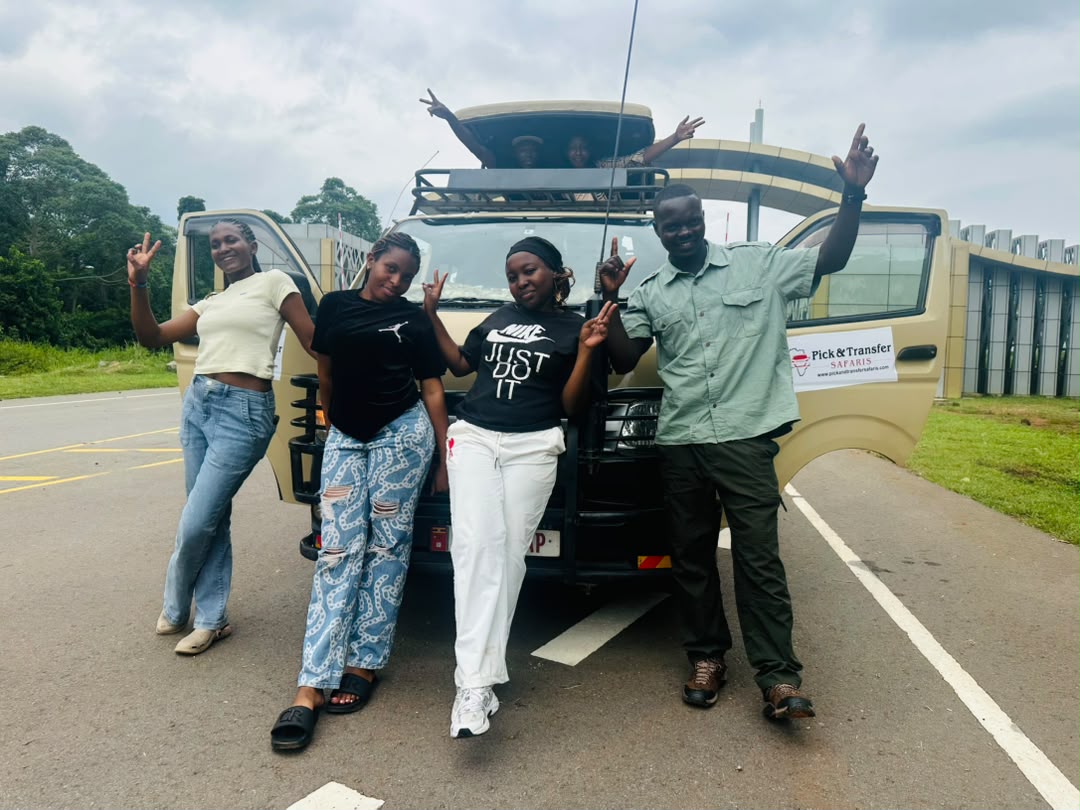

How Tourism Is Creating Jobs for Youth in Uganda. Uganda’s tourism industry is quietly becoming one of the most powerful engines of youth employment on the African continent. With golden savannahs, equatorial rainforests, and the world’s last thriving mountain gorilla populations, the Pearl of Africa has an unmatched product to sell to the world — and the young people of Uganda are right at the heart of delivering that product to millions of visitors every year.
Uganda’s Tourism Boom: A Window of Opportunity for Young People
Over the past decade, Uganda has experienced a steady rise in international tourist arrivals, with wildlife, cultural tourism, and adventure experiences drawing visitors from Europe, North America, and beyond. This growth has not happened in isolation. It has created a multiplier effect across dozens of sectors — hospitality, transport, guiding, food services, cultural performance, craft production, and digital content creation — all of which are accessible entry points for young Ugandans seeking meaningful livelihoods.
According to the Uganda Tourism Board, tourism contributes significantly to the national GDP and supports hundreds of thousands of direct and indirect jobs. For youth, who make up the majority of Uganda’s population, this is not just an industry — it is a lifeline. The Uganda Tourism Institute recognises this reality and has built its programmes around equipping young people with the professional skills needed to capture these opportunities. You can explore our dedicated training programmes at Uganda Tourism Institute.
The Sectors Where Youth Are Finding Work
Tourism in Uganda is not a single career path — it is an ecosystem of interlinked opportunities. Young Ugandans are finding employment and entrepreneurship openings across many areas.
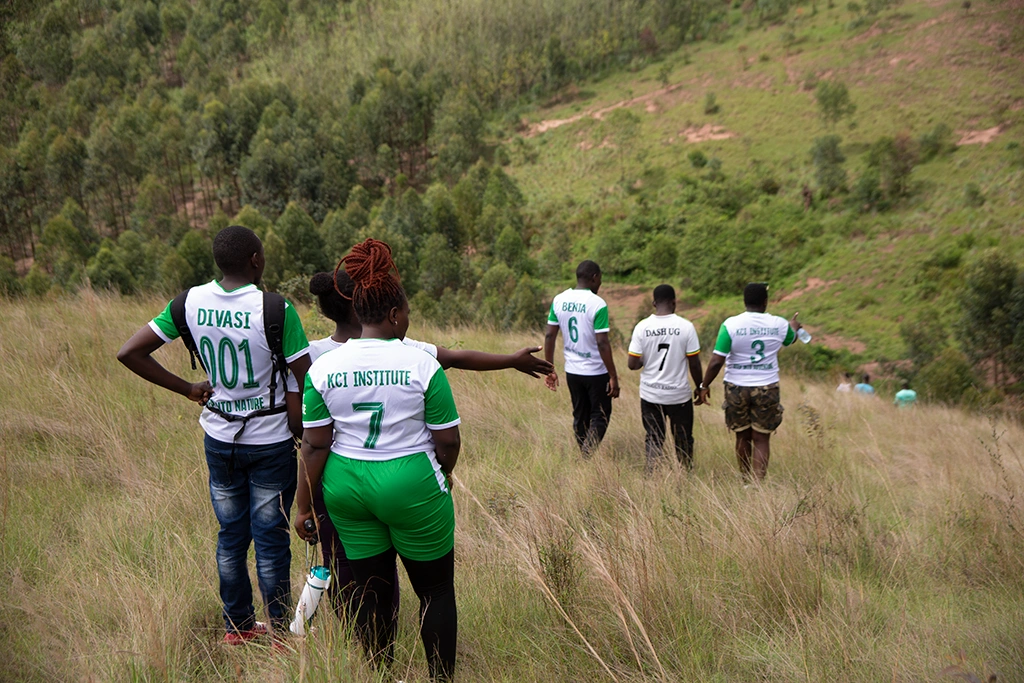
Wildlife Guiding and Safari Operations Bwindi Impenetrable Forest, Queen Elizabeth National Park, and Murchison Falls National Park attract tens of thousands of visitors annually. Trained wildlife guides and safari operators are in constant demand. Youth who pursue professional guide certification gain skills in ecology, communication, and client management — all of which are highly marketable. Explore our guiding and hospitality programmes designed specifically to fast-track young professionals into these roles.
Hotel and Lodge Hospitality Uganda’s growing network of boutique lodges, eco-camps, and urban hotels requires trained front desk officers, chefs, housekeeping supervisors, and events coordinators. The demand for hospitality professionals consistently outpaces supply, making it a high-opportunity zone for youth with proper training. Many young Ugandans are also launching their own guesthouses and bed-and-breakfast operations in community tourism zones.
Community and Cultural Tourism Uganda’s rich ethnic diversity — from the Buganda Kingdom to the Batwa of Bwindi — is increasingly a tourism attraction in itself. Young people from these communities are now working as cultural storytellers, traditional dance performers, museum guides, and craft market entrepreneurs. Community-based tourism ensures that tourism revenue stays within local economies, and young people are positioned as both beneficiaries and custodians of this heritage.
Digital Tourism and Content Creation A newer but rapidly growing employment frontier is digital tourism promotion. Young Ugandans are working as social media managers, travel bloggers, photographers, videographers, and destination marketers — helping lodges, tour companies, and national parks reach global audiences. This intersection of technology and tourism is especially accessible to tech-savvy youth in urban centres.
Training and Education: The Missing Link
Employment does not happen automatically. The critical bridge between Uganda’s tourism potential and its youth workforce is skills development. Without formal training in hospitality management, tour guiding, customer service, and business operations, young people struggle to compete for quality jobs in the sector.
This is where institutions like the Uganda Tourism Institute play a transformative role. By offering structured, industry-aligned courses in tourism and hospitality, we prepare young Ugandans to meet the standards expected by international operators and high-end lodges. Our curriculum is designed with the real demands of the tourism market in mind — from professional guiding to hotel administration and eco-tourism management.
Complementing this work, Kenlink Institute in Kampala also offers relevant vocational and business training that empowers youth to build entrepreneurial capacity. Their programmes in business management and skills development can be explored at Kenlink Institute, and represent a valuable partner pathway for young people looking to enter the tourism value chain through the entrepreneurship route.
Youth Entrepreneurship in Uganda’s Tourism Economy
Beyond formal employment, tourism has created a fertile ground for youth entrepreneurship. Young Ugandans are launching tour companies, cultural experience agencies, craft cooperatives, and even eco-lodge projects. The relatively low barrier to entry in community tourism — where natural assets already exist — means that motivated young entrepreneurs can start small and grow.
Government support through the Uganda Tourism Board and various skills development grants has also created funding pathways for youth-led tourism ventures. Programmes targeting rural youth near national parks have been particularly impactful, enabling young men and women in communities like Kisoro, Bundibugyo, and Buliisa to convert proximity to wildlife and nature into sustainable income.
What these young entrepreneurs consistently need — and what formal institutions must provide — is training in business planning, financial literacy, customer experience, and marketing. Uganda Tourism Institute’s entrepreneurship support is specifically designed to fill these gaps and help youth move from idea to viable business.
The Role of Women and Marginalised Youth in Tourism
Tourism has proven to be a particularly inclusive sector for women and marginalised young people. In Uganda, women are increasingly employed as lodge managers, tour guides, chefs, and cultural tour operators. Tourism provides a space where skills, personality, and service excellence — rather than formal academic credentials alone — open doors.
Programmes that target young women in communities near national parks have demonstrated strong results, helping them gain income, confidence, and leadership skills through tourism work. Similarly, youth with disabilities have found opportunities in cultural tourism, crafts, and hospitality, particularly where operators are committed to inclusive employment practices.
Further academic resources and inclusive education opportunities for youth in Uganda’s workforce can be found through Kenlink Institute’s academic programmes, which serve as an important partner in building a well-rounded, educated youth labour force ready for the tourism sector.
What Needs to Happen Next
Uganda’s tourism sector has enormous room to grow, and young people must be at the centre of that growth. To maximise the employment potential, a few strategic priorities stand out.
Investment in quality vocational training for tourism must increase, both through government funding and private sector partnerships. Businesses that benefit from tourism revenue should actively support training pipelines that produce the talent they need. Simultaneously, rural youth — who live closest to Uganda’s wildlife and natural heritage assets — need targeted support to access training and start businesses near their homes rather than migrating to cities.
Digital skills development is another urgent frontier. As the world increasingly discovers destinations through Instagram, YouTube, and travel platforms, Uganda needs a generation of young digital storytellers who can position the country as a must-visit destination in the global conversation.
Finally, the government, tourism operators, training institutions, and development partners must collaborate more intentionally to align training with actual labour market demand. Youth should not be trained for jobs that do not exist — they should be trained for the roles that lodges, tour operators, and cultural sites are actively seeking to fill today.