
Hotel Management Courses in Uganda. If you enjoy welcoming people, love organising things and dream of working in beautiful hotels, safari lodges or resorts, then hotel management courses in Uganda could be your gateway to a rewarding career. Uganda’s hospitality industry is growing fast. New hotels are opening in Kampala, Entebbe and Jinja, safari lodges are expanding around national parks, and international conferences and events bring thousands of guests who all need professional service. Every one of these businesses needs trained receptionists, supervisors, chefs, housekeepers and managers.
In this complete guide, we explain what hotel management courses cover, the different types of programmes available, entry requirements, how long training takes, what it costs, and the jobs you can get after graduation. We also share tips for choosing the right school and show you how to start your hotel management training at Uganda Tourism Institute in Kampala.
What Is Hotel Management?
Hotel management is the professional skill of running accommodation and hospitality businesses so that guests are happy and the business is profitable. It covers every department of a hotel: the front office that welcomes guests, housekeeping that keeps rooms clean and comfortable, the kitchen and restaurant that serve food and drinks, and the management team that handles staff, finances, marketing and quality.
A hotel manager must understand how each department works and how they fit together. That is why good hotel management courses combine theory with a lot of practical training, so students learn to do the work themselves before they supervise others. If you are interested in the wider hospitality field as well, our article on hospitality management courses in Uganda explains how hotel management fits within the broader industry.
Why Study Hotel Management in Uganda?
There are many reasons why hotel management is one of the most marketable courses in Uganda today:
- Growing demand for skilled staff: Hotels, lodges, restaurants and resorts are expanding, and employers struggle to find well-trained workers.
- Fast entry into work: Short hotel management courses can prepare you for entry-level jobs within months.
- Clear career growth: Many receptionists and waiters become supervisors and managers within a few years with the right training and attitude.
- Opportunities abroad: Hospitality skills are recognised around the world, and many Ugandans work in hotels in the Middle East, Europe and other African countries.
- Self-employment potential: Graduates can open guesthouses, restaurants, catering companies, event businesses or homestays.
- Link with tourism: Uganda’s safari industry depends on lodges and camps. Tour operators such as Kenlink Tours book hundreds of nights in lodges every year, and every one of those lodges needs skilled hospitality staff.
To see how hotel management compares with other in-demand programmes, read our guide to marketable tourism courses in Uganda.
What You Will Learn in a Hotel Management Course
A quality hotel management programme covers every department of a hotel. Below are the core modules you can expect.
Front Office Operations
The front office is the first and last point of contact for guests. Students learn reservations, check-in and check-out procedures, room allocation, telephone etiquette, handling guest requests and complaints, cash handling and the use of hotel management software. Front office skills are among the most requested by employers because receptionists represent the image of the hotel.
Housekeeping and Accommodation Management
Clean, comfortable rooms are the heart of any hotel. This module covers room cleaning standards, bed making, laundry operations, public area cleaning, inventory of linen and supplies, safety in the use of cleaning chemicals, and how to supervise a housekeeping team. Students also learn how housekeeping works with the front office to keep room status updated.
Food and Beverage Service
Restaurants and bars generate a large part of hotel income. Students learn table setting, menu knowledge, order taking, different service styles, wine and drink service, bar operations, banquet service and how to deliver a memorable dining experience. Professional food and beverage service skills are valuable in hotels, restaurants, lodges, airlines and event companies.
Food Production and Kitchen Operations
Hotel management students gain an understanding of kitchen organisation, food safety and hygiene, basic cooking methods, menu planning, portion control and food costing. Even if you do not plan to become a chef, knowing how a kitchen works helps you manage food and beverage departments effectively.
Customer Care and Guest Relations
Hospitality is about people. This module teaches communication skills, body language, handling difficult guests, cultural sensitivity and how to anticipate guest needs. These skills apply equally in city hotels and remote safari lodges. Our article on how to make your clients happy on a safari shows how the same guest care principles work across the tourism industry.
Hospitality Management and Supervision
Future managers learn how to plan staff rosters, recruit and train employees, motivate teams, manage performance and resolve conflicts. This module also covers leadership, decision-making and the organisation structure of different types of hotels.
Hotel Accounting and Cost Control
A hotel must make a profit to survive. Students learn basic bookkeeping, revenue management, budgeting, pricing of rooms and menus, stock control and how to read simple financial reports. These skills are essential for supervisors and anyone planning to run their own hospitality business.
Hospitality Sales and Digital Marketing
Most guests now discover and book hotels online. Students learn how hotels use websites, online travel agencies, social media and guest reviews to attract bookings. Those who want to specialise further can take a short course in marketing in Uganda alongside their hotel training.
Health, Safety and Security
Hotels are responsible for the safety of guests and staff. Training covers fire safety, first aid, food hygiene regulations, security procedures and emergency response, ensuring graduates can help maintain a safe environment.
Types of Hotel Management Courses in Uganda
Hotel management training comes in different levels so that students can choose according to their education, goals, time and budget.
Short Courses in Hotel Management
Short courses usually run for a few months and focus on practical, job-ready skills. They are ideal for S4 and S6 leavers who want to start working quickly, people changing careers, and hotel workers who want a recognised certificate. At Uganda Tourism Institute, our Hotel Management and Hospitality short course takes about five months, while the Tourism & Hospitality course takes about four months.
Certificate and Diploma Programmes
Longer programmes of one to two years give deeper knowledge and more supervised practice, preparing students for supervisory and management roles. These programmes cover more management, accounting and marketing content and usually include a longer internship. Our Hotel Management and Hospitality and Tourism & Hospitality programmes are both available as longer courses for students who want stronger qualifications.
Degree Programmes
Universities offer bachelor’s degrees in hotel and hospitality management for students who want an academic qualification, often with a view to senior management, teaching or research. Degrees take three to four years. Many hospitality professionals, however, start with a practical certificate, gain work experience, and then upgrade later.
Supporting Courses That Boost Your Hotel Career
Hotel managers who also understand business, people management and languages progress faster. Useful add-on programmes include Business Administration, Human Resource Management, Digital Marketing, Computer Skills and foreign languages. Students can add a language such as French or German through the KCI language courses, which is especially valuable in hotels that serve international guests.
You can see all our programmes on the courses page and compare them on the KCI Institute UVTAB courses page.
Entry Requirements for Hotel Management Courses
Entry requirements depend on the level of the programme:
- Short courses: Generally open to students who have completed S4, as well as S6 leavers, graduates and people already working.
- Certificate programmes: Usually require at least S4 with passes in relevant subjects.
- Diploma programmes: Usually require S6 or a relevant certificate.
- Degree programmes: Require S6 with the required principal passes or an equivalent diploma.
Beyond academic papers, the most important qualities are a friendly personality, good communication in English, good grooming and a willingness to work hard, including on weekends and holidays. For detailed guidance, see our article on whether you can study tourism after S4 in Uganda and review the admission requirements.
How Long Does a Hotel Management Course Take?
The duration depends on the type of programme you choose. Short courses take around four to five months, certificate and diploma programmes take one to two years, and degrees take three to four years. Most programmes include an internship period in a hotel, lodge or restaurant. Our article on how long it takes to study a tourism course compares durations in more detail.
Hotel Management Course Fees in Uganda
Fees vary between institutions and depend on the length of the programme, practical training, uniforms, kitchen materials, field trips and examination fees. When comparing schools, ask exactly what the fee includes and whether you can pay in instalments. Remember that the cheapest option is not always the best value, especially if it lacks practical training or a recognised certificate.
For a full guide to budgeting, read tourism course fees in Uganda: what to budget for, and check the current figures on the official KCI fee structure.
Practical Training and Internships
Hotel management is learned by doing. The best courses give students many hours of hands-on practice: setting tables, making beds, handling mock check-ins, preparing simple dishes and serving guests. Students then complete an internship in a working hotel, restaurant or lodge, where they experience real guests, real pressure and real teamwork.
Internships are also the most common route to a first job, because hotels often hire interns who perform well. Some students choose internships in safari lodges near national parks, where they learn how remote properties manage supplies, staff and guests who arrive after long days of game drives and treks. Safari packages like the 5-Day Short Uganda Gorilla Trekking Safari by road show how lodges along the Kampala–Bwindi route form a key part of the visitor experience. Read more in our guide to internships and practical experience in tourism courses.
Career Opportunities After Hotel Management Courses
Hotel management graduates have one of the widest choices of jobs in the tourism and hospitality sector. Common roles include:
- Front office: Receptionist, reservations agent, guest relations officer, concierge and front office supervisor.
- Housekeeping: Room attendant, laundry supervisor, public area supervisor and executive housekeeper.
- Food and beverage: Waiter or waitress, bartender, barista, restaurant supervisor, banquet coordinator and food and beverage manager.
- Kitchen: Commis chef, cook, pastry assistant and kitchen supervisor.
- Management: Duty manager, assistant manager, lodge manager, operations manager and general manager.
- Sales and marketing: Sales executive, reservations manager and digital marketing officer.
- Related industries: Airlines, cruise ships, hospitals, universities, event companies, catering firms and corporate guest houses.
Graduates can also find openings through the KCI Institute job opportunities page.
Where Hotel Management Graduates Work in Uganda
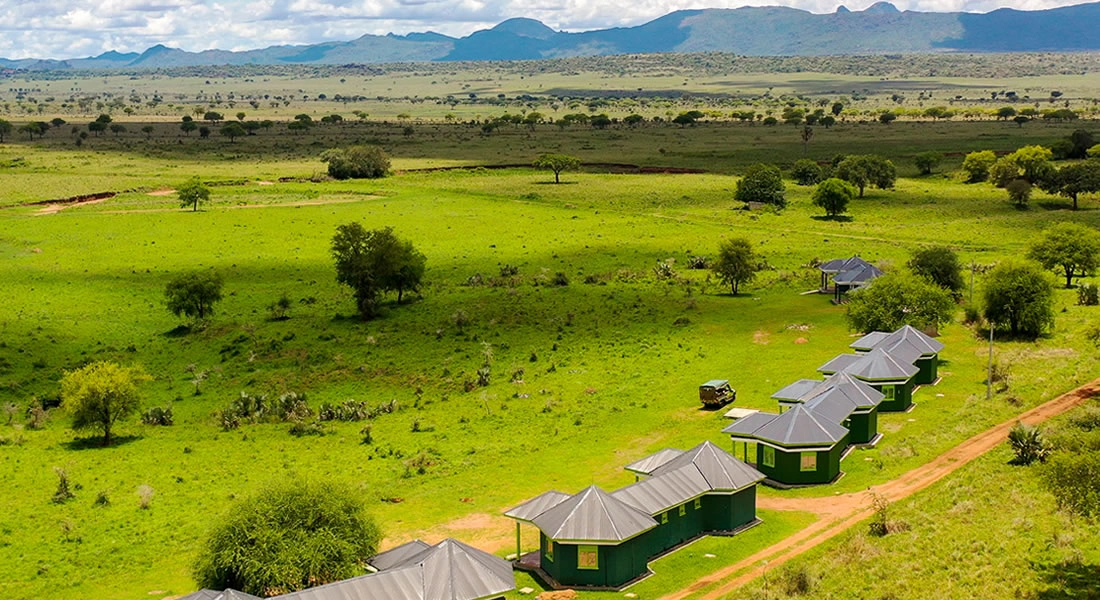
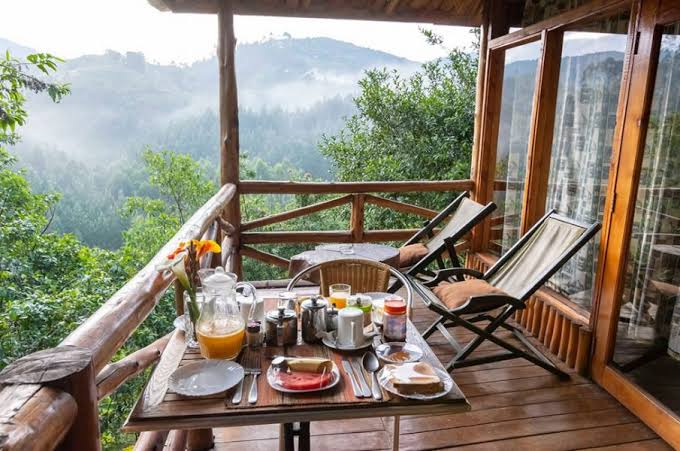
Uganda’s hospitality sector offers jobs in many settings. City hotels and conference centres in Kampala, Entebbe and Munyonyo host business travellers and international events. Resort hotels in Jinja, along Lake Victoria and around Lake Bunyonyi serve holidaymakers and honeymooners. Safari lodges and tented camps around Bwindi, Queen Elizabeth, Murchison Falls, Kibale and Lake Mburo serve international tourists on wildlife and gorilla safaris.
Lodges range from budget to luxury. For example, budget-conscious travellers often stay in simple lodges in Rushaga or Ruhija, as explained in this guide on how to do a cheap gorilla tour in Uganda, while other visitors choose high-end properties. Lodges in the western region also host cultural safari guests, as seen in the best safaris in Western Uganda with cultural tours. Each type of property needs staff who understand the needs of its guests.
A Day in the Life of a Hotel Manager
Many students wonder what hotel managers actually do all day. A typical day starts early with a review of the previous night’s report: occupancy, revenue, guest feedback and any incidents. The manager then holds a short briefing with department heads to plan for arrivals, departures, events and VIP guests. During the day, the manager walks around the property to check standards in rooms, the restaurant and public areas, greets guests, and solves problems as they come up, from a broken air conditioner to a large group arriving early.
Afternoons often involve administrative work: approving purchases, checking budgets, responding to online reviews, meeting suppliers and planning marketing promotions. In the evening, the manager may oversee dinner service or a conference event and make sure the night team is fully briefed. It is a busy, varied role that rewards people who love organisation, leadership and hospitality. No two days are ever the same, which is exactly why so many graduates find hotel management such an exciting and fulfilling long-term career.
Trends Shaping Uganda’s Hotel Industry
Hotel management students who understand where the industry is going will be more employable. Key trends include:
- Eco-friendly lodges: Travellers increasingly choose properties that use solar power, reduce plastic and support local communities.
- Technology in hotels: Online check-in, property management systems, digital payments and social media marketing are now standard.
- Domestic and regional tourism: More Ugandans and East Africans are travelling for leisure, creating demand for affordable, high-quality hotels.
- Conference and events tourism: Kampala and Entebbe continue to host regional meetings, which require skilled banquet and events staff.
- Local food experiences: Guests want to taste authentic Ugandan dishes, so chefs and food and beverage managers who can present local cuisine creatively are in demand.
Students who keep up with these trends, through reading, internships and short add-on courses, will find it easier to get hired and promoted in a competitive market where hotels are always searching for staff with modern skills and a professional attitude.
Skills You Need to Succeed in Hotel Management
Training gives you knowledge, but these personal skills will decide how far you go:
- A service mindset: Genuinely enjoying helping people and solving their problems.
- Communication: Speaking clearly and politely with guests, colleagues and suppliers.
- Attention to detail: Noticing a stained towel, a missing spoon or a guest who looks unhappy.
- Teamwork: Hotels run on cooperation between departments.
- Calm under pressure: Handling full houses, late arrivals and complaints professionally.
- Leadership: Guiding and motivating a team as you grow into supervisory roles.
- Computer skills: Using booking systems, email and spreadsheets.
- Integrity: Handling cash, guest property and confidential information honestly.
How to Choose the Best Hotel Management School in Uganda
Before you enrol, compare schools using these questions:
- Is the certificate recognised? Ask which body assesses the students. UVTAB assessment shows the course meets national vocational standards.
- How practical is the training? Look for practical rooms, kitchen sessions, mock front desks and real service practice.
- Who are the trainers? Trainers with real hotel experience bring industry standards into the classroom.
- Is there an internship? Check whether the school helps place students in hotels and lodges.
- Are the fees clear? Make sure you know the full cost and the payment options.
- What do graduates say? Talk to former students about their training and job success.
For comparisons, see our lists of the best hospitality schools in East Africa and the best tourism schools within Kampala.
Why Study Hotel Management at Uganda Tourism Institute?
Uganda Tourism Institute, part of KCI Institute on Gayaza Road in Kampala, offers career-focused hotel management training designed to get students working. Here is why students choose us:
- UVTAB-assessed certificates recognised across Uganda.
- Practical, hands-on lessons in front office, housekeeping, food and beverage service and kitchen operations.
- Experienced hospitality trainers who have worked in the industry.
- Short and long programmes so you can start working quickly or study in depth.
- Strong industry links through our sister tour company, which works with lodges and hotels across Uganda and neighbouring countries, including properties used on tours combining Uganda and Rwanda.
- Flexible study options, including in-person and online learning, with several intakes a year.
- Add-on courses in languages, digital marketing, business and computer skills.
Learn more on our About Us page, read why students call us the best tourism institute in Uganda, or see the full guide to KCI Institute courses, fees and how to enroll.
How to Apply for a Hotel Management Course
- Pick your programme from our courses page.
- Check the next start date on our intakes page.
- Prepare your documents, including academic results, a national ID or passport and passport photos.
- Apply online through our Apply Now page or submit your application on the KCI website.
- Receive your admission letter and payment details, then prepare to start classes.
Frequently Asked Questions
Which is the best hotel management course in Uganda?
The best course is one that is recognised, practical and linked to employers. Uganda Tourism Institute’s Hotel Management and Hospitality programme is UVTAB-assessed and focuses on hands-on training and internships.
How long is a hotel management course in Uganda?
Short courses take about four to five months, certificate and diploma programmes take one to two years, and degrees take three to four years.
Can I study hotel management after S4?
Yes. Many short courses and certificate programmes accept S4 leavers. Diplomas usually require S6 or a relevant certificate.
What jobs can I get after a hotel management course?
Graduates work as receptionists, housekeepers, waiters, bartenders, chefs, supervisors and managers in hotels, lodges, restaurants, resorts, airlines and event companies.
Can I work abroad with a hotel management certificate from Uganda?
Yes. Hospitality skills are in demand worldwide. Many employers abroad look for practical experience as well, so completing an internship and working locally first will strengthen your application.
Start Your Hotel Management Career Today
Hotel management courses in Uganda offer a fast, practical route into a growing industry full of opportunities, from city hotels and conference centres to beautiful safari lodges and resorts. With the right training, a positive attitude and real practical experience, you can grow from your first job at the front desk or in the restaurant to managing your own team or even your own hospitality business.
Take the first step now: explore our hotel management and hospitality courses, apply for the next intake, or call us on +256 789 210 067. For more career guides, visit the Uganda Tourism Institute blog.