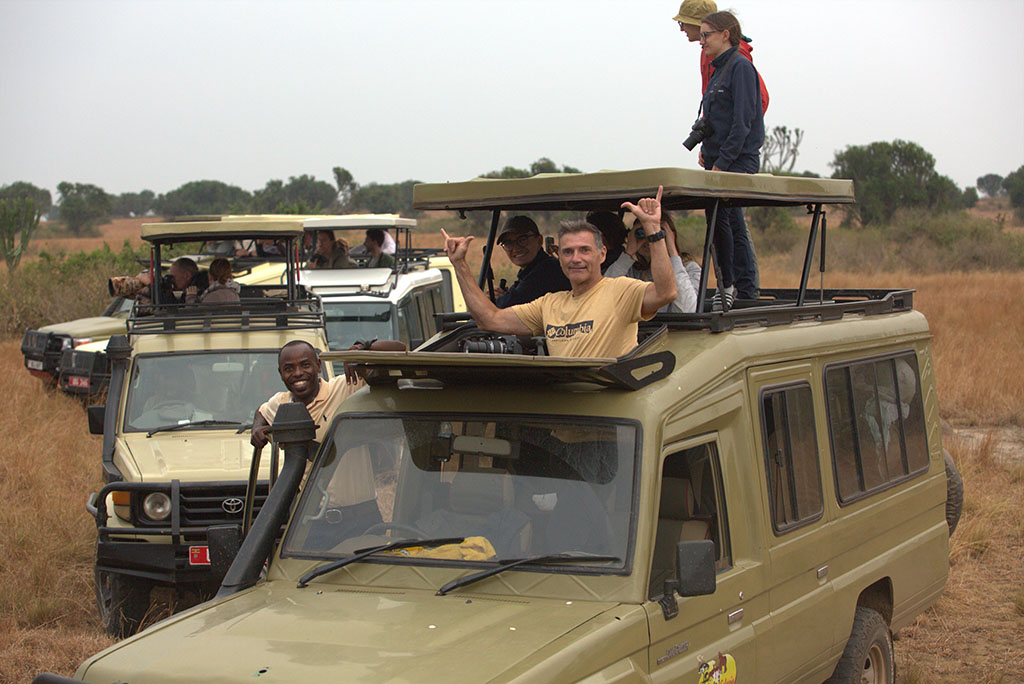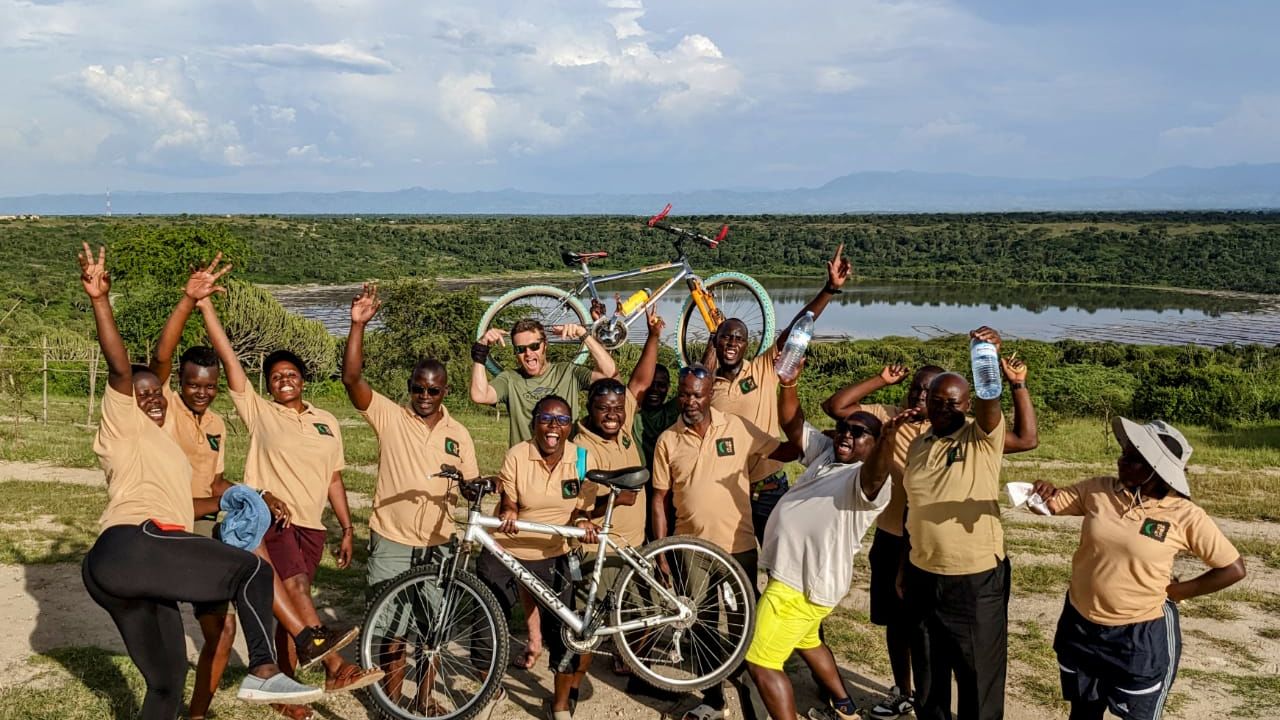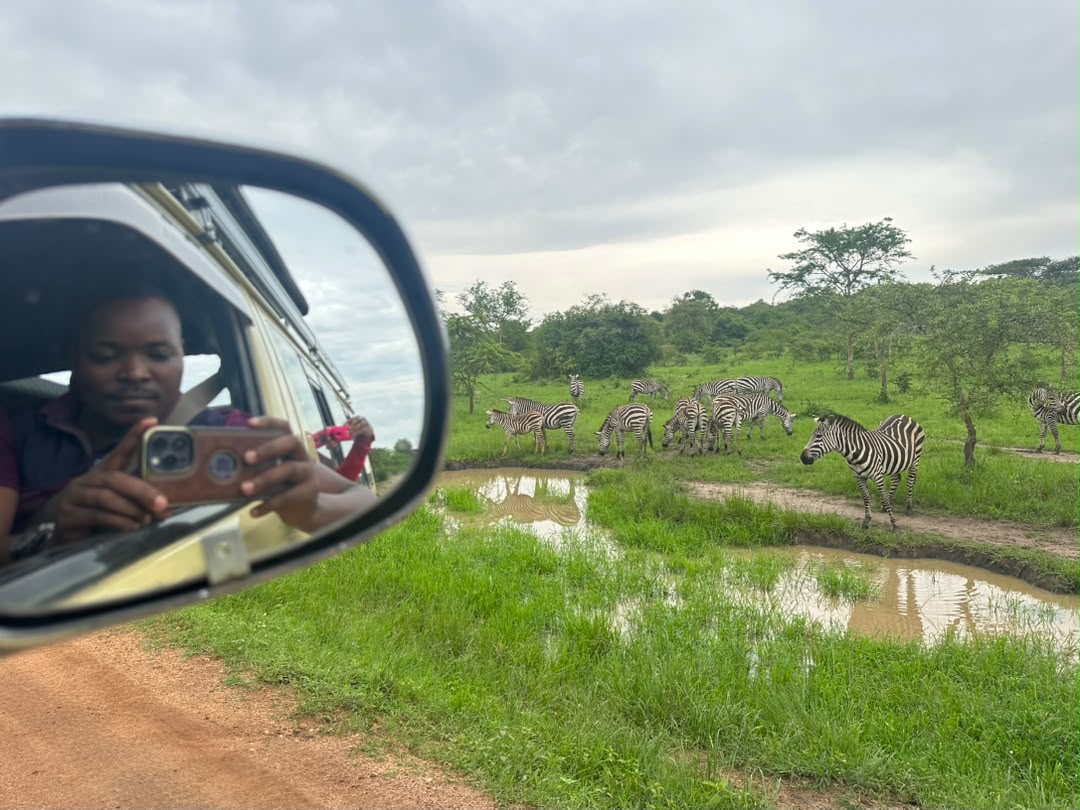

How to make your clients happy on a safari. A safari is far more than a holiday. For many visitors, it is a once-in-a-lifetime dream they have saved for over many years. When they finally land at Entebbe, they arrive with high hopes: to look a mountain gorilla in the eye, to watch the Nile thunder through Murchison Falls, to hear lions call at night in Queen Elizabeth National Park. Your job, whether you are a guide, a driver or a tour consultant, is to turn those hopes into memories.
Happy clients are the engine of the tourism industry. They write glowing reviews, recommend you to friends, book again and ask for you by name. Unhappy clients do the opposite, and in the age of online reviews, one bad experience can be read by thousands of future travellers. That is why learning how to make your clients happy on a safari is not an optional soft skill. It is the core of a successful tourism career.
The good news is that client happiness is not luck. It comes from clear habits that anyone can learn: preparation, communication, care, flexibility and genuine passion. At Uganda Tourism Institute, these habits are built into every programme, from our Tour Guiding Course in Uganda to our tourism operations training.
In this guide, we share ten practical ways to delight safari clients from the first email to the final goodbye at the airport. Each tip comes with simple actions you can apply on your very next trip. If you are new to the industry, you may also enjoy our earlier post on how can I become a good tour guide, which pairs well with this article.
1. Understand Your Clients Before the Safari Begins
Client happiness starts long before the first game drive. It starts when you take the time to understand who your guests are and what they truly want. Two couples may book the same seven-day itinerary, yet one dreams of photographing shoebills while the other mainly wants to relax by a lodge pool between activities. Treating them the same way guarantees that at least one couple leaves disappointed.
Good tour consultants and guides gather information early. They ask about interests, fitness levels, dietary needs, medical conditions, celebrations such as birthdays or honeymoons, and past travel experience. They also learn what worries the client: fear of insects, nervousness about long drives, or concern about health and safety.
This knowledge lets you shape the safari around the person, not the brochure. A keen birder gets an early start in Mabamba Swamp. A family with young children gets shorter drives and a pool stop. A photographer gets the golden-hour game drives and a window seat.
How to put it into practice:
- Read the booking file carefully before you meet your guests.
- Use a short welcome chat on day one to confirm interests and expectations.
- Note special dates, allergies and medical needs, and share them with lodges.
- Ask “What would make this trip perfect for you?” and listen to the answer.
- Keep notes so that repeat clients feel remembered next time.
If you enjoy this planning side of tourism, our article on the Tour Consultant Course in Africa explains how consultants design trips that match each client perfectly.
2. Make a Warm and Professional First Impression
The first five minutes of a safari set the tone for the entire trip. After a long flight, guests are tired, unsure and often a little anxious. The person waiting for them at arrivals can either calm those nerves or add to them.
A great welcome is simple but intentional. Arrive early, hold a clean, clearly printed name board, dress neatly and greet guests with a genuine smile. Offer help with luggage, provide cold water and introduce yourself by name. On the way to the hotel, share just a little useful information, such as the local time, the plan for tomorrow and how to reach you, without overwhelming them.
Your vehicle is part of that first impression too. A clean car with a fresh interior, charged sockets and bottled water tells guests they are in good hands.
How to put it into practice:
- Track the flight and arrive at least thirty minutes before landing.
- Wear a neat uniform or smart-casual outfit with a name badge.
- Greet each guest by name and shake hands if they are comfortable.
- Offer water, a local SIM card tip and a short briefing.
- Keep the first conversation light, friendly and reassuring.
Many of Uganda’s successful driver guides say that this professional welcome is what earns them repeat bookings. Our guide on how to become a tour driver in Uganda covers more of the professional standards companies look for.
3. Communicate Clearly, Honestly and Often
Confusion is one of the quickest ways to make clients unhappy. Guests want to know what is happening, when, and why. When they do not know, small worries grow into big frustrations: “How long until lunch?” “Is it safe to drink this water?” “Why did we leave so early?”
Clear communication removes that stress. Begin every day with a short briefing that covers the route, driving time, activities, meal stops, toilet breaks and what to wear or carry. During the day, update guests whenever plans change. In the evening, preview tomorrow so they can prepare and sleep well.
Honesty matters just as much. Never promise a sighting you cannot guarantee. Wildlife is wild, and clients respect a guide who says “Lions are often seen here, but we will need some luck” far more than one who promises lions and then makes excuses.
Language can also be a barrier. Many safari clients speak English as a second language. Speak slowly, use simple words and check understanding. A guide who can greet guests in German, French, Spanish or Chinese instantly builds a warmer connection. KCI’s language courses are a practical way to add that skill.
How to put it into practice:
- Give a short morning briefing and an evening preview every day.
- Announce any change of plan early, with a clear reason.
- Set honest expectations about wildlife, weather and road conditions.
- Encourage questions and answer them patiently.
- Learn key greetings and phrases in your guests’ languages.
4. Share Deep Knowledge Through Great Storytelling
Clients can read facts in a guidebook. What they cannot get from a book is a passionate local expert who brings Uganda to life. The guides clients remember are the ones who turn a sighting into a story.
Instead of simply saying “That is a Ugandan kob”, a great guide explains that the kob appears on Uganda’s coat of arms, describes how males defend breeding grounds called leks, and points out the lions watching from the grass. Instead of naming a tree, they share how local communities use its bark or fruit. These stories make clients feel they truly understand the places they visit.
Knowledge must also cover culture and history. Guests are curious about Ugandan food, languages, kingdoms, music and daily life. A guide who can answer these questions respectfully and accurately becomes a cultural bridge, not just a driver.
How to put it into practice:
- Study the wildlife, birds, plants and history of every route you cover.
- Prepare a few short, memorable stories for key stops and species.
- Match the depth of detail to each guest’s interest level.
- Admit when you do not know something, then find the answer.
- Carry binoculars and field guides, and let guests use them.
Strong interpretation skills are a major focus of the best tour guiding courses in Uganda, because knowledge is what separates a guide from a taxi driver.
5. Put Safety and Comfort First at All Times
Clients cannot enjoy a safari if they feel unsafe or uncomfortable. Every happy moment rests on a foundation of safe driving, a reliable vehicle and attentive care.
Safety starts on the road. Drive at sensible speeds, avoid night driving, insist on seat belts on highways and follow every park rule. Keep the vehicle well maintained and carry a first aid kit, fire extinguisher and spare tyre. On walks and treks, brief guests on how to behave around wildlife and follow ranger instructions closely.
Comfort is just as important. Long drives on bumpy roads can exhaust guests, especially older travellers and children. Plan regular stops, keep cold water available, control dust by closing windows on murram roads and adjust the air conditioning to suit everyone.
How to put it into practice:
- Plan comfort stops every two to three hours and announce them in advance.
- Keep water, snacks, wet wipes and a first aid kit within reach.
- Check guests regularly for signs of tiredness, heat or illness.
- Lock valuables away and never leave them visible in the vehicle.
- Know the nearest clinics and emergency contacts on each route.
If you want to strengthen your driving safety, KCI’s UVTAB courses include a two-week Defensive Driving short course. You can also explore driving-focused programmes on our Our Courses page.
6. Be Flexible and Personalise the Experience
No two safari days go exactly to plan. Rain washes out a road, a guest feels unwell, the gorillas move deeper into the forest, or a lion kill appears just as lunch is due. The guides who keep clients happy are the ones who adapt calmly and creatively.
Flexibility also means personalising the trip as you learn more about your guests. If a client becomes fascinated by birds, stop more often for them. If guests are exhausted after a long trek, suggest a relaxed afternoon instead of another activity. If a couple mentions their anniversary, quietly arrange a small cake with the lodge. These touches cost little but create stories clients tell for years.
Of course, flexibility must stay within safety rules, park regulations and the agreed budget. Always consult your office before making major changes that affect bookings or costs.
How to put it into practice:
- Have a backup plan for rain, road closures and missed sightings.
- Adjust the pace of each day to match guests’ energy.
- Look for small chances to surprise clients, such as a sundowner or a village visit.
- Celebrate birthdays, honeymoons and anniversaries with lodge support.
- Keep the office informed of any changes to the itinerary.
Personalised service is a skill shared with the hotel world. Our article on hospitality management courses in Uganda shows how hospitality thinking can lift every part of a safari.
7. Create “Wow” Moments Guests Will Never Forget
Clients rarely remember every detail of their itinerary. What they remember are a few powerful moments: the silverback that walked past within metres, the elephants crossing the Kazinga Channel at sunset, the first sight of Murchison Falls from the top, or a child’s song in a village school.
Great guides do not leave these moments to chance. They plan for them. They time game drives for the best light and animal activity, position the vehicle so every guest has a clear view, and know the quiet spots away from crowds. They also know when to stop talking and simply let guests absorb the moment.
Small surprises add magic too. A picnic breakfast on the savannah, a bush sundowner with a view, or an unexpected cultural performance can turn a good safari into a great one.
How to put it into practice:
- Plan game drives around early mornings and late afternoons.
- Position the vehicle so photographers get the best angles, without disturbing animals.
- Know scenic viewpoints and quiet alternatives to busy sightings.
- Allow silent time at special sightings so guests can enjoy them fully.
- Help guests take photos of themselves, not only of the wildlife.
The ability to craft these moments is what makes a guide stand out. It is one reason graduates of the best tourism institute in Uganda are trusted by tour operators to lead their premium trips.
8. Show Respect for Wildlife, Communities and Culture
Modern travellers care deeply about responsible tourism. Many choose Uganda specifically because they want an authentic, ethical experience. Seeing a guide chase animals, litter or treat local people disrespectfully will upset them, even if they get closer photos.
Respect for wildlife means staying on tracks, keeping a safe distance, switching off the engine at sightings when appropriate and never feeding or provoking animals. Respect for communities means asking before guests photograph people, supporting fair local businesses and explaining customs so guests can interact with confidence. Respect for culture means presenting Uganda’s traditions with pride and accuracy.
Clients notice these values and they share them. Many reviews praise guides who “cared about the animals” or “made us feel welcome in the community”.
How to put it into practice:
- Follow every Uganda Wildlife Authority rule in the parks.
- Brief guests on photography etiquette in villages and markets.
- Recommend community projects and craft shops that benefit local people.
- Carry a rubbish bag and leave every stop cleaner than you found it.
- Explain the conservation value of permit fees, so guests feel proud to contribute.
9. Handle Complaints and Problems Calmly
Even on the best safari, something will go wrong. A lodge room may not match expectations, a meal may disappoint, a vehicle may break down or a guest may simply have a bad day. How you respond to problems often matters more than the problem itself.
The golden rule is to listen first. Let the guest explain fully without interrupting or becoming defensive. Show empathy, apologise for the inconvenience and focus on solutions. Then act quickly: call the lodge, contact your office, arrange a replacement vehicle or adjust the plan. Finally, follow up to make sure the guest is satisfied.
Many travel professionals say a well-handled complaint can create more loyalty than a trip with no problems at all, because guests see that you truly care.
How to put it into practice:
- Listen fully, stay calm and never argue with a guest.
- Apologise sincerely, even when the problem was not your fault.
- Offer practical solutions and agree on the next step together.
- Escalate quickly to your office when you need support.
- Check back later to confirm the guest is happy again.
If you plan to run your own tour company one day, learning to manage customer issues is vital. KCI’s business consultation service can guide new tour operators on customer care systems and growth.
10. End the Safari Well and Stay in Touch
The last day of a safari is just as important as the first. Tired guests heading home need a smooth, stress-free airport transfer with time to spare. Help with luggage, confirm passports and tickets, and make sure nothing is left in the vehicle.
A thoughtful goodbye leaves a lasting impression. Thank your guests sincerely, recap a few highlights of the trip and wish them a safe journey. Some guides share a short list of the species seen, or send a few photos later. These small gestures keep the warm feeling alive long after guests return home.
After the trip, follow up through your company. Politely invite feedback and online reviews. Positive reviews help your employer win new bookings, and honest feedback helps you improve.
How to put it into practice:
- Leave early for the airport and allow for traffic in Kampala and Entebbe.
- Do a final vehicle check for passports, phones, cameras and souvenirs.
- Thank guests personally and share a highlight from the trip.
- Ask your office to send a thank-you message and review request.
- Keep in touch professionally, so repeat clients can ask for you by name.
Understanding how reviews and online reputation shape bookings is part of modern tourism marketing. Our post on the short course in marketing in Uganda explains why these skills matter for every tourism professional.
Quick Checklist: 10 Ways to Make Safari Clients Happy
| Way | What happy clients experience |
|---|---|
| 1. Understand your clients | A trip shaped around their real interests and needs |
| 2. Make a great first impression | A warm, calm, professional welcome |
| 3. Communicate clearly | No confusion, honest expectations, daily briefings |
| 4. Share knowledge through stories | A deeper understanding of Uganda’s wildlife and culture |
| 5. Put safety and comfort first | Peace of mind on every road and trail |
| 6. Be flexible | Calm solutions when plans change |
| 7. Create wow moments | Unforgettable sightings and surprises |
| 8. Show respect | An ethical safari they feel proud of |
| 9. Handle problems calmly | Fast, caring solutions to every issue |
| 10. End well and stay in touch | A smooth farewell and a lasting connection |
How Professional Training Helps You Delight Safari Clients
Every tip in this guide can be learned. The most loved guides and consultants in Uganda did not simply wake up with these skills. They built them through training, practice and mentorship. Structured learning teaches you customer care, wildlife interpretation, safety, itinerary planning and professional conduct in one programme, then lets you practise in the field before you face paying clients.
At KCI Institute, popular options include the 4-month Tour Guiding & Driving and Tourism Operations short courses, and the 1–2 year Tours & Travel Management and Driving & Tour Guiding programmes, all assessed under UVTAB. Learn more about our mission on the About Us page, or visit the KCI About Us page on the main institute website.
Still choosing where to study? Compare options in our guides to the best tourism schools within Kampala and the best hospitality schools in East Africa. For budgeting, read Tourism Course Fees in Uganda: What To Budget For and check the official KCI fee structure. Our overview of KCI Institute in Uganda: courses, fees and how to enroll puts it all in one place.
If you want broader skills alongside tourism, KCI also offers heavy machinery training. Once you qualify, check the careers and job opportunities page for openings with tour companies and lodges.
Frequently Asked Questions About Making Safari Clients Happy
What makes safari clients happiest?
Most clients are happiest when they feel safe, well cared for and genuinely connected to the places they visit. Great wildlife sightings help, but warm service, clear communication and a knowledgeable, passionate guide are what clients praise most often in reviews.
How can a guide get better reviews from safari clients?
Focus on the whole experience, not just the wildlife. Be punctual, communicate clearly, handle problems quickly and add small personal touches. At the end of the trip, thank guests sincerely and let your company follow up with a polite review request.
What should a guide do if clients are unhappy with a sighting?
Be honest that wildlife is unpredictable, show that you understand their disappointment and offer realistic alternatives, such as another drive at a better time or a different area of the park. Share interesting stories about other species so the day still feels rewarding.
Do I need formal training to become a safari guide?
Formal training is strongly recommended. Tour operators prefer guides with recognised certificates because they have been trained and assessed in safety, interpretation and customer care. Read about how long it takes to study a tourism course and check KCI’s admission requirements to get started.
Can I study tourism after Senior Four?
Yes. Many tourism short courses accept applicants with any available academic documents. Our post on can I study tourism after S4 in Uganda explains your options, and our Intakes page lists upcoming start dates.
Conclusion: Happy Clients Build Great Tourism Careers
Making your clients happy on a safari is not about one big gesture. It is about dozens of small, thoughtful actions repeated every day: understanding guests, welcoming them warmly, communicating honestly, sharing knowledge, keeping them safe, adapting to change, creating special moments, showing respect, solving problems and saying goodbye well.
Master these habits and the rewards follow naturally: glowing reviews, loyal tour operators, repeat clients and a career you can be proud of. Uganda’s tourism industry is growing, and it needs professionals who can show the Pearl of Africa at its very best.
Ready to build those skills? Explore our programmes on the Our Courses page, then apply now or submit your application directly through KCI Institute. Current students can track their studies on the KCI student portal. Call +256 789 210 067 for guidance, and find more practical advice in our tourism career articles on the Uganda Tourism Institute blog.