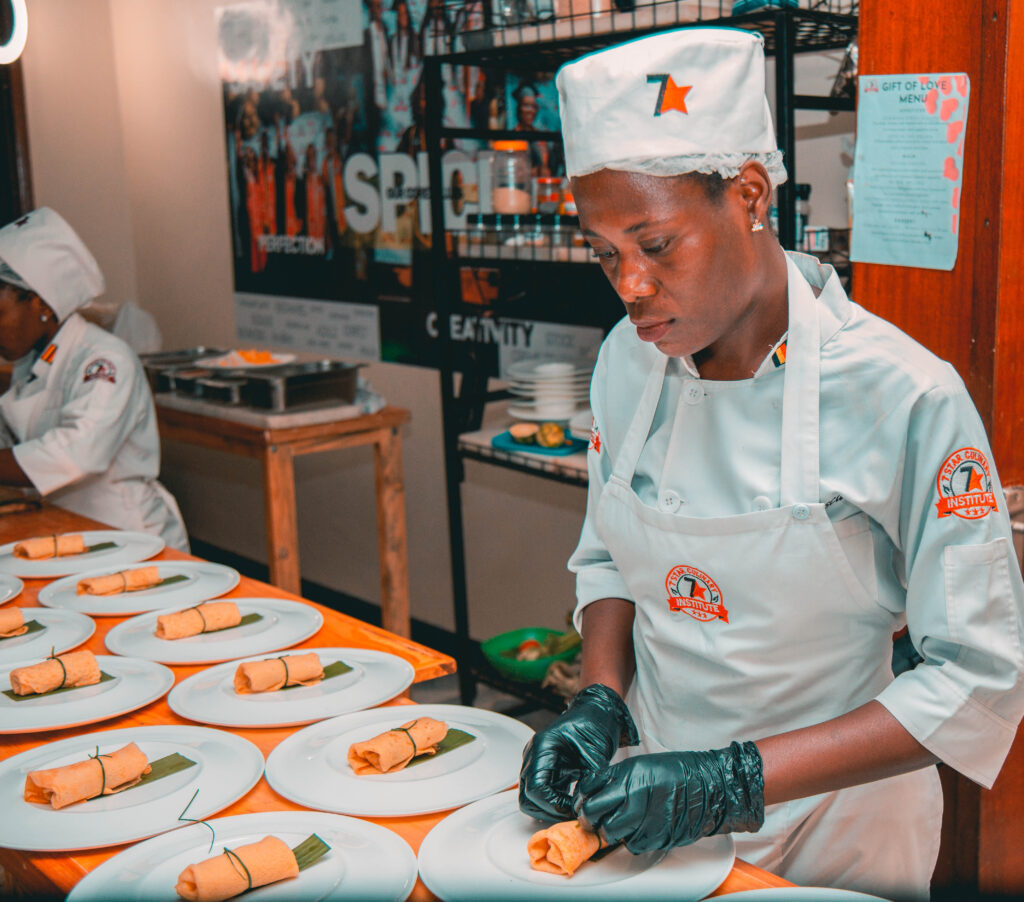

Culinary arts has become one of the most dynamic and rewarding career paths in Uganda’s growing hospitality and tourism industry. As hotels, restaurants, lodges, and catering businesses continue to expand across the country, the demand for skilled chefs and food professionals is rising steadily. A culinary arts course equips students with professional cooking skills, kitchen management knowledge, and hospitality training that prepares them for real-world employment in the food and tourism sectors.
What Culinary Arts Really Means
Culinary arts is not just about cooking food; it is the professional discipline of preparing, presenting, and managing food in a structured and commercial environment. Unlike home cooking, culinary training focuses on precision, hygiene, creativity, and consistency. In Uganda, this field plays a major role in tourism because food is part of the overall visitor experience, especially in hotels, safari lodges, and restaurants.
What You Learn During Training
Students who enroll in culinary arts courses in Uganda go through both theoretical lessons and practical kitchen training. One of the first things they learn is basic cooking techniques, where they are introduced to preparing local Ugandan dishes as well as international cuisines. This helps students become versatile and able to work in different types of kitchens.
Food safety and hygiene are also a major part of the training. Students are taught how to handle, store, and prepare food in a safe and clean environment to avoid contamination. These standards are essential in professional kitchens where customer health and satisfaction are a priority.
Another important area of study is bakery and pastry skills. Students learn how to bake cakes, bread, pastries, and desserts, and how to present them in an attractive and professional way. This area is especially important for those who want to specialize in baking or open their own pastry businesses.
Kitchen management is also an essential part of culinary education. Students are trained on how professional kitchens operate, including teamwork, time management, and maintaining order during busy service hours. They also learn how to manage ingredients, reduce waste, and control costs effectively.
Menu planning and nutrition are included to help students understand how to design meals for different types of customers. This includes balancing taste, nutrition, and cost while ensuring customer satisfaction. Students also learn how menus are created in hotels and restaurants depending on customer preferences and market demand.
Skills Developed in Culinary Arts Training
Culinary arts students develop a wide range of practical and professional skills that prepare them for employment. These include cooking skills, creativity in food preparation, and the ability to work under pressure in a fast-paced kitchen environment. Students also build strong teamwork and communication skills, which are essential in hospitality settings.
Time management becomes a key strength as students learn how to prepare meals efficiently while maintaining quality. They also gain hygiene awareness, which is critical in maintaining professional standards. For those interested in entrepreneurship, business and customer service skills are also developed during training.
Career Opportunities After Graduation
After completing a culinary arts course, graduates have many career paths to explore within Uganda’s hospitality and tourism industry. Many start working as chefs or cooks in hotels, restaurants, lodges, and catering companies. These roles allow them to gain hands-on experience and build their professional reputation.
Some graduates specialize further as pastry chefs, focusing on baking and dessert preparation in bakeries, hotels, or independent businesses. Others move into supervisory roles where they manage kitchen operations and coordinate food service teams.
There are also opportunities in catering businesses where graduates can start their own food enterprises, serving events such as weddings, conferences, and tourism groups. With experience, some professionals advance to become head chefs or kitchen managers in large hotels and international establishments.
Expected Earnings in Uganda
The income of culinary professionals in Uganda depends on experience, skills, and the type of employer. Entry-level workers typically earn modest salaries as they gain experience in kitchen environments. As they grow in skill and responsibility, their income increases significantly, especially for those working in reputable hotels and tourist lodges.
Experienced chefs and kitchen managers working in high-end hotels or safari lodges can earn competitive salaries. In addition, many culinary professionals increase their income through private catering services and small food businesses, which are becoming increasingly popular in urban areas.
Why Culinary Arts is a Strong Career Choice
Culinary arts is a strong career choice in Uganda because the hospitality and tourism industry is expanding rapidly. More hotels, restaurants, and tourist lodges are opening, creating a continuous demand for trained chefs and food service professionals. Food tourism is also growing as visitors become more interested in experiencing local cuisine as part of their travel experience.
The rise of events, conferences, and catering services further increases job opportunities for culinary graduates. Uganda’s tourism destinations, including places like Queen Elizabeth National Park, depend heavily on skilled culinary staff to serve visitors in lodges and camps.
Challenges in the Culinary Industry
While the culinary field offers many opportunities, it also comes with challenges. The work often requires long hours, especially in busy hotel kitchens and during peak tourism seasons. Competition can also be high, particularly in urban areas where many graduates seek employment.
The profession demands discipline, consistency, and passion because maintaining high food standards is essential. However, those who are committed and continue improving their skills often build successful and stable careers.