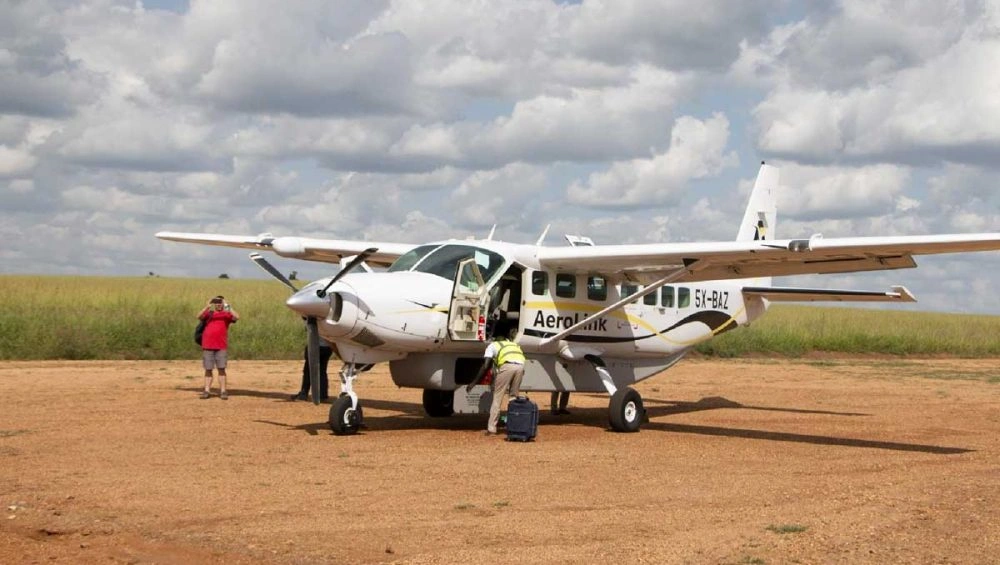

Tourism entrepreneurship is one of the most promising career paths in Uganda today. With the country’s growing reputation as a top safari and cultural destination in Africa, opportunities for starting tourism businesses continue to expand.
From travel agencies and tour companies to cultural tourism projects, eco-lodges, and adventure businesses, young entrepreneurs can build successful ventures if they understand the industry well.
This blog explains how to start and grow a tourism business in Uganda step by step.
What is Tourism Entrepreneurship?
Tourism entrepreneurship refers to starting and managing a business that offers tourism-related services or experiences.
This can include:
- Tour and travel agencies
- Safari companies
- Cultural tourism projects
- Eco-lodges and guesthouses
- Adventure tourism businesses
- Travel consultancy services
- Online travel platforms
It combines business skills + tourism knowledge + creativity.
Why Tourism Entrepreneurship is Growing in Uganda
Uganda’s tourism industry is expanding due to:
- Increasing international arrivals
- Popular attractions like gorilla trekking
- Growth of domestic tourism
- Improved infrastructure
- Strong demand for unique travel experiences
Key destinations such as Bwindi Impenetrable National Park and Murchison Falls National Park continue to attract thousands of visitors each year.
This creates demand for services like transport, guiding, accommodation, and tour planning.
Step 1: Identify Your Tourism Business Idea
Start by choosing a clear business idea based on your skills and market demand.
Popular ideas include:
- Safari tour company
- Travel agency
- Cultural tourism business
- Adventure tourism services
- Hotel or lodge management
- Online travel consultancy
A focused idea helps you build a strong brand.
Step 2: Get Tourism Knowledge and Training
Before starting your business, it is important to understand the tourism industry.
You can study:
- Tourism management
- Travel and tour operations
- Hospitality management
- Tour guiding
- Destination management
- Digital tourism marketing
Training helps you understand customers, pricing, and operations.
Step 3: Conduct Market Research
Market research helps you understand:
- Who your customers are
- What services they want
- How much they can pay
- Who your competitors are
- Which destinations are popular
This step reduces business risk and improves planning.
Step 4: Write a Business Plan
A business plan guides your tourism company.
It should include:
- Business goals
- Services offered
- Target market
- Pricing strategy
- Marketing plan
- Budget and startup costs
- Growth strategy
A good plan helps you stay organized and attract investors.
Step 5: Register Your Business
To operate legally in Uganda, you must register your company with the relevant authorities.
Business registration helps you:
- Operate legally
- Build trust with clients
- Open business bank accounts
- Access partnerships and contracts
Step 6: Build Partnerships in the Tourism Industry
Tourism success depends on strong relationships.
You should partner with:
- Hotels and lodges
- Transport providers
- National parks
- Local guides
- Other tour operators
These partnerships help you create better tour packages.
Step 7: Develop Tourism Products
Tourists do not just buy services—they buy experiences.
You can create packages like:
- Gorilla trekking safaris
- Wildlife tours
- Cultural village experiences
- Birdwatching trips
- Adventure activities
Destinations like Queen Elizabeth National Park offer great opportunities for diverse tour packages.
Step 8: Market Your Tourism Business
Marketing is essential for success.
Use:
- Social media platforms
- Websites and blogs
- Travel videos and photos
- Google Business listing
- Partnerships with travel agents
Good marketing helps attract both local and international clients.
Step 9: Focus on Customer Experience
In tourism, customer satisfaction is everything.
Always:
- Respond quickly to inquiries
- Provide accurate information
- Deliver what you promise
- Ensure safety and comfort
- Follow up after trips
Happy clients bring repeat business and referrals.
Step 10: Manage Finances Carefully
Good financial management includes:
- Tracking expenses
- Setting realistic prices
- Managing cash flow
- Saving for business growth
- Paying taxes properly
This ensures your business remains stable and sustainable.
Skills Needed for Tourism Entrepreneurs
To succeed, you need:
- Communication skills
- Marketing skills
- Customer service skills
- Business management skills
- Problem-solving ability
- Creativity and innovation
Challenges in Tourism Entrepreneurship
Some common challenges include:
- Competition
- Seasonal demand changes
- High marketing costs
- Operational risks
- Customer expectations
However, these can be managed with planning and professionalism.
The Future of Tourism Entrepreneurship in Uganda
The future is bright because:
- Tourism demand is growing
- Digital marketing is expanding opportunities
- More travelers prefer unique experiences
- Government support for tourism is increasing
Young entrepreneurs who innovate and adapt will succeed in this growing industry.