
Uganda’s tourism industry is evolving rapidly, and one of the most exciting developments is the growth of eco-lodges. Located in some of the country’s most beautiful natural settings, including forests, wildlife reserves, and national parks, eco-lodges are creating new employment opportunities for hospitality graduates. As travelers increasingly seek sustainable and environmentally responsible accommodation, the demand for skilled professionals in eco-lodge hospitality continues to rise.
For Ugandan graduates looking to build rewarding careers in hospitality, eco-lodges represent a unique and promising frontier.
What is Eco-Lodge Hospitality?
Eco-lodge hospitality combines traditional hospitality services with environmental conservation and sustainable tourism practices. Unlike conventional hotels, eco-lodges are designed to minimize their environmental impact while providing guests with authentic nature-based experiences.
Many eco-lodges in Uganda operate near protected areas such as Bwindi Impenetrable National Park, Queen Elizabeth National Park, Murchison Falls National Park, and Kibale National Park. These establishments focus on sustainability, community engagement, and conservation while offering exceptional guest experiences.
Why Eco-Lodges Are Growing in Uganda
Several factors are driving the growth of eco-lodges across Uganda:
Increased Demand for Sustainable Tourism
Modern travelers are becoming more conscious of their environmental impact. Many tourists prefer accommodations that support conservation efforts, reduce waste, and contribute positively to local communities.
Growth of Nature-Based Tourism
Uganda’s unique attractions, including gorilla trekking, chimpanzee tracking, birdwatching, and wildlife safaris, continue to attract visitors from around the world. Eco-lodges are ideally positioned to serve these travelers.
Community-Based Tourism Initiatives
Many eco-lodges work closely with local communities, creating jobs and supporting local development projects. This approach benefits both tourism businesses and surrounding communities.
International Recognition
Uganda’s reputation as a sustainable tourism destination continues to grow, attracting travelers who seek authentic and environmentally responsible travel experiences.
Career Opportunities in Eco-Lodge Hospitality
Eco-lodges require professionals across various departments, creating diverse career opportunities for graduates.
Guest Relations and Front Office Operations
Front office staff are responsible for welcoming guests, handling reservations, coordinating activities, and ensuring excellent customer service throughout the guest’s stay.
Housekeeping and Accommodation Services
Housekeeping teams maintain guest rooms and common areas while adhering to environmentally friendly cleaning practices and sustainability standards.
Food and Beverage Management
Many eco-lodges emphasize farm-to-table dining experiences using locally sourced ingredients. Graduates can work in restaurant operations, catering, and food service management.
Lodge Operations and Management
As eco-lodges expand, there is increasing demand for managers who can oversee daily operations, staff supervision, guest satisfaction, and sustainability initiatives.
Sustainability and Environmental Coordination
Some eco-lodges employ staff specifically responsible for implementing environmental programs, waste management systems, and conservation initiatives.
Event and Activity Coordination
Eco-lodges often organize guided walks, cultural experiences, conservation activities, and wildlife excursions that require skilled coordinators and hospitality professionals.
Skills Required for Success in Eco-Lodge Hospitality
Graduates seeking opportunities in eco-lodge hospitality should develop a combination of technical and interpersonal skills.
Customer Service Excellence
Providing exceptional guest experiences remains the foundation of hospitality success.
Environmental Awareness
Understanding sustainability principles and conservation practices is becoming increasingly important in eco-lodge operations.
Communication Skills
Staff must communicate effectively with guests from diverse cultural backgrounds and coordinate with multiple departments.
Problem-Solving Abilities
Working in remote locations often requires flexibility, initiative, and the ability to handle unexpected situations professionally.
Teamwork and Leadership
Eco-lodges depend on strong collaboration among staff to deliver seamless guest experiences.
Benefits of Working in Eco-Lodges
Many graduates find eco-lodge careers particularly rewarding because they offer more than just employment.
Unique Work Environments
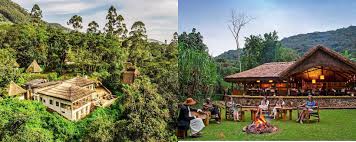
Employees often work in stunning natural settings surrounded by forests, wildlife, mountains, and lakes.
Career Growth Opportunities
The expanding eco-tourism sector creates opportunities for promotion and specialization.
Contribution to Conservation
Staff play a direct role in protecting Uganda’s natural heritage and supporting sustainable tourism practices.
International Exposure
Eco-lodges frequently host guests from around the world, providing valuable cultural and professional experiences.
Hospitality Training for Eco-Lodge Careers
To prepare for careers in eco-lodge hospitality, graduates should consider training in:
- Hospitality Management
- Hotel Operations
- Front Office Management
- Housekeeping Management
- Food and Beverage Service
- Customer Care
- Tourism Management
- Sustainable Tourism Practices
Practical training and internships are particularly valuable because they provide real-world experience in hospitality environments.
Challenges and Opportunities
While eco-lodge hospitality offers exciting opportunities, it also presents unique challenges. Many lodges operate in remote locations where staff may need to adapt to different living conditions and work schedules. However, these environments also provide unmatched opportunities to develop professional skills and gain specialized experience.
As Uganda continues to promote sustainable tourism, eco-lodges are expected to become even more important contributors to the country’s tourism economy and employment sector.