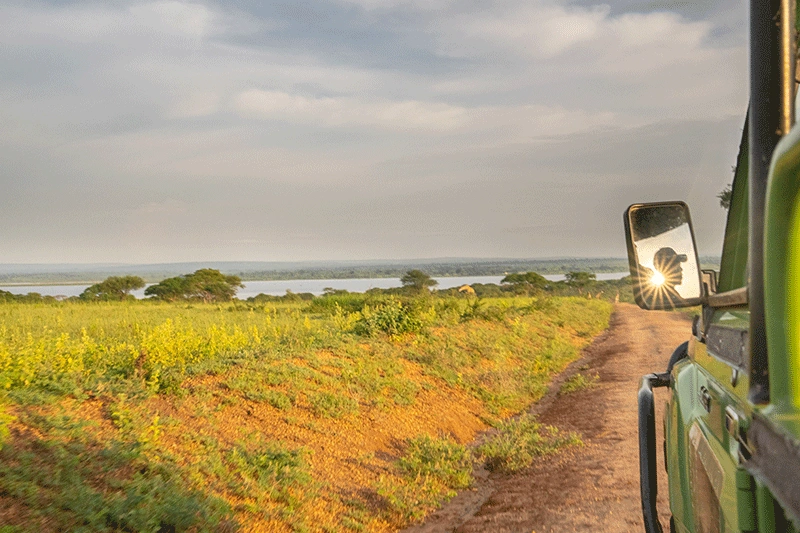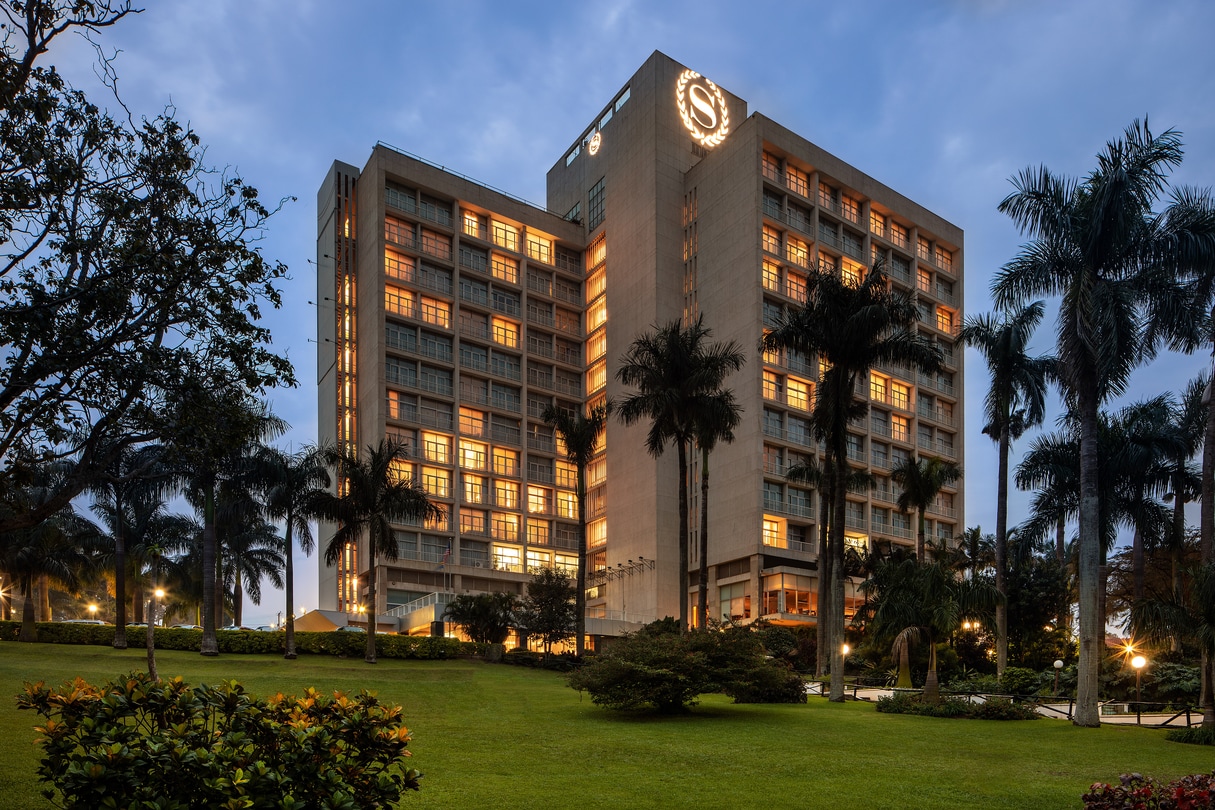

Uganda’s lodge and resort sector is growing quickly, driven by tourism in national parks like Queen Elizabeth, Bwindi, Murchison Falls, and Kidepo Valley. As more safari lodges, eco-lodges, and luxury resorts open, the demand for well-trained hospitality staff is higher than ever.
Today, lodges are no longer just about accommodation—they focus on experience, service excellence, and personalized guest care. This means staff must be highly skilled, professional, and able to deliver world-class hospitality in remote and urban settings.
Why Hospitality Training Matters in Lodges and Resorts
Lodge and resort guests often expect premium service because they are paying for unique safari and nature experiences. Training helps staff meet these expectations.
Well-trained staff improve:
- Guest satisfaction and reviews
- Repeat bookings and referrals
- Professional reputation of the lodge
- Revenue through upselling and service quality
In competitive tourism destinations like Uganda, service quality can determine whether a lodge succeeds or fails.
Key Skills Needed in Lodge and Resort Hospitality Training
Modern hospitality training for lodges focuses on both technical skills and soft skills.
1. Guest Experience and Customer Care
Staff are trained to:
- Welcome guests warmly on arrival
- Anticipate guest needs before they ask
- Handle complaints professionally
- Create personalized guest experiences
Luxury lodges often rely on emotional connection and attention to detail.
2. Front Office and Reservation Management
This includes:
- Booking and check-in systems
- Handling online and phone reservations
- Guest communication before arrival
- Payment processing and billing
Front office staff are the “face” of the lodge.
3. Housekeeping and Room Presentation
Cleanliness and presentation are critical in safari lodges.
Training includes:
- Room cleaning standards
- Bed making and turn-down service
- Laundry handling
- Maintaining eco-friendly hygiene practices
Attention to detail is essential in this department.
4. Food and Beverage Service
Lodges and resorts rely heavily on quality dining experiences.
Staff learn:
- Table service and etiquette
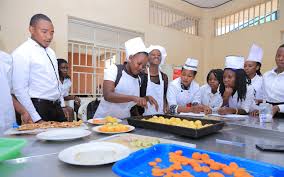
- Food presentation and plating
- Beverage service (including bar service)
- Hygiene and food safety standards
Good dining experiences greatly influence guest satisfaction.
5. Safari Lodge Operations
Unlike city hotels, lodges require special training in:
- Working in remote environments
- Guest safety in wildlife areas
- Coordination with guides and drivers
- Managing outdoor dining and bush experiences
This makes lodge hospitality more specialized than urban hotel work.
6. Communication and Cultural Awareness
Uganda’s lodges host international tourists from all over the world.
Training focuses on:
- Clear English communication
- Understanding different cultures
- Respectful interaction with guests
- Professional behavior at all times
7. Sales and Upselling Skills
Staff are trained to increase lodge revenue by:
- Promoting extra activities (game drives, boat trips, etc.)
- Recommending room upgrades
- Offering additional guest services
- Encouraging repeat visits
Where Hospitality Training for Lodges is Offered
In Uganda, hospitality training is offered by both government institutions and private training centers. Institutions such as Uganda Hotel and Tourism Training Institute provide structured diploma and certificate programs focused on tourism and hospitality.
Private training providers and safari-focused programs also offer short courses designed specifically for lodge and resort staff, focusing on practical, hands-on skills for real working environments.
Trends Driving Lodge Hospitality Training in Uganda
Several trends are shaping the need for better training:
- Growth of eco-lodges and safari camps
- Increased international tourism after conservation efforts
- Rising guest expectations for luxury experiences
- Competition among lodges in national parks
- Expansion of community-based tourism projects
Career Opportunities After Lodge Hospitality Training
After training, you can work in roles such as:
- Lodge receptionist
- Housekeeping supervisor
- Food and beverage attendant
- Guest relations officer
- Lodge manager assistant
- Safari camp coordinator
With experience, many staff move into management positions in resorts and international lodge chains.