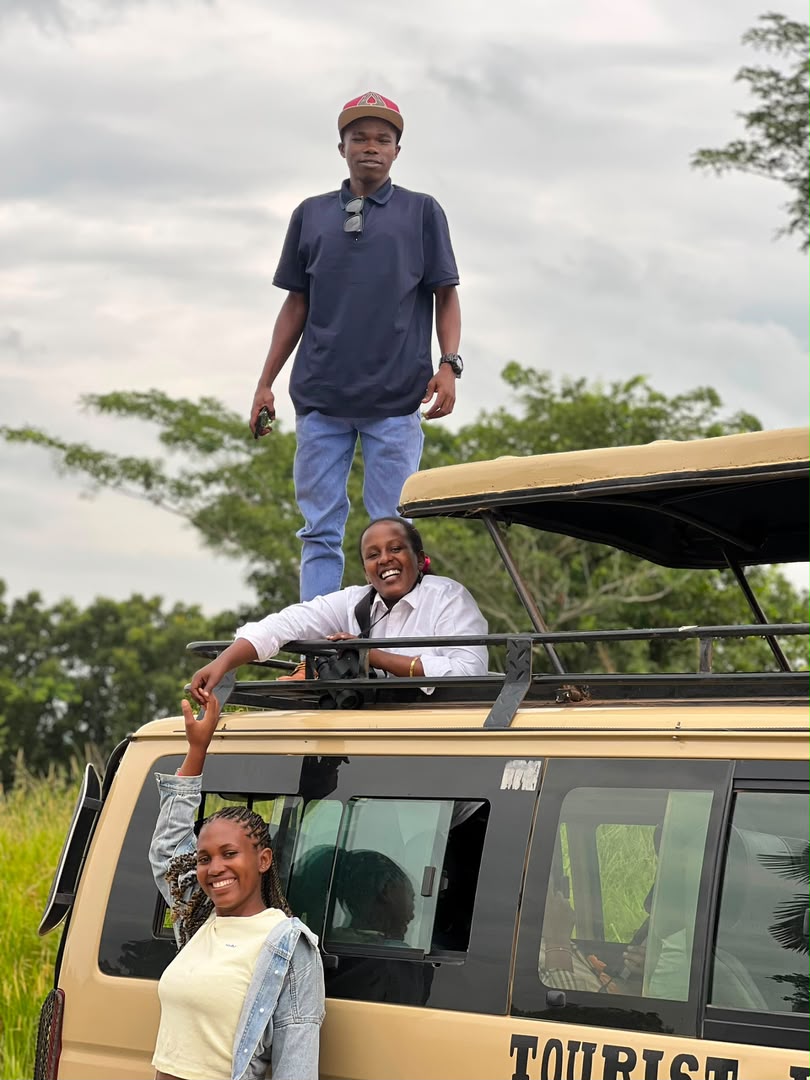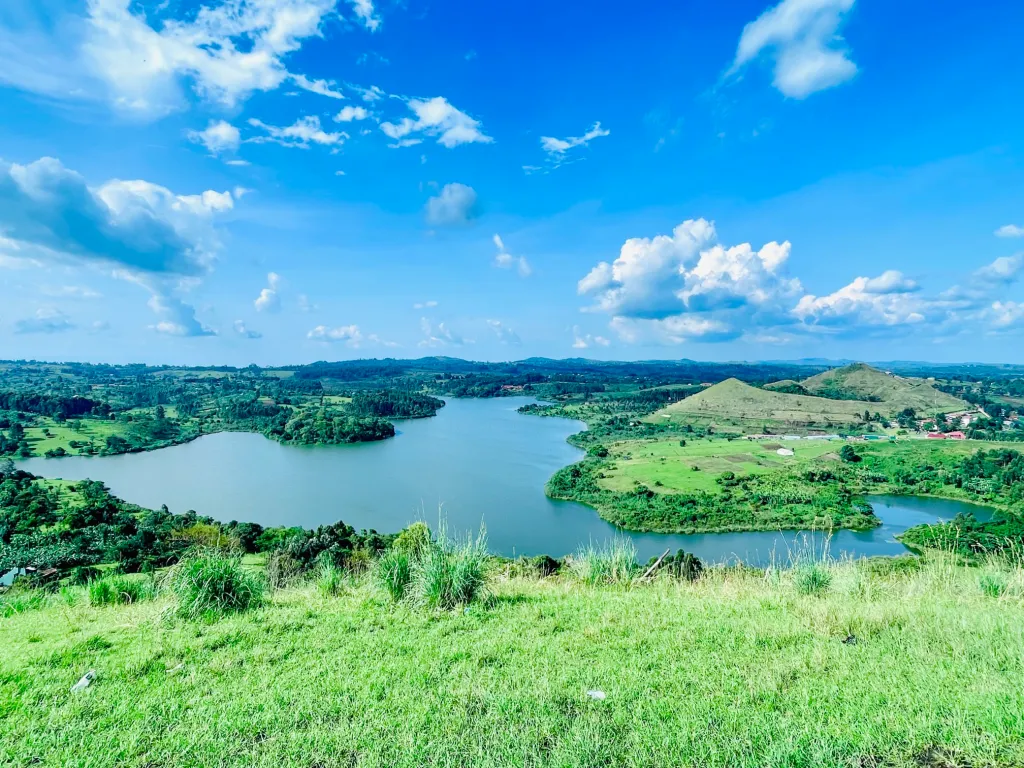

Uganda is renowned for its incredible biodiversity, stunning landscapes, and unique wildlife experiences. From mountain gorillas in Bwindi to tree-climbing lions in Queen Elizabeth National Park, the country’s natural attractions continue to draw visitors from around the world. As global travelers become more environmentally conscious, ecotourism is rapidly emerging as one of the most important sectors within Uganda’s tourism industry.
This growing demand has created a need for professionals who understand how to balance tourism development with environmental conservation. As a result, Ecotourism courses in Uganda are becoming increasingly valuable for students seeking meaningful and sustainable careers.
What is Ecotourism?
Ecotourism is a form of responsible travel that focuses on conserving the environment, protecting wildlife, and supporting local communities. Unlike traditional tourism, ecotourism emphasizes minimizing negative impacts while maximizing benefits for conservation and local people.
The core principles of ecotourism include:
- Environmental conservation
- Community involvement
- Cultural preservation
- Sustainable resource use
- Responsible visitor behavior
- Environmental education
In Uganda, ecotourism plays a critical role in protecting national parks, forests, wetlands, and wildlife habitats.
Why Ecotourism Matters in Uganda
Uganda’s tourism industry depends heavily on natural attractions. The country’s mountain gorillas, chimpanzees, birds, forests, rivers, and national parks are valuable tourism assets that require careful management.
Ecotourism helps to:
Protect Wildlife and Habitats
Protected areas such as Bwindi Impenetrable National Park and Mgahinga Gorilla National Park rely on sustainable tourism practices to protect endangered mountain gorillas and other wildlife.
Support Local Communities
Ecotourism creates jobs and business opportunities through:
- Community tours
- Handicraft sales
- Cultural performances
- Eco-lodges
- Local guiding services
Promote Sustainable Development
Responsible tourism ensures that future generations can continue to benefit from Uganda’s natural and cultural heritage.
What You Learn in an Ecotourism Course
Ecotourism programs combine tourism knowledge with conservation principles.
Common subjects include:
Environmental Conservation
Students learn how ecosystems function and why conservation is important for tourism sustainability.
Wildlife Management
This covers wildlife protection, habitat conservation, and responsible wildlife viewing practices.
Sustainable Tourism Development
Students explore ways to develop tourism without harming the environment or local communities.
Community-Based Tourism
The course teaches how communities can actively participate in and benefit from tourism projects.
Ecotourism Planning and Management
Students learn how to design, manage, and evaluate sustainable tourism initiatives.
Environmental Education
Communication skills are developed to help visitors understand conservation issues and responsible travel practices.
Skills You Gain
An ecotourism course equips students with practical skills such as:
- Conservation awareness
- Tour guiding and interpretation
- Environmental management
- Community engagement
- Sustainable project planning
- Customer service
- Tourism marketing
- Research and reporting
These skills are highly valued in today’s tourism industry.
Career Opportunities After Studying Ecotourism
Graduates can pursue careers in various sectors, including tourism, conservation, and community development.
Possible career paths include:
Ecotourism Guide
Specialized guides who educate visitors about wildlife, ecosystems, and conservation.
Conservation Officer
Professionals working with conservation organizations and protected areas.
Community Tourism Coordinator
Individuals who manage tourism projects that benefit local communities.
Eco-Lodge Manager
Managers responsible for sustainable accommodation operations.
Tourism Development Officer
Professionals involved in planning and implementing tourism projects.
Environmental Educator
Individuals who promote conservation awareness among visitors and communities.
Where Ecotourism Graduates Can Work
Employment opportunities exist with:
- National parks
- Wildlife conservation organizations
- Tour operators
- Eco-lodges
- Community tourism projects
- Government tourism agencies
- Environmental NGOs
- Research institutions
The growing focus on sustainability means demand for ecotourism professionals is likely to continue increasing.
Why Ecotourism is a Career of the Future
Global tourism trends show that travelers are increasingly interested in:
- Sustainable travel experiences
- Wildlife conservation
- Authentic cultural interactions
- Eco-friendly accommodation
- Responsible tourism practices
Uganda is well positioned to benefit from these trends because of its rich biodiversity and strong conservation initiatives.
Students who specialize in ecotourism will be prepared to meet the changing needs of the tourism industry while contributing to environmental protection and community development.