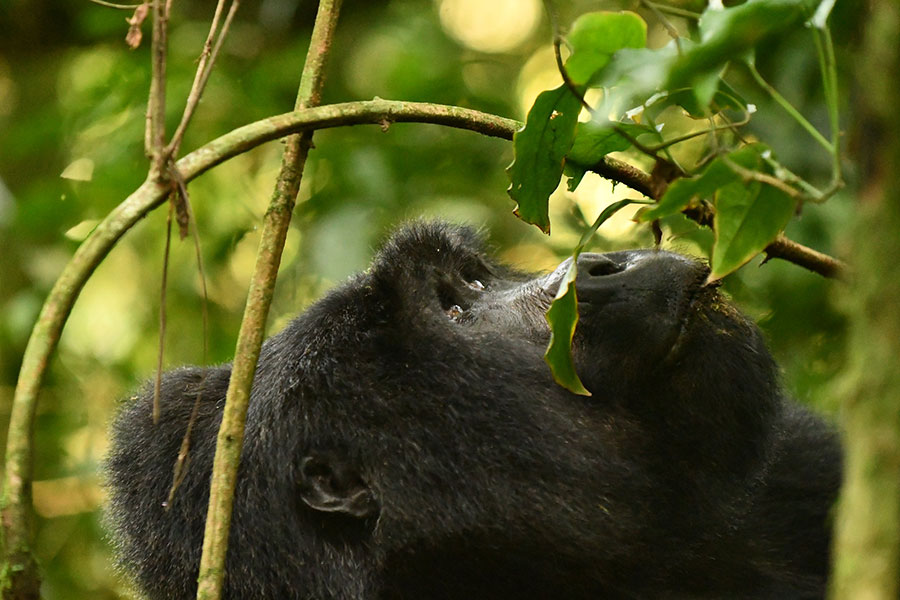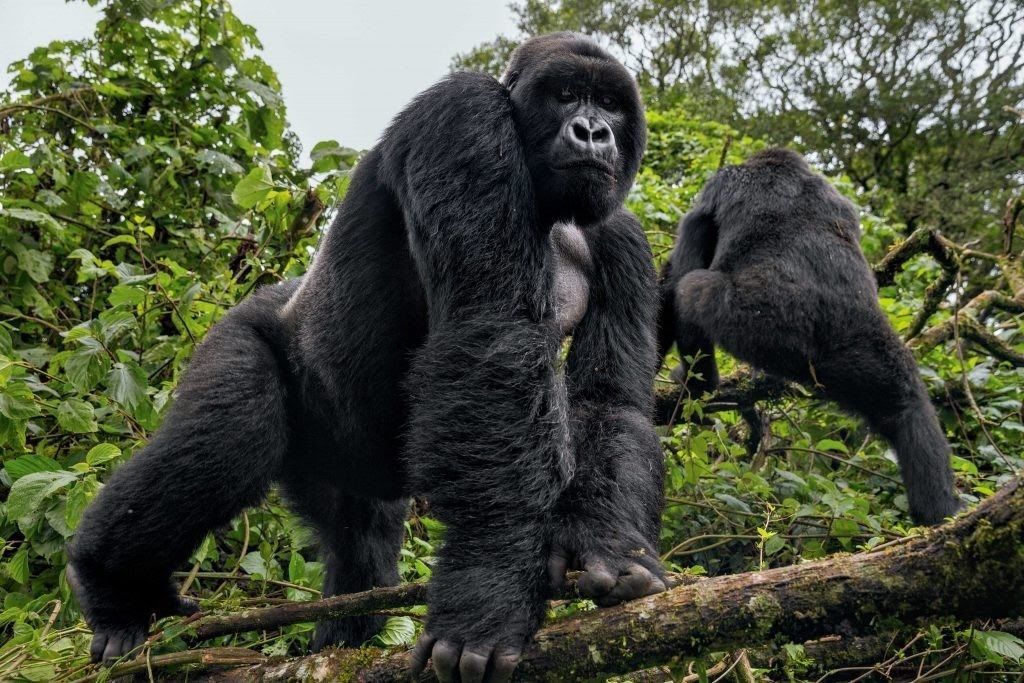

Uganda is one of the few countries in the world where mountain gorillas still survive in their natural habitat. Bwindi Impenetrable National Park and Mgahinga Gorilla National Park attract thousands of tourists every year who come to experience gorilla trekking. Because of this unique natural heritage, gorilla conservation and tourism have become important study areas, creating career opportunities for students who want to work in wildlife protection and tourism services.
At Uganda Tourism Institute, learners are trained to understand gorilla ecology, conservation practices, tourism management, and community involvement. These programs prepare students to work in one of the most specialized and rewarding fields in Uganda’s tourism industry.
Understanding Gorilla Conservation and Tourism
Gorilla conservation refers to the protection and management of mountain gorillas and their forest habitats. It involves anti-poaching efforts, habitat preservation, disease control, and research activities that ensure gorilla populations survive and grow.
Gorilla tourism, also known as gorilla trekking, is a form of ecotourism where visitors travel to national parks to observe gorillas in their natural environment. This activity generates income that supports conservation programs and local communities living near protected areas.
Together, gorilla conservation and tourism create a sustainable system where wildlife protection and tourism development work hand in hand.
Why Gorilla Conservation is Important in Uganda
Mountain gorillas are endangered species, meaning they are at risk of extinction if not properly protected. Uganda is home to nearly half of the world’s remaining mountain gorillas, making conservation efforts extremely important.
Threats such as poaching, habitat destruction, human-wildlife conflict, and diseases can negatively affect gorilla populations. Conservation programs help address these challenges by protecting habitats, enforcing park regulations, and supporting scientific research.
Protecting gorillas is also important for tourism, as they are one of Uganda’s top attractions and a major source of national income.
Courses Related to Gorilla Conservation and Tourism in Uganda
Several institutions in Uganda offer courses that prepare students for careers in gorilla conservation and tourism. These programs focus on wildlife management, ecotourism, and hospitality skills needed in national parks and tourism organizations.
At Uganda Tourism Institute, students can pursue training in wildlife management, conservation tourism, tour guiding, and hospitality-related programs. These courses provide both classroom learning and practical field experience in tourism and conservation environments.
Students learn about wildlife behavior, ecosystem management, tourism operations, customer care, and environmental conservation principles.
Wildlife Management and Conservation Tourism Courses
Wildlife management courses are among the most relevant programs for students interested in gorilla conservation. These courses teach learners how to protect wildlife, manage protected areas, and support conservation projects.
Students study topics such as animal behavior, ecology, environmental conservation, and human-wildlife interaction. Practical training in national parks helps students gain real experience in wildlife monitoring and conservation activities.
Conservation tourism courses focus on sustainable tourism practices that support wildlife protection while providing quality visitor experiences.
Tour Guiding and Safari Training Courses
Tour guiding courses are also important for students interested in gorilla tourism. Professional guides play a key role in leading tourists during gorilla trekking experiences and educating them about wildlife and conservation.
Training includes wildlife identification, communication skills, customer care, first aid, and knowledge of Uganda’s national parks. Students also learn how to handle tourists safely in forest environments.
Safari guiding skills are highly valued because gorilla trekking requires knowledgeable guides who understand both wildlife behavior and tourism standards.
Ecotourism and Sustainable Tourism Courses
Ecotourism courses focus on responsible travel practices that protect the environment and benefit local communities. Students learn how tourism can support conservation efforts while minimizing environmental impact.
These programs cover sustainability principles, community tourism development, environmental awareness, and tourism management. Graduates can work in conservation organizations, tourism companies, and community-based tourism projects.
Ecotourism is especially important in gorilla conservation areas because it ensures that tourism activities do not harm the fragile forest ecosystem.
Skills Gained from Gorilla Conservation Training
Students trained in gorilla conservation and tourism gain a wide range of skills that prepare them for professional careers. These include wildlife observation, conservation techniques, communication skills, teamwork, and environmental awareness.
Practical field training helps learners understand how to work in national parks, interact with tourists, and support conservation efforts. Students also develop leadership skills and the ability to work in challenging outdoor environments.
These skills are essential for careers in wildlife protection and tourism services.
Career Opportunities in Gorilla Conservation and Tourism
Graduates of gorilla conservation and tourism courses have many career opportunities in Uganda and beyond. They can work in national parks, conservation organizations, tourism companies, and NGOs involved in wildlife protection.
Common career paths include tour guides, wildlife rangers, conservation officers, park assistants, ecotourism managers, and environmental educators. These roles contribute directly to protecting gorillas and supporting tourism development.
With experience, professionals can advance to senior conservation or tourism management positions.
The Role of Uganda Wildlife Authority
The Uganda Wildlife Authority plays a major role in managing national parks and protecting gorillas. It works with trained professionals such as rangers, guides, and conservation officers to ensure that gorillas are safe and tourism activities are well managed.
Professionals trained in gorilla conservation courses often find employment or internships with wildlife authorities and conservation organizations. This gives them practical exposure to real conservation work in protected areas.
Community Involvement in Gorilla Conservation
Local communities play an important role in gorilla conservation. Many communities live near gorilla habitats and depend on natural resources for their livelihoods.
Conservation tourism programs encourage community participation by creating jobs, supporting education, and promoting cultural tourism activities. When communities benefit from tourism, they are more likely to support conservation efforts.
This partnership between communities and conservation organizations helps protect gorillas and their habitats.
Importance of Field Training in Gorilla Conservation Courses
Field training is a key part of gorilla conservation education. Students visit national parks and conservation areas to observe wildlife, participate in guided activities, and learn from experienced professionals.
This hands-on experience helps learners understand real-life conservation challenges and prepares them for work in the field. It also builds confidence and practical skills needed for tourism and wildlife careers.
Field training bridges the gap between classroom learning and real conservation work.
Challenges in Gorilla Conservation
Gorilla conservation faces several challenges, including habitat loss, poaching, disease transmission, and climate change. Human activities near protected areas can also put pressure on gorilla populations.
Conservation professionals work to address these challenges through education, law enforcement, research, and community engagement. Continuous training is important to ensure that professionals are well prepared to handle conservation issues effectively.
Despite these challenges, Uganda has made significant progress in increasing gorilla populations through conservation efforts.
Why Study Gorilla Conservation and Tourism at Uganda Tourism Institute
Uganda Tourism Institute provides high-quality training designed to prepare students for careers in tourism, hospitality, and conservation. The institute offers practical learning experiences, classroom instruction, and exposure to real conservation environments.
Students are trained in wildlife management, tour guiding, ecotourism, and hospitality skills. The programs emphasize professionalism, sustainability, and practical knowledge needed in the tourism industry.
Graduates are well prepared to work in national parks, tourism companies, conservation projects, and community initiatives.