
Uganda is one of Africa’s most naturally rich countries, blessed with national parks, wildlife reserves, wetlands, forests, lakes, and mountains that attract visitors from all over the world. As tourism continues to grow, there is an increasing need to protect these natural resources while ensuring that local communities benefit from tourism activities. This balance is achieved through ecotourism and sustainable development, making it one of the most important study areas in Uganda’s tourism education sector.
At Uganda Tourism Institute, students are trained to understand how tourism can be used as a tool for environmental protection, community empowerment, and long-term economic growth. Ecotourism and sustainable development courses prepare learners for careers that focus on protecting nature while promoting responsible tourism practices.
Understanding Ecotourism and Sustainable Development
Ecotourism is responsible travel to natural areas that conserves the environment, respects local cultures, and supports the well-being of local communities. It focuses on minimizing negative impacts on nature while maximizing benefits for conservation and society.
Sustainable development refers to development that meets the needs of the present without compromising the ability of future generations to meet their own needs. In tourism, this means using natural and cultural resources wisely while ensuring they remain available for the future.
When combined, ecotourism and sustainable development create a system where tourism supports conservation, economic growth, and community development at the same time.
Why Ecotourism is Important in Uganda
Uganda depends heavily on its natural environment for tourism revenue. National parks such as Bwindi Impenetrable National Park, Queen Elizabeth National Park, Murchison Falls National Park, and Kibale Forest National Park attract thousands of visitors every year.
However, these ecosystems are vulnerable to threats such as deforestation, poaching, climate change, and human encroachment. Ecotourism helps reduce these threats by promoting responsible tourism practices and generating income that supports conservation efforts.
It also ensures that communities living near protected areas benefit from tourism, reducing pressure on natural resources.
What You Learn in Ecotourism and Sustainable Development Courses
Students enrolled in ecotourism and sustainable development courses gain knowledge in environmental conservation, tourism management, community development, and sustainability practices.
The training covers topics such as ecosystem management, wildlife conservation, environmental protection, tourism planning, and responsible travel practices. Students also learn how tourism can support local economies while preserving cultural heritage and natural resources.
Practical training helps learners understand real-life conservation challenges and how to develop solutions that promote sustainable tourism.
The Role of Ecotourism in Conservation
Ecotourism plays a major role in protecting Uganda’s biodiversity. It provides financial support for conservation programs, anti-poaching initiatives, and habitat restoration projects.
Tourists who visit national parks contribute directly to conservation through park fees and guided activities. These funds help maintain protected areas and support wildlife management efforts.
Ecotourism also raises awareness about the importance of protecting endangered species and fragile ecosystems.
Sustainable Development in Tourism
Sustainable development in tourism ensures that tourism activities do not harm the environment or local communities. It focuses on long-term benefits rather than short-term gains.
This includes promoting eco-friendly accommodation, reducing waste, conserving water and energy, and supporting local businesses. Sustainable tourism also encourages cultural preservation and respect for indigenous traditions.
Professionals trained in this field help design tourism strategies that balance economic growth with environmental protection.
Career Opportunities in Ecotourism and Sustainable Development
There are many career opportunities for graduates of ecotourism and sustainable development courses in Uganda. These opportunities exist in national parks, tourism companies, conservation organizations, NGOs, and community development projects.
Common career paths include ecotourism officer, tour guide, conservation officer, environmental educator, sustainability consultant, park assistant, and community tourism coordinator. These roles contribute directly to protecting the environment while supporting tourism development.
With experience, professionals can advance into senior positions in conservation management and tourism planning.
Skills Required for Ecotourism Professionals
Working in ecotourism and sustainable development requires a combination of environmental, technical, and interpersonal skills. Professionals must understand ecology, wildlife conservation, tourism operations, and environmental policies.
Communication skills are important because ecotourism professionals interact with tourists, local communities, and conservation organizations. Problem-solving skills, teamwork, and leadership abilities are also essential.
Fieldwork experience is important for understanding real-world environmental challenges and developing practical solutions.
Community Involvement in Ecotourism
Local communities play a central role in ecotourism. Many communities live near protected areas and depend on natural resources for survival. Involving them in tourism activities helps improve livelihoods and reduce pressure on the environment.
Ecotourism projects often provide employment opportunities in guiding, cultural performances, handicrafts, and hospitality services. When communities benefit from tourism, they become active participants in conservation.
This creates a strong relationship between tourism, conservation, and community development.
Environmental Protection and Sustainability
Environmental protection is a core principle of ecotourism and sustainable development. It involves conserving forests, wetlands, wildlife, and water resources for future generations.
Professionals in this field promote practices such as waste reduction, recycling, reforestation, and responsible tourism behavior. They also work to reduce pollution and protect biodiversity.
Sustainability ensures that tourism does not damage ecosystems but instead contributes to their preservation.
Field Training and Practical Experience
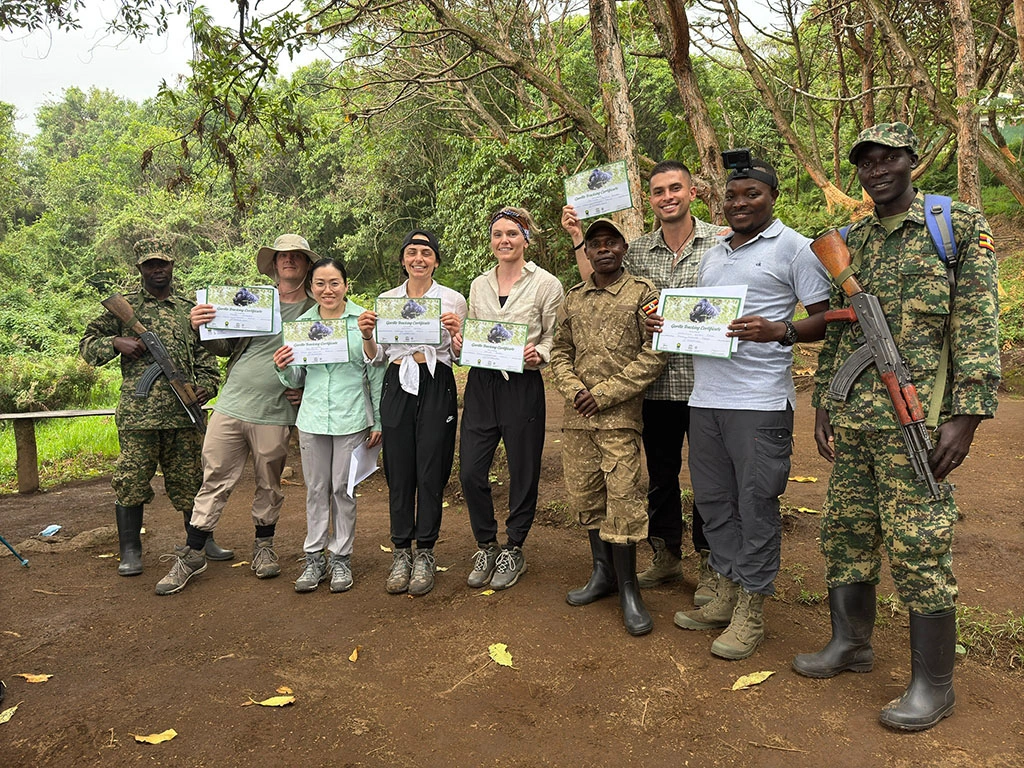
Field training is an essential part of ecotourism education. Students participate in excursions to national parks, conservation areas, and community tourism projects.
During fieldwork, learners observe wildlife, study ecosystems, and engage in conservation activities. This hands-on experience helps them understand how theoretical knowledge is applied in real-world situations.
Field training also builds confidence and prepares students for professional work in the tourism and conservation sectors.
Challenges in Ecotourism and Sustainable Development
Despite its benefits, ecotourism faces challenges such as habitat destruction, climate change, limited funding, and human-wildlife conflict. Managing these challenges requires skilled professionals and strong conservation policies.
Population growth and land use pressure also threaten natural ecosystems. Addressing these issues requires cooperation between government agencies, communities, and tourism stakeholders.
Training helps students understand these challenges and develop strategies to overcome them.
The Role of Tourism in Sustainable Development
Tourism plays a major role in Uganda’s economic development. It generates revenue, creates jobs, and supports infrastructure development.
When managed sustainably, tourism can reduce poverty and improve living standards in rural areas. Ecotourism ensures that these benefits are achieved without harming the environment.
This makes tourism a powerful tool for sustainable development in Uganda.
Why Study Ecotourism at Uganda Tourism Institute
Uganda Tourism Institute offers professional training in tourism, hospitality, and conservation. The ecotourism and sustainable development courses are designed to provide both theoretical knowledge and practical skills.
Students are trained in environmental conservation, tourism management, customer service, and community development. The institute emphasizes sustainability, professionalism, and hands-on learning.
Graduates are well prepared to work in tourism companies, conservation organizations, national parks, and community-based projects.