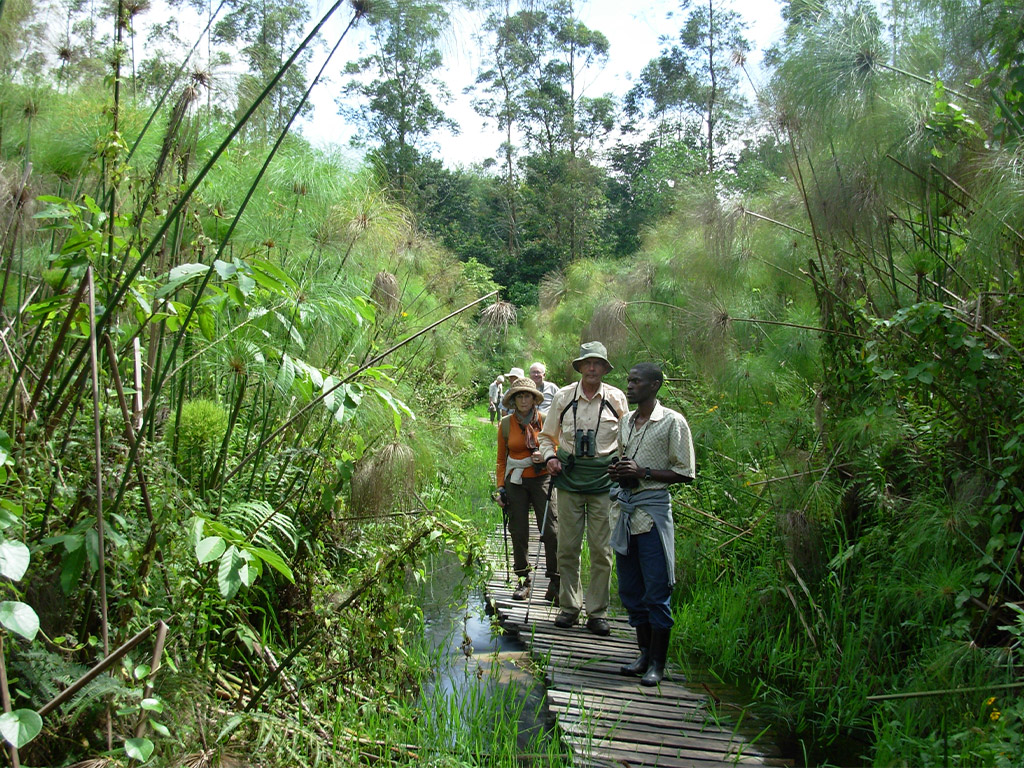
Uganda’s safari industry is one of the fastest-growing sectors in tourism, driven by attractions such as gorilla trekking in Bwindi Impenetrable National Park, game drives in Queen Elizabeth National Park, boat cruises on the Nile, and chimpanzee tracking in Kibale Forest. As tourism continues to expand, safari companies are constantly looking for skilled, passionate, and well-trained professionals to join their teams.
At Uganda Tourism Institute, students are prepared for careers in safari operations through training in tour guiding, wildlife management, hospitality, ecotourism, and customer care. These skills are essential for anyone seeking employment in Uganda’s competitive safari industry.
Understanding Safari Company Jobs in Uganda
Safari companies in Uganda organize and manage travel experiences for tourists visiting national parks and wildlife reserves. They handle activities such as game drives, gorilla trekking tours, cultural experiences, airport transfers, and lodge bookings.
Working in a safari company can involve many roles, including tour guiding, reservations, operations management, driver-guiding, customer service, marketing, and logistics coordination. Each role contributes to creating smooth and memorable safari experiences for clients.
Because tourism in Uganda is highly experience-driven, safari companies value employees who are knowledgeable, professional, and customer-oriented.
Skills Needed to Work in a Safari Company
To get a job in a safari company, you need a combination of practical, technical, and interpersonal skills. Strong communication skills are essential because employees interact with international tourists daily.
Knowledge of Uganda’s national parks, wildlife species, and tourism attractions is also very important. Employers prefer candidates who understand safari operations and can confidently explain destinations and experiences.
Other important skills include teamwork, problem-solving, adaptability, and customer care. For guiding roles, physical fitness and field experience are also required.
Education and Training Requirements
Most safari companies prefer candidates with training in tourism, wildlife management, hospitality, or related fields. A certificate or diploma from a recognized institution is often required for entry-level positions.
At Uganda Tourism Institute, students are trained in tour guiding, ecotourism, wildlife interpretation, and hospitality operations. These programs provide both classroom knowledge and practical field experience in tourism environments.
Additional training in foreign languages, computer skills, and customer service can also improve employability.
Importance of Field Experience
Field experience is one of the most important factors when applying for jobs in safari companies. Employers prefer candidates who have worked in real tourism environments such as national parks, lodges, or conservation areas.
Internships, volunteering, and practical training help learners understand how safari operations work in real life. This includes handling tourists, coordinating activities, and working in outdoor environments.
At Uganda Tourism Institute, students are encouraged to participate in field attachments to build hands-on experience before graduation.
How to Apply for Safari Company Jobs
Applying for a job in a safari company usually involves submitting a professional CV, academic certificates, and a cover letter. The cover letter should highlight your passion for tourism, knowledge of Uganda’s attractions, and relevant skills.
Many safari companies advertise job openings on their websites, social media platforms, or through tourism networks. Others recruit through referrals and internships.
It is important to tailor your application to match the specific role you are applying for.
Common Entry-Level Jobs in Safari Companies
There are several entry-level positions available in Uganda’s safari industry. These include tour assistants, trainee guides, customer service officers, reservations assistants, and drivers for safari operations.
These roles provide valuable experience and serve as a stepping stone into more advanced positions such as senior tour guide, operations manager, or safari consultant.
Starting at an entry-level position allows you to learn the industry from the ground up.
The Role of Tour Guides in Safari Companies
Tour guides are among the most important employees in safari companies. They lead tourists during game drives, gorilla trekking experiences, and cultural tours while providing interpretation and ensuring safety.
A professional guide must be knowledgeable about wildlife behavior, ecosystems, and tourism destinations. They also need strong communication skills to explain information clearly to international visitors.
Tour guiding is often the most sought-after career in safari companies.
Customer Service and Hospitality Roles
Safari companies also rely heavily on customer service and hospitality staff. These employees handle bookings, respond to client inquiries, manage travel arrangements, and ensure smooth communication with tourists.
Good customer service ensures that clients have a positive experience from the moment they book their safari to the end of their trip.
Training in hospitality and tourism management is very useful for these roles.
Importance of Networking in the Tourism Industry
Networking plays a key role in getting a job in a safari company. Many opportunities come through connections with industry professionals, lecturers, internships, and field attachments.
Attending tourism events, workshops, and training programs helps you meet potential employers and build professional relationships.
Strong networking can significantly increase your chances of employment in Uganda’s tourism sector.
Challenges in Getting Safari Jobs
Competition for jobs in safari companies can be high due to the popularity of tourism careers. Employers also expect candidates to have both training and practical experience.
Some positions require field experience in national parks, which can be challenging for beginners to acquire. However, volunteering and internships can help overcome this barrier.
Persistence, continuous learning, and skill development are essential for success.
Career Growth in Safari Companies
Working in a safari company offers many opportunities for career growth. Entry-level employees can progress to senior guiding positions, operations management, or tourism coordination roles.
With experience, professionals can also specialize in areas such as wildlife photography guiding, luxury safari consulting, or conservation tourism.
Some individuals eventually start their own safari companies or tourism businesses.
Why Study Tourism at Uganda Tourism Institute
Uganda Tourism Institute provides professional training that prepares students for careers in safari companies and the wider tourism industry. The programs combine classroom learning with practical field experience in tourism environments.
Students gain skills in tour guiding, wildlife interpretation, customer care, and hospitality operations. The training emphasizes professionalism, sustainability, and job readiness.
Graduates are well prepared to enter Uganda’s competitive safari industry.