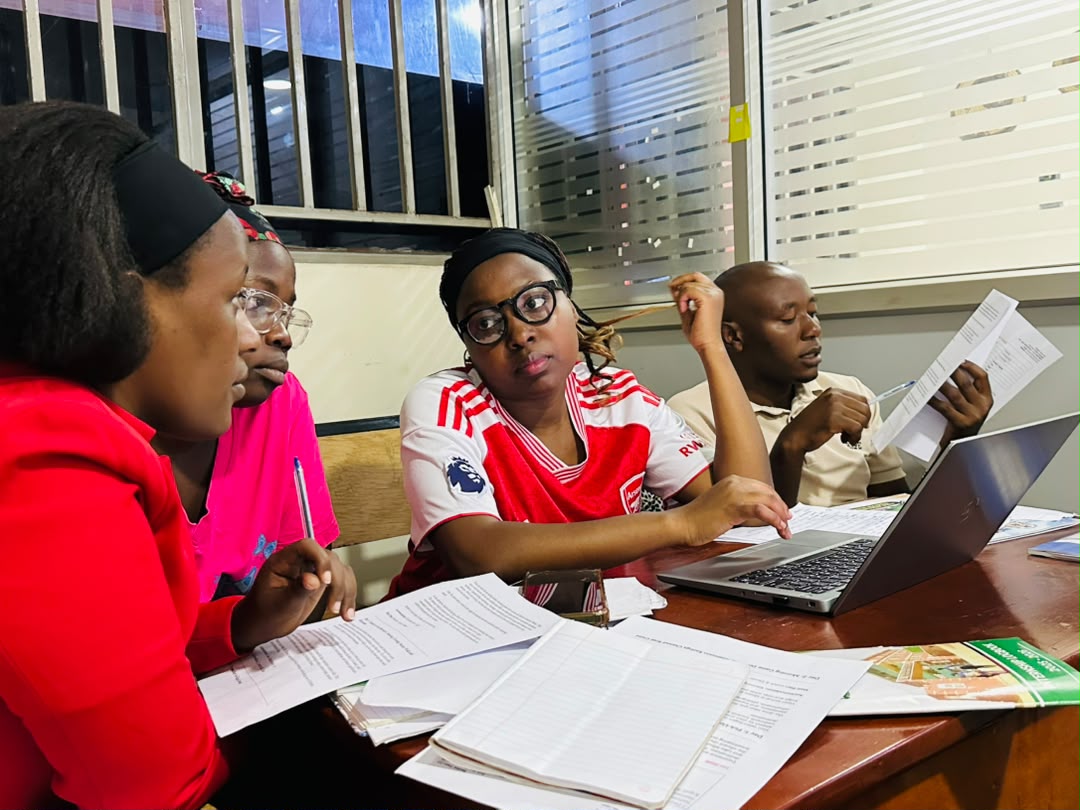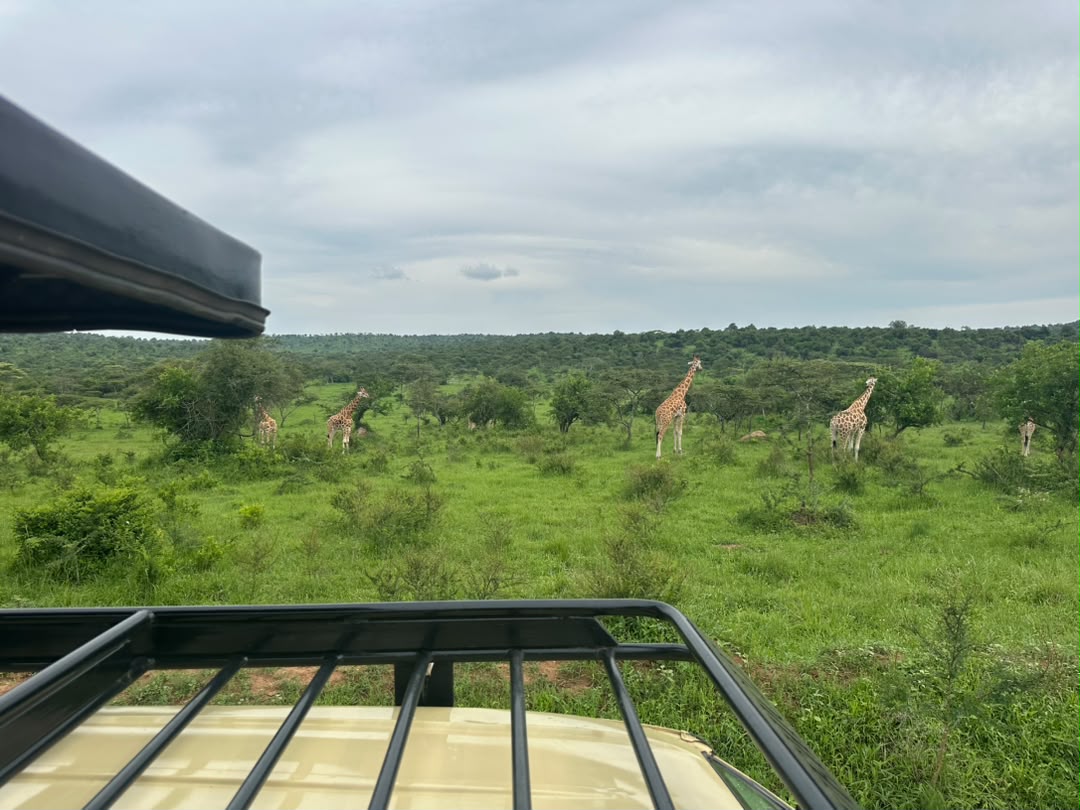

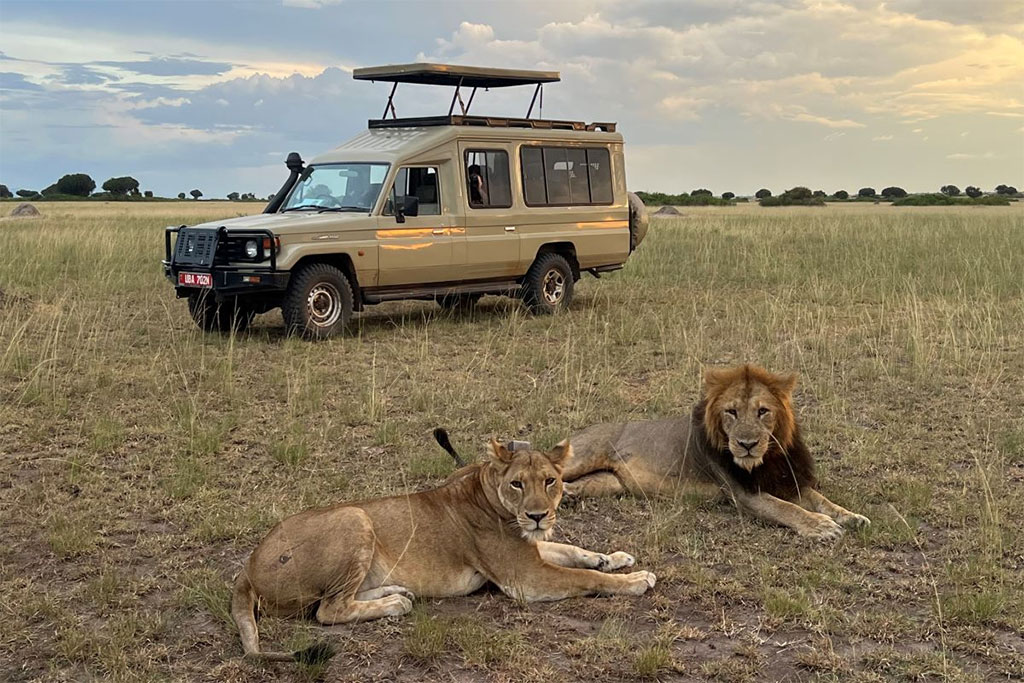
10 Mistakes Tourist Driver Guides must Avoid. On a Ugandan safari, the tourist driver guide is the person a visitor spends the most time with. You are behind the wheel for hours on the road from Kampala to Murchison Falls. You are the voice explaining why the tree-climbing lions of Ishasha rest on fig branches. You are the calm face when a tyre bursts on a murram road near Kidepo. In short, tourist driver guides are the living heartbeat of every itinerary.
That is exactly why small mistakes carry such a heavy cost. A guest may forget the name of their lodge, but they will never forget a driver who sped past a herd of elephants, lost their temper at a checkpoint, or could not answer a simple question about the Rwenzori Mountains. One careless habit can turn a five-star review into a complaint, and one complaint can cost a tour company its next booking.
The good news is that nearly every mistake on this list can be prevented with the right training, attitude and preparation. At Uganda Tourism Institute, we train driver guides every intake, and we see the same errors appear again and again among self-taught drivers. This guide gathers the ten most common ones so you can avoid them from your very first trip.
Whether you are still deciding how to become a tour driver in Uganda, you are a student in our Tour Guiding Course in Uganda, or you have been driving tourists for years, read each point honestly. Ask yourself: am I doing this? If the answer is yes, the fix is usually simpler than you think.
Before we start, remember that a driver guide is two professionals in one body. The driver must master the vehicle, the roads and safety. The guide must master people, wildlife, culture and storytelling. Most mistakes happen when one half of that job is neglected. Let us look at where things go wrong.
Mistake 1: Speeding and Reckless Driving to “Save Time”
The most dangerous mistake a tourist driver guide can make is treating the safari like a race. Many drivers push hard on the highway to reach the lodge before dark, overtake trucks on blind corners, or rush through game drives so they can finish early. Guests notice every sharp brake and every risky overtake, even when they stay silent.
Speed kills in two ways on safari. First, it endangers human life. Uganda’s roads mix fast highways, potholed sections, boda bodas, livestock and pedestrians, often within the same kilometre. Second, speed inside protected areas kills wildlife. Animals cross park tracks without warning, and a vehicle moving too fast cannot stop in time. That is why parks enforce strict speed limits and why rangers take violations seriously.
Speeding also ruins the experience the guest has paid for. A visitor who travelled thousands of kilometres to see a leopard will not spot one at high speed. Slow, observant driving is how sightings happen.
How to avoid it:
- Plan departure times realistically so you never need to rush.
- Respect posted speed limits on highways and inside every national park.
- Never overtake on bends, hills or near trading centres.
- Drive at a speed that lets guests scan the bush comfortably.
- Take a refresher in defensive driving, a two-week short course listed among KCI’s UVTAB programmes.
Remember: arriving thirty minutes late is forgivable. An accident is not.
Mistake 2: Neglecting Vehicle Checks and Basic Maintenance
A safari vehicle is your office, your classroom and your guests’ lifeline. Yet many tourist driver guides set off in the morning without walking around the car once. They discover a soft tyre on a remote road, an empty jack box, or a cooling fan that fails halfway up a hill in Bwindi.
Breakdowns are not always avoidable, but most are predictable. A two-minute check before departure catches the majority of problems. A driver who knows basic mechanics can fix a loose battery terminal, change a wheel or top up coolant without waiting hours for rescue.
Guests judge you by how you handle a breakdown. Panic, confusion and phone calls in a raised voice create fear. A driver who calmly changes a tyre while explaining what is happening builds trust.
Your daily vehicle checklist should include:
- Tyre pressure, tread and the condition of the spare
- Engine oil, coolant, brake fluid and water levels
- Lights, indicators, horn and wipers
- Pop-up roof, windows and door locks
- First aid kit, fire extinguisher, jack, wheel spanner and tow rope
- Fuel level, with a plan for the next fuel stop before remote areas
If mechanics is your weak area, consider a combined programme. KCI offers Driving + Mechanics and Automotive Mechanics on its UVTAB courses page, and the Our Courses page lists Driving + Mechanical Engineering as a longer option.
Mistake 3: Weak Knowledge of Wildlife, Culture and Destinations
The second half of your job title is “guide”, and guests expect real answers. Too many driver guides know only a handful of facts: the names of the Big Five, the height of Murchison Falls, perhaps the gorilla permit price. When a guest asks what a Ugandan kob eats, which birds live in the papyrus swamps, or why the Batwa left the forest, the answer is a shrug.
Weak knowledge makes the guest feel short-changed. They can read a brochure on their own. What they paid for is interpretation: stories, context and the ability to see Uganda through a local expert’s eyes.
Wrong information is even worse than no information. A guide who invents facts will eventually be corrected by a guest who has read a field guide. Credibility, once lost, rarely returns during the same trip.
How to avoid it:
- Study the mammals, primates, birds and trees of every park you visit.
- Learn the history and culture of the communities along your routes.
- Carry a bird book and binoculars, and use them daily.
- Say “I am not sure, let me find out” instead of guessing, then follow up.
- Keep learning through structured training such as our best tour guiding courses in Uganda.
If you are still building the basics, our post on how can I become a good tour guide is a useful companion to this guide.
Mistake 4: Poor Communication and Language Barriers
A driver guide who speaks quietly, mumbles, or uses heavy local slang leaves guests confused. Some drivers talk too little and treat the journey like a silent taxi ride. Others talk non-stop and never let guests rest or ask questions. Both extremes damage the experience.
Language matters too. Uganda welcomes visitors from Germany, France, Italy, China, Spain and the Middle East. Many speak English as a second language. A guide who speaks clearly, uses simple words and checks for understanding serves these guests far better. A guide who can greet and explain in the visitor’s own language wins hearts instantly and often earns repeat requests from tour operators.
How to avoid it:
- Brief guests clearly at the start of each day: route, timings, stops, toilets and meals.
- Speak slowly, face your guests when possible and use the vehicle microphone if fitted.
- Read the mood: share stories when guests are curious, stay quiet when they are tired.
- Confirm instructions, especially safety rules, by asking guests to repeat them.
- Add a foreign language through KCI’s language courses, which give driver guides a real edge in the job market.
Communication is also about listening. Ask guests early what they most want to see. A birder and a primate lover need very different days.
Mistake 5: Unprofessional Appearance and Behaviour
First impressions are formed at the airport arrivals hall. A driver in a crumpled shirt, holding a hand-written sign, smelling of cigarettes and talking loudly on the phone sends a clear message: this trip will be careless.
Professional behaviour continues all trip long. Common lapses include arriving late for pick-ups, chewing gum while talking, playing loud music without asking, smoking near guests, using the phone while driving, and complaining about the company or salary in front of clients. Each lapse feels small. Together, they destroy the guest’s confidence.
Alcohol deserves a special warning. Drinking while on duty, even “just one beer” at the lodge bar before a night transfer, is a serious offence that can end a career and endanger lives.
How to avoid it:
- Wear a clean, neat uniform or smart-casual outfit every day.
- Arrive at least fifteen minutes before every pick-up time.
- Keep your phone on silent while driving and guiding.
- Ask guests before playing music, smoking or making personal stops.
- Keep company matters private and speak positively about your employer.
- Never drink alcohol while you are responsible for guests or a vehicle.
Professional conduct is a core module in every programme at our best tourism institute in Uganda, because skills without discipline rarely lead to long careers.
Mistake 6: Breaking Park Rules and Disturbing Wildlife
Some tourist driver guides believe that a big tip depends on getting guests closer to animals than anyone else. So they drive off-track to reach a lion pride, rev the engine to make elephants turn around, honk at resting buffalo, or crowd a leopard until it flees. Others allow guests to stand on the roof, step out of the vehicle in unsafe areas or feed baboons at picnic sites.
These actions break Uganda Wildlife Authority rules and put everyone at risk. A stressed elephant can charge a vehicle. A habituated baboon that learns to expect food becomes aggressive and may later be put down. Off-track driving damages fragile grassland and leaves scars that last for years. Drivers caught breaking rules face fines, suspension from parks and, for their companies, serious damage to their reputation with authorities.
There is also an ethical side. Responsible tourism protects the very animals that bring visitors to Uganda. A driver guide who disturbs wildlife is, quite literally, damaging his own future income.
How to avoid it:
- Stay on designated tracks in every park, without exception.
- Keep a respectful distance and switch off the engine at sightings when safe.
- Never chase, block, call or feed animals.
- Follow gorilla and chimpanzee trekking rules on distance, time limits and illness.
- Explain the rules to guests before the game drive, so they understand why.
- Give other vehicles a fair turn at popular sightings.
A guide who follows the rules and still finds great sightings earns far more respect than one who cuts corners. Patience, good spotting skills and knowledge of animal behaviour always beat rule-breaking.
Mistake 7: Poor Time Management and Weak Itinerary Planning
A safari is a carefully timed chain of bookings. Gorilla trekking briefings start early, ferries cross the Nile on fixed schedules, park gates close at set times, and lodges hold dinner for guests only so long. When a driver guide mismanages time, the whole chain breaks.
Common mistakes include leaving late in the morning, taking long personal stops, underestimating road conditions in the rainy season, and failing to confirm bookings in advance. The result is a missed trek, a guest who skips dinner, or a dangerous night drive on an unfamiliar road. In gorilla tourism, missing a briefing can mean losing a permit that cost the guest hundreds of dollars.
How to avoid it:
- Study the full itinerary the night before and confirm every booking.
- Build buffer time into long drives for traffic, rain and road works.
- Know realistic travel times between key destinations, not optimistic ones.
- Wake early on trekking days and leave with time to spare.
- Avoid driving after dark, especially on rural roads.
- Communicate any delay to the office and the lodge immediately.
Time management is taught alongside itinerary design in tourism operations training. If you want to understand how itineraries are built, read about the Tour Consultant Course in Africa, which shows how planners think, so drivers can execute plans better.
Mistake 8: Ignoring Guest Safety, Health and Comfort
Many drivers focus so much on wildlife that they forget the human beings in the back seat. They skip toilet stops, forget to remind guests about drinking water, leave windows open on dusty roads, or fail to notice that an elderly guest is struggling with the heat.
Safety goes deeper than comfort. A tourist driver guide should know basic first aid, recognise signs of dehydration, altitude discomfort and malaria, and know where the nearest clinic is on each route. Guests should wear seat belts on public roads. Valuables should never be left visible in a parked vehicle in towns.
When something does go wrong, the driver guide becomes the incident manager. A guest who falls on a nature walk, an allergic reaction to food, or a lost passport all need calm, organised action.
How to avoid it:
- Plan comfort stops every two to three hours and announce them in advance.
- Keep drinking water, wet wipes and a stocked first aid kit in the vehicle.
- Learn and refresh first aid skills regularly.
- Save emergency numbers for your office, park offices, police and nearby clinics.
- Watch guests’ energy levels and adjust activity pace when needed.
- Protect guests’ luggage and valuables at every stop.
Guest care is closely linked to hospitality skills. Our post on hospitality management courses in Uganda explains how service thinking improves every tourism role, including driving.
Mistake 9: Pressuring Guests for Tips, Commissions and Extra Money
Few things sour a safari faster than a driver who hints for tips every day. Some driver guides tell long stories about school fees and family problems, push guests to buy expensive crafts from shops that pay them commission, or quietly add “extra” charges that were never in the package.
Guests feel manipulated, and many will report the behaviour to the tour operator. Even guests who pay up often leave negative reviews afterwards. Over time, a driver known for pressuring clients finds that companies stop calling.
Tips are a reward for excellent service, not a right. Driver guides who focus on doing great work almost always earn more over a season than those who chase money directly.
How to avoid it:
- Never mention tips; let the tour operator’s briefing handle tipping guidance.
- Recommend shops and restaurants based on quality, not commission.
- Be transparent about what is included and what is extra in the package.
- Keep personal financial problems private.
- Accept tips graciously, with a simple thank you, whatever the amount.
Integrity is a career asset. Tour companies share information, and a reputation for honesty spreads just as fast as a reputation for greed.
Mistake 10: Stopping Learning After Getting a Licence
The final mistake is believing that a driving permit and a few years of experience are enough. Tourism changes constantly. Park fees and permit rules are updated, new lodges and routes open, guest expectations rise, and online reviews now shape which drivers get hired. A driver guide who never updates his skills gradually falls behind younger, better-trained colleagues.
Self-taught drivers also tend to carry bad habits that nobody ever corrected. Formal training replaces guesswork with proven methods for safety, interpretation and customer care. It also brings recognised certificates that tour operators trust when hiring.
How to avoid it:
- Get a recognised qualification such as a UVTAB certificate in Driving and Tour Guiding.
- Attend refresher courses in first aid, defensive driving and wildlife interpretation.
- Learn a foreign language to serve more markets.
- Read field guides, follow conservation news and talk to experienced guides.
- Ask guests and employers for honest feedback after every trip.
If you are wondering about time commitment, our article on how long it takes to study a tourism course answers that clearly. Recent school leavers can also read can I study tourism after S4 in Uganda to understand entry options.
Quick Reference: The 10 Mistakes and Their Fixes
| Mistake | Quick fix |
|---|---|
| 1. Speeding and reckless driving | Plan realistic times and respect every speed limit |
| 2. Neglecting vehicle checks | Do a daily walk-around and learn basic mechanics |
| 3. Weak destination knowledge | Study wildlife, culture and history before each trip |
| 4. Poor communication | Brief clearly, speak slowly, learn a guest language |
| 5. Unprofessional behaviour | Dress neatly, be punctual, no phone or alcohol on duty |
| 6. Breaking park rules | Stay on tracks, keep distance, never chase or feed animals |
| 7. Poor time management | Confirm bookings and build buffer time into long drives |
| 8. Ignoring guest safety and comfort | Plan stops, carry first aid, watch guests’ energy |
| 9. Pressuring for tips | Let great service speak; recommend on quality, not commission |
| 10. Stopping learning | Get certified and take refresher courses every year |
How Professional Training Helps Tourist Driver Guides Avoid These Mistakes
Looking at the list above, one pattern stands out: almost every mistake comes from a gap in training, not a lack of talent. Many of Uganda’s most respected driver guides started as ordinary drivers. What changed their careers was structured learning that combined road safety, mechanics, wildlife interpretation, customer care and professional ethics.
At KCI Institute, the 4-month Tour Guiding & Driving short course and the 1–2 year Driving & Tour Guiding programme are both assessed under UVTAB. Students learn in class and in the field, so the habits on this list are corrected before they ever reach a paying guest. You can read more about who we are on our About Us page, or the KCI About Us page on the main institute website.
If you are comparing schools, our guide to the best tourism schools within Kampala and our overview of how to learn tourism courses in Uganda will help you choose wisely. For costs, read Tourism Course Fees in Uganda: What To Budget For and check the official KCI fee structure. Our post on KCI Institute in Uganda: courses, fees and how to enroll brings everything together in one place.
Driver guides who want to widen their career options can also explore KCI’s heavy machinery training, while those planning to start their own tour company can get guidance from the institute’s business consultation service. Once qualified, keep an eye on the careers and job opportunities page for openings with tour operators.
Frequently Asked Questions About Tourist Driver Guides
What is the difference between a tour driver and a tourist driver guide?
A tour driver mainly transports guests safely between destinations. A tourist driver guide does that and also interprets wildlife, culture and history along the way. Most Ugandan safari companies now prefer driver guides, because one trained professional covers both roles.
What qualifications do I need to become a tourist driver guide in Uganda?
You need a valid driving permit for the right vehicle class, solid driving experience and recognised tour guiding training. A UVTAB certificate in Driving and Tour Guiding shows employers you have been trained and assessed. See KCI’s admission requirements for entry details.
How long does tour guiding and driving training take?
At KCI Institute, the Tour Guiding & Driving short course takes 4 months, while the Driving & Tour Guiding programme runs for 1 to 2 years. Check our Intakes page for the next start date.
Can I study tour guiding online?
Yes. KCI offers both physical and online learning options for many programmes. Field practicals, such as game drives and vehicle handling, are still done in person. Registered students can follow their progress through the KCI student portal.
What is the most serious mistake a driver guide can make?
Unsafe driving, including speeding and driving after alcohol, is the most serious mistake because it puts lives at risk. Every other mistake on this list can damage a trip; this one can end it.
Conclusion: Become the Driver Guide Every Guest Remembers
The best tourist driver guides in Uganda are not perfect people. They are professionals who know where mistakes happen and take daily steps to avoid them. They drive safely, keep their vehicles ready, know their parks, communicate clearly, behave with integrity, respect wildlife, manage time, protect their guests and never stop learning.
Avoid these ten mistakes and you will notice the difference quickly: warmer guests, better reviews, more requests from tour operators and a career that grows year after year. Uganda’s tourism industry needs driver guides who represent the Pearl of Africa with pride, and that guide can be you.
Ready to start or upgrade your career? Browse all our programmes on the Our Courses page, then apply now to secure your place, or submit your application directly through the KCI Institute website. Visit KCI Institute to learn more, call +256 789 210 067, and keep reading our tourism career articles on the Uganda Tourism Institute blog for more practical guides.
Related Posts
Marketable Tourism Courses in Uganda
Posted on
Online Tourism Courses in Uganda
Posted on