
Short Practical Tourism Courses in Uganda. Not everyone has a year or two to spend in a classroom before starting work. That is exactly why short, practical tourism courses have become one of the most popular ways to break into Uganda’s growing travel and hospitality industry. These programmes are built around hands-on skills rather than long theory blocks, so graduates can move into paid work within weeks rather than years. This guide walks through the most in-demand short tourism courses in Uganda, how long they take, what they cost, and how to choose the right one for your goals.
What Counts as a “Short Practical” Tourism Course?
A short practical tourism course is typically a focused programme lasting anywhere from a few weeks to about three months, built around one specific skill area rather than a broad academic curriculum. Instead of long lecture blocks, these courses lean heavily on field trips, role-play simulations, guided practicals and real workplace exposure. UTI’s course catalogue lists a full range of these short options, and the article on how to learn tourism courses in Uganda explains how short courses fit alongside longer certificate and diploma programmes.
For context on how another institute frames the same category, Kenlink Institute’s pages on short courses in Uganda, practical short courses in Uganda, and the best short courses in Uganda are worth a quick read for comparison.
Tour Guiding: The Most Popular Short Practical Course
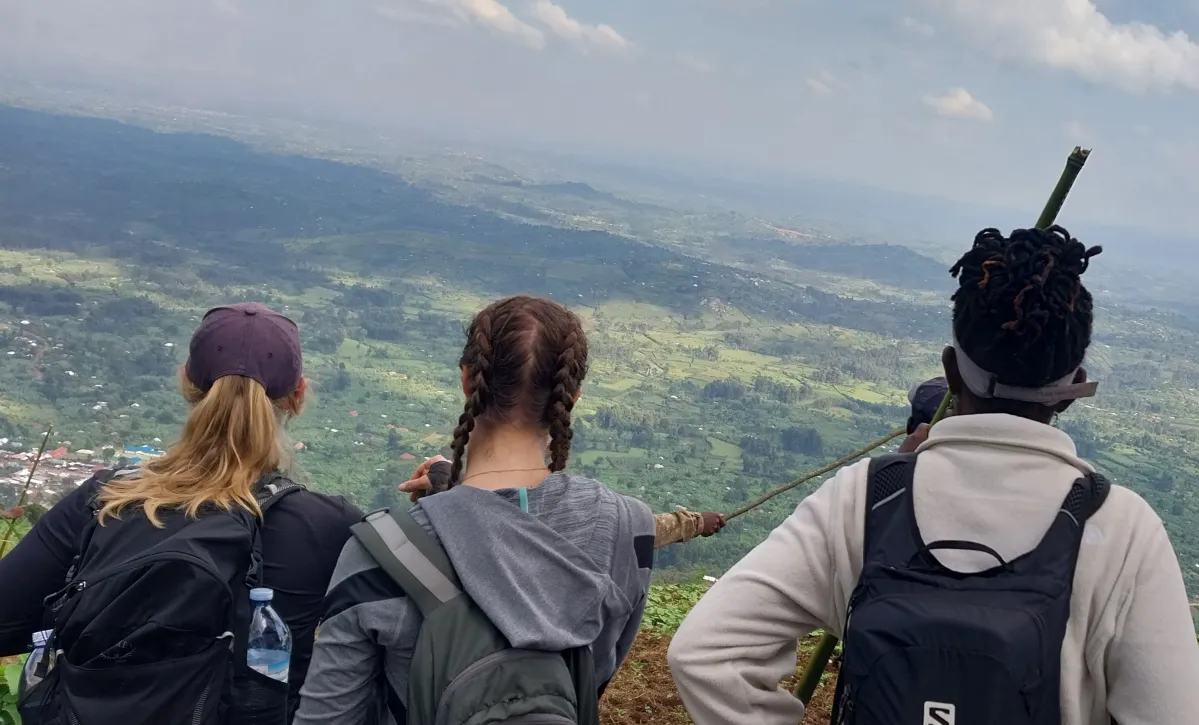
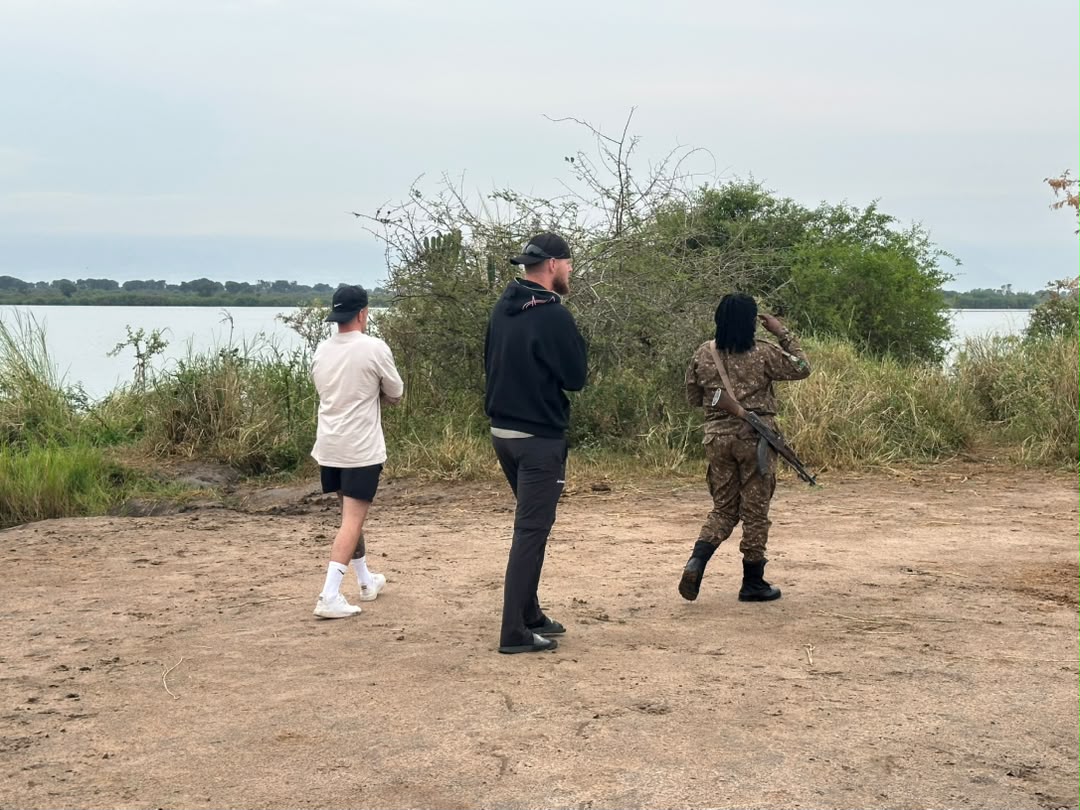
Tour guiding remains the standout choice for students who want fast, practical entry into tourism. Short guiding courses cover national park knowledge, cultural heritage, client handling, communication and basic safety in a matter of weeks. UTI’s roundup of the best tour guiding courses in Uganda breaks down several options, and the related guide on how to become a tour driver in Uganda covers the closely linked driving-and-guiding path.
Kenlink Institute’s resources on the tour guiding course and safari guide training courses in Uganda give a useful sister-institute perspective on how this training is typically structured and assessed.
Hospitality and Front Office Short Courses
For students drawn to hotels, lodges and restaurants rather than fieldwork, short hospitality courses cover front office procedures, housekeeping standards, guest relations and basic food and beverage service — all in a few weeks to a few months. UTI’s article on hospitality management courses in Uganda outlines what these short programmes typically include, and Kenlink Institute’s page on catering and hospitality courses in Uganda offers a comparable short-course structure.
Travel, Ticketing and Tour Operations Courses
Behind every trip is someone booking flights, arranging itineraries and coordinating logistics — and short courses in this area are growing in demand as more Ugandans travel domestically and internationally. Kenlink Institute’s page on the air ticketing course in Uganda and its overview of tourism operations training both cover this practical, office-based side of the industry, which pairs well with guiding or hospitality training for students who want broader career options.
Digital Marketing for Tourism Businesses
Modern tourism runs on visibility — tour companies, lodges and travel agents increasingly need staff who understand social media, online bookings and digital advertising. UTI’s short course in marketing in Uganda is built for exactly this gap, and Kenlink Institute’s digital marketing training course in Uganda offers a similar practical option. Pairing a short marketing course with a tourism qualification is an increasingly common combination for students who want to eventually run their own tour or hospitality business.
How Long Do Short Practical Courses Actually Take?
Most short practical tourism courses run between four weeks and three months, though the exact length depends on the subject, whether you study full-time or part-time, and how much hands-on placement time is built in. Courses with a field-based practical component, such as tour guiding, sometimes run slightly longer than desk-based courses like ticketing or digital marketing, simply because they require travel time to parks or heritage sites. Check UTI’s Intakes page for exact start dates and durations for each current programme.
What Short Courses Cost
Short courses are generally the most affordable entry point into tourism training, costing significantly less than certificate or diploma programmes because they cover a narrower scope in a shorter time. UTI’s breakdown of tourism course fees in Uganda is a good place to see actual pricing by course type, and Kenlink Institute’s fee structure page offers a useful comparison point across a sister institution’s offerings.
Who Should Choose a Short Practical Course?
Short courses are ideal for a specific set of students: those who need to start earning quickly, those testing whether tourism is the right career before committing further, and those who already have some experience or a related qualification and just need a focused, certified skill to formalise it. They are less suited to students aiming directly for management roles, where a certificate, diploma or degree builds the broader business knowledge those positions require. UTI’s comparison articles on the best tourism institute in Uganda and best tourism schools within Kampala can help you weigh a short course against longer options at the same institute.
After the Course: Turning Practical Training into a Job
The real value of a short practical course shows up after graduation, when a student can immediately apply what they learned on the job. Supervised placements make a big difference here — Kenlink Institute’s article on tourism internships in Uganda explains how short-course graduates typically move into placements, and the piece on how to land your dream job in the tourism industry offers practical tips for turning a short qualification into a full-time offer.
Frequently Asked Questions
Are short tourism courses recognised by employers in Uganda? Yes, provided the course is offered by an accredited institute with a curriculum aligned to industry and Uganda Tourism Board standards — always confirm this before enrolling.
Can I combine more than one short course? Yes, many students combine two or three short courses — for example tour guiding plus digital marketing, or hospitality plus ticketing — to widen their employability without committing to a full year of study.
Is a short course enough to get a job in tourism? For entry-level roles, yes. For supervisory or management positions, a certificate or diploma is usually expected in addition to practical short-course experience.
Final Thoughts
Short practical tourism courses in Uganda offer one of the fastest, most affordable routes into a growing industry, provided you choose a course built around real industry standards rather than generic content. Browse the full course catalogue, check current intake dates, and apply through the Apply Now page when you are ready to start. For more guidance, browse related articles on the Uganda Tourism Institute blog or compare notes with sister institution Kenlink Institute.