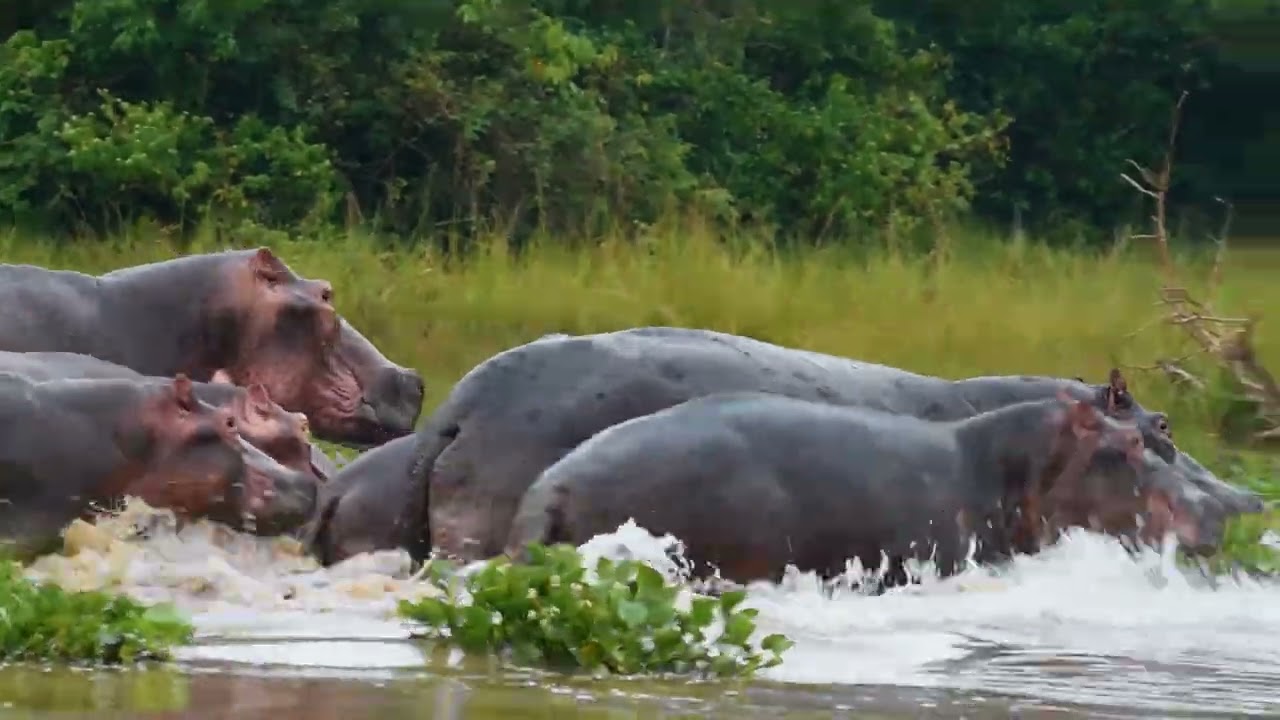
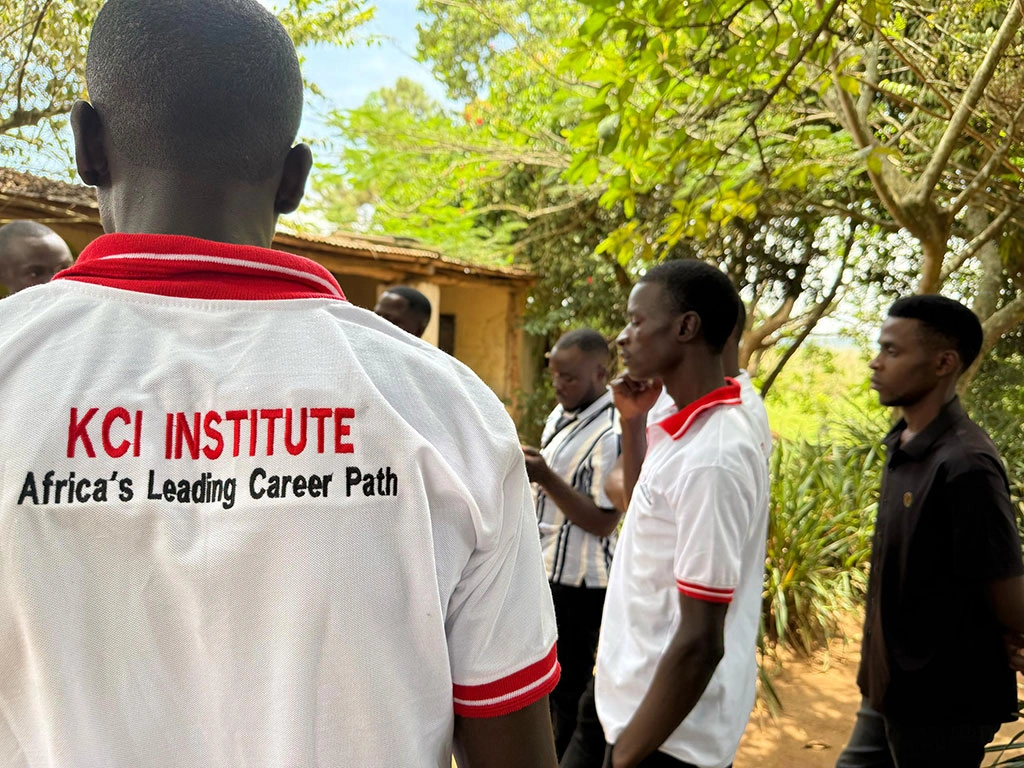
Uganda’s tourism industry is one of the country’s fastest-growing sectors and continues to create employment opportunities for thousands of people every year. With the increasing number of visitors coming to experience gorilla trekking, wildlife safaris, cultural encounters, and adventure tourism, the demand for trained tourism professionals has also risen significantly. Whether you are a school leaver, graduate, or someone looking to switch careers, tourism offers diverse and rewarding career paths.
Studying tourism-related courses at Uganda Tourism Institute can equip you with the practical knowledge and skills required to succeed in this exciting industry. Here are some of the top tourism jobs in Uganda and the qualifications needed to pursue them.
Tour Guide
Tour guiding is one of the most popular careers in Uganda’s tourism sector. Tour guides accompany visitors to various destinations and provide information about wildlife, history, culture, and attractions. They help tourists enjoy memorable and educational experiences while ensuring their safety throughout the journey.
To qualify as a tour guide, candidates should pursue a Certificate or Diploma in Tourism Management, Tour Guiding, or Travel and Tourism. Good communication skills, customer care, and knowledge of Uganda’s attractions are essential. Fluency in foreign languages can also increase employment opportunities.
Safari Guide
Safari guides specialize in leading visitors through national parks and wildlife reserves. They interpret animal behavior, identify bird species, and educate tourists about conservation and ecosystems. Safari guides are highly valued because they enhance visitors’ experiences during game drives and nature walks.
Individuals interested in this profession should undertake training in tourism, wildlife management, or tour guiding. Knowledge of first aid, conservation principles, and practical field experience are important qualifications. Many safari companies prefer guides who have completed internships or industrial training.
Travel Consultant
Travel consultants assist clients in planning trips, making reservations, and selecting suitable tour packages. They work with travel agencies, airlines, and tour companies to ensure clients enjoy smooth travel experiences.
To become a travel consultant, students can pursue a Certificate or Diploma in Tourism Management, Travel and Tourism, or Hospitality Management. Computer literacy, customer service skills, and knowledge of reservation systems are highly desirable. Experience in ticketing and travel planning can further improve career prospects.
Tour Operations Manager
Tour operations managers oversee the planning and execution of tours and safaris. They coordinate transportation, accommodation, itineraries, and customer services to ensure successful operations.
A Diploma or Advanced Diploma in Tourism Management, Hospitality Management, or Business Administration is often required. Leadership abilities, organizational skills, and experience in the tourism industry are valuable qualifications for this position.
Hotel Manager
Hotels, lodges, and resorts rely on competent managers to oversee daily operations and maintain high standards of customer service. Hotel managers supervise staff, manage budgets, and ensure guests receive excellent experiences.
Individuals seeking this career should study Hospitality Management or Hotel Management. Certificate and Diploma programs provide the foundational knowledge needed for entry-level positions, while further education and experience can lead to senior management roles.
Front Office Receptionist
Front office receptionists are often the first point of contact for guests in hotels and lodges. They handle reservations, welcome visitors, answer inquiries, and coordinate guest services.
To qualify, students can enroll in Hospitality Management or Front Office Operations courses. Strong communication skills, computer proficiency, and customer service abilities are important requirements. Employers also value professionalism and interpersonal skills.
Chef and Culinary Professional
The hospitality industry requires trained chefs to prepare meals in hotels, restaurants, lodges, and catering businesses. Culinary professionals contribute significantly to guest satisfaction by providing quality food services.
Those interested in becoming chefs should pursue Culinary Arts or Catering and Hotel Management courses. Practical training in food preparation, hygiene, and kitchen management is essential. Graduates may start as assistant chefs and progress to executive chef positions with experience.
Event Planner
Uganda’s growing meetings, conferences, weddings, and entertainment sectors have increased the demand for event planners. These professionals organize and coordinate functions while ensuring that clients’ expectations are met.
A Certificate or Diploma in Event Management, Hospitality Management, or Tourism Management provides a strong foundation for this career. Creativity, communication skills, and attention to detail are important qualities for successful event planners.
Customer Service Officer
Customer service professionals work in hotels, travel agencies, airports, and tour companies. Their role is to ensure that clients receive quality services and assistance throughout their interactions with an organization.
Training in Hospitality Management, Tourism Management, or Customer Care can provide the necessary qualifications. Employers seek individuals who possess patience, professionalism, and excellent communication skills.
Reservation Officer
Reservation officers handle bookings for hotels, lodges, flights, and tour packages. They assist customers in selecting suitable services and ensure accurate record-keeping.
To enter this profession, candidates should study Tourism Management or Hospitality Management. Knowledge of reservation software, attention to detail, and customer service skills are highly valued by employers.
Tourism Marketing Officer
Tourism marketing officers promote destinations, tour packages, and hospitality services to attract visitors. They use digital platforms, social media, and traditional marketing techniques to increase awareness and generate business.
A background in Tourism Management, Marketing, or Hospitality Management is usually required. Skills in digital marketing, communication, photography, and content creation can provide additional advantages.
Wildlife Conservation Officer
Wildlife conservation officers work with national parks, conservation organizations, and environmental agencies to protect natural resources and wildlife habitats. They contribute to sustainable tourism and biodiversity conservation.
Individuals interested in this field can study Tourism Management, Wildlife Management, Environmental Studies, or Conservation programs. Passion for nature and knowledge of conservation principles are essential.
Airline Customer Service Agent
The aviation sector also offers opportunities for tourism graduates. Airline customer service agents assist passengers with ticketing, boarding procedures, baggage inquiries, and travel information.
To qualify, candidates may pursue courses in Tourism Management, Travel and Tourism, or Hospitality Management. Good communication skills and the ability to work under pressure are important requirements.
Entrepreneurship Opportunities in Tourism
Not all tourism professionals seek employment with established organizations. Many graduates choose to become entrepreneurs by establishing their own businesses. Opportunities include starting tour companies, travel agencies, event management firms, catering businesses, and accommodation facilities.
Entrepreneurship requires industry knowledge, business management skills, and creativity. Training at Uganda Tourism Institute helps students develop the competencies needed to operate successful tourism enterprises.
Skills Employers Look for in Tourism Professionals
Besides academic qualifications, employers seek individuals with practical skills and personal qualities that contribute to excellent customer experiences. Some of the most important skills include communication, teamwork, problem-solving, leadership, customer service, computer literacy, and adaptability.
Industrial training and internships are equally important because they expose students to real work environments and help them gain practical experience. Many employers prefer candidates who have participated in attachment programs and developed hands-on skills.
Why Professional Training Matters
The tourism industry is highly competitive, and employers increasingly prefer qualified professionals who possess both theoretical knowledge and practical competence. Professional training enables students to understand industry standards, improve customer service abilities, and enhance their employability.
Uganda Tourism Institute offers industry-oriented programs designed to prepare learners for the demands of the modern tourism and hospitality sector. Through practical sessions, field studies, and internships, students acquire the skills required to excel in different tourism careers.