
Uganda is blessed with an extensive network of lakes, rivers, swamps, and wetland ecosystems that form some of the most productive and biodiverse environments in East Africa. From the vast waters of Lake Victoria to the tranquil shores of Lake Bunyonyi, and from the Nile River to protected wetlands like Mabamba Bay, these areas offer unique tourism experiences. Wetland guide training has therefore become an important specialization for individuals who want to build careers in nature-based tourism and conservation.
At Uganda Tourism Institute, students are trained in ecotourism, wildlife interpretation, tour guiding, and environmental conservation. These programs prepare learners to work as professional wetland guides who can interpret aquatic ecosystems and lead tourists in Uganda’s lakes and river environments.
Understanding Wetland Tourism in Uganda
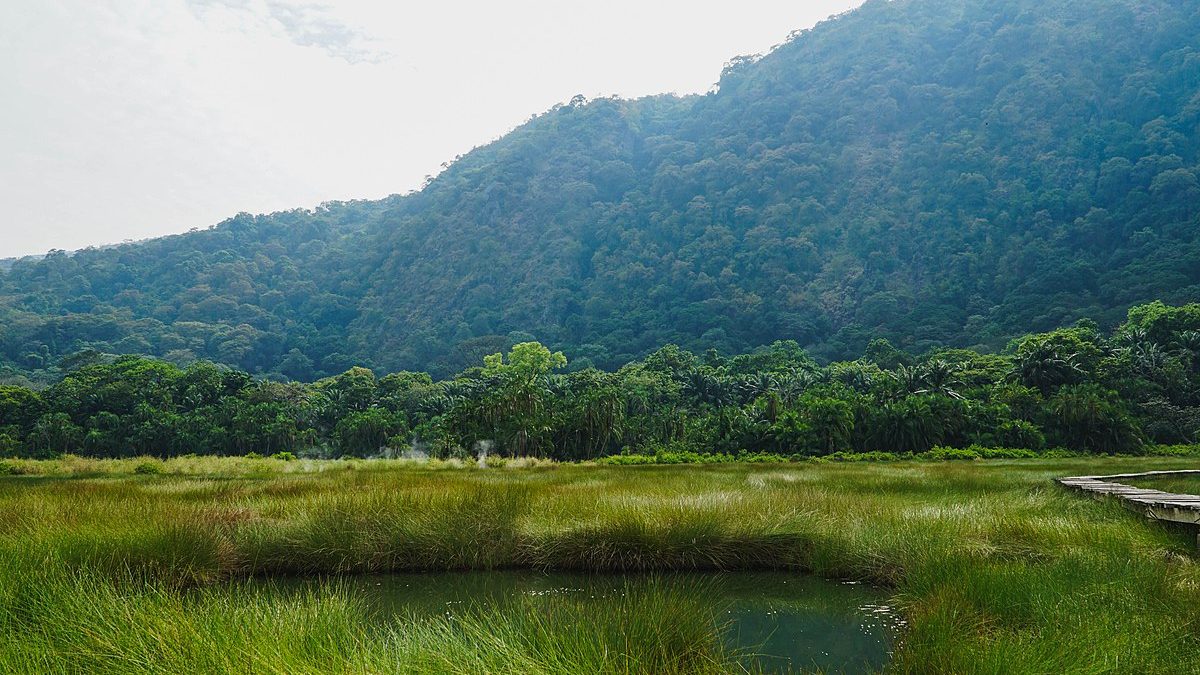
Wetland tourism refers to travel activities that take place in or around wetland ecosystems such as lakes, rivers, marshes, and swamps. These environments are home to diverse wildlife including birds, fish, reptiles, amphibians, and plant species that are adapted to aquatic habitats.
In Uganda, wetland tourism includes boat cruises, bird watching, canoeing, fishing tours, and nature walks along lake shores and riverbanks. These activities provide tourists with peaceful and educational experiences while promoting conservation awareness.
Wetland tourism is a growing niche because it combines relaxation, adventure, and biodiversity exploration.
The Importance of Wetlands in Uganda’s Ecosystem
Wetlands play a vital role in maintaining ecological balance. They act as natural water filters, flood control systems, and breeding grounds for fish and birds.
Uganda’s wetlands support livelihoods through fishing, agriculture, and tourism while also preserving biodiversity. Important wetland areas such as Mabamba Bay, Lutembe Bay, Lake Kyoga, and the Nile River basin are critical habitats for rare species like the shoebill stork and numerous fish and amphibian species.
Protecting wetlands is essential for both environmental sustainability and tourism development.
What You Learn in Wetland Guide Training
Wetland guide training equips students with knowledge of aquatic ecosystems, wildlife identification, guiding techniques, and conservation principles.
Learners study wetland ecology, bird species, fish behavior, water systems, and environmental protection practices. They also learn how to interpret natural features and explain them in an engaging way to tourists.
Practical training includes field excursions where students practice boat guiding, bird identification, and visitor interpretation in real wetland environments.
The Role of Wetland Guides in Tourism
Wetland guides are responsible for leading tourists through lakes, rivers, and swamp areas while providing educational interpretation of the ecosystem.
They help visitors identify bird species, understand aquatic habitats, and learn about conservation challenges affecting wetlands. Guides also ensure safety during boat rides and nature walks.
A skilled wetland guide enhances the tourism experience by making it informative, enjoyable, and environmentally responsible.
Birding and Wetland Tourism Connection
Birding is one of the most important activities in wetland tourism. Uganda is home to over 1,000 bird species, many of which live in wetland environments.
Wetland guides must have strong bird identification skills, especially for iconic species such as the shoebill stork, African fish eagle, kingfishers, and herons. Birdwatching tours are among the most popular wetland tourism activities in Uganda.
This makes bird knowledge a core requirement for wetland guiding professionals.
Boat Tourism and River Safaris
Boat safaris are a key part of wetland tourism in Uganda. The Kazinga Channel in Queen Elizabeth National Park, the Nile River in Murchison Falls National Park, and Lake Victoria all offer exceptional boat-based wildlife experiences.
Wetland guides lead tourists on boat cruises where they observe hippos, crocodiles, aquatic birds, and shoreline wildlife. They also explain ecological relationships and conservation efforts along water bodies.
Boat tourism provides a unique perspective of Uganda’s wildlife and landscapes.
Skills Required for Wetland Guides
Wetland guiding requires a combination of technical knowledge, communication skills, and practical field experience.
Guides must understand aquatic ecosystems, bird species, and water safety procedures. Strong communication skills are essential for explaining complex ecological information in a simple and engaging way.
Physical fitness, observation skills, and customer care abilities are also important for working in wetland environments.
Environmental Conservation in Wetland Tourism
Wetland guides play an important role in promoting environmental conservation. They educate tourists about threats such as pollution, overfishing, wetland encroachment, and climate change.
By raising awareness, guides help encourage responsible tourism behavior and support conservation initiatives. Tourism revenue also contributes to wetland protection and management.
This link between tourism and conservation is essential for sustainable wetland use.
Career Opportunities in Wetland Guiding
Wetland guide training opens up several career opportunities in Uganda’s tourism and conservation sector. Graduates can work as birding guides, boat tour guides, ecotourism officers, conservation assistants, and environmental educators.
Others may work with national parks, tourism companies, NGOs, and community-based tourism projects. There are also opportunities in research, wildlife photography, and environmental interpretation.
With experience, wetland guides can advance into senior guiding or tourism management roles.
The Role of Communities in Wetland Tourism
Local communities living near wetlands play a crucial role in protecting and promoting wetland tourism. Many communities depend on wetlands for fishing, farming, and water resources.
Tourism creates opportunities for communities to earn income through guiding, boat services, cultural tourism, and craft production. This reduces pressure on wetland resources and promotes conservation.
Community involvement ensures the long-term sustainability of wetland tourism.
Challenges Facing Wetland Tourism
Wetland tourism faces challenges such as pollution, habitat destruction, and climate change. Rapid urbanization and agricultural expansion often threaten wetland ecosystems.
In some areas, lack of awareness leads to overexploitation of resources. These challenges require strong conservation policies and community education.
Despite these issues, wetland tourism remains a growing and promising sector in Uganda.
Importance of Field Training
Field training is essential for wetland guide development. Students gain hands-on experience in real wetland environments where they practice guiding, bird identification, and ecological interpretation.
At Uganda Tourism Institute, learners participate in field trips to lakes, rivers, and swamp ecosystems. This helps them understand practical guiding techniques and environmental challenges.
Field experience builds confidence and prepares students for professional roles.
Why Study Wetland Tourism at Uganda Tourism Institute
Uganda Tourism Institute offers professional training in tourism, hospitality, and conservation. The wetland guide training program equips students with both theoretical knowledge and practical skills.
Students learn ecology, birding, guiding techniques, customer care, and environmental conservation. The program emphasizes sustainability and hands-on learning.
Graduates are well prepared for careers in wetland tourism and conservation-related fields.