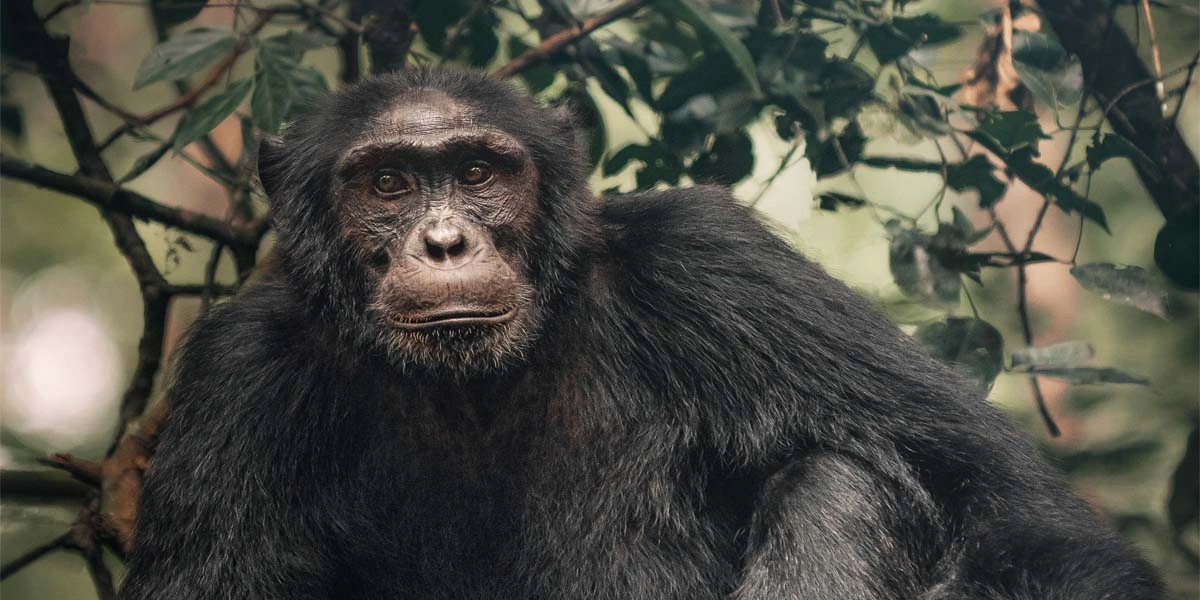
Queen Elizabeth National Park is one of Uganda’s most visited and biologically diverse protected areas, located in the western region of the country. It is famous for its tree-climbing lions of Ishasha, large elephant herds, hippos along the Kazinga Channel, and over 600 bird species. Because of its strong tourism activity and conservation importance, the park offers many career and training opportunities for individuals interested in wildlife, tourism, and environmental protection.
At Uganda Tourism Institute, students are trained in tourism operations, wildlife management, ecotourism, and hospitality skills that prepare them for work in national parks like Queen Elizabeth. These programs combine classroom learning with practical field experience to build competent professionals for Uganda’s growing tourism industry.
Understanding Queen Elizabeth National Park as a Career Hub
Queen Elizabeth National Park is not only a tourist destination but also a major employment center for tourism and conservation professionals. The park supports a wide range of activities including game drives, boat cruises, bird watching, research, and community tourism programs.
Because of its size and diversity, the park requires skilled professionals in different fields such as guiding, wildlife protection, park administration, hospitality services, and environmental conservation. This makes it one of the best places in Uganda to build a career in tourism and conservation.
Why Queen Elizabeth National Park is Important for Careers
The park attracts thousands of domestic and international tourists every year, generating income that supports conservation and employment. Its popularity ensures a continuous demand for trained tourism professionals.
Working in Queen Elizabeth National Park allows individuals to gain hands-on experience with wildlife management, customer service, and ecological conservation. It is also a stepping stone for careers in international conservation organizations and tourism enterprises.
The park’s diverse ecosystems provide a rich learning environment for practical training and professional development.
Tourism and Conservation Roles in the Park
There are many job opportunities available in Queen Elizabeth National Park. Tour guides lead visitors on game drives and boat cruises, explaining wildlife behavior and ecosystem dynamics. Wildlife rangers protect animals, prevent poaching, and monitor park activities.
Conservation officers work on research, habitat protection, and wildlife monitoring programs. Hospitality professionals are employed in lodges, camps, and hotels that serve tourists visiting the park.
Other roles include community tourism coordinators, environmental educators, and park administration assistants who support daily operations.
Skills Required for Working in Queen Elizabeth National Park
Working in the park requires a combination of technical, physical, and interpersonal skills. Communication skills are essential for interacting with tourists from different countries and backgrounds.
Knowledge of wildlife behavior, ecology, and conservation principles is also important. Physical fitness is required for fieldwork such as tracking animals, guiding tours, and conducting patrols.
Other important skills include teamwork, problem-solving, customer care, and environmental awareness.
Training and Education for Park Careers
To work in Queen Elizabeth National Park, individuals typically need training in tourism, wildlife management, conservation, or hospitality-related fields. A certificate or diploma in these areas provides a strong foundation for employment.
At Uganda Tourism Institute, students gain both theoretical knowledge and practical field experience in national parks and tourism sites. This includes training in tour guiding, wildlife identification, customer service, and conservation principles.
Field attachments and internships are especially important for gaining real-world experience.
The Role of Tour Guides in Queen Elizabeth National Park
Tour guides play a central role in shaping visitor experiences in the park. They lead tourists on safaris, boat cruises, and birdwatching tours while providing detailed information about wildlife and ecosystems.
A professional guide enhances tourism experiences by explaining animal behavior, identifying species, and ensuring visitor safety. Guides also promote responsible tourism practices that protect wildlife and habitats.
This role is highly respected and essential for the success of tourism in the park.
Wildlife Conservation Work in the Park
Conservation is a key focus in Queen Elizabeth National Park. Professionals work to protect wildlife species such as lions, elephants, buffaloes, and hippos, as well as rare bird species.
Anti-poaching teams patrol the park to prevent illegal hunting and protect endangered species. Conservation officers also monitor wildlife populations and study ecosystem changes.
These efforts ensure that the park remains a sustainable tourism destination for future generations.
Hospitality and Lodge Management Careers
Queen Elizabeth National Park has many lodges, camps, and accommodation facilities that provide services to tourists. These establishments employ chefs, hotel managers, receptionists, cleaners, and customer service staff.
Hospitality professionals ensure that visitors have comfortable and enjoyable stays during their safari experiences. Training in hospitality management is therefore an important pathway for working in the park’s tourism sector.
Strong customer care skills are essential in this area.
Community-Based Tourism Around the Park
Local communities surrounding Queen Elizabeth National Park play an important role in tourism development. Many community members work as guides, cultural performers, craft sellers, and service providers.
Community-based tourism initiatives allow visitors to experience local traditions, music, dance, and lifestyle. These activities generate income for communities and encourage conservation support.
When communities benefit from tourism, they are more likely to protect wildlife and natural resources.
Importance of Field Training and Practical Experience
Field training is essential for anyone aspiring to work in Queen Elizabeth National Park. Students and trainees participate in field visits, internships, and practical exercises in real conservation environments.
This experience helps learners understand wildlife behavior, tourism operations, and conservation challenges. It also builds confidence and prepares them for professional responsibilities.
Practical exposure is highly valued by employers in the tourism industry.
Challenges of Working in the Park
Working in Queen Elizabeth National Park can be challenging due to unpredictable weather, wildlife risks, and remote working conditions. Professionals often work long hours in the field and must remain alert at all times.
Human-wildlife conflict and poaching are also ongoing challenges that require constant monitoring and intervention. Despite these difficulties, the work remains highly rewarding for those passionate about conservation and tourism.
Proper training and teamwork help professionals manage these challenges effectively.
Career Growth Opportunities
A career in Queen Elizabeth National Park offers many opportunities for advancement. Entry-level workers can grow into senior guide positions, conservation officers, or park management roles with experience and additional training.
Some professionals move into research, international conservation organizations, or tourism development projects. Continuous learning and field experience are key to career progression.
The park provides long-term career opportunities for dedicated individuals.
Why Study at Uganda Tourism Institute
Uganda Tourism Institute provides professional training in tourism, hospitality, wildlife management, and conservation. The programs are designed to prepare students for real-world careers in national parks like Queen Elizabeth.
Students gain practical skills, industry knowledge, and field experience that make them job-ready. The institute emphasizes professionalism, sustainability, and hands-on learning.
Graduates are well prepared to work in Uganda’s tourism and conservation sectors.