
Uganda’s tourism industry continues to grow rapidly, creating exciting opportunities for students and young professionals seeking practical experience and career development. As one of the country’s leading economic sectors, tourism offers employment across hotels, safari lodges, tour companies, restaurants, national parks, conference centers, and travel agencies. However, before securing permanent employment, many students begin their professional journey through internships. Internship opportunities in Uganda’s tourism sector provide valuable exposure, practical skills, and industry connections that can shape successful careers in tourism and hospitality.
Why Internships Are Important in Tourism
Tourism is a practical industry that requires more than classroom knowledge. Employers seek individuals who can interact with guests professionally, solve problems, work effectively in teams, and deliver excellent customer service. Internships allow students to apply what they have learned in class to real working environments.
Through industrial training, students gain hands-on experience and develop confidence in handling daily responsibilities. They also become familiar with workplace standards, organizational culture, and customer expectations. This experience helps bridge the gap between education and employment and prepares graduates for successful careers.
For many professionals in Uganda’s tourism industry, internships have served as the foundation for long-term career growth and advancement.
Hotels and Resorts Offer Valuable Learning Experiences
Hotels and resorts are among the biggest providers of internship opportunities in Uganda. Students pursuing hospitality management, food and beverage service, front office operations, housekeeping, and culinary arts can gain practical experience in various departments.
Interns may assist with guest reception, reservations, restaurant operations, event coordination, housekeeping services, and kitchen activities. Working in hotels helps students understand the importance of customer satisfaction, teamwork, communication, and professionalism.
Luxury hotels, business hotels, and resorts located in Kampala, Entebbe, Jinja, Mbarara, and tourism destinations near national parks regularly host interns and provide exposure to international hospitality standards.
Tour Companies Provide Hands-On Tourism Experience
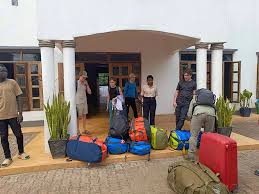
Tour operators and travel agencies offer excellent internship opportunities for students interested in tourism management and travel operations. Interns learn how to organize itineraries, handle reservations, communicate with clients, and coordinate transportation and accommodation services.
They may also participate in destination research, customer service, marketing activities, and tour planning. These experiences help students understand how tourism businesses operate and expose them to the practical aspects of managing travel experiences.
Internships with tour companies provide valuable knowledge about Uganda’s attractions and help aspiring professionals develop organizational and communication skills that are essential in the industry.
National Parks and Conservation Organizations Create Unique Opportunities
Uganda is blessed with incredible biodiversity and world-famous attractions such as Bwindi Impenetrable National Park, Queen Elizabeth National Park, Murchison Falls National Park, and Kibale National Park. These protected areas provide opportunities for students interested in ecotourism, wildlife conservation, and tour guiding.
Interns working with conservation organizations and wildlife authorities may participate in visitor management, environmental education, research support, community outreach, and tourism interpretation. Such experiences allow students to appreciate the relationship between conservation and sustainable tourism.
Individuals passionate about wildlife and nature tourism often find these internships highly rewarding and beneficial for their future careers.
Restaurants and Catering Businesses Offer Culinary Training
Students pursuing culinary arts and catering courses can acquire practical skills through internships in restaurants, bakeries, lodges, and catering companies. These establishments expose interns to food preparation, menu planning, kitchen management, hygiene practices, and customer service.
Professional kitchens provide opportunities to learn from experienced chefs and understand international food standards. Interns also gain experience in teamwork, time management, and creativity, which are critical skills for successful culinary careers.
Many chefs who currently work in leading hotels and restaurants started their professional journeys through internship programs that allowed them to refine their skills and gain industry exposure.
Conference Centers and Event Companies Provide Diverse Experience
The growth of business tourism and corporate events in Uganda has increased demand for event management professionals. Conference centers, wedding planners, and event companies offer internship opportunities that expose students to event planning, logistics coordination, customer relations, and marketing.
Interns may assist in organizing conferences, exhibitions, weddings, and corporate functions. These experiences develop organizational skills, creativity, and attention to detail, which are important for careers in event management and hospitality.
Students who enjoy planning and coordinating activities can greatly benefit from these practical learning experiences.
Airlines and Transport Companies Support Tourism Careers
Transportation is an important component of the tourism industry. Airlines, car rental companies, and transport operators provide opportunities for students interested in travel management and customer service.
Interns may work in reservation departments, customer care offices, ticketing services, and travel coordination. These experiences provide insight into how transportation supports tourism and contribute to the development of communication and administrative skills.
Exposure to aviation and transport operations can also open doors to careers beyond traditional tourism establishments.
Benefits of Internships for Students
Internships offer numerous advantages that extend beyond academic requirements. Students gain practical experience that enhances their employability and makes them more competitive in the job market. Employers often prefer candidates who have already worked in real professional environments.
Industrial training also enables students to build confidence, improve communication skills, and learn how to interact with customers and colleagues. Internships help learners identify their strengths and areas for improvement while exposing them to different career paths within tourism and hospitality.
Perhaps most importantly, internships provide opportunities to establish professional networks and relationships with industry experts. These connections often lead to future employment opportunities and career guidance.
How Internships Lead to Employment
Many organizations use internships as a way of identifying talented individuals for future recruitment. Students who demonstrate commitment, professionalism, and strong work ethics during industrial training often receive recommendations or job offers after graduation.
Employers appreciate interns who are eager to learn, adaptable, and willing to contribute positively to the organization. Therefore, students should approach internships with seriousness and dedication, treating them as opportunities to showcase their abilities.
Successful internship experiences can significantly reduce the time it takes for graduates to secure their first jobs in the tourism industry.
Skills Students Should Develop During Internships
Internships are excellent opportunities for students to strengthen essential skills that employers value. Customer service skills are particularly important because tourism revolves around creating memorable experiences for guests. Communication skills, teamwork, problem-solving abilities, and professionalism are equally essential.
Students should also develop time management skills, adaptability, and a positive attitude. Learning to work under pressure and maintaining high standards of service contribute to career growth and long-term success.
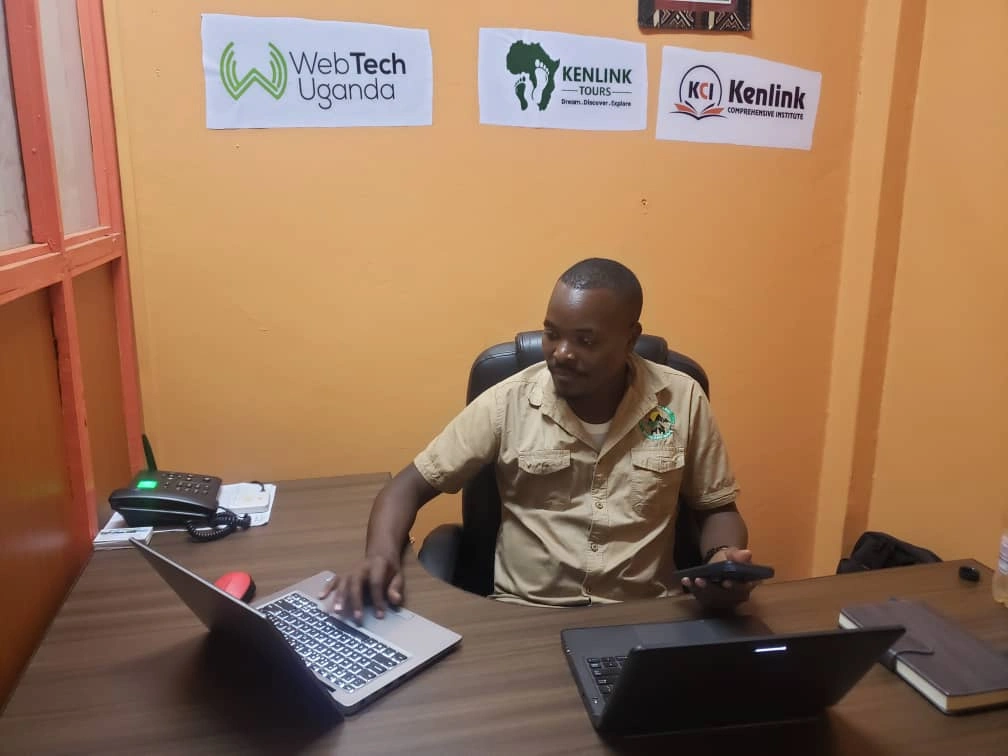
Digital skills and familiarity with modern reservation systems and online platforms are becoming increasingly important in today’s tourism environment. Interns who embrace technology often enjoy greater employment opportunities.
The Role of Uganda Tourism Institute in Supporting Internships
Uganda Tourism Institute recognizes the importance of industrial training in preparing students for successful careers. The institute emphasizes practical learning and works to connect students with organizations where they can gain meaningful work experience.
Through internship placements, students have the opportunity to apply classroom knowledge, interact with industry professionals, and understand the realities of the tourism and hospitality sector. This exposure enhances their confidence and prepares them to enter the workforce with competence and professionalism.
The institute’s commitment to practical training ensures that graduates possess both theoretical knowledge and industry experience, making them highly attractive to employers.
Preparing for a Successful Internship
Students should prepare adequately before beginning their internships. Maintaining professionalism, dressing appropriately, being punctual, and demonstrating a willingness to learn can make a lasting impression on supervisors and colleagues.
Interns should actively seek opportunities to participate in different activities and ask questions whenever necessary. Building positive relationships and maintaining a strong work ethic can increase the chances of receiving recommendations and future employment opportunities.
Keeping records of achievements and experiences gained during industrial training can also be beneficial when preparing job applications after graduation.