
How to become a Germany tour guide in Uganda. Every year, thousands of travellers from Germany, Austria and Switzerland land at Entebbe International Airport ready to track mountain gorillas, cruise the Kazinga Channel and watch the Nile explode through Murchison Falls. Many of them speak good English, but a large share prefer to explore in their own language. That is exactly why the German tour guide in Uganda has become one of the most sought-after and best-paid professionals in the country’s safari industry.
If you have ever dreamed of turning your love for Uganda’s wildlife, culture and landscapes into a rewarding international career, becoming a German-speaking tour guide could be your perfect path. In this complete guide, the team at Uganda Tourism Institute walks you step by step through everything you need: the skills, the German language levels, professional training, licensing, equipment, salary expectations and the best ways to land your first job.
Who Is a German Tour Guide in Uganda?
A German tour guide in Uganda (sometimes called a “Germany tour guide” or a German-speaking safari guide) is a trained tourism professional who leads German-speaking visitors through Uganda’s national parks, cultural sites and cities while communicating mainly in German. Unlike a general guide, this professional acts as a bridge between two worlds. They explain gorilla behaviour, bird species, Ugandan history and local customs in fluent German, and they understand the expectations, habits and travel style of European guests.
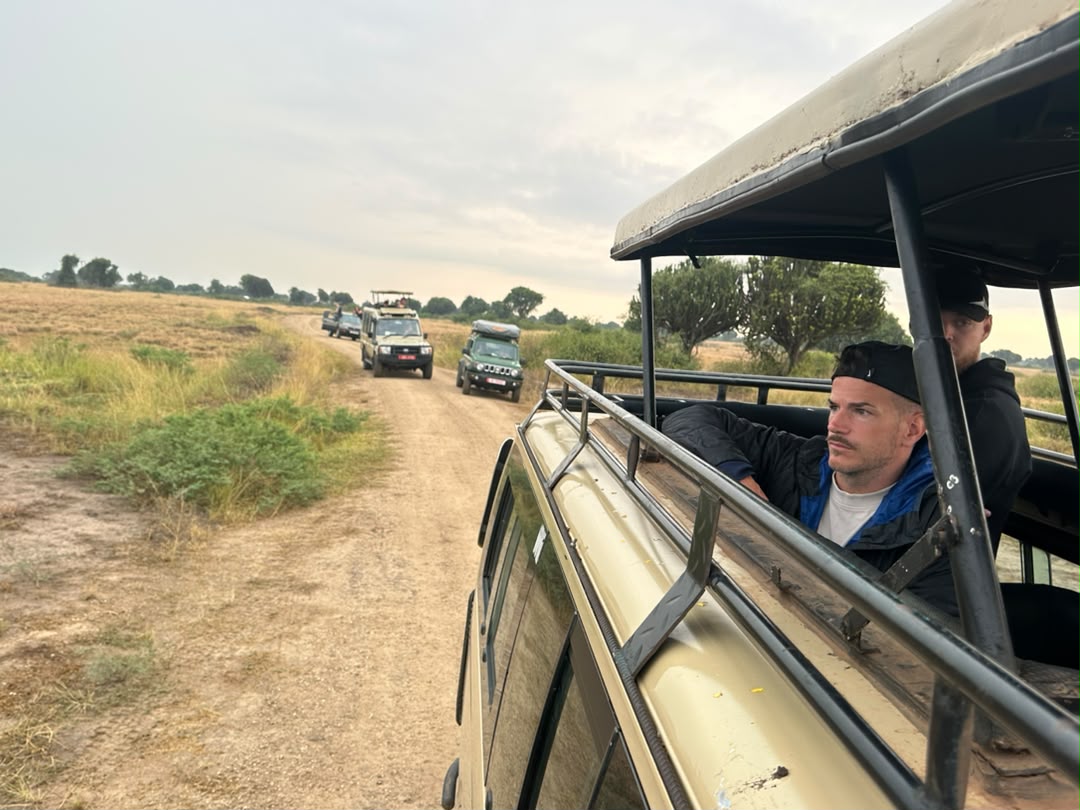
In many companies, the German tour guide is also the safari driver. This “driver-guide” role means you drive the 4×4 safari vehicle, manage the daily itinerary, handle check-ins at lodges, coordinate park permits and keep your guests safe and happy from the first day to the last. It is a demanding job, but it is also one of the most respected positions in East African tourism.
Before you go further, it helps to understand the general foundations of the profession. Our detailed article on what is needed to become a tourist guide explains the core qualities every guide must have, whatever language they speak.
Why German-Speaking Tour Guides Are in High Demand
Germany is one of the most important long-haul source markets for East African tourism. German travellers are known for booking longer trips, travelling outside the busiest seasons and choosing premium experiences such as gorilla trekking and multi-park safaris. Austrian and Swiss visitors follow very similar patterns, which means one language opens the door to three wealthy markets.
However, the number of truly fluent German-speaking guides in Uganda is still small compared with English-speaking guides. Tour operators regularly struggle to find qualified German guides during the peak months of June to September and December to February. When demand is high and supply is low, skilled guides enjoy:
- Higher daily rates than English-only guides, often significantly more per day.
- Bigger tips, because guests deeply appreciate being guided in their mother tongue.
- Steady bookings from European agencies that only work with German-speaking teams.
- International travel opportunities, including trips into Rwanda, Kenya and Tanzania.
- Career growth into tour leadership, sales, product management and even running your own company.
Respected operators such as Kenlink Tours regularly host guests from Europe on primate, cultural and wildlife safaris across Uganda, Rwanda and Kenya, and they value guides who can communicate comfortably with these travellers. To see the wider picture of where guiding fits in the industry, read our guide to tourism job opportunities in Uganda.
Step 1: Build a Strong Foundation in Tour Guiding
Speaking German alone will not make you a tour guide. Guests expect a professional who knows the animals, the parks, the routes, the history and the safety rules. Your first step is therefore to get formal training in tour guiding and tourism.
At Uganda Tourism Institute, our UVTAB-assessed Tour Guiding and Driving course runs for about four months and covers both classroom theory and practical field work. Students learn:
- Wildlife identification: mammals, primates, reptiles and Uganda’s spectacular birdlife.
- Uganda’s geography, national parks and protected areas.
- History, culture and the traditions of Uganda’s many ethnic groups.
- Guiding techniques, storytelling and group management.
- Customer care and handling complaints professionally.
- First aid and safety procedures in the bush.
- Safari driving, vehicle care and basic mechanics.
For students who want a deeper qualification, our one-year programmes in Driving and Tour Guiding and Tours and Travel Management add business, operations and itinerary-planning skills. You can compare every programme on our courses page, and our article on choosing the right tourism course for your career will help you decide which one suits your goals and budget.
Not sure which school to trust with your future? We have put together honest comparisons of the best tour guiding training school in Uganda and the best tourism training schools in East Africa so you can make an informed choice.
Step 2: Learn German to a Professional Level
Language is the heart of this career. German guests will notice immediately if your German is weak, and a guide who cannot explain things clearly quickly loses their confidence. Most tour operators look for guides with at least an upper-intermediate level of German.
German proficiency is measured with the Common European Framework of Reference for Languages (CEFR), which has six levels:
- A1 and A2 (Beginner): Basic greetings, numbers and simple sentences. Not enough for guiding.
- B1 (Intermediate): You can handle everyday conversation and simple explanations. Useful for transfers and assisting a senior guide.
- B2 (Upper Intermediate): You can speak fluently and explain complex topics. This is the minimum most companies want for a lead safari guide.
- C1 and C2 (Advanced): Near-native fluency. Guides at this level command the highest rates and are trusted with VIP and luxury groups.
Going from zero to B2 typically takes between 18 months and three years of serious study, depending on your dedication. Here are practical ways to get there faster:
- Enrol in structured classes at a recognised language centre in Kampala and sit official exams so you have a certificate to show employers.
- Learn safari-specific vocabulary early: der Berggorilla (mountain gorilla), der Schimpanse (chimpanzee), der Nationalpark, die Pirschfahrt (game drive) and das Nilpferd (hippo).
- Practise every day with apps, German podcasts, YouTube nature documentaries and German news.
- Find language partners: German volunteers, students and NGO workers in Uganda are often happy to exchange conversation.
- Prepare your commentary in writing: write and memorise your explanations of the gorilla families, the source of the Nile and Ugandan history in German.
The smartest strategy is to study German and tour guiding at the same time. That way, by the time you graduate from your guiding course, your German is already strong enough to start assisting on German-speaking safaris.
Step 3: Master Uganda’s Top Safari Destinations
German travellers do their homework before arriving. Many have read guidebooks and watched documentaries, so they will ask detailed questions. You need to know Uganda’s key destinations inside out, including park history, wildlife, best seasons, permit rules and lodge options.
The destinations that appear on almost every German itinerary include:
- Bwindi Impenetrable National Park: Home to nearly half of the world’s remaining mountain gorillas. Study the Bwindi Impenetrable Forest National Park sectors, trekking rules and habituated gorilla families.
- Mgahinga Gorilla National Park: Part of the Virunga volcanoes, famous for gorillas, golden monkeys and Batwa cultural trails. Learn more about Mgahinga Gorilla National Park.
- Kibale Forest National Park: Uganda’s chimpanzee capital, with 13 primate species. Guests love the details you can share about Kibale Forest National Park.
- Queen Elizabeth National Park: Tree-climbing lions in Ishasha, the Kazinga Channel boat cruise and crater lakes. Read about Queen Elizabeth National Park.
- Murchison Falls National Park: Uganda’s largest park, where the Nile forces itself through a narrow gorge. Explore Murchison Falls National Park.
- Lake Mburo, Jinja and Lake Bunyonyi: Popular stopovers for walking safaris, the source of the Nile and relaxation.
Gorilla trekking is the highlight of most German trips, so understanding how gorilla safaris are packaged is a big advantage. Study real itineraries such as these gorilla safaris, and notice how many visitors now enter through Kigali for a shorter drive to Bwindi and Mgahinga.
Step 4: Understand German Travellers and Their Culture
Being a great German tour guide in Uganda is not only about grammar. It is about understanding your guests. German-speaking travellers often share certain expectations, and meeting them will make you stand out:
- Punctuality (Pünktlichkeit): If you say the game drive starts at 6:30, be ready at 6:20. Time matters a lot.
- Accurate information: German guests appreciate facts, numbers and honest answers. If you do not know something, say so and promise to find out.
- Clear planning: Explain each day’s programme in advance: distances, driving times, meal stops and activities.
- Environmental awareness: Many German travellers care deeply about sustainability, plastic reduction and community tourism.
- Privacy and personal space: Be friendly, but respect quiet moments and personal boundaries.
- Directness: German feedback can be very direct. Do not take it personally; it is usually meant constructively.
Operators who emphasise sustainable and community-focused travel, such as Kenlink Tours and Travel, show how responsible tourism can match exactly what European guests are looking for.
Step 5: Get Certified and Licensed
Professionalism in Uganda’s tourism sector is increasingly regulated. To work as a recognised tour guide, you should plan to:
- Earn a recognised certificate or diploma in tour guiding, tourism or travel management. UVTAB-assessed qualifications, like those offered at our institute, are recognised by employers across the country.
- Register with the Uganda Tourism Board (UTB), the government body responsible for registering and licensing tourism service providers, including tour guides.
- Join the Uganda Safari Guides Association (USAGA), which runs guide assessments and grading. Membership increases your credibility with tour operators.
- Hold a valid driving permit with the right classes for safari vehicles if you plan to work as a driver-guide. Our defensive driving course is a strong addition to your CV.
- Get a first aid certificate and keep it up to date.
- Obtain an official German language certificate showing your CEFR level.
Requirements can change, so always confirm the latest rules with UTB and USAGA before you begin applying for jobs.
Step 6: Gain Practical Field Experience
Employers want to see that you can handle real guests in real conditions: a flat tyre on a muddy road, a guest with altitude fatigue on a gorilla trek, or a sudden change in lodge bookings. Practical experience is what turns a trained student into a trusted guide.
Ways to build experience include:
- Industrial training or internships with tour companies during or after your course.
- Working as an assistant guide or “trainee” alongside a senior German-speaking guide.
- Starting with airport transfers and short city tours of Kampala and Entebbe for German guests.
- Volunteering at wildlife conservation centres or community tourism projects.
- Taking short excursions such as a 3-day chimpanzee tour in Uganda to learn routes and logistics first-hand.
As your confidence grows, aim to guide longer programmes. Multi-week trips like the 10 days Uganda primates and wildlife safari or the 7 days Uganda safari one-week tour are exactly the kind of itineraries German guests book, and handling them well will make your reputation.
Step 7: Develop Specialist Skills That Set You Apart
Once you have the basics, specialist knowledge can multiply your value. German travellers are often hobby photographers, birders and nature lovers, so consider developing expertise in one or more of these areas:
- Birding: Uganda has over 1,000 recorded bird species, and keen birders from Germany often book dedicated trips like this 18 days Uganda birding and wildlife safari. Learning bird names in English, German and Latin is a huge advantage.
- Wildlife photography: Knowing the best light, angles and animal behaviour helps guests capture stunning images.
- Primate behaviour: Deep knowledge of gorillas, chimpanzees and golden monkeys makes trekking days unforgettable.
- Cross-border guiding: Many German itineraries combine countries. Experience with routes such as the 10 days Uganda Rwanda safari makes you more useful to regional operators.
- Other languages: Adding French, Italian or Dutch later can open even more markets.
Step 8: Build Your Professional Brand and Find Work
With training, German skills and experience in hand, it is time to market yourself. Many of the best guides get work through reputation and referrals, but you can speed things up:
- Write a professional CV in both English and German, listing your certificates, CEFR level, parks you know and driving experience.
- Contact tour operators directly. Uganda has many companies that serve European guests. Visit their offices in Kampala and Entebbe and introduce yourself.
- Connect with German travel agencies that sell East Africa trips; they often need local German-speaking guides.
- Use LinkedIn and Facebook to share your guiding experiences, wildlife photos and German-language posts.
- Collect reviews. Ask happy guests to mention your name in reviews on platforms like TripAdvisor and SafariBookings.
- Attend tourism expos and networking events in Kampala.
Learning how established companies work is also valuable. Take time to read about operators like Pick and Transfer Safaris, a Kisoro-based company specialising in gorilla trekking and multi-country trips, to understand what employers look for in guides.
How Much Does a German Tour Guide Earn in Uganda?
Earnings vary depending on experience, language level, employer and season. Most guides are paid a daily rate per trip rather than a fixed monthly salary, plus allowances and tips. As a general picture:
- Beginner or assistant guides earn modest daily rates while building experience.
- Experienced B2-level German guides earn noticeably more than English-only guides, especially in peak season.
- Senior C1/C2 guides and specialists working with luxury operators or European agencies can earn some of the highest incomes in Uganda’s tourism sector.
Tips from satisfied German guests can add significantly to your income, particularly on long safaris. Because rates change every year, speak with working guides and operators for current figures before you plan your finances.
Career Growth: Where Can This Path Take You?
Becoming a German tour guide in Uganda is not the end of the journey; it is a launchpad. With a few years of experience, many guides move into:
- Tour leader roles for international groups across East Africa.
- Sales and reservations, handling German-speaking clients for safari companies.
- Product and operations management, designing new itineraries and managing logistics. Our article on tourism operations courses in Uganda explains how to prepare for this step.
- Hotel and lodge management, where German-speaking managers are valued by luxury lodges. See our guide to hotel management courses in Uganda.
- Starting your own safari company that targets the German market. Our step-by-step article on how to become a tour operator in Africa shows you how.
Common Challenges and How to Overcome Them
Like any career, this path has its difficulties. Being prepared will help you succeed:
- Learning German takes time. Stay consistent with daily practice and set clear goals for each CEFR level.
- Seasonal work. Bookings slow down in the rainy seasons. Use these months to improve your German, take short courses or work in reservations.
- Long days on the road. Guiding is physically demanding. Look after your health, sleep and fitness, especially for gorilla treks.
- High guest expectations. Prepare thoroughly, stay calm under pressure and always communicate clearly.
Why Train with Uganda Tourism Institute?
Choosing the right school is the single most important decision you will make at the start of your career. At Uganda Tourism Institute, we focus on practical, job-ready training that employers trust. Here is what sets us apart:
- UVTAB-assessed short and long courses in tour guiding and driving, tourism operations, tours and travel management and hospitality.
- Flexible learning with both online and in-person classes, so you can study while working or learning German.
- Experienced lecturers with real field experience in Uganda’s safari industry.
- Practical field trips and industry connections with established tour operators.
- Affordable fees and regular intakes throughout the year.
- Convenient location on Gayaza Road in Kampala.
Learn more about us and why many students consider us the best tourism training institute in Uganda. You can also read how we compare as a hotel and tourism institute in Uganda.
Frequently Asked Questions
1. Do I need a degree to become a German tour guide in Uganda?
No. A university degree is not required. A recognised certificate or diploma in tour guiding, together with strong German skills and practical experience, is usually enough to get started.
2. What level of German do I need?
Most tour operators want at least B2 level for lead guides. B1 can be enough to start as an assistant guide or for airport transfers while you continue studying.
3. How long does it take to become a German-speaking tour guide?
Our tour guiding course takes about four months, while reaching B2 German may take 18 months to three years. Studying both at the same time is the fastest route.
4. Can I study tour guiding online?
Yes. Uganda Tourism Institute offers both online and in-person options, although practical field training is strongly recommended.
5. Is there demand for German tour guides in Uganda?
Yes. Germany, Austria and Switzerland are important source markets for Uganda, and qualified German-speaking guides remain in short supply, especially in peak season.
6. Do I need to know how to drive?
It is not mandatory, but most safari companies prefer driver-guides. Combining guiding with a driving qualification greatly increases your job prospects.
Start Your Journey Today
Becoming a German tour guide in Uganda combines two powerful skills, professional guiding and fluency in one of Europe’s most valuable travel languages. With the right training, dedication to learning German and real field experience, you can build an exciting, well-paid career showing the Pearl of Africa to the world.
Your journey starts with a single step. Check our upcoming intakes, browse more career advice on our blog, and secure your place before the next class fills up.
Ready to become a professional tour guide?
Admissions are now open. Apply now or call/WhatsApp +256 789 210 067 to speak with our admissions team.