
Choosing the right tourism course for your career. Tourism is one of the most exciting career fields you can choose. It offers travel, adventure, people from every corner of the world, and the satisfaction of creating unforgettable experiences. But tourism is also a wide industry. A safari driver-guide, a hotel receptionist, a tour consultant, an air ticketing officer and a tourism marketer all work in tourism, yet their daily work, skills and training are very different. That is why choosing the right tourism course is one of the most important decisions you will make at the start of your career.
The right course matches your interests, personality, education, budget and long-term goals, and it leads directly to the kind of work you will enjoy. The wrong course can leave you trained for a job you do not want. In this guide, we walk you through the main tourism career paths, the courses that lead to each one, the questions to ask yourself, and practical tips for making a confident decision. We also explain the programmes available at KCI Institute, home of Uganda Tourism Institute in Kampala.
Why Choosing the Right Course Matters
Every tourism course prepares you for a particular set of jobs. A tour guiding course focuses on wildlife, culture, field communication and safety. A hotel management course focuses on guest service, rooms, food and beverage and supervision. A tourism operations course focuses on planning, costing, booking and selling trips. When your course matches your interests and goals, you learn faster, enjoy your studies, perform better in internships and get hired more easily.
Choosing well also saves time and money. Instead of completing one course and then retraining for another, you start building the right skills, experience and network from day one. And because many tourism courses are short, getting the first choice right means you can be working within months.
Step 1: Understand Yourself
Before looking at courses, take some time to think about who you are and what you enjoy. Ask yourself these questions honestly:
- Do I prefer working outdoors or indoors? Guides spend long days in parks and forests, while consultants, ticketing officers and many hotel staff work mainly indoors.
- Do I enjoy travelling for days at a time? Driver-guides may be away from home for a week or more on a single safari.
- Am I comfortable speaking to groups? Guides lead groups and give commentaries; receptionists and consultants deal more with individuals.
- Do I like planning, numbers and organisation? Tourism operations and travel management suit organised people who enjoy details.
- Do I love serving people face to face? Hotel and hospitality careers are built on daily guest interaction.
- Am I creative and comfortable with technology? Tourism marketing and digital roles reward creativity and online skills.
- Do I dream of running my own business? Some courses provide a stronger foundation for entrepreneurship than others.
Your answers will point you toward one or two career paths. If you want to understand what the most common career looks like day to day, read our article on tour guiding as a profession in Africa.
Step 2: Explore the Main Tourism Career Paths
Tourism careers generally fall into a few main paths. Here is an overview of each, the type of person it suits and the course that leads to it.
Career Path 1: Tour Guide and Safari Driver-Guide
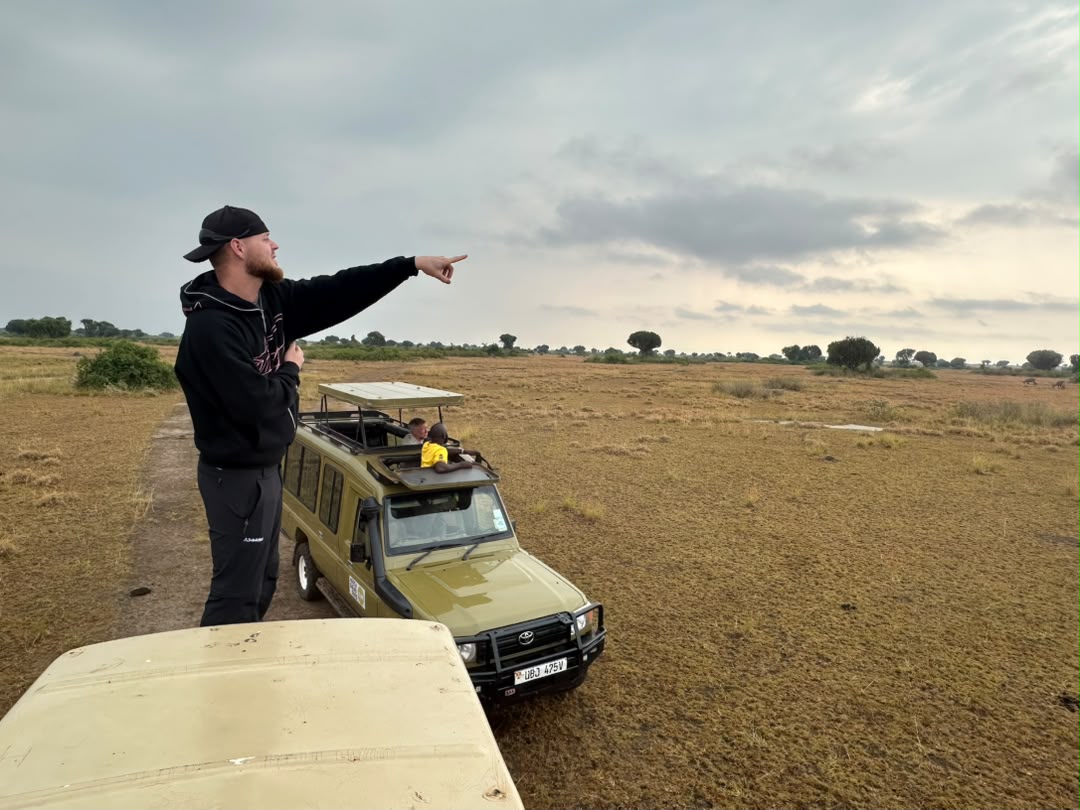
What you do: Lead visitors on game drives, gorilla and chimpanzee treks, nature walks, city tours and cultural visits. In Uganda, most guides are driver-guides who drive the safari vehicle and guide at the same time.
Who it suits: People who love nature, wildlife, culture and the outdoors; enjoy storytelling; are physically fit; and don’t mind long days and travel.
Recommended course: Tour Guiding & Driving (about 4 months) or the longer Driving & Tour Guiding programme (1–2 years). Driver-guides manage entire trips like the 5-Day Short Uganda Gorilla Trekking Safari by road. Learn more in our guides to the best tour guiding courses in Uganda and how to become a tour driver in Uganda.
Career Path 2: Tour Consultant and Tourism Operations
What you do: Respond to client enquiries, design itineraries, cost trips, book permits and lodges, coordinate guides and vehicles, and manage trips from the office.
Who it suits: Organised people who enjoy planning, writing, numbers and selling, and who prefer an office-based routine with a strong connection to travel.
Recommended course: Tourism Operations (about 4 months), progressing to Tours & Travel Management (1–2 years). Students study real products such as the 3-Day Uganda Gorillas Safari and multi-country trips like tours combining Uganda and Rwanda. Read about the tour consultant course in Africa.
Career Path 3: Hotel and Hospitality
What you do: Welcome and serve guests in hotels, lodges, resorts and restaurants through front office, housekeeping, food and beverage and, later, management roles.
Who it suits: Warm, patient, well-groomed people who love making others feel comfortable, work well in teams and can stay calm under pressure.
Recommended course: Hotel Management and Hospitality (about 5 months, with longer options) or Tourism & Hospitality (about 4 months). Learn more in our guide to hospitality management courses in Uganda.
Career Path 4: Air Ticketing and Travel Agency Work
What you do: Search and book flights, issue tickets, manage changes and refunds, and advise travellers on routes and travel documents.
Who it suits: Detail-oriented people who are comfortable with computers, enjoy problem solving and prefer a fast, focused route into an office job.
Recommended course: Air-Ticketing Training (about 2 months), often combined with Tourism Operations for broader travel agency work.
Career Path 5: Tourism Marketing and Digital Sales
What you do: Promote tours and hotels online through websites, social media, content, photography, video, adverts and review management.
Who it suits: Creative, tech-savvy people who enjoy writing, design or social media and want to work behind the scenes of tourism businesses.
Recommended course: Digital Marketing (about 4 months), ideally combined with a tourism course so you understand the products you are selling. See also our short course in marketing in Uganda.
Career Path 6: Ecotourism and Community Tourism
What you do: Develop and manage responsible tourism experiences that support conservation and local communities, such as cultural visits, community walks and conservation education.
Who it suits: People who care deeply about nature, communities and sustainability.
Recommended route: A tour guiding or tourism operations course, combined with a focus on responsible tourism. Community-focused trips like the best safaris in Western Uganda with cultural tours show this path in action. Read more about ecotourism and sustainable development courses in Uganda.
Career Path 7: Tourism Entrepreneur
What you do: Run your own tour company, guesthouse, restaurant, car hire business or travel agency.
Who it suits: Self-motivated people who enjoy taking initiative, managing money and leading teams.
Recommended route: Tours & Travel Management or Hotel Management, combined with Business Administration and practical industry experience. Read what is needed to start a tour company in Uganda, and consider KCI business consultation when you are ready to start.
Step 3: Consider Your Education Level and Entry Requirements
Your current education affects which programmes you can join. At KCI Institute, most short courses accept students who have completed S4, while longer programmes may require S6 or a relevant certificate. University graduates and working professionals are also welcome to join short courses to gain practical skills. If you have just completed secondary school, read can I study tourism after S4 in Uganda.
Step 4: Decide How Much Time You Can Invest
Think about how quickly you want or need to start working:
- Need to work soon? Choose a short course of two to five months, such as Tour Guiding & Driving, Tourism Operations, Hotel Management and Hospitality or Air Ticketing.
- Want deeper qualifications? Choose a one- to two-year programme such as Tours & Travel Management or Driving & Tour Guiding.
- Already working? Choose flexible or online learning options and short add-on courses.
Many successful professionals start with a short course, gain experience and then upgrade later. Our article on how long it takes to study a tourism course compares the options.
Step 5: Plan Your Budget
Course fees vary by programme and length. When budgeting, include tuition, examination fees, field trips, uniforms, learning materials, transport and, for driving courses, permit costs. Ask about instalment options so you can spread payments. Read tourism course fees in Uganda: what to budget for, and see current figures on the official KCI fee structure.
Step 6: Look at Job Demand
Choose a course that leads to jobs employers actually need. In Uganda, driver-guides, tour consultants, hotel front office and food and beverage staff, and digital marketers are consistently in demand. Guides who speak foreign languages are especially sought after. Our guide to marketable tourism courses in Uganda explains which programmes offer the strongest job prospects.
Step 7: Think About Your Long-Term Goals
Where do you want to be in five or ten years? A senior safari guide? A hotel manager? The owner of a tour company? Working abroad? Your long-term goal should guide your first course. For example, a future tour company owner benefits from starting with Tourism Operations, while a future hotel manager should start with Hotel Management and Hospitality. Choose a first course that builds toward your bigger dream. It can help to write your goal down, list the skills needed to reach it, and then pick the course that covers the most important of those skills first. You can always add the remaining skills step by step as your career grows.
Quick Course Matching Guide
Use this summary to match your interests with a KCI Institute programme:
- “I love wildlife and the outdoors.” Tour Guiding & Driving
- “I want to plan and sell safaris.” Tourism Operations, then Tours & Travel Management
- “I love welcoming and serving guests.” Hotel Management and Hospitality
- “I want flexibility between hotels and tours.” Tourism & Hospitality
- “I want a fast, focused office skill.” Air-Ticketing Training
- “I’m creative and love social media.” Digital Marketing plus a tourism course
- “I want my own business.” Tours & Travel Management or Hotel Management plus Business Administration
- “I want to work with international clients.” Any tourism course plus a foreign language
See full programme details on our courses page and on the KCI Institute UVTAB courses page.
The Power of Combining Courses
One of the smartest strategies is to combine a main tourism course with a supporting skill. Combinations make you more versatile and more valuable to employers. Popular combinations at KCI Institute include:
- Tour Guiding & Driving + a foreign language: Opens doors to higher-paying international clients. Add a language through the KCI language courses.
- Tourism Operations + Air Ticketing: Ideal for full-service travel agency roles.
- Hotel Management + Digital Marketing: Prepares you for hotel sales and online reservations roles.
- Tours & Travel Management + Business Administration: A strong foundation for entrepreneurs.
- Tour Guiding & Driving + Defensive Driving: Makes you a safer, more trusted driver-guide.
Common Mistakes When Choosing a Tourism Course
- Following friends instead of your interests: A course that suits a friend may not suit you.
- Choosing only on price: A cheap course without practical training or recognised certification can cost you job opportunities.
- Ignoring your personality: If you dislike long trips, full-time safari guiding may not suit you, while operations might.
- Not checking the certificate: Make sure the course is properly assessed. KCI Institute programmes are assessed by UVTAB.
- Overlooking practical training: Field trips and internships are where you build real skills.
- Not asking for advice: Talk to admissions staff, trainers and people working in the industry before deciding.
Questions to Ask Before You Enrol
Once you have a course in mind, ask the institute these questions to confirm it is the right fit:
- What topics does the course cover, and how much of it is practical?
- How many field trips are included, and where do they go?
- Who assesses the course, and what certificate will I receive?
- What experience do the trainers have in this area of tourism?
- Is an internship included, and where do students usually go?
- What jobs have recent graduates of this course found?
- What is the total cost, and can I pay in instalments?
- Can I add another course, such as a language, later?
Clear, confident answers to these questions are a good sign that the course will prepare you well.
Signs You Have Chosen the Right Course
How do you know you have made a good choice? Early in your studies, you will notice that you look forward to classes, ask lots of questions, enjoy practical sessions and field trips, and can easily picture yourself doing the job after graduation. You may even start reading about the subject in your free time. If instead you feel bored or uncomfortable with the core activities of the course, speak to your trainers early. Tourism skills overlap, and it is often possible to adjust your path or add a different short course without losing what you have already learned.
Why Practical Training Should Be Part of Your Decision
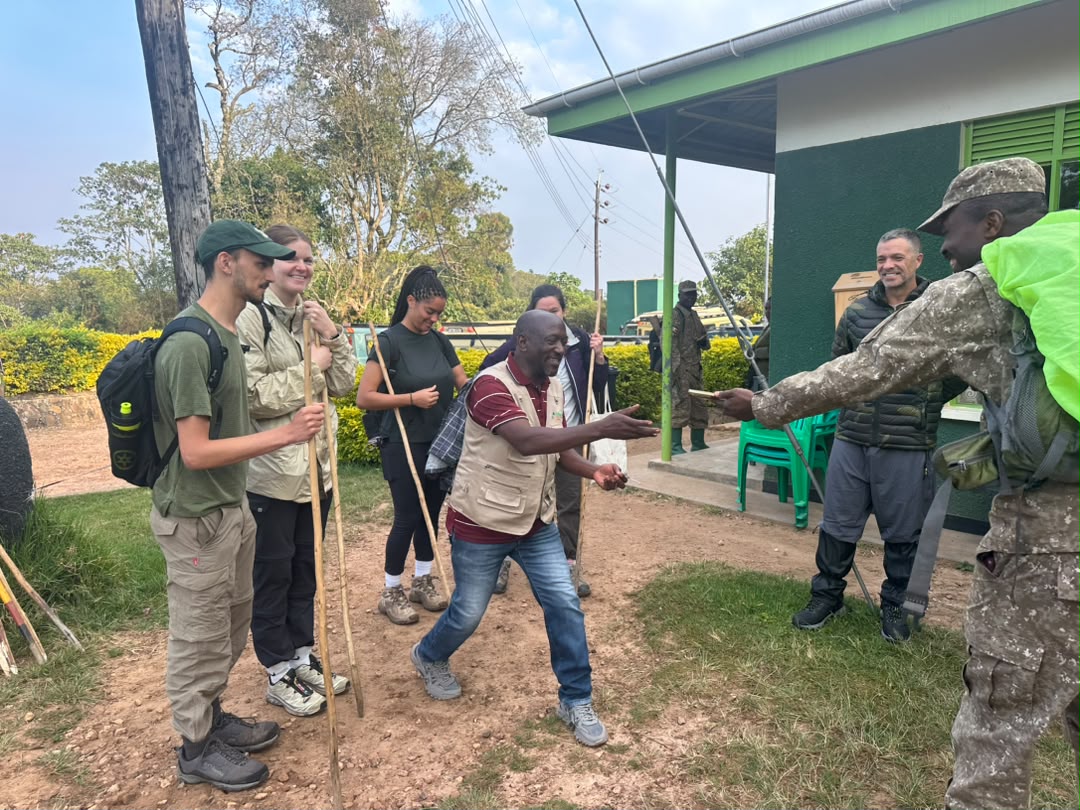
Whichever course you choose, make sure it includes hands-on learning. Tourism employers value practical ability above everything else. At KCI Institute, students go on field trips to parks, forests, cultural sites and hotels, practise guiding, service and itinerary planning, and complete internships with tour operators, hotels and lodges. Read more about internships and practical experience in tourism courses.
Why Study at KCI Institute?
KCI Institute, home of Uganda Tourism Institute, is a career-focused training provider established in 2009 on Gayaza Road, Kampala. Students choose us because we offer:
- UVTAB-assessed, nationally recognised certificates.
- A full range of tourism and hospitality programmes, so you can find the right course and add skills over time.
- Practical, field-based training with experienced trainers.
- A direct link to a working safari company, Kenlink Tours, giving students real insight into how tourism businesses operate.
- Flexible study options with in-person and online learning and several intakes a year.
- Career support, including internships and job opportunities shared through the KCI Institute job opportunities page.
- Free course guidance from our admissions team to help you choose the right programme.
Learn more on our About Us page, read why students call us the best tourism institute in Uganda, or see KCI Institute courses, fees and how to enroll.
Real-Life Examples: Matching Students to Courses
Here are a few typical student profiles and the courses that suit them:
- Grace, an S4 leaver who loves animals and adventure, chooses Tour Guiding & Driving and adds French. She plans to become a primate guide.
- David, an S6 leaver who is good with numbers and computers, chooses Tourism Operations and Air Ticketing to work as a tour consultant in Kampala.
- Sarah, a friendly and organised waitress, chooses Hotel Management and Hospitality to gain a certificate and move into a supervisor role.
- Brian, a university graduate in business, chooses Tours & Travel Management to prepare for starting his own tour company.
- Esther, who loves photography and social media, combines Digital Marketing with Tourism & Hospitality to work in tourism marketing.
These are illustrative examples to help you think about your own choice.
What Happens After You Graduate?
Completing your course is the beginning of your career, not the end of your learning. Most graduates start with entry-level roles such as junior guide, reservations assistant, receptionist or waiter, then grow quickly by working hard, collecting good reviews and adding new skills. Within a few years, many move into senior guide, consultant, supervisor or operations roles, and some go on to start their own businesses.
To keep growing, stay in touch with your trainers and classmates, join professional associations, attend refresher courses and keep reading about the industry. The right first course gives you a strong foundation; your continued effort builds the career on top of it.
How to Get Started
- Reflect on your interests and goals using the questions in this guide.
- Shortlist one or two courses from our courses page.
- Talk to our admissions team on +256 789 210 067 for free course guidance.
- Check the next intake on our intakes page.
- Apply online via our Apply Now page or submit your application on the KCI website.
For tips on succeeding once you start, read how to learn tourism courses in Uganda.
Frequently Asked Questions
Which tourism course is best for me?
The best course depends on your interests and goals. If you love the outdoors, choose tour guiding and driving; if you enjoy planning, choose tourism operations; if you love serving guests, choose hotel management; and if you want a quick office skill, choose air ticketing.
Which tourism course has the most job opportunities in Uganda?
Tour guiding and driving, tourism operations, hotel management and digital marketing all have strong demand. Guides who also speak a foreign language are especially sought after.
Can I take more than one course?
Yes. Many students combine a main tourism course with a supporting skill, such as a language, air ticketing, digital marketing or business administration.
Can I change my career path later?
Yes. Tourism skills overlap, and many professionals move between guiding, operations and hospitality. Short courses make it easy to add new skills as your goals change.
Does KCI Institute help me choose a course?
Yes. Our admissions team offers free guidance to help you choose the programme that best fits your interests, education, budget and career goals.
Take the First Step Toward Your Tourism Career
Choosing the right tourism course is about understanding yourself, exploring your options and picking a programme that leads to work you will love. With the right course, practical training and a positive attitude, you can build a rewarding career in guiding, hospitality, operations, marketing or business.
Let us help you choose. Explore our tourism courses, apply now, or call us on +256 789 210 067. For more career advice, visit the Uganda Tourism Institute blog.