
Tourism job opportunities in Uganda have never been more exciting. Every year, travellers from across the world arrive in the Pearl of Africa to track mountain gorillas in Bwindi, watch tree-climbing lions in Queen Elizabeth National Park, raft the Nile in Jinja, and experience the warm culture of more than fifty ethnic communities. Behind every one of those unforgettable trips is a team of skilled people: guides, drivers, reservation officers, hotel staff, marketers, chefs, conservationists and tour operators. If you are passionate about travel, people and nature, a career in tourism can give you a stable income, the chance to travel, and the pride of showing the world what Uganda has to offer.
In this complete guide, we look at the most in-demand tourism jobs in Uganda, the skills employers want, where the jobs are, how much training you need, and the practical steps you can take today to get hired. Whether you have just completed S4 or S6, are a university graduate looking for a change, or are already working and want to upgrade your skills, this article will show you a clear path into one of the fastest-growing sectors in East Africa.
Why Choose a Career in Uganda’s Tourism Industry?
Tourism is one of Uganda’s leading foreign exchange earners, and the government continues to invest in roads, airports, marketing and conservation to attract more visitors. That investment creates jobs at every level, from entry-level roles in lodges to management positions in international tour companies. Here are a few reasons young Ugandans are choosing tourism careers:
- Rich natural attractions: Uganda has ten national parks, the source of the Nile, the Rwenzori Mountains, crater lakes and more than 1,000 bird species. Each attraction needs trained people to manage and guide visitors.
- Growing regional travel: Many visitors combine Uganda with Rwanda, Kenya and Tanzania, which opens doors for guides and consultants who understand East Africa as a whole.
- Short training periods: Unlike many professions, you can qualify for several tourism jobs in just a few months through practical, certified short courses.
- Self-employment potential: Tourism is one of the easiest industries in which to start your own business, from a small tour company to a craft shop or homestay.
- International exposure: You meet people from every continent, learn new languages and build connections that can lead to work abroad.
If you are still deciding whether this field is right for you, read our guide on tour guiding as a profession in Africa to understand what the work really involves day to day.
Top Tourism Job Opportunities in Uganda
The tourism and hospitality sector is wide. Below are the most common and best-paying career paths, what each job involves, and the training that will help you qualify.
1. Tour Guide and Safari Guide
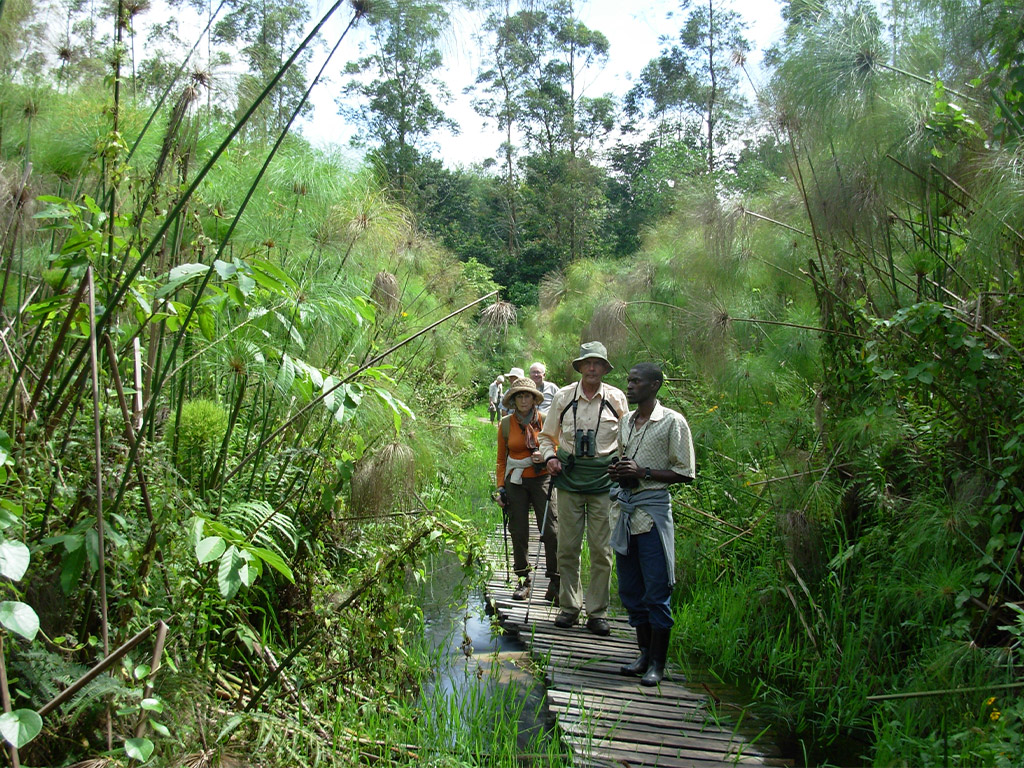
Tour guides are the face of Uganda’s tourism industry. A guide leads visitors through national parks, cultural sites, city tours and forest walks, explaining wildlife behaviour, history and local customs. Specialist guides focus on birding, primates, mountain hiking or cultural heritage. A great guide combines strong knowledge, excellent communication, a calm personality and a genuine love for people.
Most tour companies prefer guides with a recognised certificate in tour guiding plus practical field experience. Our article on the best tour guiding courses in Uganda explains which programmes employers trust, while how can I become a good tour guide shares the habits that separate average guides from those who receive five-star reviews and repeat clients.
2. Safari Driver-Guide
In Uganda, most safaris are done by road in 4×4 vehicles, and the person behind the wheel is usually both the driver and the guide. Driver-guides are among the most sought-after employees in the industry because they combine two skills: safe, professional driving on all kinds of roads, and the ability to spot and interpret wildlife. They also handle logistics such as park entry, lodge check-ins and timing for activities like gorilla trekking.
To work as a driver-guide you need a valid driving permit, defensive driving skills, basic vehicle mechanics and solid guiding knowledge. Tour companies such as Kenlink Tours rely on professional driver-guides to deliver multi-day trips like the 5-Day Short Uganda Gorilla Trekking Safari by road, where the guide spends every day with the clients. Learn the full process in our step-by-step guide on how to become a tour driver in Uganda.
3. Tour Consultant and Travel Agent
Tour consultants work in the office, but they are the engine of every tour company. They respond to client enquiries, design itineraries, calculate costs, book gorilla and chimpanzee permits, reserve lodges and follow up until the client pays and travels. A good consultant knows the geography of Uganda and its neighbours very well, writes clear and persuasive emails, and understands pricing.
Consultants who can plan cross-border trips are especially valuable. For example, packages such as tours combining Uganda and Rwanda require knowledge of border crossings, permit availability in both countries and realistic driving times. If this office-based role interests you, see our detailed overview of the tour consultant course in Africa.
4. Air Ticketing and Reservations Officer
Airlines, travel agencies and corporate travel offices need staff who can search fares, issue tickets, handle changes and refunds, and advise travellers on visas and travel documents. Air ticketing is a technical skill that uses Global Distribution Systems (GDS), and it is one of the quickest tourism qualifications to complete. Graduates work in travel agencies in Kampala and Entebbe, airline offices, hotels and NGOs that manage staff travel.
5. Hotel and Lodge Management
Every tourist needs a place to stay, and Uganda’s accommodation sector ranges from budget guesthouses to luxury safari lodges inside national parks. Managers oversee staff, budgets, guest satisfaction, supplies and marketing. Supervisory roles include front office manager, housekeeping supervisor, food and beverage manager and lodge manager.
Management roles usually require a certificate or diploma in hotel management combined with experience. Our guide to hospitality management courses in Uganda explains which programmes prepare you for supervisory and management positions.
6. Front Office, Housekeeping and Food & Beverage Staff
These are the entry points into hospitality careers and they employ the largest number of people. Receptionists welcome guests and manage bookings; housekeepers keep rooms spotless; waiters, bartenders and chefs deliver the dining experience that guests remember. Many hotel managers in Uganda started their careers as receptionists or waiters and grew through hard work and further training.
7. Tourism Marketing and Digital Content Specialist
Today most travellers find and book their safaris online. Tour companies, hotels and destination agencies therefore need people who can manage websites, write blog content, run social media, take great photos and videos, and manage online reviews and adverts. Digital marketing is one of the fastest-growing tourism careers, and it is ideal for young people who are creative and comfortable with technology. You can build the foundation with a short course in marketing in Uganda and then specialise in travel content.
8. Tour Operations Manager
Operations managers make sure every booked trip runs smoothly. They assign guides and vehicles, confirm accommodation, monitor budgets, handle emergencies on the road and keep clients updated. This role is usually filled by people who have worked as guides or consultants for some years, so it is a natural next step in a tourism career. A formal qualification in tours and travel management will speed up your promotion.
9. Ecotourism, Conservation and Community Tourism Officer
Uganda’s tourism depends on healthy ecosystems and supportive local communities. Conservation organisations, wildlife agencies, NGOs and responsible tour companies employ officers to run community tourism projects, monitor wildlife, train local guides and manage revenue-sharing programmes. Community tourism also creates jobs around parks, for example in cultural village experiences and craft cooperatives. Companies that design trips such as the best safaris in Western Uganda with cultural tours work closely with community guides, dancers and craft makers. To prepare for this growing field, read about ecotourism and sustainable development courses in Uganda.
10. Events, Conferences and MICE Coordinator
MICE stands for Meetings, Incentives, Conferences and Exhibitions. Kampala, Entebbe and Munyonyo regularly host regional summits, business conferences and weddings, which bring in large numbers of visitors. Event coordinators plan venues, transport, accommodation, catering and excursions. This career suits organised people who enjoy working under pressure and dealing with many suppliers at once.
11. Tourism Entrepreneur
Many of Uganda’s most successful tour companies were started by former guides and drivers who understood the industry from the ground up. Entrepreneurship can include running a tour company, a car hire business for self-drive safaris, a homestay, a travel blog, a souvenir shop or a booking agency. Starting a business requires registration, licensing, insurance, marketing and good financial management. Our guide on what is needed to start a tour company in Uganda walks you through the requirements step by step.
Where Are the Tourism Jobs in Uganda?
Knowing where employers are located helps you focus your job search. The main employers of tourism graduates include:
- Tour and travel companies: Most are based in Kampala and Entebbe and employ guides, drivers, consultants and marketers.
- Hotels, lodges and resorts: Found in cities and around national parks such as Bwindi, Queen Elizabeth, Murchison Falls, Kibale and Lake Mburo, as well as in Jinja and around Lake Bunyonyi.
- Airlines and travel agencies: Employ ticketing and reservations staff, cabin crew and ground handling teams, mainly in Entebbe and Kampala.
- Government agencies: Institutions in the tourism, wildlife and heritage sector hire rangers, tourism officers, researchers and marketing staff.
- Conservation NGOs and community projects: Employ ecotourism officers, community guides and project coordinators.
- Adventure activity operators: White-water rafting, bungee jumping, kayaking, hiking and boat cruise companies need trained guides and safety staff.
- Training institutions: Experienced professionals can become trainers and share their knowledge with the next generation.
Job openings are often shared through company websites, professional networks, social media and institutional notice boards. Students and graduates can also check current openings on the KCI Institute job opportunities page, where partner employers post vacancies.
Key Skills Employers Look for in Tourism Workers
Employers in Uganda’s tourism industry consistently say that a certificate alone is not enough. They want people who can deliver an excellent experience to guests. The most valued skills include:
- Customer care: The ability to make guests feel welcome, safe and valued at all times. Our article on how to make your clients happy on a safari gives practical examples.
- Communication and languages: Fluent English is essential. A second language such as French, German, Spanish or Chinese can make you far more employable, especially as a guide.
- Destination knowledge: Wildlife, birds, plants, geography, history and culture of Uganda and East Africa.
- Problem solving: Vehicles break down, flights get delayed and weather changes plans. Calm, quick thinking is priceless.
- Digital skills: Email, booking systems, social media and basic computer use are expected in almost every role.
- Professionalism and integrity: Punctuality, honesty, good grooming and respect for clients, colleagues and wildlife.
- First aid and safety awareness: Especially important for guides, drivers and adventure activity staff.
If you want to add a foreign language to your profile, explore the KCI language courses, which are designed with tourism professionals in mind.
How to Qualify: Tourism Courses That Lead to Jobs
The fastest route into tourism employment is a practical, recognised course that combines classroom learning with fieldwork. At Uganda Tourism Institute, programmes are assessed under UVTAB (Uganda Vocational and Technical Assessment Board), so students graduate with nationally recognised certificates. Short courses run for about one to five months, while longer certificate and diploma programmes take one to two years. Popular options include:
- Tour Guiding & Driving – prepares you for driver-guide jobs.
- Tourism Operations – covers itinerary planning, reservations and tour management.
- Air-Ticketing Training – a short, focused course for travel agency and airline work.
- Tourism & Hospitality – a broad foundation for both hotel and tour careers.
- Hotel Management and Hospitality – for front office, housekeeping, food and beverage and supervisory roles.
- Digital Marketing – for tourism marketing and online sales roles.
- Tours & Travel Management – a longer programme for those aiming at management and business ownership.
See the full list of programmes and durations on our courses page, and check the next start dates on the intakes page. If you are not sure which programme fits your goals, read our guide to marketable tourism courses in Uganda. You can also compare programmes on the KCI Institute UVTAB courses page.
Cost is an important part of planning. Our breakdown of tourism course fees in Uganda and what to budget for covers tuition, field trips, uniforms and other costs, and you can view the official KCI fee structure for current figures.
Can You Join Tourism After S4 or S6?
Yes. One of the biggest advantages of tourism is that you do not need a university degree to begin. Many certificate and short courses accept students who have completed S4, while diploma programmes usually require S6 or an equivalent qualification. This means a young person can start training immediately after secondary school and be ready for work within months. For details on entry requirements and the best path for each level, read can I study tourism after S4 in Uganda, and review the general admission requirements.
University graduates from other fields, such as business, environmental science or languages, also move into tourism successfully. A short professional course in guiding, ticketing or tour operations quickly gives them the practical skills employers want.
The Importance of Internships and Practical Experience
Experience is the number one thing employers check after qualifications. A strong internship lets you practise real tasks, build confidence and, most importantly, meet people who can hire you. Many tourism students in Uganda receive job offers from the same company where they did their internship.
During your training, take every field trip seriously. Learn the names of birds and trees, observe how experienced guides speak to clients, ask questions at lodges and volunteer to help with logistics. Field visits to parks where companies run trips such as the 3-Day Uganda Gorillas Safari give you a direct view of how professional tour operations work, from permit briefings to client care on the trail. Learn more in our article on internships and practical experience in tourism courses.
Freelancing, Seasonal Work and Side Income
Not every tourism job is a permanent office position. Uganda’s tourism has peak seasons, mainly in the drier months of June to September and December to February, when demand for guides and drivers increases sharply. Many professionals work as freelancers, joining different companies on a trip-by-trip basis. Freelancing can pay well, especially for guides who speak foreign languages or have specialist skills in birding or primates.
Other side-income options include photography for tour companies, writing travel content, translating, renting out safari equipment and providing airport transfers. Building a good reputation and collecting positive reviews from clients is the key to steady freelance work.
Practical Tips to Land Your First Tourism Job in Uganda
Once you have the training, use these proven steps to stand out from other applicants:
- Choose a specialisation. Decide whether you want to be a guide, consultant, ticketing officer or hotel professional, and build your skills around that role.
- Get certified. A recognised certificate shows employers that you have met national standards. You can apply now for the next intake and start building your qualifications.
- Write a strong CV. Highlight your training, field trips, internship, languages, driving permit and any customer service experience.
- Build an online presence. A professional LinkedIn or Facebook profile with photos from field trips and a summary of your skills helps employers find you.
- Network actively. Attend tourism expos, join professional associations and stay in touch with trainers and classmates. Many jobs are filled through referrals.
- Keep learning. Add first aid, a foreign language or digital marketing to your profile. Every extra skill increases your value.
- Be ready to start small. Accept entry-level roles or assistant positions. Hard work and good reviews lead to promotion quickly in this industry.
Challenges in the Tourism Job Market and How to Overcome Them
Like any career, tourism has its challenges. Being aware of them helps you plan wisely:
- Seasonality: Income can fall in the low season. Save during peak months and develop a second skill, such as digital marketing or ticketing, that provides year-round work.
- Competition: Many people want guiding jobs. Stand out through specialisation, languages and excellent client reviews.
- Global shocks: Pandemics and travel advisories can reduce tourist numbers. Diversify by serving domestic and regional tourists, who form a growing market.
- Long hours and travel: Guides and drivers spend days away from home. Strong time management and a supportive network help you maintain balance.
The good news is that people with solid training and a professional attitude rarely stay unemployed for long. Uganda’s tourism industry is still growing, and quality staff are always in demand.
Why Train with Uganda Tourism Institute?
Choosing the right school can make the difference between struggling to find work and getting hired quickly. Uganda Tourism Institute, part of the KCI Institute family based on Gayaza Road in Kampala, focuses on hands-on, career-oriented training. Our students benefit from:
- UVTAB-assessed, nationally recognised certificates and diplomas.
- Experienced trainers drawn from the tourism and hospitality industry.
- Practical field trips to national parks, hotels and tourism sites.
- Flexible learning options, including in-person and online study.
- Strong links with tour operators and hotels for internships and job placement.
- Short courses that get you job-ready in months, not years.
Learn more about our story and mission on the About Us page, or read why many students consider us the best tourism institute in Uganda.
Frequently Asked Questions About Tourism Jobs in Uganda
What are the most in-demand tourism jobs in Uganda?
Safari driver-guides, tour guides, tour consultants, air ticketing officers, hotel front office staff and digital marketing specialists are among the most in-demand roles. Guides who speak foreign languages are particularly sought after.
How long does it take to qualify for a tourism job?
Many short courses take between two and five months, so you can be ready for an entry-level role in less than half a year. Diplomas and longer certificate programmes take one to two years and prepare you for supervisory and management positions.
Do I need a degree to work in tourism in Uganda?
No. Most entry-level and mid-level tourism jobs require a recognised certificate or diploma plus practical experience. Degrees can help for senior management, research and government positions.
Can I work in tourism outside Uganda after training?
Yes. Skills such as guiding, hospitality and air ticketing are transferable. Many Ugandan tourism professionals work in Rwanda, Kenya, Tanzania, the Middle East and beyond, especially after gaining a few years of local experience.
Is tourism a good career for women?
Absolutely. Women work successfully as guides, driver-guides, consultants, hotel managers, marketers and business owners across Uganda. Many tour companies actively seek female guides because some clients prefer them.
Start Your Tourism Career Today
The range of tourism job opportunities in Uganda is wide and keeps growing, from guiding visitors to the mountain gorillas to managing luxury lodges, selling safaris online or running your own tour company. What all successful tourism professionals have in common is quality training, practical experience and a passion for serving people.
Your journey can start with one decision. Explore our tourism courses, pick the next intake that works for you and apply for admission today. For more career advice, keep reading the Uganda Tourism Institute blog, or call us on +256 789 210 067. Uganda’s tourism industry needs skilled, confident professionals, and your place in it is waiting.