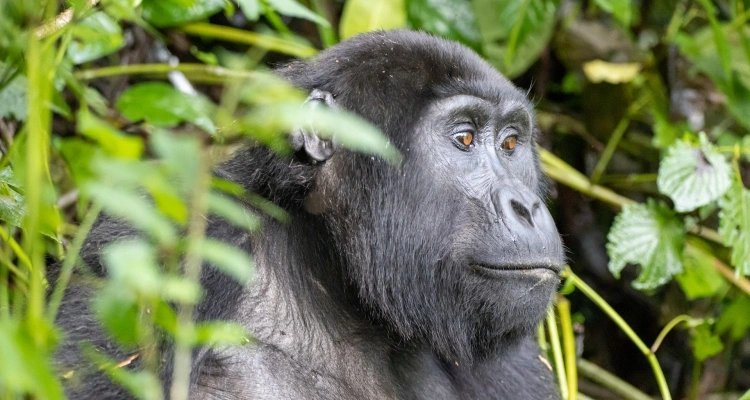

What is needed to become a tourist guide. Imagine earning a living by showing travellers the mountain gorillas of Bwindi, the roaring Murchison Falls, the tree-climbing lions of Ishasha and the vibrant streets of Kampala. For many young Ugandans, becoming a tourist guide is a dream career that combines travel, nature, culture and people. But what exactly is needed to become a tourist guide? Do you need a degree? Must you know how to drive? Which certificate do employers trust? And how do you get that first job?
This guide answers all of those questions. We explain what is needed to become a tourist guide in Uganda, including education, training, certification, licences, skills, personal qualities and the practical steps that will take you from the classroom to leading your first safari. Whether you have just finished S4 or S6, are a graduate looking for a new direction, or already work in tourism, this checklist will help you plan your path.
What Does a Tourist Guide Do?
Before looking at requirements, it helps to understand the job. A tourist guide leads visitors through attractions and explains what they are seeing. In Uganda, guides work in many settings:
- Safari guides lead game drives and multi-day trips through national parks.
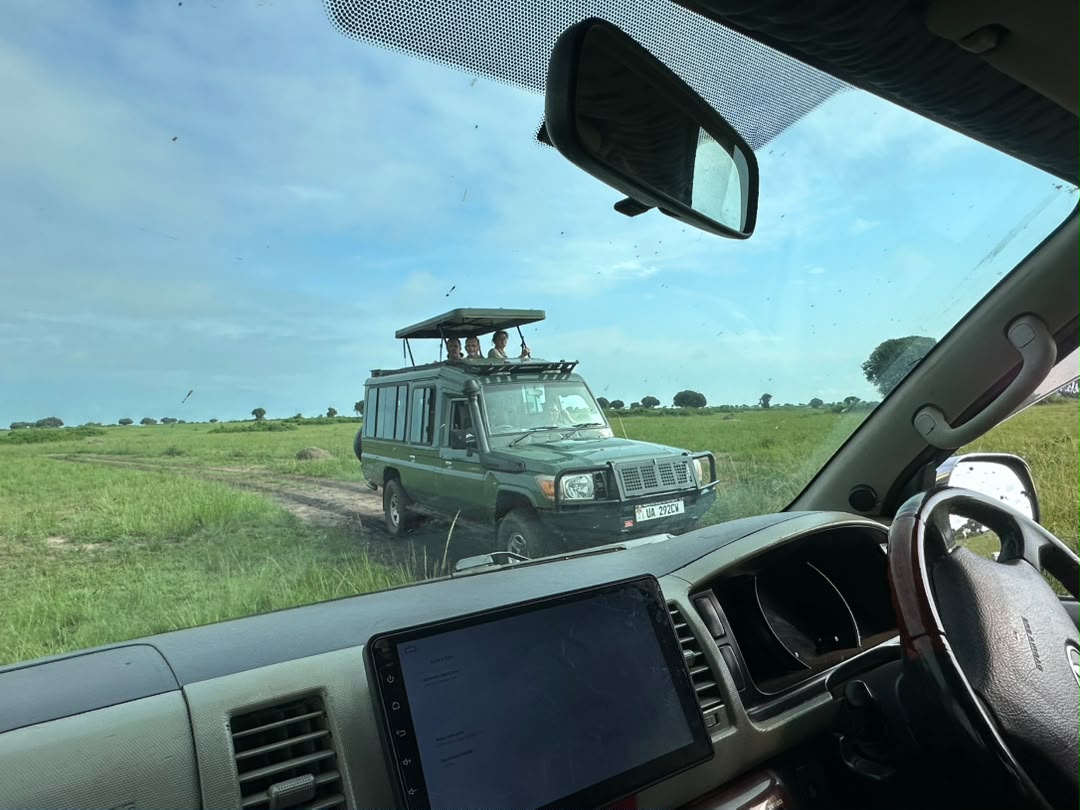
- Driver-guides drive the safari vehicle and guide clients at the same time, the most common role in Uganda.
- Primate guides specialise in gorilla, chimpanzee and golden monkey experiences.
- Birding guides help bird watchers find and identify Uganda’s many bird species.
- City and cultural guides show visitors historical sites, markets, kingdoms and communities.
- Adventure guides lead hiking, mountaineering, rafting and kayaking activities.
A guide’s responsibilities go beyond giving information. Guides keep clients safe, manage time, solve problems, coordinate with lodges and park staff, and make sure the whole trip is enjoyable. For a full picture of the career, read our article on tour guiding as a profession in Africa.
Requirement 1: A Basic Education
The good news is that you do not need a university degree to become a tourist guide in Uganda. Most tour guiding training programmes accept students who have completed S4, and longer certificate or diploma programmes may require S6 or an equivalent qualification. What matters most is that you can read, write and speak well, learn quickly and understand basic geography, history and science.
Subjects such as English, geography, biology, history and literature give you a helpful foundation, but they are not strictly required. If you are unsure whether your results qualify, read our guide on can I study tourism after S4 in Uganda, and check the general admission requirements.
Requirement 2: Professional Tour Guiding Training
Professional training is the single most important step. While some people learn on the job, most reputable tour companies now prefer guides who have completed a recognised course, because trained guides deliver better experiences and receive better reviews. A good tour guiding course covers:
- Uganda’s national parks, reserves, cultural sites and attractions.
- Identification of mammals, primates, birds, reptiles and plants.
- Uganda’s history, cultures, kingdoms and traditions.
- Guiding techniques, commentary and storytelling.
- Customer care and group management.
- Gorilla and chimpanzee trekking procedures and park rules.
- Safety, first aid and emergency handling.
- Responsible tourism and conservation.
- Basic tour operations, itineraries and logistics.
At Uganda Tourism Institute, our Tour Guiding & Driving short course takes about four months, and we also offer a longer Driving & Tour Guiding programme of one to two years. Learn more about the content in our post on the tour guiding course in Uganda, and compare options in our review of the best tour guiding courses in Uganda.
Requirement 3: A Recognised Certificate
Employers want proof that you have been trained and assessed to a national standard. In Uganda, vocational programmes such as tour guiding are assessed by UVTAB (Uganda Vocational and Technical Assessment Board). A UVTAB-assessed certificate shows that you passed an independent examination, not just a school test, and it is respected by tour operators, lodges and other employers.
When choosing a school, always ask who assesses the course and what certificate you will receive. A certificate that employers do not recognise can waste your time and money. You can see our UVTAB-assessed programmes on our courses page and on the KCI Institute UVTAB courses page.
Requirement 4: A Valid Driving Permit (for Driver-Guides)
Most safaris in Uganda are done by road in 4×4 vehicles, and the majority of guides are driver-guides. If you want the widest range of job opportunities, learning to drive professionally is essential. To work as a driver-guide you will need:
- A valid Ugandan driving permit for the class of vehicle you will drive.
- Defensive driving skills for long distances, rough roads and wildlife areas.
- Basic vehicle mechanics so you can handle simple breakdowns and checks.
- Knowledge of main safari routes and realistic driving times.
Driver-guides spend whole trips with their clients. On a typical itinerary such as the 5-Day Short Uganda Gorilla Trekking Safari by road, the driver-guide handles the drive from Kampala to Bwindi, wildlife viewing on the way, lodge check-ins and support on trekking day. Read our step-by-step guide on how to become a tour driver in Uganda.
Requirement 5: Strong Communication and Language Skills
Guiding is a communication job. You need fluent spoken English so that international clients understand you easily, and you should be confident speaking to groups. Clear, friendly communication helps clients feel safe and builds the trust that leads to good reviews and tips.
A second international language gives you a major advantage. Guides who speak French, German, Spanish, Italian or Chinese are in high demand because there are fewer of them, and companies often pay them more. You can add a language through the KCI language courses. Knowing several local languages also helps when interacting with communities on cultural tours.
Requirement 6: Deep Knowledge of Uganda
Clients expect their guide to answer questions about almost everything they see. To become a respected guide, you need to know:
- Wildlife: Names, behaviour, diet and conservation status of animals in each park.
- Birds: Common and special species, their calls and where to find them.
- Plants: Trees, shrubs and medicinal plants, especially in forests.
- Geography: The Albertine Rift, the Rwenzori Mountains, crater lakes, the Nile and the Great Lakes.
- History and culture: Kingdoms, colonial history, independence and the traditions of different ethnic groups.
- Current affairs: Conservation projects, park rules, permit prices and tourism developments.
Cultural knowledge is especially valuable on trips that combine wildlife with community experiences, such as the best safaris in Western Uganda with cultural tours, where guides introduce clients to the Batwa, local farmers and craft makers.
Requirement 7: First Aid and Safety Training
Guides often work far from hospitals, so first aid knowledge is essential. You should know how to handle cuts, sprains, dehydration, heat exhaustion, allergic reactions and other common situations, and how to respond in more serious emergencies until help arrives. You also need to know safety rules for wildlife encounters, boat trips, forest treks and road travel. Many employers prefer guides with a current first aid certificate.
Requirement 8: Physical Fitness
Guiding can be physically demanding. Gorilla treks may last several hours through steep, muddy forest; mountain hikes require stamina; and driver-guides sit behind the wheel for long distances. You do not need to be an athlete, but good health, endurance and the ability to walk long distances are important. Keeping fit also sets a good example for clients who may be nervous about strenuous activities. Simple habits such as regular walking, jogging, stretching, eating well and getting enough rest will help you stay energetic through busy safari seasons and long trekking days.
Requirement 9: Customer Care and Professionalism
A guide’s success depends on how clients feel at the end of the trip. You must be friendly, patient, punctual, well groomed and respectful at all times. Professional guides listen to clients, anticipate their needs and handle complaints calmly. Our article on how to make your clients happy on a safari shares practical techniques used by top guides.
Requirement 10: Practical Field Experience
Employers prefer guides who have already practised in the field. Field trips during training, internships with tour companies and volunteering with conservation or community projects all count as valuable experience. The more time you spend in parks and at attractions, the more confident and knowledgeable you become.
Watching experienced guides work on trips like the 3-Day Uganda Gorillas Safari teaches you how professionals manage briefings, timing and client expectations. Read more in our article on internships and practical experience in tourism courses.
Requirement 11: Registration and Professional Membership
As your career grows, joining professional bodies strengthens your credibility. In Uganda, guides can join associations such as the Uganda Safari Guides Association (USAGA), which offers networking, continued training and professional recognition. Guides and tourism businesses should also check the current registration and licensing requirements with the Uganda Tourism Board, and follow the rules of the Uganda Wildlife Authority when working inside protected areas. Requirements can change, so always confirm the latest rules with the relevant authority.
Requirement 12: The Right Personal Qualities
Certificates and knowledge are important, but the best guides also share certain personal qualities:
- Passion: A genuine love for nature, culture and sharing Uganda with visitors.
- Curiosity: A desire to keep learning about animals, plants, history and people.
- Patience: Wildlife does not always appear on schedule, and clients have different needs.
- Confidence: Leading groups and making decisions calmly.
- Humour and warmth: Making the trip enjoyable and memorable.
- Integrity: Being honest with clients, respecting wildlife and following park rules.
- Adaptability: Handling rain, delays, breakdowns and changes of plan with a positive attitude.
For more on developing these qualities, read how can I become a good tour guide.
Step-by-Step: How to Become a Tourist Guide in Uganda
Now that you know the requirements, here is a clear path to follow:
- Complete your basic education. Finish at least S4, and S6 if you want to join longer programmes.
- Choose a recognised training school. Look for UVTAB assessment, field trips, experienced trainers and internship support.
- Enrol in a tour guiding course. Consider the combined guiding and driving course to maximise your job options.
- Get your driving permit. If you plan to be a driver-guide, obtain the correct class of permit and train in defensive driving.
- Add a language and first aid. These two skills quickly increase your value to employers.
- Complete an internship. Gain real experience with a tour company or lodge.
- Build your CV and online profile. Include your training, field trips, languages, permit and references.
- Apply to tour companies and network. Attend tourism events, join associations and stay in touch with trainers and classmates.
- Start working and keep learning. Collect client reviews, specialise in an area such as birding or primates, and keep upgrading your skills.
Our guide on how to learn tourism courses in Uganda shares tips for getting the most out of your training.
How Long Does It Take to Become a Tourist Guide?
With focused effort, you can become job-ready in as little as four to six months: around four months for a tour guiding and driving short course, plus time for an internship. Longer programmes take one to two years and provide deeper knowledge. Becoming an expert guide, however, is a lifelong journey. The best guides keep learning through reading, field time, refresher courses and conversations with colleagues. Read more in how long does it take to study a tourism course.
How Much Does It Cost to Become a Tourist Guide?
The main costs are course tuition, examination fees, field trips, learning materials, a driving permit and optional extras such as language and first aid training. Fees vary between schools, so always ask exactly what is included. Investing in a quality, recognised course pays off quickly through better job opportunities.
See our guide on tourism course fees in Uganda: what to budget for, and check the latest figures on the official KCI fee structure.
Common Mistakes Aspiring Tourist Guides Make
- Skipping formal training: Learning only on the job can leave gaps in knowledge and limit opportunities with top companies.
- Choosing an unrecognised course: Always confirm how the course is assessed.
- Ignoring driving skills: Guides who cannot drive have fewer job options in Uganda’s road-based safari industry.
- Memorising instead of understanding: Clients ask unexpected questions; real understanding helps you answer confidently.
- Neglecting professionalism: Lateness, poor grooming or rudeness can end a guiding career quickly.
- Stopping learning after graduation: The best guides never stop studying.
Tools and Equipment Every Tourist Guide Needs
Besides knowledge and skills, professional guides carry the right tools. Building your personal guiding kit shows clients that you are prepared and serious about your work. Essential items include:
- Good binoculars: For spotting wildlife and birds, and for lending to clients when needed.
- Field guides: Reference books or apps for mammals, birds, trees and reptiles of East Africa.
- A notebook: For recording sightings, client preferences and useful information.
- A first aid kit: Stocked with basic supplies for minor injuries and emergencies.
- A reliable phone and power bank: For communication with the office, lodges and park staff.
- Appropriate clothing: Neutral-coloured clothes, a rain jacket, sturdy boots and a hat.
- A torch or headlamp: Useful for early starts, night walks and emergencies.
A Day in the Life of a Safari Guide
Understanding a typical day helps you decide whether guiding is right for you. A safari guide’s day often begins before sunrise. The guide checks the vehicle, confirms the day’s plan and meets clients for an early game drive, when animals are most active. During the drive, the guide spots and interprets wildlife, answers questions and positions the vehicle for the best photographs while respecting park rules.
After breakfast, the day may include a boat cruise, a nature walk, a cultural visit or a long drive to the next park, with stops at viewpoints, craft shops and the equator. In the evening, the guide checks clients into their lodge, briefs them on the next day’s activities and reports to the office. Days are long and sometimes tiring, but guides consistently say that seeing clients’ excitement at their first lion, elephant or gorilla makes it one of the most rewarding jobs in the world.
Tips for Success in Your First Year as a Guide
Your first year sets the foundation for your reputation. Follow these tips to start strong:
- Ask for feedback: After each trip, ask clients and your supervisor what went well and what could improve.
- Learn from senior guides: Join their trips when possible and observe how they manage clients and difficult situations.
- Keep a sightings journal: Record where and when you see wildlife to build your local knowledge quickly.
- Encourage reviews: Politely ask satisfied clients to leave a review mentioning your name; strong reviews lead to repeat bookings and promotions.
- Save and invest: Income can vary by season, so manage your money carefully and invest in further training.
Career Growth for Tourist Guides
Guiding is a career with many growth paths. With experience, guides can specialise in birding, primates or mountaineering; move into leading high-end private safaris; become senior guides who train others; join the office as tour consultants or operations managers; or start their own tour company. Experienced guides who understand cross-border travel can also lead regional trips, such as tours combining Uganda and Rwanda.
If you hope to run your own business one day, read what is needed to start a tour company in Uganda. Graduates can also look for openings on the KCI Institute job opportunities page.
Why Train as a Tourist Guide at Uganda Tourism Institute?
Uganda Tourism Institute, part of KCI Institute on Gayaza Road in Kampala, provides everything you need to become a professional guide:
- UVTAB-assessed, nationally recognised tour guiding certificates.
- Combined tour guiding and driving programmes that produce complete driver-guides.
- Practical field trips to parks, forests and cultural sites.
- Experienced trainers from the tourism and guiding industry.
- Language courses and add-on skills such as defensive driving.
- Industry connections through our sister safari company, Kenlink Tours.
- Flexible learning options and regular intakes throughout the year.
Learn more about us on our About Us page and read why students call us the best tourism institute in Uganda.
Frequently Asked Questions
What qualifications do I need to become a tourist guide in Uganda?
You need at least an S4 education to join most short courses, a recognised tour guiding certificate, good English, and ideally a driving permit, first aid training and a second language.
Do I need a degree to be a tour guide?
No. Most guides in Uganda qualify through practical certificate or diploma programmes. A degree is not required, although it can help for specialised or management roles.
Can I become a tour guide without knowing how to drive?
Yes, especially as a city, cultural, forest or adventure guide. However, driver-guides have many more job opportunities because most Ugandan safaris are done by road.
How long does it take to become a tourist guide?
A tour guiding and driving short course takes about four months. With an internship, you can be job-ready in around four to six months.
Is tour guiding a good career in Uganda?
Yes. Uganda’s tourism industry continues to grow, and skilled guides, especially those who drive and speak foreign languages, are always in demand.
Take the First Step Toward Becoming a Tourist Guide
Now you know what is needed to become a tourist guide: a basic education, professional training, a recognised certificate, strong communication, deep knowledge of Uganda, safety skills, practical experience and a passion for people and nature. Each of these can be learned, and the right school will guide you through every step.
Start your journey today. Explore our tour guiding courses, check the next intake dates, and apply now, or submit your application on the KCI website. You can also call us on +256 789 210 067 or read more career advice on the Uganda Tourism Institute blog.