
Uganda’s tourism industry is evolving beyond traditional wildlife safaris and cultural experiences. Today, food tourism is emerging as one of the fastest-growing segments of the industry, with travelers increasingly seeking authentic culinary experiences that connect them directly with local communities and agricultural practices. Farm-to-table tourism has become a unique attraction, allowing visitors to experience fresh, locally sourced food while learning about Uganda’s rich agricultural heritage. This growing trend is creating new opportunities for farmers, chefs, hospitality professionals, and tourism entrepreneurs across the country.
Understanding Farm-to-Table Tourism
Farm-to-table tourism refers to travel experiences that emphasize the journey of food from farms directly to dining tables. It involves sourcing fresh ingredients from local farmers and incorporating them into meals served at hotels, restaurants, lodges, and tourism establishments. Visitors are given the opportunity to explore farms, participate in harvesting activities, learn traditional cooking methods, and enjoy meals prepared using fresh and organic produce.
This approach promotes sustainability while offering travelers authentic experiences that showcase the culture and traditions of a destination. In Uganda, where agriculture forms the backbone of the economy, farm-to-table tourism is becoming an important part of the country’s tourism product.
Why Food Tourism is Expanding in Uganda
Modern travelers are increasingly interested in experiencing local cultures through food. Many tourists want more than sightseeing; they want to taste traditional dishes, interact with local communities, and understand how food is grown and prepared. Uganda’s diverse agricultural resources and rich culinary traditions provide the perfect environment for food tourism to flourish.
The country’s abundance of fresh fruits, vegetables, coffee, tea, bananas, and livestock products makes it possible for tourism establishments to offer unique dining experiences that reflect Uganda’s cultural diversity. As a result, hotels, restaurants, and tour operators are incorporating culinary experiences into their travel packages to attract both domestic and international visitors.
The Role of Agriculture in Tourism Development
Agriculture and tourism are closely linked in Uganda. Farmers supply fresh produce to hotels, lodges, restaurants, and catering businesses, ensuring visitors enjoy high-quality meals made from locally grown ingredients. This relationship benefits both sectors by creating employment opportunities and increasing incomes for rural communities.
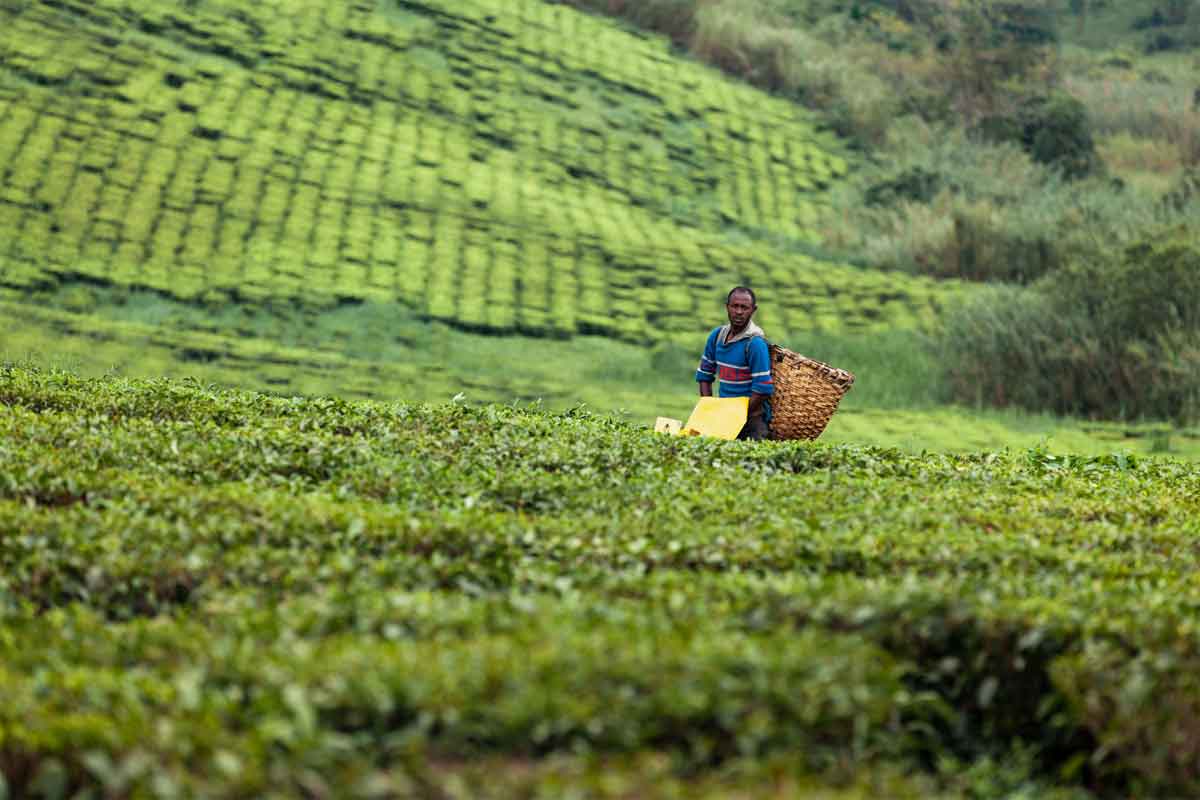
Farm visits and agricultural experiences are also becoming attractions in their own right. Tourists are increasingly interested in visiting coffee plantations, fruit farms, tea estates, and organic gardens to learn about production processes and participate in hands-on activities. These experiences strengthen the connection between agriculture and tourism while promoting sustainable development.
Coffee Tourism and Farm Experiences
Uganda is one of Africa’s leading coffee producers, and coffee tourism has become a major component of food tourism. Visitors have the opportunity to tour coffee farms, observe harvesting and processing methods, and participate in coffee-tasting experiences. These activities provide valuable insights into one of Uganda’s most important agricultural products while creating additional income for farming communities.
Coffee tours allow travelers to appreciate the journey from bean to cup and gain a deeper understanding of Uganda’s coffee culture. Such experiences have become increasingly popular among tourists seeking authentic and educational travel opportunities.
Promoting Traditional Ugandan Cuisine
Food tourism has contributed significantly to the promotion of traditional Ugandan dishes. Meals such as matooke, luwombo, katogo, millet bread, smoked fish, groundnut sauce, and rolex are becoming popular among visitors seeking authentic cultural experiences. Hotels and restaurants are increasingly incorporating local ingredients and traditional recipes into their menus to showcase Uganda’s culinary identity.
Through farm-to-table experiences, tourists not only enjoy these dishes but also learn about their preparation methods and cultural significance. This helps preserve indigenous food traditions while creating memorable experiences for visitors.
Benefits for Local Farmers and Communities
Farm-to-table tourism provides direct economic benefits to local farmers by creating reliable markets for their produce. Hotels, lodges, and restaurants that prioritize local sourcing support agricultural communities and contribute to rural development. Increased demand for fresh fruits, vegetables, dairy products, and livestock products creates employment opportunities and improves household incomes.
Community involvement in food tourism also encourages the preservation of traditional farming methods and indigenous crops. By connecting visitors with local producers, farm-to-table tourism promotes inclusive growth and strengthens community participation in the tourism industry.
Opportunities for Hospitality and Culinary Professionals
The growth of food tourism has created increasing demand for skilled chefs, caterers, and hospitality professionals. Culinary experts are expected to develop innovative menus that highlight local ingredients while meeting international standards. Restaurants and hotels require professionals who understand sustainable sourcing, food safety, and customer expectations.
This trend has also opened opportunities for entrepreneurs to establish farm restaurants, organic cafes, catering businesses, and culinary tour companies. Food tourism is therefore creating new career paths and business opportunities for young people interested in hospitality and tourism.
Sustainability and Environmental Conservation
Farm-to-table tourism promotes environmentally responsible practices by encouraging the use of locally sourced ingredients and reducing dependence on imported food products. Shorter supply chains help minimize transportation costs and reduce carbon emissions. Organic farming practices and responsible food production also contribute to environmental conservation and sustainable tourism development.
By supporting local agriculture, tourism establishments contribute to the protection of natural resources while ensuring long-term economic benefits for communities. Sustainable food tourism aligns with global efforts to promote responsible travel and preserve cultural heritage.
Culinary Experiences as Tourism Attractions
Cooking classes, food festivals, farm tours, and market visits are becoming increasingly popular among tourists visiting Uganda. These experiences allow visitors to interact with local communities and gain firsthand knowledge of traditional ingredients and cooking techniques. Culinary tourism adds value to traditional travel experiences and provides visitors with unique memories that extend beyond wildlife and landscapes.
Tour operators and hospitality businesses are increasingly recognizing the potential of culinary experiences as attractions that enhance Uganda’s competitiveness in the global tourism market.
Challenges Facing Food Tourism in Uganda
Despite its enormous potential, food tourism in Uganda faces several challenges. Limited awareness, inadequate marketing, inconsistent quality standards, and insufficient infrastructure can hinder growth. There is also a need for more trained culinary professionals and stronger collaboration between farmers and tourism operators.
Addressing these challenges through professional training, investment, and strategic partnerships can unlock greater opportunities for the sector and position Uganda as a leading destination for culinary tourism in Africa.
The Future of Farm-to-Table Tourism in Uganda
The future of farm-to-table tourism in Uganda is highly promising. Increasing consumer demand for healthy, organic, and authentic food experiences is expected to drive further growth in the sector. As travelers continue to seek meaningful connections with local cultures, farm-based experiences and culinary tourism will become even more important components of Uganda’s tourism offerings.
Advances in sustainable agriculture, digital marketing, and culinary innovation will also create new opportunities for businesses and communities. With proper investment and skills development, Uganda has the potential to become one of Africa’s leading destinations for food tourism.